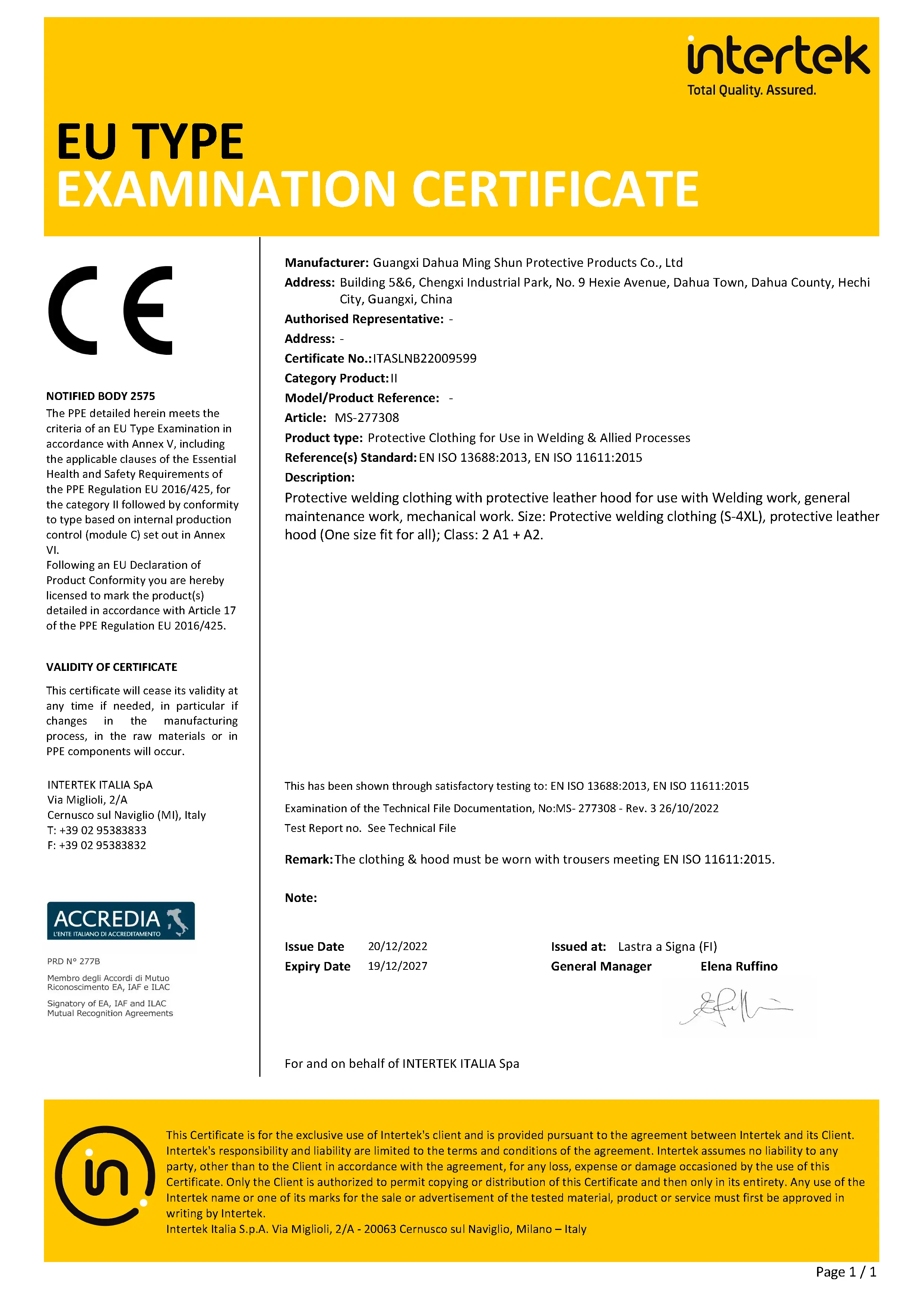
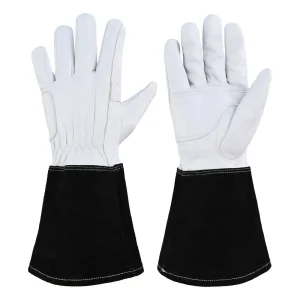
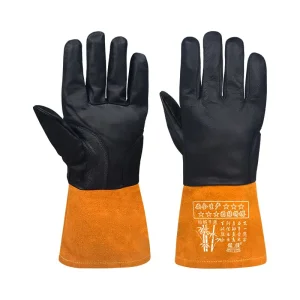
Pre-selected for high thermal precision, unhindered tactile feedback, and puncture resistance across stainless steel fabrication, process piping, and structural assemblies.
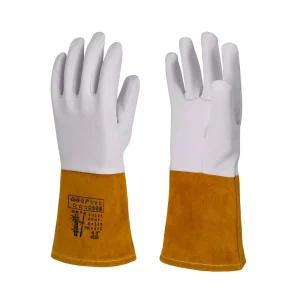
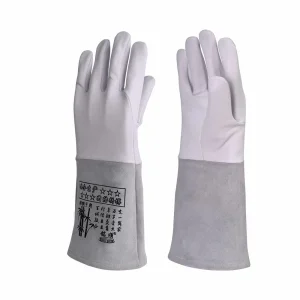
How the Ethiopian Ten-Year Development Plan (2021–2030), national mega-projects, and export-driven Special Economic Zones are restructuring occupational safety standards.
The Federal Democratic Republic of Ethiopia stands as one of Africa's fastest-transforming manufacturing landscapes. Anchored by the government’s comprehensive Homegrown Economic Reform Agenda and the strategic Ten-Year Development Plan (2021–2030), the nation has transitioned from pure agrarian dominance toward medium and heavy industrial fabrication. Flagship developments—including the Grand Ethiopian Renaissance Dam (GERD), the expansion of the Ethio-Djibouti Railway corridor, and major industrial hubs like Hawassa Industrial Park, Bole Lemi, Kilinto, and Dire Dawa Free Trade Zone—have generated unprecedented demand for precision metalworking, pressure piping, and specialized welding operations.
Historically, sub-Saharan PPE procurement defaulted to generic, heavy split-cowhide stick-welding mitts. However, as Ethiopian fabrication shops upgrade from basic manual arc welding to modern Gas Tungsten Arc Welding (GTAW/TIG) for sanitary food-processing pipelines, beverage manufacturing vats, and aerospace-related mechanical assemblies, standard bulky gloves become a safety liability. TIG welding requires precise manipulation of the filler rod and featherweight torch control under radiant heat without molten spatter interference.
Consequently, safety engineers and supply chain executives in Addis Ababa, Adama, Mekelle, and Bahir Dar are systematically restructuring their technical specifications, seeking direct wholesale manufacturing partnerships capable of delivering certified EN 12477 Type B and EN 388 hand protection at sustainable bulk price points.
Pairs Monthly Factory Capacity
Years Direct Tannery Integration
DuPont™ Kevlar® Seam Stitching
Certified Type B Tactile Standard
Eliminating trading layers to deliver predictable leather grading, chemical compliance, and high production volume directly to African importers.
Based in Gaozhou, Guangdong—the epicentre of global industrial leather manufacturing—we control raw hide selection at the source. By processing select grain goatskin, cowhide split, and pigskin internally, we ensure tensile elasticity, uniform caliper thickness (0.8mm to 1.1mm for TIG gloves), and zero defect rates, preventing the erratic leather quality common in intermediary broker transactions.
Improperly cured leather degrades rapidly in Ethiopia’s high-altitude tropical climate (ranging from the semi-arid Afar region to the cool highlands of Addis Ababa). Our controlled tanning processes maintain optimal neutral pH levels and guarantee zero detectable Chromium VI, ensuring workers remain safe from contact dermatitis and that gloves do not stiffen or deteriorate during maritime transit.
We empower Ethiopian safety equipment distributors and industrial trading conglomerates to establish strong regional brands. From personalized hot-stamped logos, thermal heat-transfers, custom-colored split leather gauntlets, to multilingual Amharic/English hangtags and barcoded packaging, our production floor provides end-to-end bespoke customization.
A technical comparison of hide grain structures, seam geometry, and thermal-to-tactile ratios required for high-frequency welding.
TIG welding (Gas Tungsten Arc Welding) is an art of micrometric precision. Unlike Shielded Metal Arc Welding (SMAW/Stick) or high-deposition MIG welding, GTAW involves zero heavy spatter under normal operating conditions. The primary hazards are intense radiant heat, high UV radiation, and continuous contact with warm workpieces, balanced against the welder’s need to fluidly feed 1.6mm to 3.2mm filler rods without hesitation.
Goatskin leather possesses a uniquely dense interlocking natural fiber matrix containing high natural lanolin content. This anatomical composition delivers three mission-critical mechanical advantages:
| Engineering Property | Premium Grain Goatskin | Cowhide Split Leather | Deerskin / Pigskin |
|---|---|---|---|
| Tactile Dexterity (EN 420) | Level 5 (Maximum Tactility) | Level 1 - 2 (Low / Rigid) | Level 4 (Moderate-High) |
| Radiant Heat Protection | Optimal for Lower Amp TIG | Extreme Heat / High MIG Spatter | Moderate Heat Resistance |
| Tear & Tensile Ratio | Very High per mm Thickness | Moderate (Fiber Density Loose) | Moderate / Soft Grain |
| Abrasion Endurance | Excellent Surface Grain Hold | High Initial Friction Wear | Susceptible to Rapid Abrasion |
| Welding Suitability | GTAW / Precision TIG Class B | SMAW (Stick) / Heavy MIG Class A | Specialty Utility / Light MIG |
From hydro-electric penstocks along the Blue Nile to commercial automotive fabrication lines in the central industrial corridors.
Field welders working on high-pressure hydraulic steel structures, turbine runners, and auxiliary systems across the Grand Ethiopian Renaissance Dam (GERD) and Koysha Hydroelectric Project demand TIG gloves that withstand extended preheating cycles while providing high flexibility in confined penstocks.
With multinational beverage packaging hubs and modern edible oil refineries active in Adama and Debre Berhan, sanitary stainless orbital and manual TIG pipewelding requires strict contamination-free gloves. Our unlined, residue-free goatskin gloves prevent carbon contamination on high-purity stainless tubes.
Maintenance operations for the Addis Ababa Light Rail Transit (AALRT) and commercial vehicle assembly facilities in the Bole Lemi and Mojo corridors rely on our keystone-thumb TIG gloves for intricate chassis welding, thin-gauge bracket fabrication, and electrical grounding connections.
The rapid urbanization of Addis Ababa has ignited structural architectural demands, including architectural bronze, aluminum glazing structures, and ornamental stainless entrance canopies. These architectural fabrications necessitate splatter-free, flawless TIG root welds requiring maximum operator dexterity.
Navigating Letters of Credit (LC), National Bank of Ethiopia foreign exchange frameworks, and multimodal freight consolidation.
Importing into landlocked Ethiopia requires seasoned maritime and dry-port forwarding expertise. Our logistics operations synchronize departures directly from southern Chinese ports (Guangzhou, Shenzhen, or Nansha) directly to the Port of Djibouti (Doraleh Multipurpose Port). From Djibouti, cargo seamlessly transitions via the electrified standard-gauge railway to the inland container terminals at Modjo Dry Port or Kality Dry Port in Addis Ababa. By engineering vacuum-compressed carton packing, we maximize container CBM volume—allowing importers to fit up to 85,000 pairs of TIG welding gloves inside a standard 40ft High Cube (HC) container, drastically slashing per-pair landing costs.
We recognize the procedural rigors mandated by the National Bank of Ethiopia (NBE) concerning foreign exchange allocation, Letter of Credit (L/C) validation, and pre-shipment documentation. Our export sales and documentation division generates fully compliant Proforma Invoices, Certificates of Origin (CO), commercial packing lists matched to Harmonized System (HS) Tariff Codes (HS 4203.29), and third-party laboratory test reports (SGS/TÜV) to guarantee rapid customs clearance without demurrage fines at Ethiopian entry borders.
Explore our complete manufacturing lines encompassing reinforced MIG/TIG gloves, heavy heat shields, and flame-retardant protective apparel.
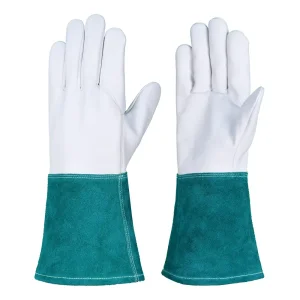
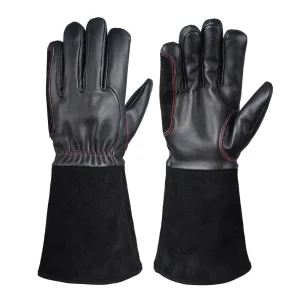
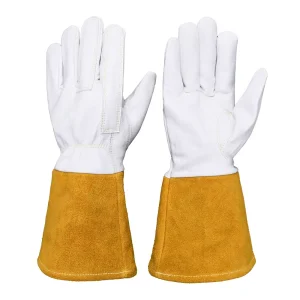
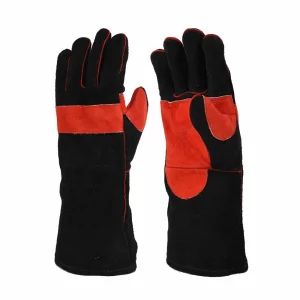
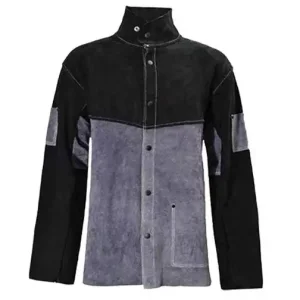
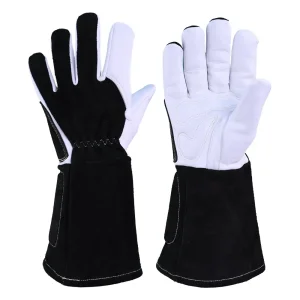
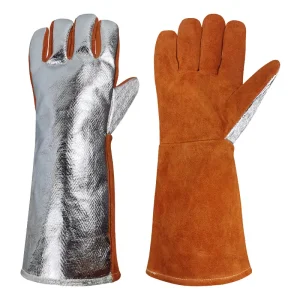
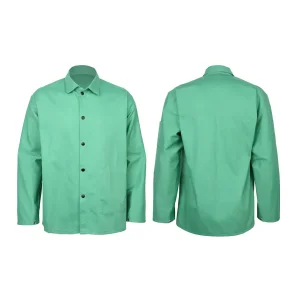
In-depth technical, financial, and logistical insights for procurement directors, safety officers, and private label importers.
Partner directly with China's dedicated welding safety equipment manufacturer. Obtain competitive container quotes, factory-direct technical data sheets, and custom OEM development samples.