Engineered in compliance with ISO 11611 Class 1/2 for rigorous MIG, TIG, plasma torch, and submerged arc thermal protection.
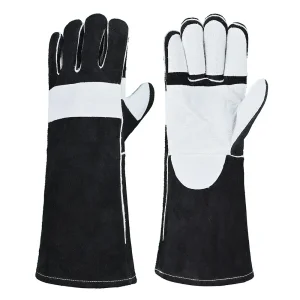
OEM MS-W815B Heavy Duty Leather Welding Spats for Leg Protection
Procure Specs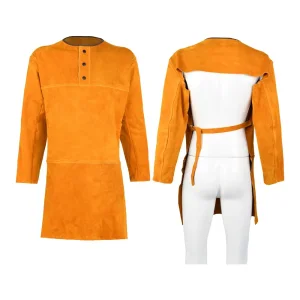
OEM MS-384 Split Cowhide Over-Shoulder Welding Apron, Class 2
Procure Specs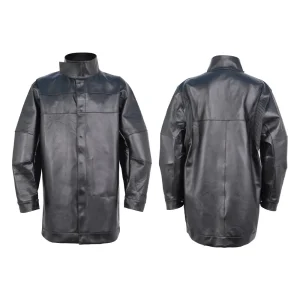
OEM MS-W231 Extended Pigskin Leather Welding Jacket
Procure Specs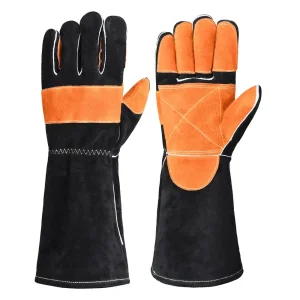
Custom MS-815BO Heavy-Duty Cowhide Leather MIG Welding Gloves
Procure Specs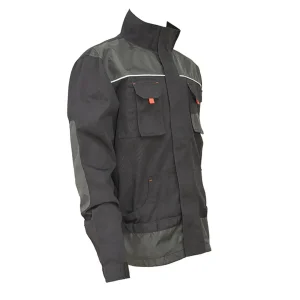
Wholesale MS-1328 Durable Canvas Workwear Mechanic Coverall
Procure Specs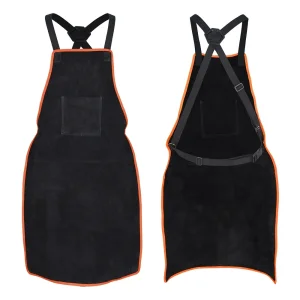
OEM MS-360B Split Leather Welding Apron with X-Back Harness
Procure Specs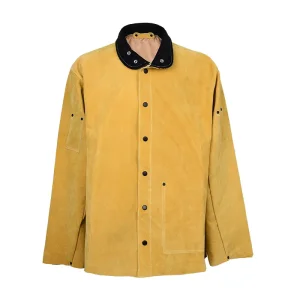
Wholesale MS-406 Lightweight Pigskin Leather Welding Jacket
Procure Specs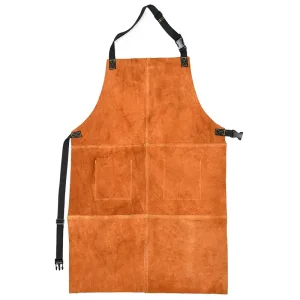
Custom MS-1493 Split Leather Industrial & BBQ Apron (60×83cm)
Procure SpecsThe international demand for industrial personal protective equipment (PPE) has evolved from simple barrier fabrics to multi-hazard, high-durability life-safety ecosystems. As modern heavy industries expand, direct-from-factory relationships define supply resilience.
Global supply chain disruptions have illuminated the critical vulnerability of trading intermediaries. Heavy fabricators and global distributors are shifting procurement directly to integrated manufacturers who manage both raw hide tanning and advanced garment sewing under a unified traceability framework.
Regulators in North America (OSHA, NFPA) and the European Union (EN ISO) are intensifying penalties for non-compliant protective apparel. The demand for accredited testing reports for tensile strength, radiant heat dissipation, and molten metal drop resistance makes verified manufacturing auditability an absolute prerequisite.
Volatile costs for bovine splits and organic FR treated yarns require manufacturing agility. Factories with in-house processing mitigate price spikes via bulk raw material indexing and automated, computerized layout nesting algorithms that eliminate scrap leather waste by over 14.8% per production cycle.
Evaluating protective performance requires a strict material science approach. The following engineering matrix balances thermal conduction, spark deflection, mechanical abrasion resistance, and ergonomic dexterity.
| Material Substrate | Thermal Barrier (Direct Splash) | Radiant Heat Resistance | Dexterity & Ergonomics | Primary Industrial Utility | Standards Baseline |
|---|---|---|---|---|---|
| Heavy Split Cowhide (1.2–1.4mm) | Exceptional (35+ drops) | Extreme (>20s threshold) | Moderate (High Rigidity) | Structural SMAW, GMAW, Heavy Grinding | EN ISO 11611 Class 2 |
| Full Grain Pigskin / Goatskin | Moderate (Spatter Only) | Moderate-High | Superior Control | GTAW (TIG), Fine Aerospace Seams | EN 12477 Type B |
| 9 oz. Flame Retardant (FR) Cotton | Moderate (Self-Extinguishing) | Moderate (Short Exposure) | Optimal (Lightweight) | MIG Secondary Drape, Shop Maintenance | NFPA 2112 / ISO 11612 |
| Hybrid Cowhide-FR Cotton Yoke | High (Zoned Protection) | High on Forearms & Torso | High (Vented Ergonomics) | High-Volume Automotive Assembly | EN ISO 11611 Class 1/2 |
| Kevlar® / Para-Aramid Threading | Thermal Neutral to 425°C | Tensile Lock Under Molten Slag | Structural Component | Core Seam Construction Across Garments | ISO 13935-2 Tensile Peak |
Standard thread melts below 180°C, causing garment structural collapse during flash spatter. We utilize exclusively 3-ply and 4-ply aramid threading with critical stress gusseting to retain tensile strength even when exposed to 400°C droplets.
To mitigate electrocution and electrical arc hazard during open-circuit secondary stick touch, snap closures and fasteners are insulated with high-dielectric cowhide overlap flaps preventing current bridging into the operative's undergarments.
Traditional box cuts trigger welder fatigue and restrict overhead torch movement. Our pattern masters integrate underarm flex gussets and rolled shoulders that maintain sleeve position when arms are elevated to 120° torch angles.
Direct oversight of the chemical retannage process guarantees stable pH levels (3.5–4.5) and prevents hexavalent chromium (Cr VI) oxidation, ensuring our leather maintains zero skin toxicity while maximizing droplet deflection.
How Ming Shun operates high-throughput OEM production lines while safeguarding micro-level tolerance and structural longevity.
Raw splits undergo digital micrometer thickness gauging (1.2mm minimum for Class 2) and visual grain scanning to discard scar tissue, pinholes, or chemical degradation.
Substances are treated in specialized rotating dye drums with flame-retardant oils and heat-resistant polymers to secure uniform pliability, vibrant hues, and flame retardancy.
Computer numerical control (CNC) cutting heads and hydraulic traveling presses cut garment components with ±0.5mm precision, optimizing structural yield and grain match.
Dedicated production lines bind seams with heat-resistant Kevlar cordage, reinforcing double-stitch margins at stress apexes: shoulders, chest pockets, and armpits.
Non-conductive, anti-corrosive copper/brass hardware is pressure-riveted into stress vertices and harness connection interfaces to avoid catastrophic thermal uncoupling.
Garments are pressed with industrial conditioning steam and thermo-tension forms, establishing precise draping curves and eliminating moisture before packaging.
Every shipment is checked for seam pull strength, stitch counts per 3cm, snap retention force, and dimensional tolerances against approved technical spec sheets.
Moisture-controlled polyethylene wrapping, silica gel desiccant loading, and multi-ply corrugated cartons guarantee dry, odor-free arrival across long sea freight transits.
Protective workwear must balance the unique heat profiles, joint ergonomics, and spatter trajectory of distinct industrial applications.
Severe positional welding (overhead 4G/6G) exposes shipfitters to relentless shower spatter. We provide extended split-cowhide capes, shoulder drapes, and high-rise spats resistant to marine salinity, ensuring safety during submarine and oil rig assembly.
For multi-hour Flux-Cored Arc Welding (FCAW) of structural I-beams, operators require 30-inch heavy leather coats paired with leather welding chaps that defend against constant high-intensity slag and extreme radiant wattage.
High-cycle spot repair and robotic cell maintenance require breathable, agile fabrics. Our 9 oz. FR cotton body jackets with split-leather sleeves combine radiant protection with the dexterity needed for high-pace assembly lines.
Navigating cross-border liability requires comprehensive technical certification and traceable documentation for global markets.
Class 1 protects against lower-risk techniques (TIG, micro-plasma); Class 2 shields against heavy-risk techniques (MIG, high-amperage stick) with >25 droplets of molten metal and radiant heat resistance of RHTI 24 ≥ 16 seconds.
Type A covers high-heat, high-amperage MIG and stick operations where heat attenuation takes precedence; Type B provides the supple dexterity and finger articulation required for technical TIG wire feeding.
Complies with North American requirements for industrial flash fire and occupational hot work. Fabric weaves will not ignite, melt, drip, or continue burning, preserving user safety during high-temperature gas and arc operations.
How material research, sensor integration, and sustainable manufacturing are shaping the next generation of industrial protective wear.
Developing plant-tanned cowhide composites reinforced with recycled aramid fibers. This achieves equal Class 2 spatter resistance with a 22% reduction in overall garment weight, significantly reducing operator heat stress.
Integrating passive color-shifting polymers into high-exposure forearm and shoulder segments. These visual cues alert welders when radiant absorption approaches substrate degradation thresholds, preventing burns.
Transitioning tannery facilities to complete closed-loop water treatment with 98.2% chemical reclamation. This provides global industrial brands with verified ESG-compliant supply chains without compromising material performance.
Common questions from procurement directors, industrial distributors, and technical safety engineers.
Split cowhide provides superior fibrous bulk that buffers against heavy molten slag and spatter without surface melting, making it ideal for structural SMAW and GMAW jackets. Grain leather is thinner and more pliable, preferred for TIG gloves where tactile control is essential.
Yes. We specialize in private label manufacturing: customized leather thickness, custom color tanning, silicone or leather heat-embossed logos, woven labels, screen-printed FR cotton panels, and custom-branded cartons.
Standard MOQs are typically 500 units for leather jackets or coveralls, and 1,200 pairs for technical welding gloves. Sampling runs and initial evaluation orders can be accommodated based on annual volume commitments.
Every batch of FR cotton is lab-tested per ASTM D6413 and ISO 15025 for vertical flame resistance, verifying zero after-flame, zero melting, and afterglow under 2 seconds across 50 commercial wash cycles.
Standard 20GP/40HQ container shipments ship in 35 to 45 business days following final sample sign-off. Repeat orders benefit from our raw hide safety buffers, reducing lead time to 30 days.
Yes. We welcome third-party audits (SGS, TÜV, Intertek, Bureau Veritas) and supply full certification packages (CE Type-Examination, EN ISO test reports, material safety data) with all production batches.
High-performance protective apparel engineered for structural steel, pipeline fabrication, petrochemical facilities, and heavy foundry work.
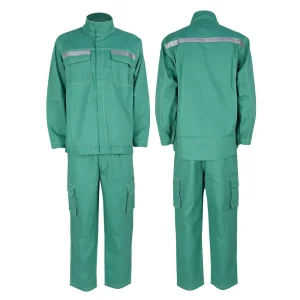
Wholesale MS-F313 FR Welding Suit Set with Reflective Tape
Procure Specs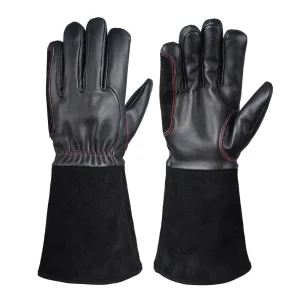
Custom MS-W900R Black Unlined TIG Gloves with Reinforced Pinky
Procure Specs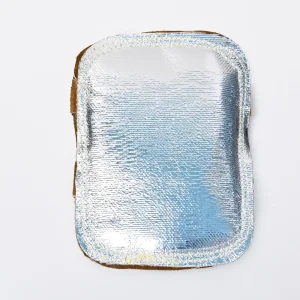
Custom MS-106 Heat Reflective Welding Back Hand Pads
Procure Specs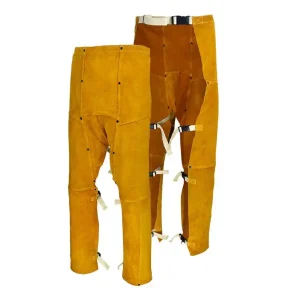
Custom MS-241 Split Cowhide Welding Chaps with Quick-Release Straps
Procure Specs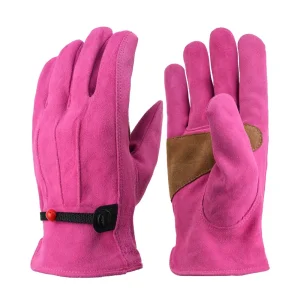
OEM MS-3615 Premium Split Goatskin Leather Work Gloves
Procure Specs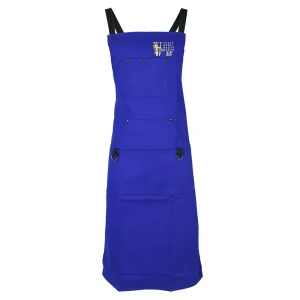
OEM MS-F7080 FR Cotton Welding Bib Apron with Harness Straps
Procure Specs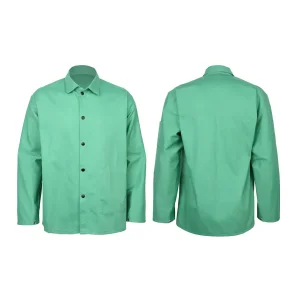
OEM MS-330 Premium 9oz FR Cotton High-Dexterity Jacket
Procure Specs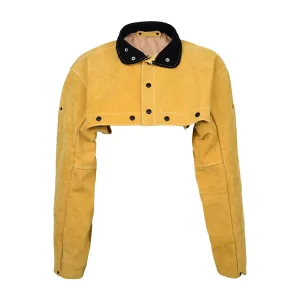
OEM MS-W210 Premium Pigskin Leather Welding Cape Sleeves
Procure SpecsOur engineering team collaborates directly with technical buyers and industrial distributors. Submit your tech pack, physical sample, or volume specifications to receive factory-direct FOB/CIF pricing within 24 hours.

