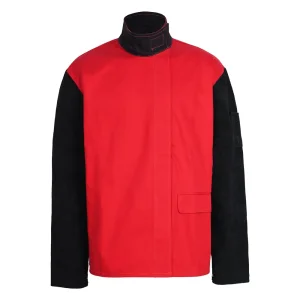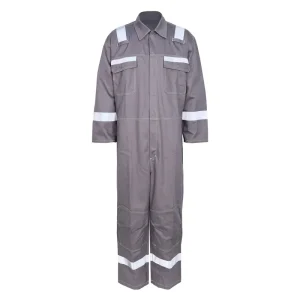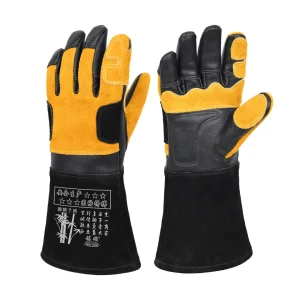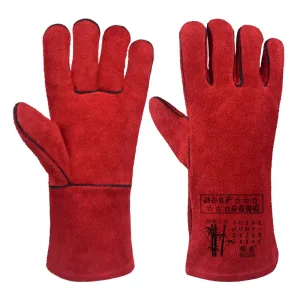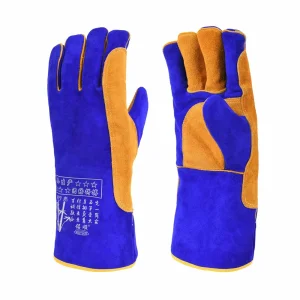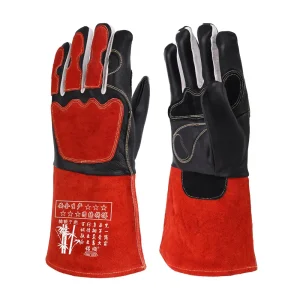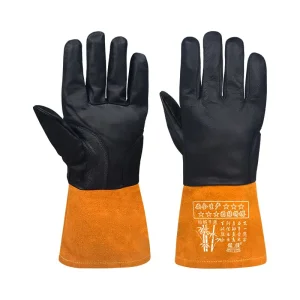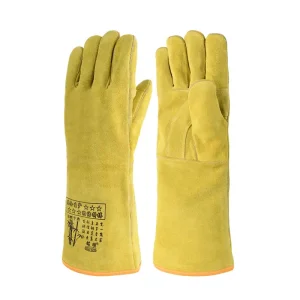
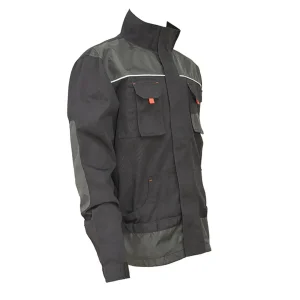
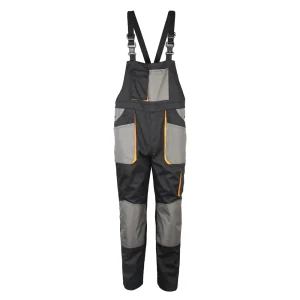
Factory-direct protective overalls, multi-pocket utility workwear vests, and specialized high-dexterity safety gloves designed for rigorous industrial, mechanical, and hot-work environments.
Navigating global supply chain volatility requires direct-from-source resilience. Discover how integrated Chinese manufacturing centers provide unmatched scale, technical capability, and price-to-performance stability for enterprise PPE buyers.
Operating dedicated tanneries, raw leather grading, spinning, weaving, and in-house dyeing ensures that workwear fabrics and split cowhide materials achieve uniform tensile durability, colorfastness, and thickness consistency across large-scale industrial production cycles.
Advanced CAD patterning systems optimize ergonomic mobility for structural coveralls and mechanic bibs. Strategic multi-needle bar-tacking, Kevlar thread integration, and stress-distribution gussets eliminate premature field seam failure under heavy load.
Massive raw material purchasing combined with highly automated spreading and cutting infrastructure allows Ming Shun to mitigate global cotton and leather commodity price swings, offering stable container-load pricing for multi-year corporate contracts.
Situated within the world-class logistics network of Guangdong, direct access to deep-water shipping hubs ensures expedited container drayage, seamless customs documentation, and predictable delivery timetables for European, North American, and Asia-Pacific ports.
The shift toward modernized occupational safety demands apparel that bridges non-negotiable thermal/mechanical protection with athletic ergonomics, circular sustainability, and connected compliance.
Modern workwear breaks away from singular heavy fabrics. The market embraces composite body mapping: combining breathable, high-GSM flame-retardant cotton in core heat zones with abrasion-resistant cow split leather over shoulders and forearms. This reduces overall worker fatigue by up to 28% while sustaining full molten metal splash defense.
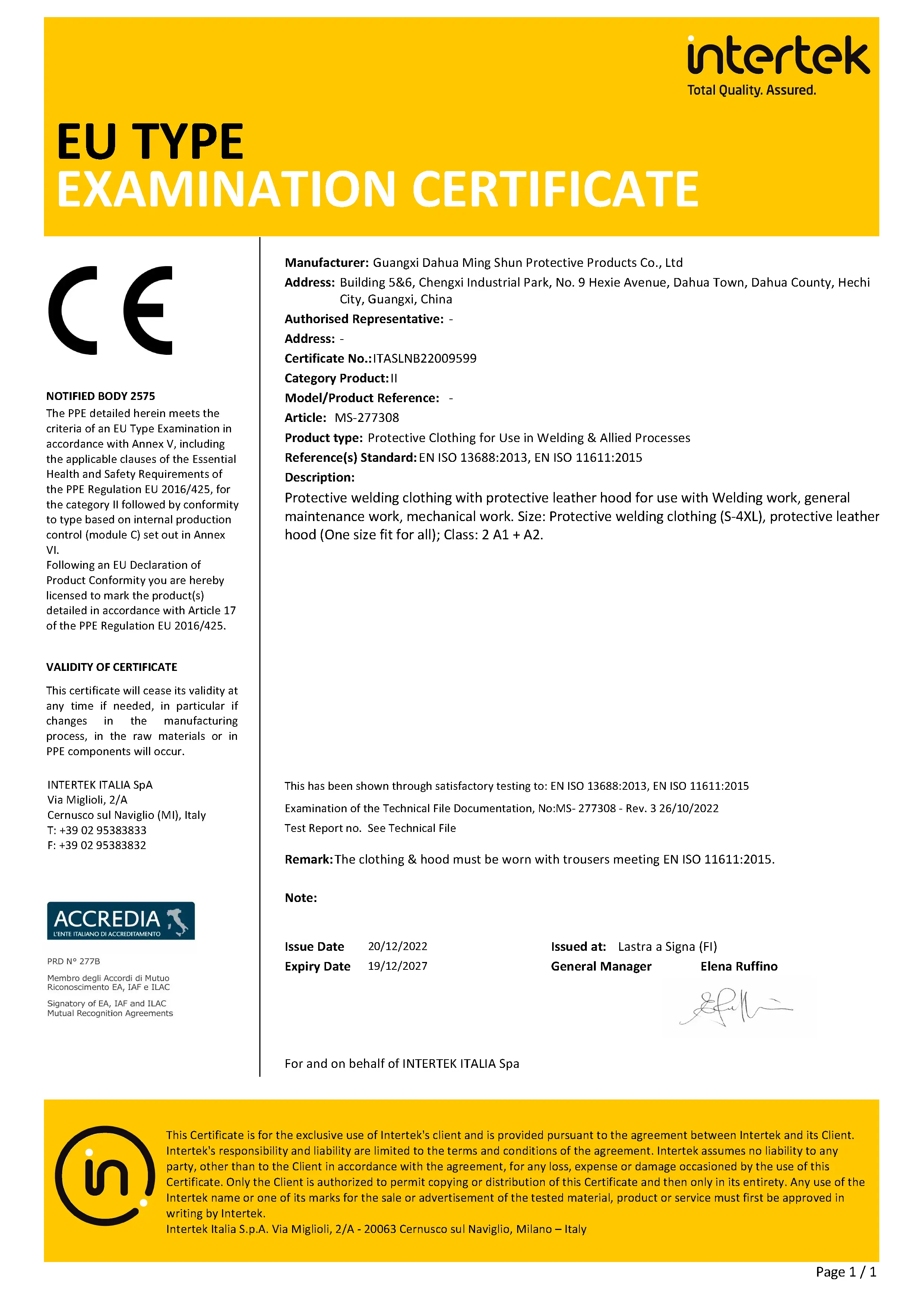
Procurement officers increasingly require consolidated certifications. A singular garment must now withstand electrostatic discharge (EN 1149-5), electric arc exposure (IEC 61482-2), welding spatter (EN ISO 11611 Class 1 & 2), and general flame spread (EN ISO 11612), minimizing inventory complexity for large multidisciplinary fleets.
Rigid box-cut boiler suits are being replaced by tailored articulated patterning. 4-way stretch gussets, accordion flex zones at the lower spine, and externally adjustable knee-pad pockets (conforming to EN 14404 Type 2 level protection) empower continuous mobility in tight mechanical quarters without fabric pull or seam blowout.
Different operational environments present wildly differing hazard profiles. Our factory crafts purpose-engineered workwear configurations mapped to specific industrial realities.
Hazard Profile: High radiant heat flux, continuous slag drops, heavy abrasive contact, sharp sheet metal edges.
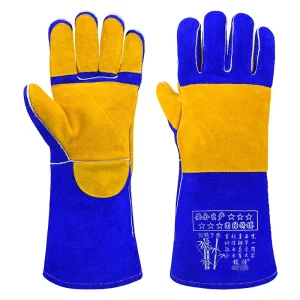
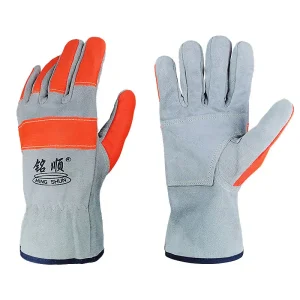
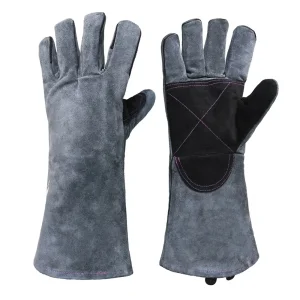
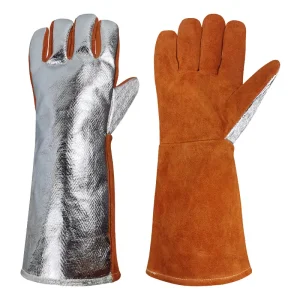
Engineered Workwear: 1.2mm–1.4mm premium split cowhide protective jackets paired with 9 oz treated FR cotton trousers, double-palm split leather gloves stitched with DuPont™ Kevlar®, and cowhide boot spats to eliminate burn-through at lace points.
Hazard Profile: Constant kneeling on concrete, oil/grease immersion, tool abrasion, vehicle scratch hazards.
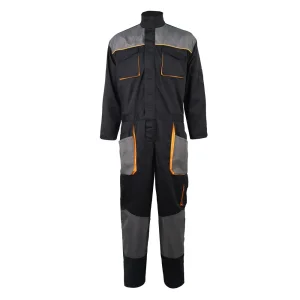
Engineered Workwear: Scratch-free mechanic coveralls featuring concealed nylon zips, reinforced Cordura® knee-pad pouches, multi-drop tool holsters, and breathable stretch canvas bodies that withstand frequent 60°C commercial industrial laundering.
Hazard Profile: Extreme weather fluctuations, low visibility in high-traffic zones, high mechanical tear risks.
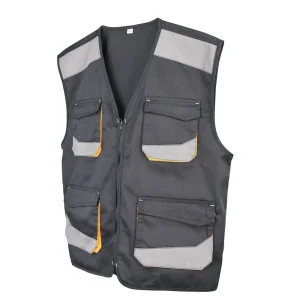
Engineered Workwear: High-visibility Class 3 coveralls and utility vests featuring 3M™ Scotchlite™ prismatic reflective tape, tear-resistant poly-cotton ripstop canvas, radio loop tabs, and storm flaps protecting against wind and precipitation.
From supply-chain redundancy to rigorous ESG and corporate branding compliance, we serve Tier-1 distributors, national utility operators, and industrial EPC contractors with institutional rigor.
Build brand equity with factory-direct customization. We convert your CAD specifications and brand guidelines into finished products: custom Pantone dyed fabrics, branded silicone badge applications, embossed leather patches, precision woven sizing labels, and retail packaging built for major safety distribution channels.
Purchasing decisions must evaluate life-cycle durability over initial acquisition expense. By enforcing reinforced stress joints, heavy-weight YKK®/SBS® metal brass zippers, and pre-shrunk mercerized fabrics, Ming Shun workwear achieves up to 40% longer service lifespans under aggressive industrial wash cycles, drastically reducing replenishment cadence.
Each production batch undergoes full QA testing against European CE (EN ISO 11611, EN ISO 11612, EN 388, EN 12477) and American ANSI/ISEA standards. Comprehensive lot traceability is documented across every roll of fabric, hide batch, and thread spool, ensuring total transparency during client quality audits.
Discover our primary lineup of FR cotton welding jackets, split leather sleeves, reflective welding coveralls, and specialized MIG/TIG protective gloves engineered for maximum hazard reduction.
Detailed insights for supply chain managers, safety directors, and wholesale importers evaluating Chinese workwear factories and OEM capabilities.