1 / 1
Not all industrial heat reaches the hand through direct contact.
Around welding arcs, furnaces, molten metal and heated workpieces, workers may be exposed to intense radiant heat before they ever touch a hot surface.
These aluminized heat resistant gloves are designed around that difference.
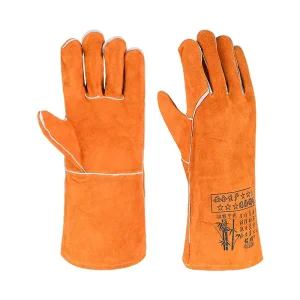
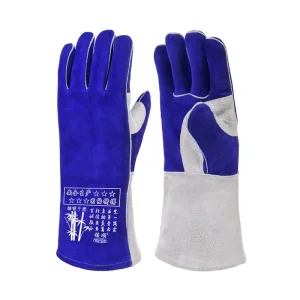
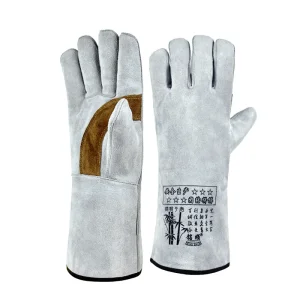
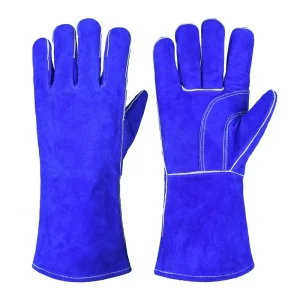
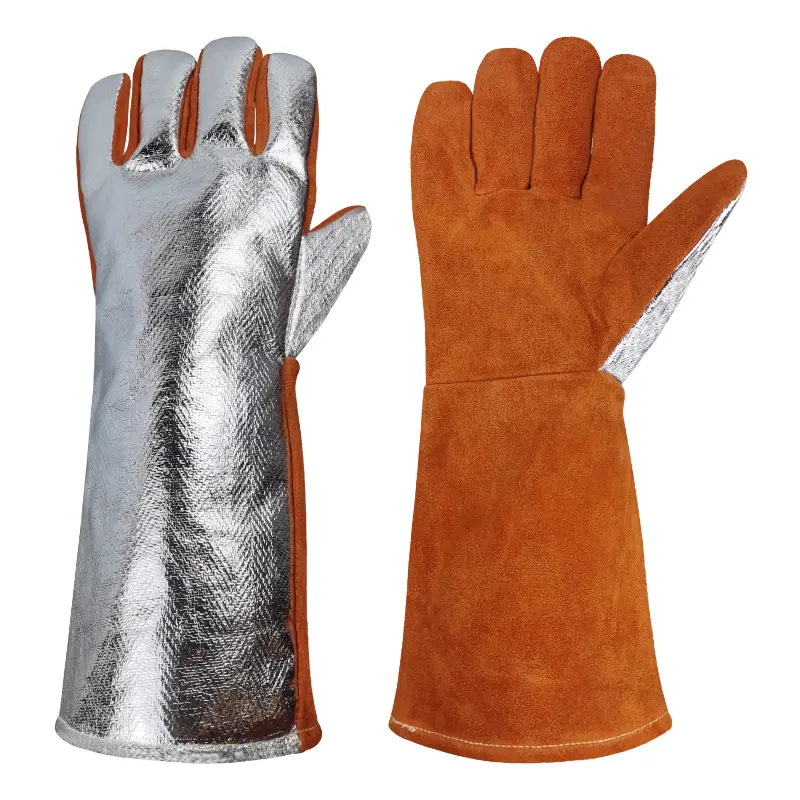
A reflective aluminized layer is positioned on heat-exposed areas of the glove to help reduce radiant heat transfer, while rugged leather working surfaces provide the durability, grip and abrasion resistance required for actual material handling.
The result is a glove built for environments where ordinary leather welding gloves may not provide the right balance of heat management and working performance.
The aluminized surface is more than a visual feature. Its reflective outer face is designed to help redirect radiant energy away from the glove rather than simply absorbing it into the material. This makes aluminized hand protection particularly relevant when workers operate near high-temperature processes, furnaces, heated metal or intensive welding operations.
Instead of covering every surface with the same material, the glove combines different materials according to the type of exposure they are intended to manage.
While aluminized material addresses radiant heat exposure, the palm still has to grip, carry and control. Durable leather working areas give the glove a more practical handling surface for tools, hot components and industrial materials.
The leather also provides resistance to everyday abrasion and mechanical wear that reflective fabrics alone are not designed to handle.
Aluminized surface for radiant heat. Leather surface for handling.
This distinction matters when specifying a high-temperature glove.
An aluminized glove is particularly valuable where radiant heat is a major exposure. However, the temperature of an object that can be safely handled depends on the complete glove construction—including leather thickness, insulation, lining, contact duration and validated thermal performance.
For professional PPE buyers, this means the correct glove should be engineered around the actual hazard rather than selected from a temperature number alone.
That is why material configuration, lining structure and intended application should be confirmed during OEM development.
Suitable for product development around:
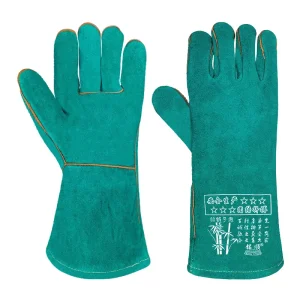
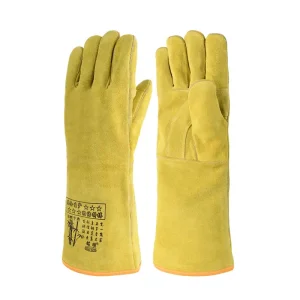
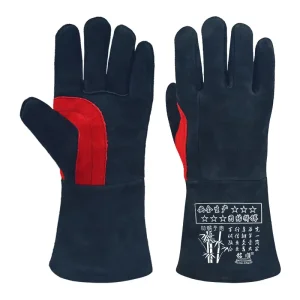
The gloves feature a reflective aluminized layer positioned on heat-exposed areas that helps redirect radiant energy away rather than absorbing it, while rugged leather working surfaces manage physical handling, grip, and abrasion resistance.
Radiant heat radiates through the air from sources like molten metal or welding arcs before contact occurs. Safe handling of direct contact heat depends on overall construction details—such as leather thickness, insulation layer, lining, contact duration, and validated thermal tests.
Reflective aluminized fabric is engineered to deflect radiant heat, whereas leather palms provide essential mechanical grip, control over tools, and high resistance to everyday industrial abrasion and mechanical wear.
The extended gauntlet cuff increases coverage beyond the wrist and toward the forearm, providing added safety against radiant heat exposure during intensive thermal operations.
Yes. OEM configurations can include custom thermal lining options, reinforced seam constructions, and tailored glove patterns designed around specific welding PPE and workplace hazard requirements.