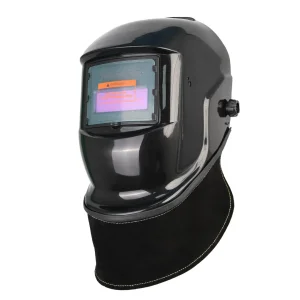
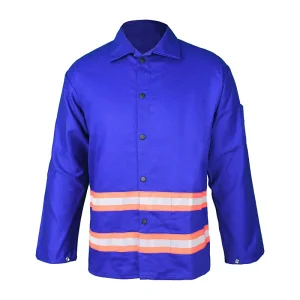
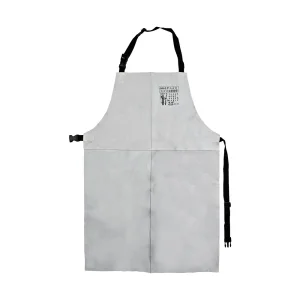
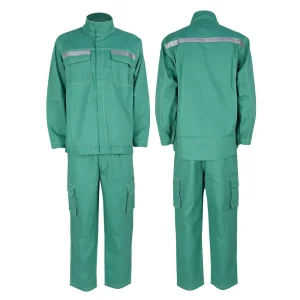
Direct OEM/ODM enterprise allocations engineered for extreme radiant heat, localized mechanical abrasion, and prolonged posture support.
Over 25 years of technical expertise in heavy industrial PPE manufacturing, leveraging direct high-density foam extrusion, custom tanning, and high-temp thread engineering.
In heavy industrial fabrication, welders routinely operate in extreme physical postures—kneeling on cold structural steel plates, resting elbows near multi-pass preheated pipe seams, or lying prone inside ballast tanks. The welder's cushion (also referred to as an ergonomic heat pad or kneeling shield) is no longer a peripheral comfort luxury; it is a critical Personal Protective Equipment (PPE) component designed to eliminate conductive heat transfer, mitigate whole-body and localized vibration, and suppress high-amperage electrical current bleed-through.
Tier-1 factories manufacturing specialized welders cushions must overcome intense metallurgical constraints. When preheating alloy steels to temperatures between 150°C and 350°C, direct contact will carbonize standard open-cell polyurethane foam within seconds, producing toxic fumes and destroying mechanical resilience. Our Gaozhou manufacturing facility addresses this via stratified core structures: integrating exterior layers of chrome-tanned split cowhide, high-vacuum aluminized fiberglass films, ceramic wool thermal breaks, and closed-cell EVA or cross-linked polyethylene (XPE) cores that maintain memory under loads exceeding 100 kg/cm².
Optimized for specialized geographic, environmental, and engineering environments worldwide.
Operatives in the North Sea and Gulf of Mexico face ambient humidity, saltwater salt spray, and extreme spark showers during riser tie-ins. Here, welders cushions feature hydrophobic silicone-treated split cowhide that repels marine condensation while providing high-dielectric breakdown voltage protection during open-root shielded metal arc welding (SMAW).
Welding API 5L X80/X100 pipeline sections requires extensive bell-hole welding. The ground environment is abrasive, rocky, muddy, or frozen. Cushions deployed by midstream pipeline contractors incorporate ballistic Kevlar-reinforced perimeter edges, puncture-proof split leather bases, and top-tier aluminized panels reflecting radiant torch heat exceeding 500°C.
Double bottom hull welding requires continuous work in tight, unventilated compartments with preheated structural stiffeners. Standard pads trap heat and release particulate matter. Specialized certified cushions utilize non-off-gassing FR insulation and heavy webbing handles to facilitate quick repositioning in cramped manholes.
Continuous technical breakthroughs driving composite heat shields, microcellular foams, and smart ergonomic telemetry.
As modern fabrication embraces robotic welding cells and higher amperage processes like submerged arc (SAW) and high-deposition flux-cored arc welding (FCAW), standard shop pads are rapidly obsolete. Our engineering lab is actively pursuing three core technological vectors:
Integrating silica aerogel blankets (thermal conductivity <0.015 W/m·K) between outer leather cowhide and core polymers. This allows a 60% thickness reduction while doubling thermal protection against continuous 400°C conductive contact.
Moving away from halogenated additive foams to chemically grafted bio-polyols that achieve UL94 V-0 flame ratings with zero toxic cyanide emissions during high-spatter exposure, safeguarding welders in confined spaces.
Deploying finite element analysis (FEA) to design variable-density zones. Kneeling centers utilize dense impact-absorbing rubber cores, while perimeter zones incorporate flexible high-resilience foam to support smooth weight distribution.
How vertical integration in Gaozhou, Guangdong delivers unbeatable consistency, scale, and cost control for international distributors.
Unlike assemblers who buy market split leathers of inconsistent tensile strength and varying moisture contents, Ming Shun manages tanning, chemical retanning, and flame-retardant dyeing under one roof, guaranteeing uniform thickness and grain across 100,000+ unit runs.
Located in Guangdong's industrial heartland, our factory leverages immediate access to specialized raw materials: high-tensile aramid (Kevlar) threads, heavy brass grommets, industrial Hook-and-Loop closures, and chemical foams within a 50 km logistics radius, slashing procurement cycle times.
With an automated CNC leather knife cutting suite and in-house CAD tooling, custom OEM cushions (specific thickness layers, eyelet distributions, or corporate silkscreens) transition from technical pack review to physical sample testing in under 7 business days.
Rigorous international compliance verification to protect import clearance, site safety audits, and distributor legal standing.
Deploying welding safety gear across international borders requires stringent alignment with regional health and safety mandates. We support our global client base with comprehensive batch documentation, technical data sheets (TDS), and safety data sheets (SDS) meeting the following benchmarks:
Certifies protective gear against high-risk welding techniques that cause severe spatter and radiant heat, verifying non-ignition and limited flame spread.
Essential for the North American market, validating electrical arc thermal performance (ATPV ratings) and ensuring that flame resistance remains active throughout product life.
Systemic factory management guaranteeing that raw hide grading, thread tensile testing, and drop-load deformation tests are logged for every export container.
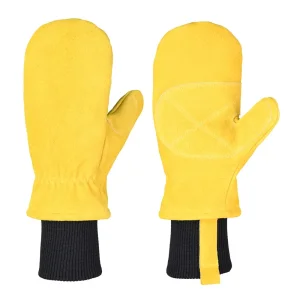
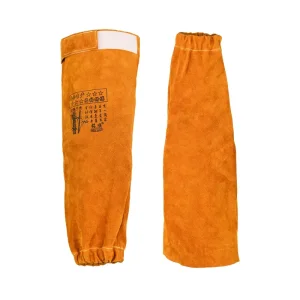
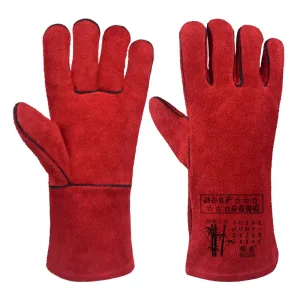
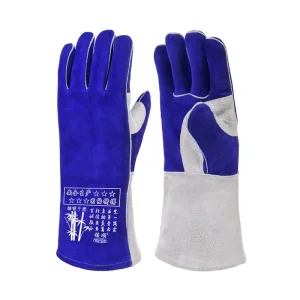
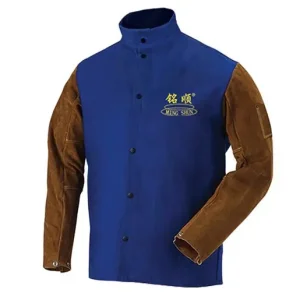
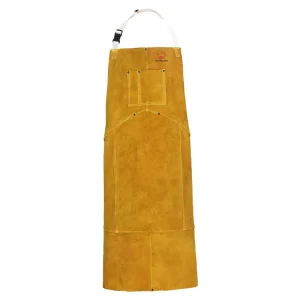
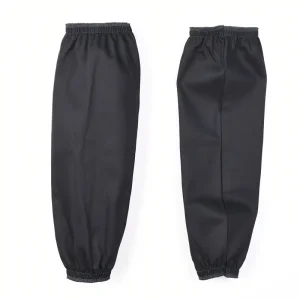
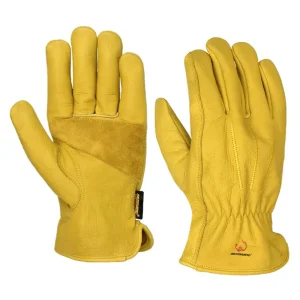
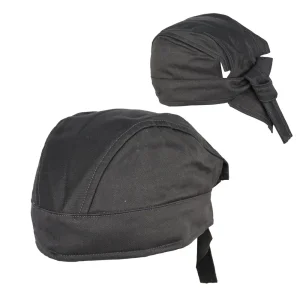
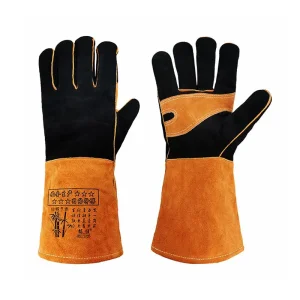
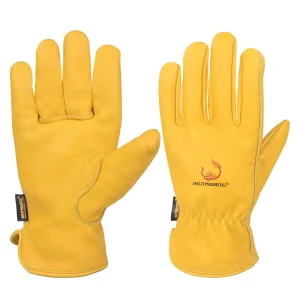
High-demand secondary production lines covering extreme heat mitts, hybrid garments, and custom accessories.
In-depth technical and operational answers for industrial PPE importers, safety distribution directors, and plant procurement managers.
A certified high-performance welder cushion features a multi-tiered composite structure: 1) An outer protective shell of 1.2–1.4 mm heavy split cowhide or aluminized fiberglass film that resists hot slag penetration and sheds radiant sparks; 2) An intermediate thermal dissipation barrier, often made from non-combustible oxidized polyacrylonitrile or ceramic felt, providing a thermal break against high heat (up to 550°C); 3) A primary core of high-density, closed-cell XPE or flame-retardant EVA foam delivering ergonomic compression resistance and dielectric protection; 4) Heavy-duty stitching using genuine Kevlar (aramid) thread to eliminate seam unraveling when exposed to slag.
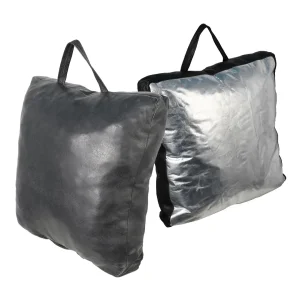
Aluminized leather pads (such as the OEM MS-3005) utilize an advanced vacuum-metallized surface layer that reflects up to 95% of radiant heat back toward the source. While standard split cowhide excels in heavy physical abrasion, dragging over rough concrete, and resistance to molten slag drops, it absorbs radiant energy over prolonged exposure. Aluminized cushions are preferred in structural welding, boiler preheat maintenance, and heavy pre-warmed fabrication where radiant ambient temperatures can cause rapid fatigue and knee burns.
Yes. As a factory direct manufacturer with our own leather processing and automated CNC cutting units, we handle end-to-end OEM and ODM manufacturing. We can customize dimensions (e.g., standard 50×50 cm up to extended 100×100 cm prone pads), integrate industrial brass tie-down grommets for scaffolding and pipeline work, add heavy webbing shoulder carrying straps, and apply custom branding via heat debossing, screen printing, or woven label vulcanization.
For custom manufactured welder cushions and customized leather PPE, typical sample approval turnaround is 5 to 7 working days. The standard MOQ for custom branding and colors is typically 500 to 1,000 units depending on raw material specifications. Full container loads (20GP/40HQ) encompassing a mix of cushions, welding jackets, and gloves generally ship within 35 to 45 calendar days following pre-production sample sign-off.
Electric shock hazards occur when welders kneel on steel decking connected to the work clamp, especially in humid or sweaty conditions. Our closed-cell EVA and XPE cores are manufactured without conductive metallic salts or carbon fillers, providing insulation against industrial open-circuit voltages (typically 60–100V OCV). We conduct batch breakdown testing to ensure resistance values remain well in the multi-megaohm range even under simulated 80% relative humidity.