Engineered in our Gaozhou industrial complex. Featuring in-house chrome-split tanning, reinforced stress points, and advanced thermal layering tailored for extreme operational environments.
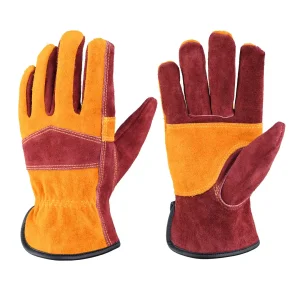
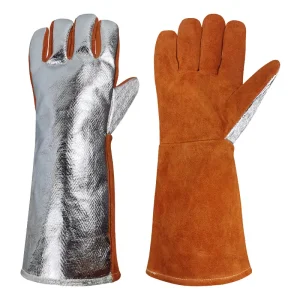
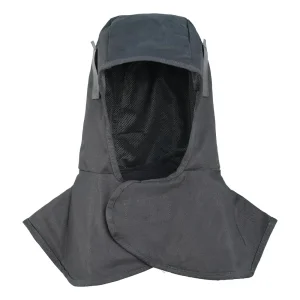
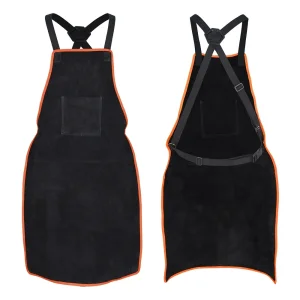
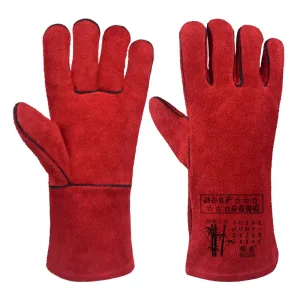
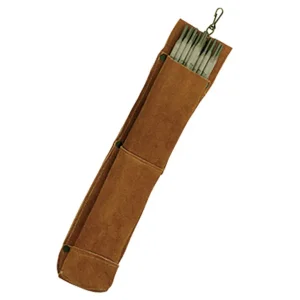
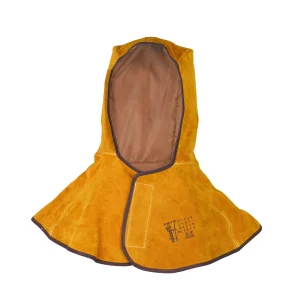
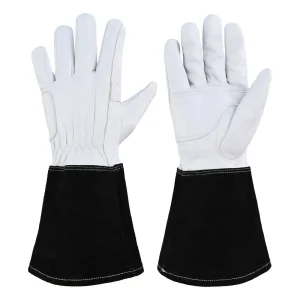
An authoritative analysis of extreme temperature occupational hazards, tactile fatigue, and the shifting dynamics of enterprise PPE procurement.
In high-latitude and cryogenic industrial operations, hand protection is neither an auxiliary safety accessory nor a dispensable uniform component. It serves as an active bioclimatic barrier preventing vasospastic disorders, peripheral neuropathy, and catastrophic grip loss. According to OSHA and European safety directives, peripheral dexterity declines exponentially when finger skin temperature drops below 15°C (59°F), and manual tactile feedback is severely impaired below 12°C. In sub-zero pipeline fabrication, Arctic offshore drilling, intermodal refrigerated warehousing, and structural cryogenic welding, workers face a double-front risk: contact frostbite from conductive steel equipment and mechanical shearing from rough materials.
Historically, the industrial glove sector has struggled with an engineering paradox: thermal thickness versus mechanical dexterity. Traditional cold weather work gloves relied on heavy batting and dense wool liners that turned gloves bulky, inducing severe musculoskeletal grip fatigue. Modern international procurement directors from EPC conglomerates and national safety distribution brands now demand multi-layer thermodynamic architectures. These systems must preserve thermal equilibrium down to -30°C or -50°C without sacrificing dexterity, tear strength, flame retardancy, or oil resistance.
Engineered micro-porous membrane composites and laminated Thinsulate™ or hollow-core microfibers capture dead air while expelling vapor, preventing internal dampness that causes sudden conductive hypothermia during high-intensity shifts.
Certified resistance to convective cold (0–4), contact cold (0–4), and water penetration (0–1), harmonized with ANSI/ISEA 105 cut levels A3–A7 and abrasion ratings to withstand jagged frozen steel rebar and cryogenic pipeline valves.
Raw hide lipid management and low-temperature fat-liquoring processes performed directly inside our Gaozhou facility ensure that our cowhide, goatskin, and split leather retain suppleness at -35°C without hardening or cracking under stress.
How our OEM manufacturing framework combines protective shells, vapor barriers, and micro-fiber thermal blankets into an integrated, ergonomic chassis.
| Functional Stratum | Material Formulation | Engineering Specification | Operational Function |
|---|---|---|---|
| Primary Shell | Top-Grain Goatskin / Heavy Split Cowhide (1.2–1.4mm) | Water-repellent siliconized tanning, Kevlar® thread stitching | Resists mechanical abrasion, molten metal splash, sparks, and jagged ice edges. |
| Thermal Core | 40g–150g 3M Thinsulate™ / Ultra-fine Olefin Fiber Batting | Thermal resistance clo value: 1.2 to 2.8 clo; micro-cavity air entrapment | Arrests convective heat transfer from the palm while maintaining high flexibility. |
| Impermeable Membrane | Hydrophilic Polyurethane (TPU) Seamless Bladder | Hydrostatic head > 10,000mm H₂O; WVP > 5,000 g/m²/24h | Blocks ice-slush, cold brine, petroleum derivatives, and liquid wind chill. |
| Microclimate Lining | Moisture-Wicking Bemberg / Anti-microbial Polar Fleece | 220–280 gsm brushed filament knit with silver-ion finish | Draws sweat away from finger beds to prevent freezing when work output drops. |
| Grip Interphase | Textured PU Grip Pads / Double-stitched Split Leather Reinforcements | Dynamic friction coefficient > 0.78 on frosted oily pipe surfaces | Eliminates tool slipping, lowering muscle exertion and hand fatigue. |
Strategic risk mitigation for tier-1 distributors, private label importers, and international EPC project managers.
Procuring industrial cold weather gloves at an enterprise volume involves complexities that standard trading intermediaries cannot address. Temperature variability across regional micro-climates—such as the North American Midwest deep freeze, the Scandinavian maritime Arctic, or the Canadian oil sands—demands precise categorization between Dry Cold (freezer storage, dry arctic handling) and Wet Cold (offshore platform operations, winter concrete casting, de-icing tasks).
For private label brands, stock-outs during peak seasonal transitions (September to December) can disrupt annual revenue pipelines. As a vertically integrated manufacturer with 25+ years in Gaozhou, Guangdong, Ming Shun operates integrated raw hide tanning, pattern CAD cutting, precision automated sewing lines, and specialized waterproof seam-sealing machinery. By controlling raw leather and insulation sourcing directly, we insulate our global buyers from seasonal price volatility and leather grade shortages.
Laser cutting, heat transfer branding, high-definition embroidery, custom woven cuff labels, barcode tagging, and custom packaging tailored for enterprise retail and industrial tool cribs.
Monthly output exceeding 500,000 pairs. Rapid sample turnaround in 7 business days, bulk delivery cycles optimized within 45 days, and container consolidation via Shenzhen and Guangzhou ports.
Direct chrome-free and vegetable retannage facilities ensure uniform hide thickness, consistent leather grade selection, low-odor finishing, and optimal chemical resilience across every production batch.
Fully certified test documentation spanning CE Module B/C, EN ISO 11611, EN 12477 Type A/B, EN 388 (4X43E), and EN 511 ratings (convective 3, contact 2, water 1) for seamless import customs clearance.
Forward-looking thermal engineering, active heating matrix research, aerogel composite barriers, and circular sustainability.
Integrating 1.5mm flexible silica aerogel blanket interlinings into high-compression palm zones. This technology delivers 400% higher thermal insulation under physical load compared to standard foam or fleece liners.
Precision leather tanning infused with conductive carbon micro-fibers. Allows operators to manipulate capacitive industrial tablet screens and crane control touchscreens without removing gloves in -30°C winds.
Developing post-consumer recycled rPET thermal batts, bio-based solvent-free waterproofing membranes, and vegetable retanned leathers that comply with tightening European Corporate Sustainability Due Diligence Directives (CSDDD).
Tailored construction profiles based on real-world industrial duty cycles and operating temperatures.
| Industrial Vertical | Climatic Environment | Core Occupational Hazard | Recommended OEM Configuration |
|---|---|---|---|
| Cold Storage & Deep-Freeze Logistics | -25°C to -35°C (Enclosed, Dry) | Conductive frost damage, bar-code scanner drop risk, fingertip numbness | Goatskin palm + 100g Thinsulate™ + Touchscreen index + Extended knit storm cuff |
| Arctic Pipeline & Structural Welding | -30°C to -45°C (Open Wind Chill) | Molten weld spatter + Extreme convective freezing + Contact pipe cold | Heavy split cowhide + Aluminized radiation back + FR fleece + Kevlar® seam weltings |
| Offshore Oil, Gas & Subsea Terminals | -15°C to -30°C (Wet Cold, Brine) | Saltwater slush immersion, diesel fuel contact, heavy impact crushing | Full TPU waterproof bladder + TPR impact skeleton + Synthetic oil-grip palm |
| High-Latitude Commercial Construction | -10°C to -25°C (Variable Snow/Mud) | Severe abrasive concrete blocks, frozen steel rebar puncture, hand fatigue | 1.3mm Cowhide grain leather + Waterproof insert + Brushed micro-fleece lining |
| Cryogenic Gas Refueling & Industrial Gases | -40°C to -80°C (Extreme Cryogenic) | Liquid nitrogen/LNG splash, instantaneous tissue necrosis | Multi-layer laminated PTFE cryogenic barrier + Extended gauntlet safety cuff |
Over 25 years of leather processing craftsmanship and modern industrial capacity based in Pukang Industrial Park, Gaozhou.
Our raw hides undergo dedicated beamhouse, tanning, fat-liquoring, and conditioning operations. We customize thickness (0.8mm to 1.6mm), water-resistance levels, and flame resistance from the raw state.
Operating multiple dedicated production lines for leather welding PPE, high-heat apparel, winterized gloves, and safety aprons. Scalable infrastructure built to deliver multi-container programs on schedule.
Every production batch is tested for Martindale abrasion cycles, tear resistance, seam tensile strength, and hydrostatic pressure resistance before shipping.
Clear answers regarding technical options, minimum order quantities, private labeling, lead times, and laboratory testing.
For standard catalog designs featuring customized branding (heat-transfer, custom embossed logos, woven labels), our baseline MOQ starts at 1,200 to 2,400 pairs per style. For fully bespoke OEM designs requiring custom leather dyeing, custom waterproof bladders, or proprietary cut patterns, our typical minimum order is 3,000 pairs. We offer tiered sample runs to validate your tech packs before initiating bulk production.
We use an anatomically pre-curved gunn-cut or keystone-thumb pattern, coupled with differential insulation mapping. We place higher insulation density (such as 100g–150g Thinsulate™) across the back of the hand where convective heat loss is highest, while using thinner, high-density insulation (40g–60g) or compressed micro-fleece in the palm and finger-beds. This keeps grip tactile and responsive for delicate tool operations.
Yes. We routinely coordinate with internationally recognized third-party accredited laboratories (such as CTC, SATRA, and SGS) to test and issue CE Module B Type Examination Certificates and ANSI compliance reports. When you start an OEM project, we provide applicable standard reports matching your target jurisdiction and coordinate model-specific testing where needed.
The key lies in raw tanning chemistry. In our Gaozhou tannery facility, we introduce specialized synthetic fat-liquors with low crystallization points into the collagen fiber matrix during the drum retannage phase. This prevents internal moisture binding within the leather fibers, keeping our cowhide and goatskin soft, pliant, and crack-resistant even after sustained immersion in -30°C snow and ice.
Our standard production timeline is approximately 35 to 45 business days following final sample approval and deposit confirmation. For recurring orders with scheduled blanket releases, we maintain raw material buffers and pre-tanned hide reserves to shorten lead times to 25–30 days.
Yes. For dual-hazard operations like winter oil and gas drilling or Arctic outdoor welding, we combine an exterior flame-retardant treated split leather shell, Kevlar® sewing thread, a breathable flame-resistant PTFE/PU membrane, and inherently flame-resistant aramid or modacrylic thermal linings. This assembly shields workers against sub-zero flash fires without compromising water resistance or cold defense.
We provide full turn-key retail packaging services: custom CMYK four-color header cards, polybags with anti-suffocation warnings, customized master shipping cartons, thermal-transfer barcode labeling, and RFID inventory tags ready for high-bay automated warehouse distribution centers.
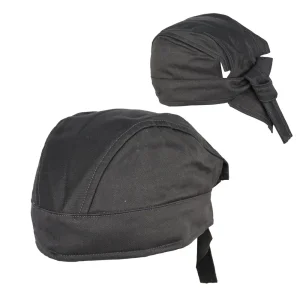
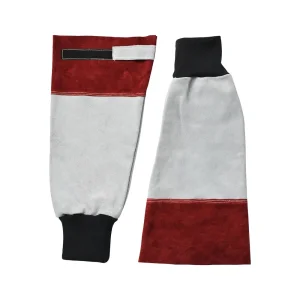
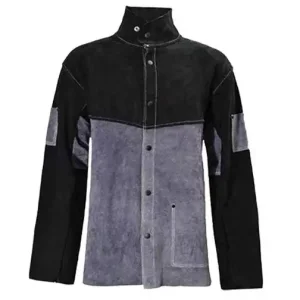
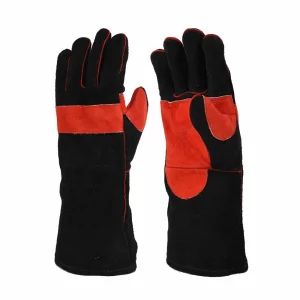
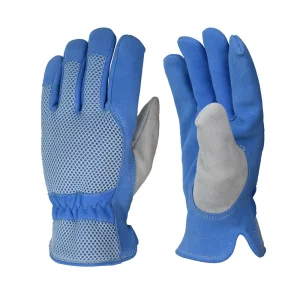
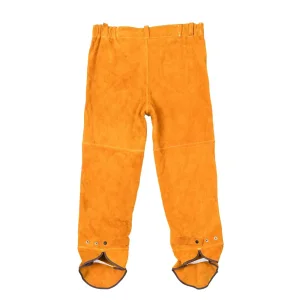
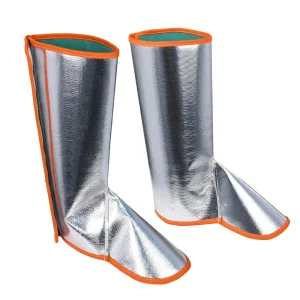
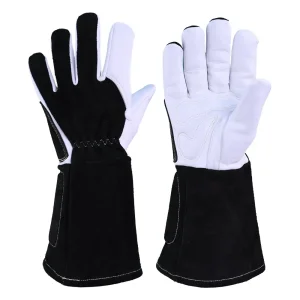
Complete your safety catalog with our factory-direct industrial garments, flame-retardant headgear, split-leather jackets, and heavy-duty arm coverings.
Send your tech pack, CAD pattern specifications, or target market standards. Our Gaozhou engineering office provides structural evaluations, quotation breakdowns, and prototype scheduling within 24 business hours.

