Precision Technical Workwear, Flame-Retardant Multi-Norm Solutions, and Resilient Direct-from-Source Supply Chains for the Elbe Industrial Hub and Global Port Infrastructures.
Engineered for instant deployment across drydocks, heavy vessel maintenance, and offshore terminals in Northern Germany.
A comprehensive examination of structural safety wear adoption within Germany’s maritime gateway, aviation corridors, and expanding green hydrogen infrastructure.
Operating within the Altenwerder and Waltershof terminals demands coveralls capable of surviving heavy mechanical friction, saline corrosion, and alternating thermal exposures. Port maintenance workers, stevedores, and crane technicians require boiler suits conforming to high-visibility directives (EN ISO 20471 Class 3) combined with permanent anti-static properties (EN 1149-5) to mitigate electrostatic sparks near bunkering vessels and volatile petrochemical transfers.
The local market insists on ergonomic gussets and reinforced Cordura knee pads. The high turnover of protective coveralls caused by sub-zero Baltic/North Sea moisture has accelerated demand for treated, weather-resistant yet breathable cotton-polyester and inherently flame-retardant (IFR) twill blends.
Hamburg’s industrial footprint extends beyond the Elbe. The aviation cluster anchored in Finkenwerder imposes strict requirements regarding low-linting, anti-scratch hardware (concealed zippers, press studs without exposed metal rims) to safeguard aircraft fuselages and sensitive carbon-fiber composites during assembly.
Simultaneously, the city's transformation into a central European clean hydrogen and renewable power terminal creates an urgent need for multi-norm protection: arc-flash protection (IEC 61482-2 APC 1 & APC 2) combined with chemical splash resistance (EN 13034 Type 6) for technicians commissioning electrolyzer arrays and offshore substation connections.
Navigating global ESG compliance, circular textile initiatives, and structural supply chain reshoring versus strategic OEM partnerships.
Global regulatory oversight has intensified under Regulation (EU) 2016/425 for Category III risks. Importers cannot rely on unverified test certificates; they need complete technical files, batch-level conformity, and consistent Module D factory audits.
With the European Green Deal and Corporate Sustainability Due Diligence Directive (CSDDD), European procurement heads demand work coveralls designed for disassembly, organic cotton sourcing, and PFAS-free chemical-repellent finishes.
Heavy, rigid 400+ gsm coveralls are declining. The modern standard demands 250–320 gsm aramid/modacrylic/cotton blends offering equal protective indices against heat and spatter while drastically lowering heat exhaustion and fatigue.
| Performance Feature | Standard Commercial Workwear | Ming Shun OEM Industrial Multi-Norm | Target Regulatory Alignment |
|---|---|---|---|
| Flame Retardancy | Topical chemical spray (degrades in 15 washes) | Inherent or FR-treated heavy cotton/aramid twill (>50 washes) | EN ISO 11612 (A1+A2, B1, C1, E2, F1) |
| Welding Splatter Resistance | None / Rapid burn-through | Reinforced dual-fabric split leather / 9 oz FR Cotton | EN ISO 11611 Class 1 & Class 2 |
| Electrostatic Dissipation | Zero antistatic properties | Embedded grid carbon/conductive yarn <2.5 × 10⁸ Ω | EN 1149-5:2018 Performance Standard |
| Arc Flash Thermal Protection | Unrated (Melts onto skin under arc blast) | Tested box test arc classification (APC 1: 4kA / APC 2: 7kA) | IEC 61482-2:2018 / Open Arc ATPV |
| Marine Weather Shield | Absorptive standard twill | Hydrophobic fluorocarbon-free water/oil-repellent finish | EN 13034 Type 6 Chemical Splash |
Anticipating the technological shifts in materials, IoT smart telemetry, and ergonomic mechanics across 2025–2030 industrial operations.
Replacing standard synthetic backings with Tencel-FR and recycled aramid blends to decrease carbon footprints while preserving extreme thermal resilience.
Integrating non-conductive, wash-durable micro-RFID trackers and thermal stress exposure indicators to monitor coverall lifecycle integrity automatically.
Restructuring pelvic and knee panel designs to fit seamlessly with passive ergonomic industrial exoskeletons used in heavy assembly plants.
Deploying advanced plasma surface modifications that deliver permanent oil- and chemical-repellency without using polyfluoroalkyl substances.
Bridging Chinese manufacturing scale with German industrial precision, strict QA protocols, and direct dockside logistics.
German and European sizing profiles (DIN EN 13402) diverge from generic international patterns. As an experienced OEM provider, Ming Shun optimizes garment templates to incorporate European torso proportions, specific crotch drop metrics, arm movement freedom, and safety boot interfaces.
From custom chest pockets tailored for industrial two-way communication equipment to reinforced tool loops and heavy-duty YKK brass dual-direction zippers, each element is fully documented with revisions and approved via initial pre-production physical samples.
Unlike trading intermediaries, our factory infrastructure in Gaozhou spans in-house leather tanning, dying, pattern plotting, high-speed automated fabric cutting, and multi-line assembly. We control base cloth consistency, dye-lot color matching, and Kevlar fire-retardant seam sewing under one roof.
This integrated chain safeguards European safety distributors against material drift across multi-year purchase orders, providing full batch traceability from base yarn to container departure.
Key information regarding technical certifications, OEM volume minimums, fabric selection, and export delivery schedules.
Complete protective apparel, accessories, and thermal gear designed for extreme industrial durability and international distribution.
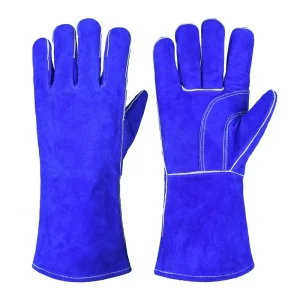
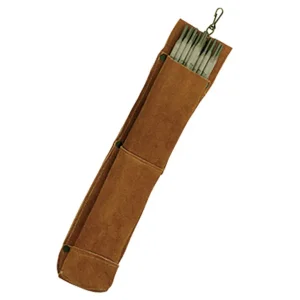
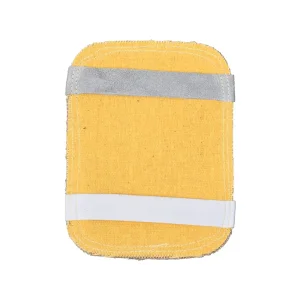
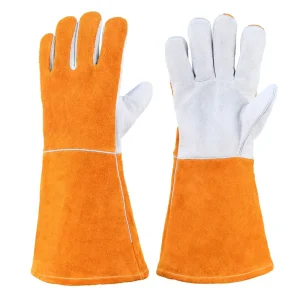
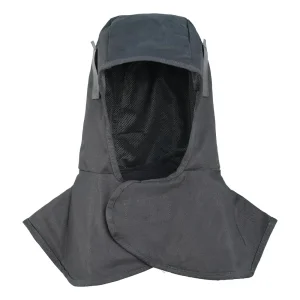
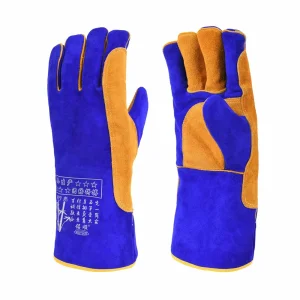
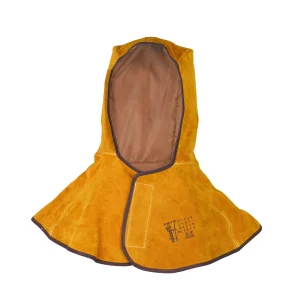
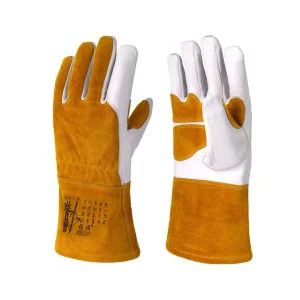
Connect with our technical design team for fabric swatches, tech-pack consultations, standard conformity reviews, and competitive direct-from-source volume pricing.
Send Inquiry Now
