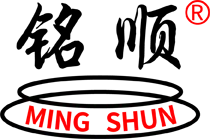
Essential field-tested protective equipment manufactured under strict SASO & Aramco safety compliance protocols, ready for direct project integration across the Central Province.
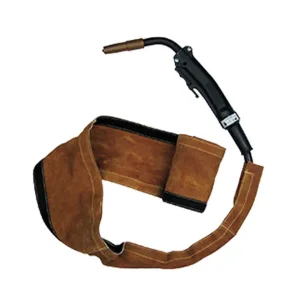
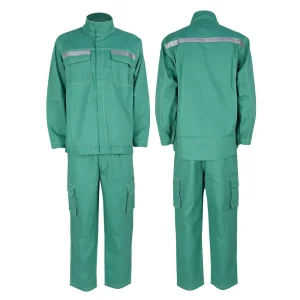
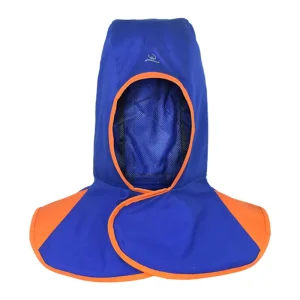
A technical assessment of protective workwear demand surges driven by Saudi Arabia’s Vision 2030, industrial clustering, and climatic operational stresses.
The Riyadh Province has transitioned into one of the world's most capital-intensive construction and heavy manufacturing epicenters. Under the strategic umbrella of the Saudi Vision 2030 economic blueprint, landmark mega-developments—including the New Murabba Project, the King Salman Energy Park (SPARK) logistics corridors, the massive expansion of the Riyadh Metro network, and the Diriyah Gate heritage-industrial framework—have fundamentally recalibrated technical demands for personal protective equipment (PPE), specifically occupational work coveralls and hot-work safety apparel.
Historically, the Saudi commercial market for workwear was dominated by generic, commoditized 100% polyester or untreated poly-cotton boiler suits. However, regulatory frameworks enforced by the Saudi Standards, Metrology and Quality Organization (SASO), coordinated alongside stringent corporate safety specifications from industry giants like Saudi Aramco (9-COM specifications) and SABIC (Safe Work Permit Category 1 & 2), have eliminated room for low-performance workwear. Contractors operating across Riyadh’s Second Industrial City and Al-Kharj industrial corridor now face non-negotiable statutory mandates for permanent flame resistance (FR), arc-flash defense, electrostatic discharge (ESD) suppression, and extreme thermal resilience.
Operating in Riyadh presents a unique physical challenge: hyper-arid thermal environmental load coupled with intense ultraviolet exposure. Ambient temperatures during the June–September fabrication season frequently exceed 50°C (122°F), with solar radiant indexes requiring thermal radiation dampening. When standard protective garments trap metabolic heat, workers face severe risk of heat stroke, triggering high rates of absenteeism, productivity loss, and regulatory intervention under the Saudi Ministry of Human Resources and Social Development’s midday work bans. Consequently, the Riyadh industrial market demands a specialized design paradigm: protective coveralls that maintain verified thermal barrier properties without suffocating the wearer.
Engineered using ultra-durable 7 oz and 9 oz lightweight long-staple cotton blended with moisture-wicking synthetic matrices, achieving high air permeability while delivering certified flash-fire protection.
Full integration of EN ISO 11611 (welding hazards), EN ISO 11612 (heat & flame), and NFPA 2112 certification. Reinforced with select A-grade split cowhide panels in high-spatter impact quadrants.
Continuous woven stainless steel or carbon-core antistatic yarn matrices meeting EN 1149-5 standards, mitigating spark discharges across hazardous petrochemical and gas distribution facilities in Riyadh.
Custom-calibrated coverall assemblies built to withstand the exact mechanical and thermal stresses of central Saudi operational sectors.
Heavy fabrication for the high-rise towers of New Murabba, King Abdullah Financial District (KAFD) retrofits, and Qiddiya entertainment infrastructure.
Long-distance pipeline welding and maintenance connecting Riyadh downstream networks with the Eastern Province oil and gas corridors.
Automated metal stamping, chemical handling, heavy equipment rebuilding, and general manufacturing facilities across Riyadh's industrial zones.
For Riyadh PPE importers, general distributors, and major EPC procurement offices, supply chain fragility represents acute commercial risk. Guangdong Ming Shun Labour Protective Products Co., Ltd. operates a vertically integrated 25-year production campus in Gaozhou, Guangdong—the recognized global capital of heavy-duty leather and safety garments.
Complete control over raw bovine hide grading, chrome-free split tanning, dyeing, and chemical treatment ensures zero batch variation across high-volume container deliveries.
Equipped with specialized programmable CAD fabric cutting, ultrasonic bonding, and high-tenacity industrial sewing machines, achieving an output exceeding 500,000 glove pairs and tens of thousands of technical garments monthly.
Streamlined multimodal sea-freight corridors from Nansha/Shenzhen ports to King Abdulaziz Port (Dammam) and straight through bonded rail transport to Riyadh Dry Port within 18–22 days transit.
As industrial safety regulations advance toward digitalization, our product development roadmap introduces cutting-edge material science tailored directly to the evolving requirements of the Gulf Cooperation Council (GCC).
Integration of latent heat-absorbing PCM liners within heavy split-leather welding chest aprons and coveralls, dynamically absorbing body heat above 36°C to extend safe working windows under peak Arabian sun.
Heat-resistant UHF RFID tags embedded within internal seam zones, enabling automated industrial laundry tracking to verify remaining flame-retardant lifecycle compliance up to 100 industrial washes.
Transitioning toward low-carbon organic cotton bases treated with durable non-toxic organophosphorus FR chemistry, aligning with Saudi Green Initiative carbon reduction mandates without sacrificing EN ISO 11611 Level 2 protection.
Removing customs friction, inspection hurdles, and procurement risks through comprehensive pre-shipment documentation.
Importing protective coveralls and leather hot-work gear into the Kingdom of Saudi Arabia requires precision compliance. Under the modern SALEEM (Saudi Product Safety Program) and its digital backbone, the Saber electronic platform, non-certified shipments face immediate quarantine or re-export at Saudi customs terminals.
Ming Shun eliminates supply chain bottlenecks by maintaining pre-cleared, laboratory-verified conformity documentation. Every batch of work coveralls, hybrid welding jackets, and protective accessories is produced to meet or surpass the regulatory parameters enforced across major international and regional governance bodies:
Full provision of Product Certificate of Conformity (PCoC) and Shipment Certificate of Conformity (SCoC) via accredited third-party notified bodies (Intertek, SGS, TUV), ensuring rapid customs clearance at Riyadh and Dammam ports.
Certified Class 1 and Class 2 flame spread resistance, radiant heat transfer index (RHTI), impact of molten splashes, and tear strength compliance verified under rigorous ISO 17025 accredited laboratory test matrices.
Engineered for flash fire protection and arc thermal performance value (ATPV / HRC 2 ratings) meeting American National Standards, widely specified by Aramco, SABIC, and multinational engineering contractors.
Beyond certifications, our OEM/ODM partnership model supports local Saudi distributors through flexible custom branding (embossed leather emblems, reflective vinyl transfer, military-grade woven insignia), customized Arabian sizing patterns (modified chest, armhole, and inseam allowances accommodating regional wear habits), and flexible payment and container-consolidation programs.
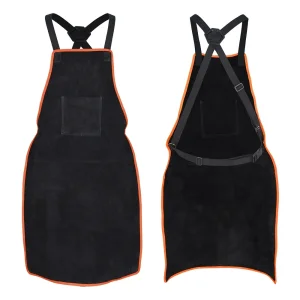
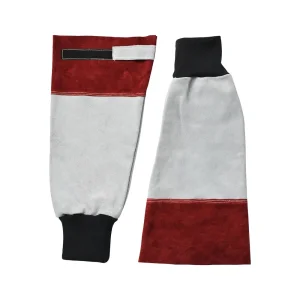
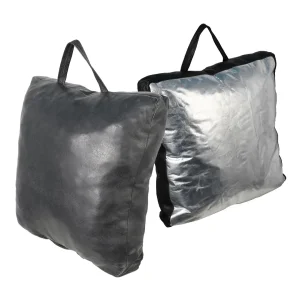
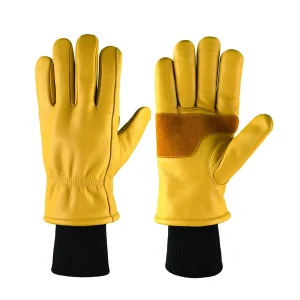
Comprehensive protective components completing head-to-toe thermal safety systems for welding workshops, structural yards, and petrochemical facilities.
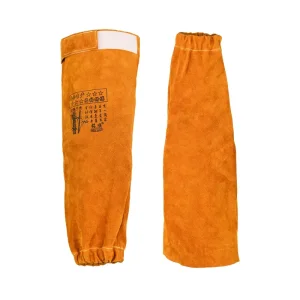
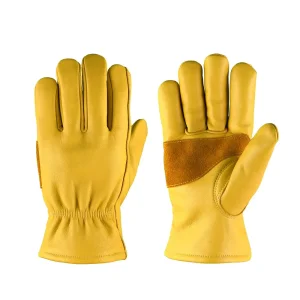
Practical guidance on regulatory compliance, material choices, delivery schedules, and OEM customization parameters.
We work directly with certified conformity assessment bodies recognized by SASO (such as Intertek and SGS). We issue model-specific test reports and assist your licensed Saudi entity in generating the required Product Certificate of Conformity (PCoC) and Shipment Certificate of Conformity (SCoC) prior to container departure, eliminating clearance delays at King Abdulaziz Port or Riyadh Dry Port.
For high-heat operations (exceeding 45°C ambient), we recommend our specialized 7.0 oz (approx. 240 gsm) or lightweight 6.5 oz inherently flame-retardant or Proban/Pyrovatex-treated cotton blends. These textiles feature open-pore weave structures delivering exceptional moisture vapor transfer (breathability) while satisfying EN ISO 11612 A1+A2, B1, C1 thermal protection parameters.
Yes. Over 80% of our production is dedicated OEM/ODM. We execute customized corporate pantone color-matching, localized embroidery (Arabic/English dual script), specialized heat-sealed or direct-embossed company insignias, customized zip pulls, and bilingual packaging bags complying with Saudi Ministry of Commerce labeling standards.
Our standard MOQ for custom-manufactured FR coveralls is 1,000 units per color/style, while leather jackets and specialty gloves start at 500 units/pairs. Pre-production physical samples are delivered within 7–10 days via DHL/FedEx. Standard bulk manufacturing cycle spans 30–45 days post sample sign-off, supporting scheduled recurring shipments.
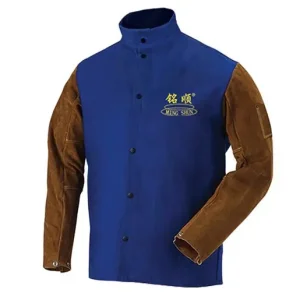
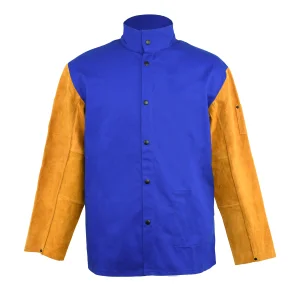
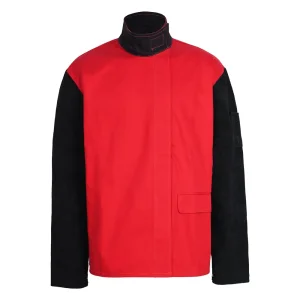
Full split cowhide suits provide maximum spatter armor but cause severe heat exhaustion during outdoor central Saudi operations. Our hybrid jackets (such as the MS-1260 and MS-287) utilize premium split cowhide across the chest, forearms, and shoulders where slag strikes occur, combined with high-grade breathable FR cotton across back and torso quadrants, reducing overall garment weight by up to 40% while preserving crucial impact defense.
Yes. Our FR treated and inherent aramid fabrics undergo pre-shrunk mercerization treatments. Stitching utilizes triple-needle Kevlar® or high-tenacity FR meta-aramid threads with reinforced bar-tacks. They sustain industrial tunnel washing at 60°C to 75°C without exceeding the 3% dimensional shrinkage threshold or losing protective chemical bonds up to 50–100 laundry cycles.
Eliminate intermediary markups, mitigate supply disruptions, and equip your workforce with fully verified, SASO-ready industrial workwear and leather protective armor engineered directly by Ming Shun.