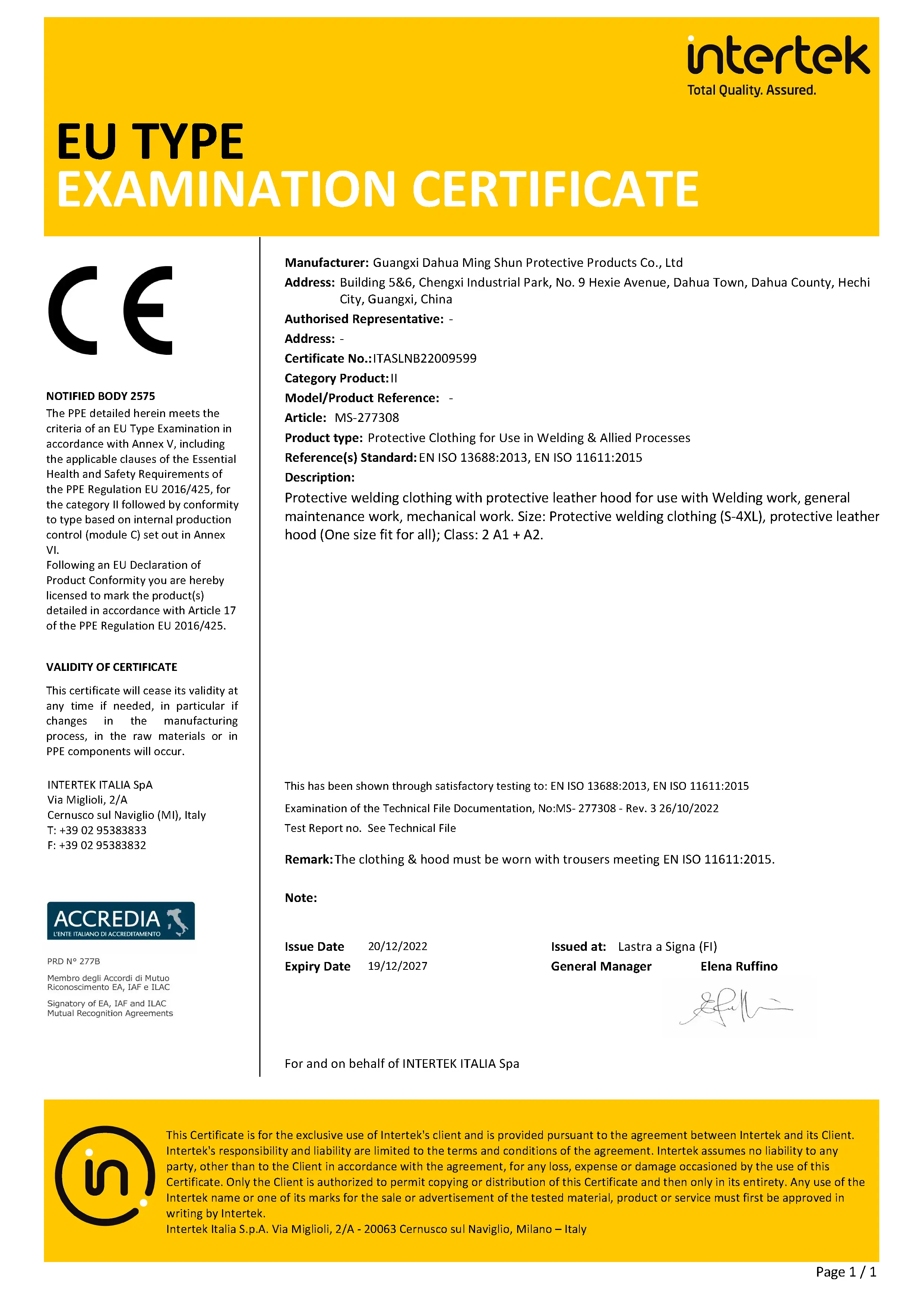
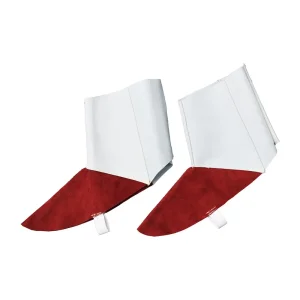
Pre-configured heavy split cowhide and radiant heat protective spats built to exceed EN ISO 11611 welding spatter thresholds in humid tropical operations.
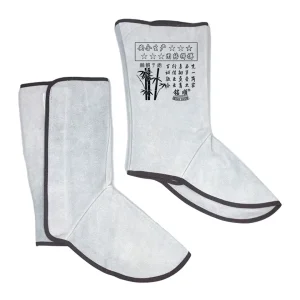
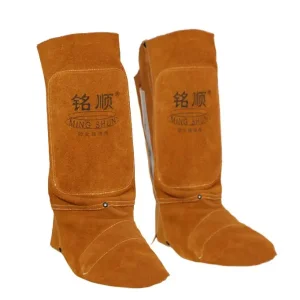
Evaluating personal protective equipment dynamics across South Asia’s pivotal maritime logistics gateway and expanding heavy construction sector.
Sri Lanka’s strategic posture along prime East-West maritime routes has established the island nation—anchored by the Port of Colombo, Hambantota International Port, and the ongoing Colombo Port City development—as a premier regional hub for maritime drydock repair, vessel conversions, and specialized heavy engineering. Historically, local workshop operators and subcontractors frequently relied on basic canvas coverings or uncertified regional leather scrap for lower limb protection. However, stringent occupational safety audits driven by global Lloyd's Register marine classifications and foreign EPC contractors have transformed demand.
In humid tropical climates with annual relative humidity exceeding 75–85%, standard safety boots are severely vulnerable. Molten welding spatter, metal slag droplets, and thermal gouging debris lodge directly into lace eyelets and burn through boot tongues within seconds. Welding spats provide the decisive defense line between the welder's lower leg and boot construction. For Sri Lankan procurement directors, sourcing factory-direct split cowhide spats reinforced with Kevlar® aramid stitching is no longer merely a maintenance expense—it is a mandatory risk mitigation asset to eliminate disabling burn incidents and prevent costly project downtime.
Continuous submerged-arc and flux-cored arc welding on heavy vessel hulls exposes technicians to aggressive downward slag showers where specialized ankle protection is mission-critical.
Bridges, highway overpasses, and high-rise commercial structures across the Western Province require welders to work in awkward elevated positions where spatter falls directly onto the instep.
Light-to-medium metal tooling, automotive component fabrication, and machinery assembly in Katunayake and Biyagama zones demanding strict ISO compliance and worker health records.
Understanding raw hide procurement, tanning integration, and digital pattern cutting in delivering world-class cost leadership.
The global welding personal protective equipment industry is transitioning through a massive consolidation toward unified international standards. European and North American engineering consortiums operating overseas no longer accept generic leather accessories without clear material traceability. Contemporary procurement tenders mandate compliance with EN ISO 11611 (Class 1 and Class 2), specifying strict parameters for tear resistance, dimensional stability against hot impact, limited flame spread, and electrical resistance.
Spats serve as dynamic joint articulators. Unlike static body shields, spats endure constant bending, contact with hot slag debris on workshop concrete, and exposure to corrosive sweat. Global buyers require leather selections that balance 1.2mm–1.4mm thickness with flexibility, treated with specialized chrome-tanning processes to prevent thermal stiffening and cracking over repeated heating and cooling cycles.
As a leading Chinese OEM/ODM welding protection specialist located in Gaozhou, Guangdong, Ming Shun achieves significant cost and quality advantages through end-to-end vertical integration. By running proprietary in-house raw hide processing, specialized split cowhide sorting, and computer-guided hydraulic die-cutting lines, we eliminate markups from third-party leather brokers.
A deep comparison of split cowhide, grain leather, aluminized laminates, and fastening hardware suited to high-humidity coastal operations.
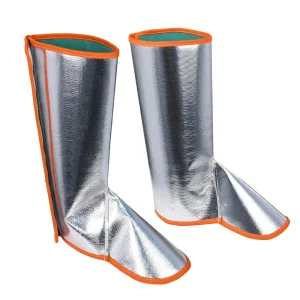
When selecting OEM spats for deployment across Sri Lanka’s shipyards, foundries, and EPC projects, procurement officers must balance mechanical durability against operator ergonomics. Heavyweight cowhide delivers optimal slag deflection, whereas aluminized surfaces reflect extreme radiant heat in confined foundry spaces.
| Material Construction | Thermal Spatter Threshold | Humidity / Mildew Resistance | Recommended Sri Lanka Applications |
|---|---|---|---|
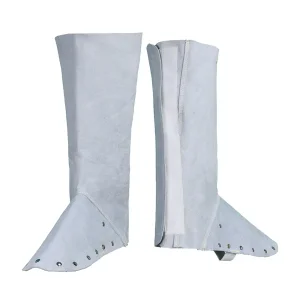
| Heavy Premium Split Cowhide (1.3–1.5mm) | High molten splatter resistance (EN ISO 11611 Class 2) | Specialized mineral-tanned to inhibit fungal deterioration | Ship repair drydocks, heavy offshore pipe fabrication, structural welding |
| Aluminized Heat-Reflective Rayon / Split Leather | Radiant heat deflection up to 1000°C | High non-porous outer surface, wipes clean easily | Steel foundries, induction furnace operations, heavy casting workshops |
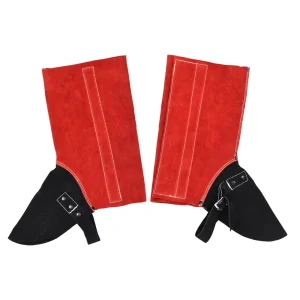
| Lightweight Cowhide + Quick Release Buckles | Moderate sparks and light spatter (Class 1) | Rapid drying properties with ventilated ankle clearance | TIG/MIG precision fabrication, EPZ manufacturing, maintenance workshops |
Direct-from-factory catalog of certified welding spats, protective jackets, and premium high-dexterity workwear tailored for volume procurement.
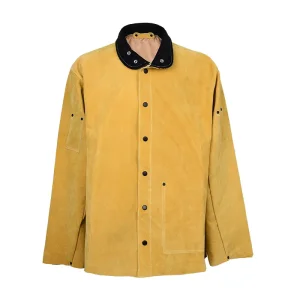
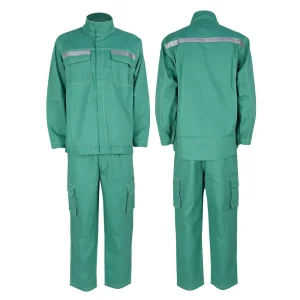
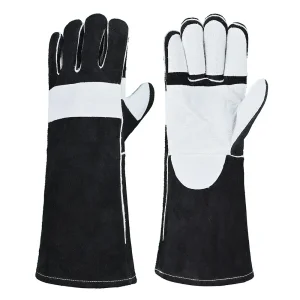
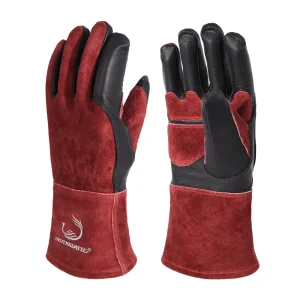
Essential guidance covering export logistics, tropical humidity resistance, custom branding, and international compliance certification.
Our raw bovine hides undergo specialized anti-mildew treatment and precision drying during the drum-dyeing phase at our Gaozhou tannery. Finished spats are vacuum-sealed with food-grade moisture desiccants and export-packed inside double-corrugated sea-freight cartons designed specifically to withstand high-humidity transits through the Indian Ocean without fungal degradation or hardware oxidation.
Yes. We offer fully customizable closure mechanisms including high-durability Hook-and-Loop (Velcro®), heavy-duty brass press studs, steel under-boot wire cables, and rapid quick-release composite buckles. These allow safety inspectors to adjust spat tension seamlessly over standard European or South Asian safety work boots.
Our factory is located strategically in Guangdong Province, providing swift access to major maritime export ports including Shenzhen (Yantian/Shekou) and Guangzhou (Nansha). Direct container shipping lines offer transit times of approximately 14 to 18 days to the Port of Colombo. Typical OEM sampling takes 5–7 days, with bulk production cycles completed in 30–45 days.
Absolutely. We provide comprehensive OEM private label services including heat-stamped leather logos, woven rubber branding badges, customized multi-language packaging, barcoding, and destination shipping markings conforming directly to your corporate distribution requirements.
Every spat batch is backed by official CE documentation, ISO 9001 quality certificates, and verifiable EN ISO 11611 test summaries verifying tear resistance, flame spread compliance, and thermal transmission behavior.
Connect with our technical export engineering department to receive immediate FOB/CIF Colombo quotations, sample swatches, and complete technical specifications.
Send Inquiry Now