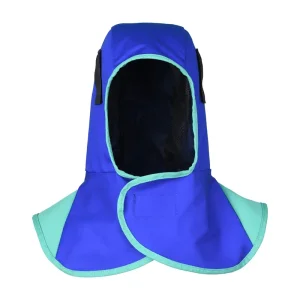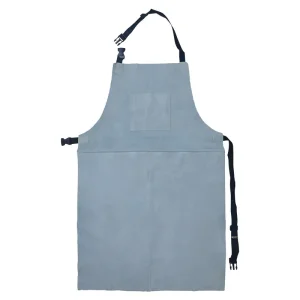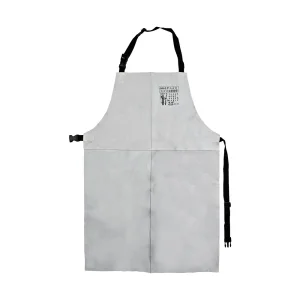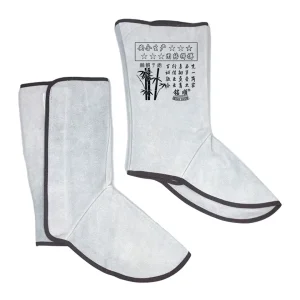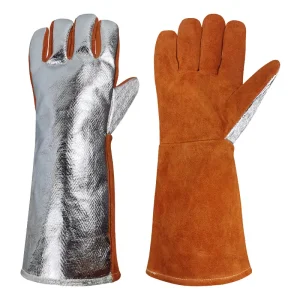
Engineered for high-amperage duty cycles, metallurgical slag deflection, and ergonomic fatigue reduction across demanding industrial assembly setups.
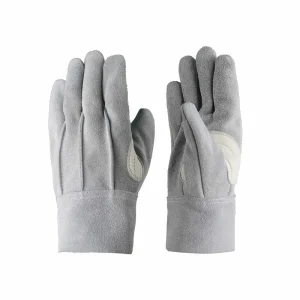
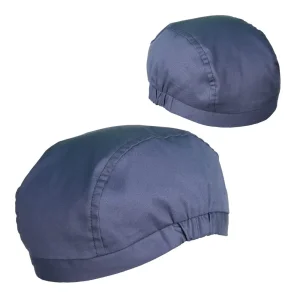
The global welding safety market is shifting from commoditized split leather gloves to engineered, application-specific PPE solutions that harmonize extreme thermal insulation with micro-tactile dexterity.
The worldwide industrial welding hand protection sector is expanding rapidly, fueled by mega-infrastructure investments, naval shipbuilding, automated automotive factories, and wind-turbine manufacturing. Procurement teams are moving away from multi-tier trading brokers in search of verified Tier-1 OEM direct manufacturing facilities in order to stabilize material batch quality and guarantee continuous regulatory compliance across Europe, North America, and APAC.
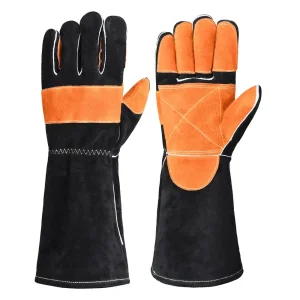
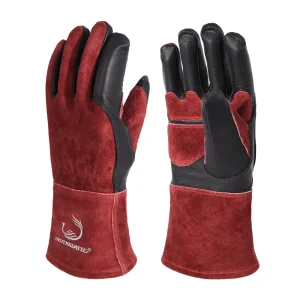
Standard heavy split hides are no longer sufficient for precision robotics-assisted welding. Current market trends demand hybrid compositions: supple top-grain goatskin palms for sensory feedback during wire feeding, paired with heat-reflective aluminized backhand panels (e.g., model MS-738O) and cut-resistant para-aramid (Kevlar®) inner liners to resist thermal radiation up to 500°C without stiffening or delaminating.
Regulatory bodies across the EU (EN ISO 11611, EN 12477 Type A & B) and the Americas (ANSI/ISEA 105) are enforcing rigorous chemical testing, particularly regarding azo dyes, Chromium VI (Cr VI) limits (<3 mg/kg), and pH skin-neutral levels. Ming Shun maintains strict in-house leather processing and closed-loop environmental tanning to guarantee batch-consistent toxicological safety and mechanical durability.
Selecting the optimal leather grain is essential for mitigating occupational hand trauma while matching specific thermal and tactile production requirements.
| Leather Substrate | Tensile & Abrasion Resistance | Tactile Dexterity Rating | Contact Heat Ceiling | Primary Industrial Application |
|---|---|---|---|---|
| Heavy Split Cowhide (Grade A) | Exceptional (EN 388 Level 4) | Moderate (EN 420 Level 1-2) | 350°C – 500°C (Multi-layered) | MIG/FCAW, Submerged Arc, Heavy Structural Steel |
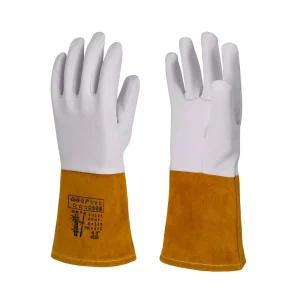
| Top-Grain Goatskin | High Puncture, Moderate Wear | Maximum (EN 420 Level 5) | 100°C – 150°C | Precision TIG (GTAW), Aerospace Tubing, Electronics |
| Aluminized Cowhide Composite | Extreme Radiant Shielding | Moderate | Radiant >1000°C, Contact 350°C | Foundry Casting, Slag Skimming, Plasma Arc Gouging |
| Full-Grain Pigskin | Porous, High Moisture Resiliency | High Flexibility | 200°C – 250°C | Humid & Oily Fabrication, Offshore Pipeline Installation |
End-to-end protective equipment solutions customized to environmental thermal stresses, regional compliance mandates, and ergonomic workflow challenges.
Subsea and naval hull construction expose welders to continuous salt spray, high relative humidity, and cramped confined-space conditions. Our solution integrates specialized chromium-tanned pigskin and cowhide with anti-fungal water-resistant coatings, preventing leather hardening from moisture exposure while providing robust cut protection against sharp plasma-cut edges.
Modern high-speed robotic automotive lines require rapid manual intervention for structural tack-welding and MIG touch-ups. Workers switch between welding torches and computerized pneumatic tooling. Ming Shun delivers ergonomic 3D keystone-thumb patterns with goatskin index fingers to maximize sensitivity, eliminating the hazardous habit of removing gloves to operate touchscreens or gauges.
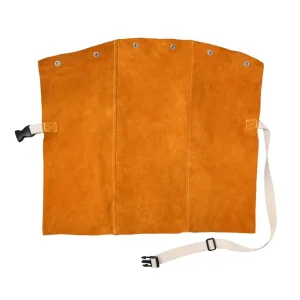
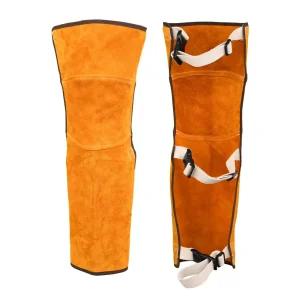
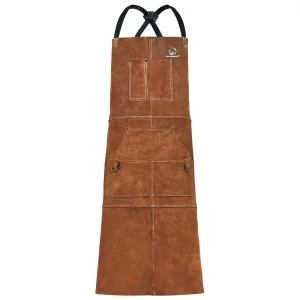
Handling molten metal, thermal lancing, and heavy steel continuous-casting operations involves radiant heat exceeding 800°C and explosive slag splatter. Our macro solution combines full-split cowhide with aluminized heat-deflection backs (model MS-738O), aramid fireproof thread seams, and full-length spats and aprons to seal out flying spark ingress across critical burn zones.
Continuous evolution in chemical engineering, smart monitoring, and sustainable manufacturing shaping the future of global hand safety.
Transitioning to 100% bio-based chrome-free vegetable/synthetic hybrid tanning chemistries. Eliminating heavy metal effluent, achieving non-detectable Cr VI levels, and reducing water usage by 35% without degrading split leather heat resistance.
Integrating ultra-thin aerogel interlinings beneath cowhide knuckles. This reduces overall glove thickness by 40% while doubling contact heat resistance times under 500°C exposure, significantly easing operator hand strain during prolonged shifts.
Developing non-invasive thermal threshold indicator strips and stress sensors integrated within aramid stitching lines to alert industrial safety dispatchers to micro-tears or excessive core temperatures during enclosed hazardous operations.
Detailed technical, compliance, and OEM operational answers addressing common requirements from procurement directors and safety engineers.
EN 12477 Type A gloves provide higher thermal insulation, mechanical cut, and puncture resistance, making them ideal for heavy MIG, submerged arc, and stick welding where tactile dexterity can be lower. Type B gloves prioritize higher flexibility and fingertip sensitivity with thinner leather (such as supple goatskin) for delicate TIG welding, while meeting reduced minimum mechanical thresholds.
Standard polyester or nylon threads decompose and burn at temperatures between 180°C and 220°C, leading to structural seam burst when exposed to sparks or slag. Kevlar® and para-aramid threads are heat-stable up to 450°C, non-melting, and offer three times the tensile cut strength of synthetic threads, keeping seams intact through extreme heat and mechanical load.
Hexavalent Chromium formation occurs when trivalent chromium salts oxidize under ultraviolet light, heat, or unstable tanning pH. Ming Shun prevents this through closed-loop drum tanning with high-grade organic vegetable tannins, pH-neutral washing agents, and antioxidant additives, consistently certifying Cr VI non-detectable (<3 mg/kg) under ISO 17075 testing.
Standard catalog orders start at 1,200 pairs per SKU. For custom private-label runs—including client-branded hot-stamping, custom color dyeing, and custom pattern grading—the MOQ is typically 3,000 pairs. Counter-samples are delivered within 7 to 10 days, and full container volume lead times run 40 to 45 days after final sign-off.
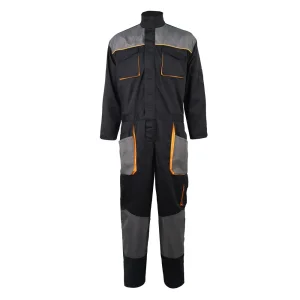
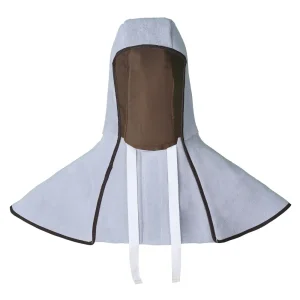
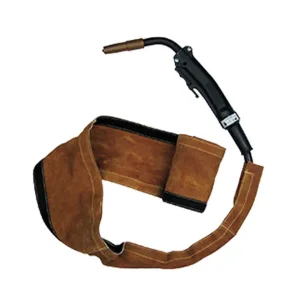
Complete protective gear systems engineered to safeguard body, limbs, and critical workshop cables against extreme radiant heat and sparks.