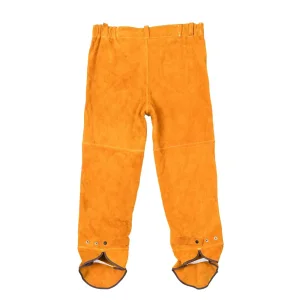
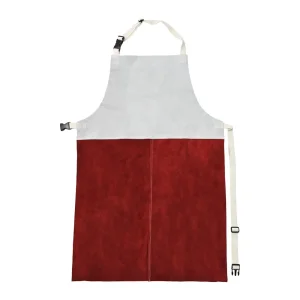
Engineered for extreme thermal resistance, mechanical resilience, and long-shift worker ergonomics.
Navigating raw material supply chain disruptions, regulatory compliance, and total lifecycle economics in PPE procurement.
Global raw hide grading and leather processing face escalating supply chain fluctuations. By consolidating tanneries, chemical treating facilities, and precision cutting workshops within our Gaozhou complex, we eliminate upstream intermediary markups and stabilize long-term export agreements.
Enterprise procurement teams across the European Union and North America must satisfy strict ESG, REACH, and occupational liability standards. We provide direct third-party test reports, verifiable batch origins, and fully compliant raw material processing certifications without bureaucratic delays.
Procuring low-grade protective gear results in accelerated replacement turnover, frequent occupational injury downtime, and workers bypassing uncomfortable PPE. Our ergonomic split-leather and Kevlar®-stitched configurations deliver up to 3.2x extended service lifespans in heavy abrasive environments.
Targeted ergonomics, heat dispersion matrices, and mechanical reinforcement engineered for high-consequence industries.
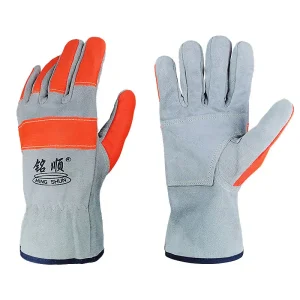
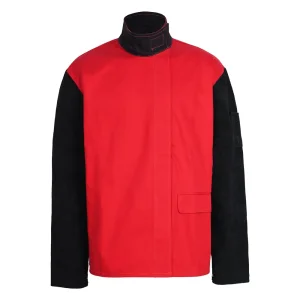
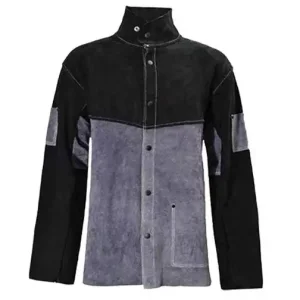
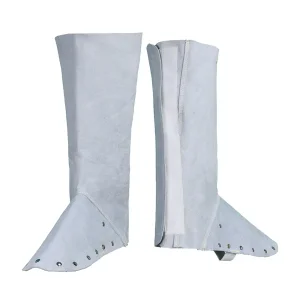
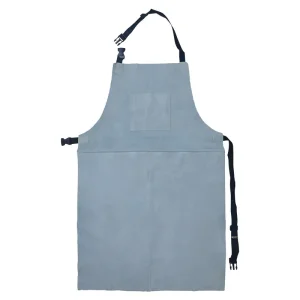
MIG, Submerged Arc, and Flux-Core applications demand maximum radiant reflection and molten spatter rejection. Utilizing premium A-grade split cowhide stitched with flame-resistant Dupont Kevlar® prevents seam splitting under continuous high-amperage heat.
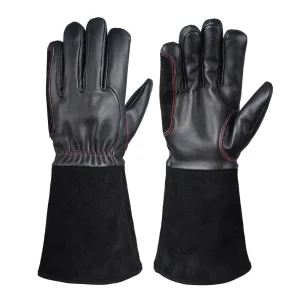
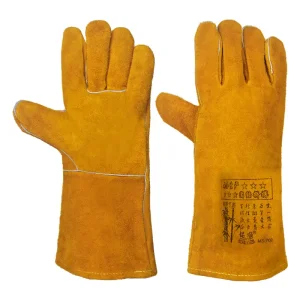
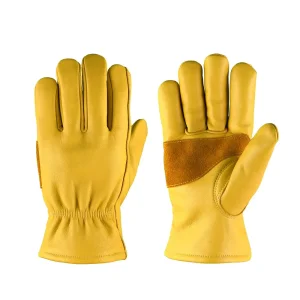
Exacting weld pool control requires micro-tactile dexterity without sacrificing arc burn mitigation. Premium goatskin and deerskin grain structures allow seamless filler-rod feeding, exceptional flexibility, and uncompromised fingertip sensitivity.
Extreme thermal conduction risks require multi-tier composite linings. Integrating aluminized radiant back-pads, insulating fleece layers, and oil-repellent leather shields protects metallurgy crews from conductive and convective thermal hazards.
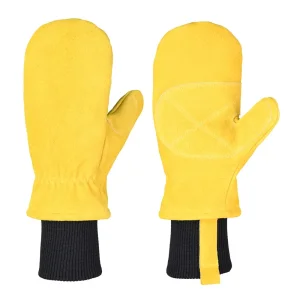
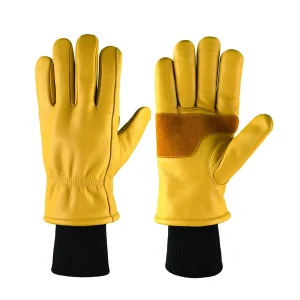
Outdoor fabrication, energy pipeline construction, and cryogenic processing demand dual barrier thermal mittens and work gloves. Engineered with water-repellent shell treatments and Thinsulate™ grade layers for sustained sub-zero utility.
Engineered to exceed mandatory regional safety requirements across European, North American, and Asia-Pacific markets.
| Regulatory Standard | Protection Scope | Ming Shun Engineering Standard | Testing Verification Protocol |
|---|---|---|---|
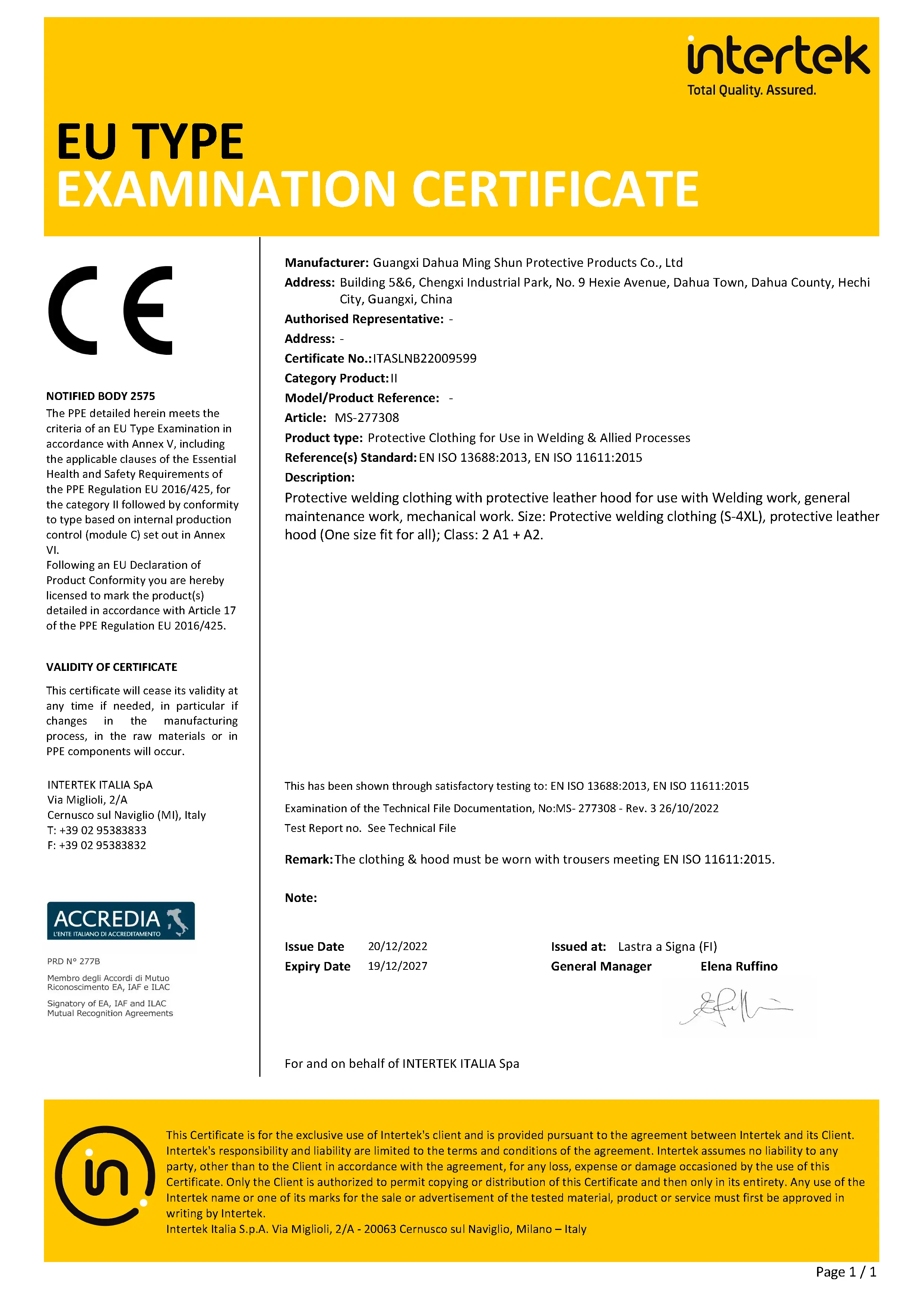
| EN ISO 11611:2015 | Protective clothing for welding and allied processes | Class 1 & Class 2 split cowhide and 9 oz FR flame-resistant fabrics | Third-party notified bodies (CE certified ISO/IEC 17025 accredited labs) |
| EN 12477:2001+A1:2005 | Protective gloves for welders (Type A & Type B) | Type A (Heavy fabrication) & Type B (High-flexibility TIG goatskin) | Convective heat, contact heat (up to 350°C), radiant exposure, molten splash |
| EN 388:2016+A1:2018 | Mechanical risk resistance (Abrasion, Cut, Tear, Puncture) | Reinforced double palms, seamless thumb crotch, Kevlar® composite core | Martindale abrasion test, Coupe cut test / ISO 13997, drop tear validation |
| ANSI/ISEA 105-2020 | North American Hand Protection Mechanical Performance | Cut resistance Level A2-A5, puncture resistance Level 3-5, abrasion Level 4 | ASTM F2992-15 cut protocol; ASTM F1342 puncture probe evaluation |
| ISO 9001:2015 | Production quality management and supply consistency | Complete ERP-managed raw hide selection, dye lot control, and inline QC | Annual international accredited surveillance audits & lot tracking |
Leading the transformation in eco-conscious chemistry, hybrid composites, and digitised supply chains.
Migrating enterprise leather production lines to organic aldehyde and vegetable-based tanning chemistries. Eliminating heavy metal runoff ensures fully eco-compliant operations while reducing contact dermatitis risks for workers during extended shifts.
Merging high-tensile aramid knits with targeted cowhide palm wear-pads. This breakthrough architecture decreases glove weight by up to 28% and enhances hand articulation without lowering EN 388 Level 4 abrasion resistance.
Embedding high-temperature QR serialization on internal product tags. Distributors and site safety directors can instantly verify raw batch production dates, compliance certificates, and safety datasheets via handheld mobile scanning.
Direct factory clarity on technical customization, container logistics, quality assurance, and distributor programs.
We are a primary manufacturer operating our fully equipped production facility in Pukang Industrial Park, Gaozhou City, Guangdong, China. With 25+ years in dedicated PPE production, we manage raw leather tanning, precise dying, cutting, sewing, and final packaging under unified internal quality control.
Initial technical pack development and counter-sample sign-offs are completed within 7 to 10 working days. Bulk container production for protective gloves (typically 500,000+ pairs monthly output capacity) averages 35 to 45 calendar days following lab-dip and spec approval.
Yes. We regularly calibrate leather thickness from 1.0mm to 1.6mm across split cowhide, top grain cowhide, goatskin, and pigskin. Stitching selections include 3-ply Kevlar® aramid fire-retardant threads, heavy-duty bonded nylon, and double-stitched reinforcements at all stress nodes.
Every shipment is verified against CE (EN ISO 11611, EN 12477, EN 388) and ANSI/ISEA 105 parameters. Our in-house laboratory conducts batch tests for seam pull strength, heat transmission, and chrome VI chemical neutrality, accompanied by verifiable Certificate of Analysis documentation.
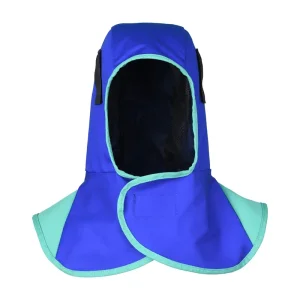
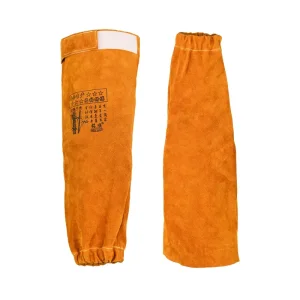
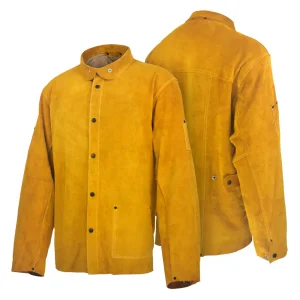
Engineered for comprehensive personal body protection in the most demanding hot-work fabrication environments.