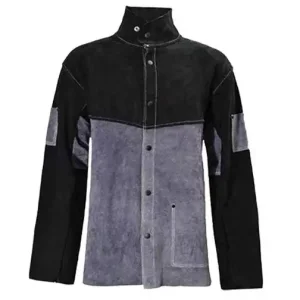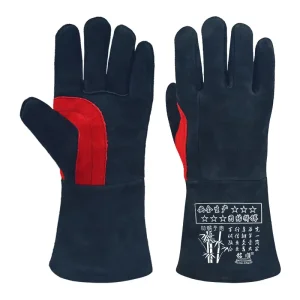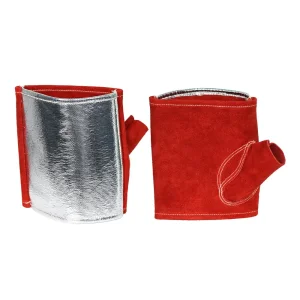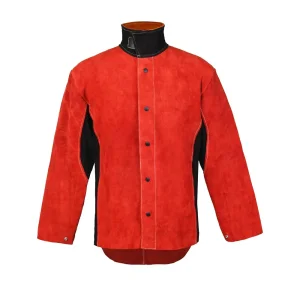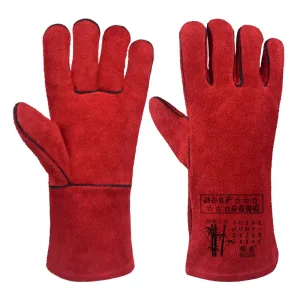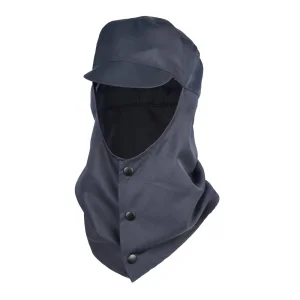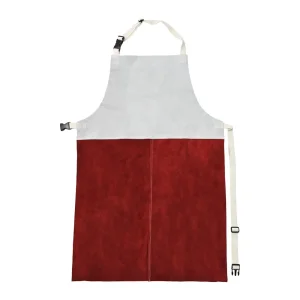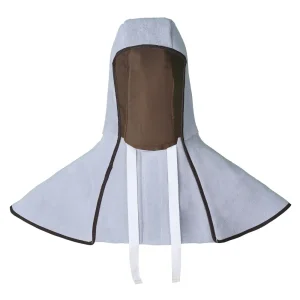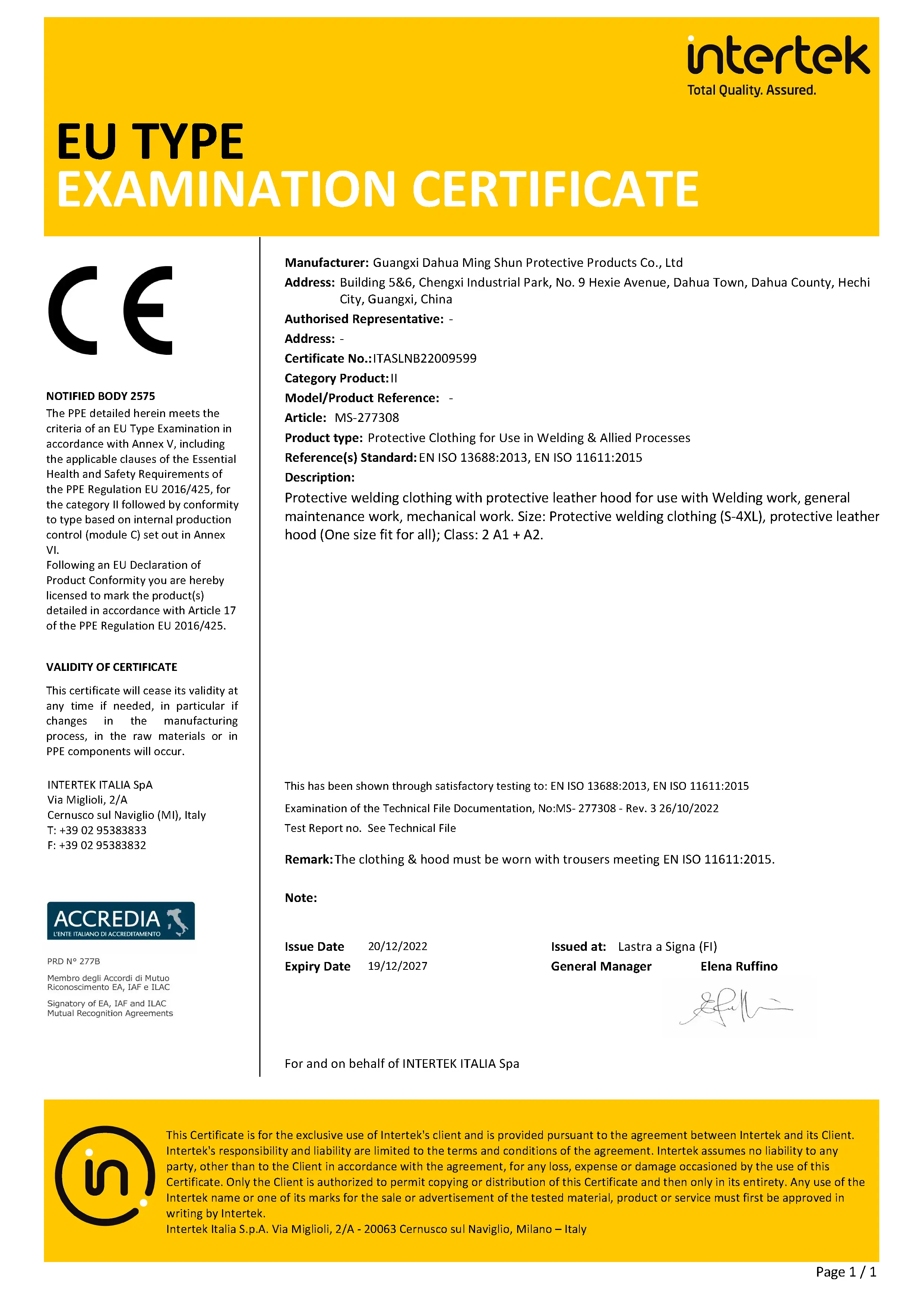
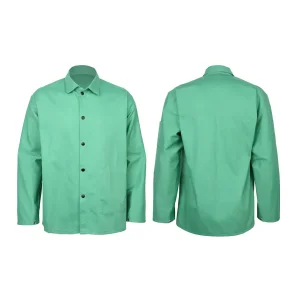
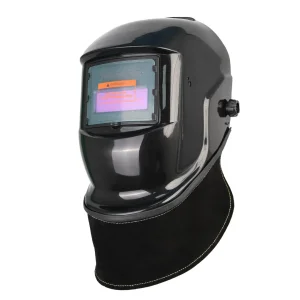
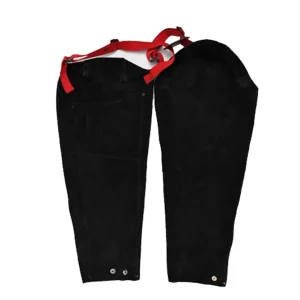
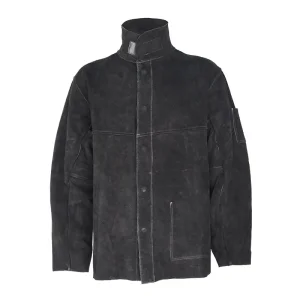
Verified flame-retardant chassis and certified leather protective apparel ready for smart heating module integration and OEM customization.
The convergence of extreme climatic anomalies and hazardous work regulations is driving an industry-wide transition from passive heavy layering to active, intrinsically regulated smart workwear.
Traditional sub-zero thermal mitigation relies on bulky, 4-to-5-layer fleece and treated wool setups. This bulk restricts physical dexterity by up to 38%, triggering worker fatigue, reduced range of motion, and heightened accident rates in tight industrial crawl spaces and pipeline rigs.
In petrochemical and heavy fabrication environments, non-flame-resistant off-the-shelf commercial heated jackets are sometimes illicitly layered under workwear. These consumer electronics present grave arc flash ignition hazards, runaway risks, and lethal toxic melt-drip injuries.
Global regulatory bodies (OSHA, EN, ISO) enforce stringent standards such as NFPA 70E, NFPA 2112, and EN ISO 11612. Industrial operators mandate unified PPE chassis offering dual-certified arc/flash-fire shielding paired with safe, intrinsically certified low-voltage heating circuitry.
How Guangdong Ming Shun integrates military-grade carbon nanotube (CNT) elements into flame-retardant industrial workwear without sacrificing mechanical durability.
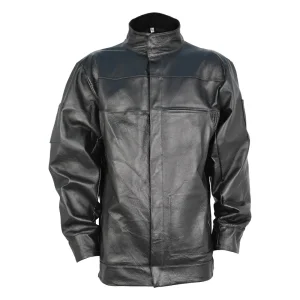
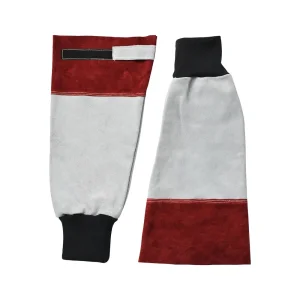
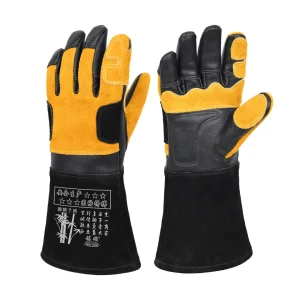
Outer shells are built from 9 oz/12 oz inherently flame-resistant cotton twill, Kermel aramid, or split cowhide. All sewing utilizes Kevlar core-spun threads. Under high-heat exposure, the fabric chars into an insulating carbon barrier without molten dripping or secondary flash ignition.
Replacing fragile metallic wires with flexible Carbon Nanotube (CNT) membranes. These pads deliver 98% infrared thermal conversion efficiency, withstand 50+ commercial wash cycles, flex repeatedly without resistance degradation, and provide uniform warmth across kidney, chest, and spinal zones.
Battery enclosures feature UL94-V0 fire-resistant housings and NTC thermistor microcontrollers that lock peak internal garment temperatures at 55°C (131°F). The integrated circuit cuts power automatically in the event of short-circuit, over-current, or voltage drops.
Engineered to resolve the thermal and safety demands of specialized field personnel operating in Arctic, maritime, and hazardous industrial conditions.
Deployed across Alberta, North Sea rigs, and Alaska's North Slope. Personnel operate in ambient conditions down to -40°C while facing Class 1 Div 2 combustible hydrocarbon vapor zones requiring ATEX/IECEx intrinsically safe thermal control.
Cross-country pipeline tie-ins require hours of stationary posture in freezing environments. Heated jackets sustain blood circulation in welders' extremities, preserving steady hands for critical API 1104 X-ray pass weldments.
Sub-zero emergency line repairs demand NFPA 70E-compliant arc thermal performance (ATPV ≥ 8 cal/cm²). Active heating keeps utility crews mobile without bulky layers that risk snagging in elevated bucket trucks.
Winter structural block fabrications expose ironworkers to fierce coastal winds. Split-cowhide and FR cotton hybrid heated bodies resist grinding sparks while internal heating panels maintain comfortable core body temperatures.
Headquartered in Gaozhou, Guangdong, Guangdong Ming Shun Labour Protective Products leverages 25+ years of end-to-end manufacturing to insulate global supply chains from price volatility.
Unlike assembly-only contractors, Ming Shun operates raw-hide tanning, chrome-free split cowhide treatment, precision dyeing, and FR chemical immersion in-house. This gives clients strict batch-to-batch color stability, consistent tensile strength, and optimized direct-from-factory FOB pricing.
Our strategic Guangdong footprint provides streamlined access to tier-one micro-electronics and battery management system (BMS) suppliers. This proximity accelerates prototyping turnarounds, with engineered tech-pack heating revisions completed within 7 to 10 working days.
Every heated garment production lot undergoes rigorous multi-tier testing: vertical flame spread chamber testing (ASTM D6413), 2,000-cycle heating circuit bend assessments, insulation resistance evaluations, and continuous burn-in load inspections under sub-zero conditions prior to packing.
Full-scale certification tracking guarantees cross-border acceptance across North American and European heavy industrial supply lines.
Flash fire and arc flash safety verification. Evaluated for char length, after-flame duration, heat transfer performance (HTP), and arc thermal performance value (ATPV) to maintain life-saving personal protection on industrial jobsites.
European standards governing protective clothing for welding, allied processes, and heat-exposed labor. Rigorous third-party lab documentation covering dimensional stability, radiant heat resistance, and molten spatter defense.
Commercial power pack and battery cell compliance. Lithium polymer battery packs are verified under impact, overcharge, puncture, and high-vibration stresses to eliminate internal thermal runaway risks.
Electromagnetic compatibility validation ensures heating elements generate zero electromagnetic interference with high-frequency TIG welders, non-destructive testing (NDT) gear, and jobsite telemetry sensors.
Detailed insights for safety gear distributors, contract brand developers, and enterprise procurement managers.
The jacket is built with multi-layer separation: an outer shell of treated FR cotton (or Kevlar-stitched cowhide) that will not ignite or melt, followed by an internal flame-retardant thermal layer separating the worker's skin from the micro-heating elements. In the event of an arc flash or electrical arc fault, the outer shell absorbs thermal energy while the battery microcontroller cuts heating power in milliseconds.
Using high-density 7.4V or 12V 10,000mAh certified lithium-polymer cell packs, output is regulated across three smart heat levels. On Low setting (38°C/100°F), battery runtimes reach 9 to 11 continuous hours. Medium setting (45°C/113°F) delivers 6 to 7 hours, and High setting (55°C/131°F) provides 3.5 to 4.5 hours of intense targeted heat.
Yes. Our heating arrays utilize waterproof IP67-sealed wiring joints, encapsulated carbon nanotube membranes, and silicone-encased switch panels. When the battery pack is disconnected and its pocket zipped closed, the jackets can be machine-washed under industrial cold/warm wash cycles without damaging heating conductivity or safety performance.
For fully customized OEM/ODM heated apparel programs (custom patterns, tech packs, designated heating pad layouts, and custom embroidery or leather embossing), our baseline MOQ starts at 300 to 500 units per style. For in-line standard FR chassis styles, lower MOQ pilot runs are supported for enterprise client field trials.
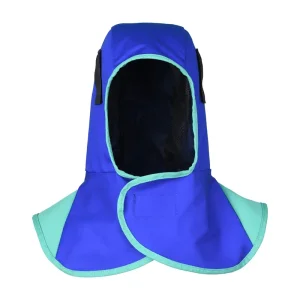
Complementary heavy-fabrication protection, heat-resistant accessories, and specialty workwear from our Gaozhou production facility.