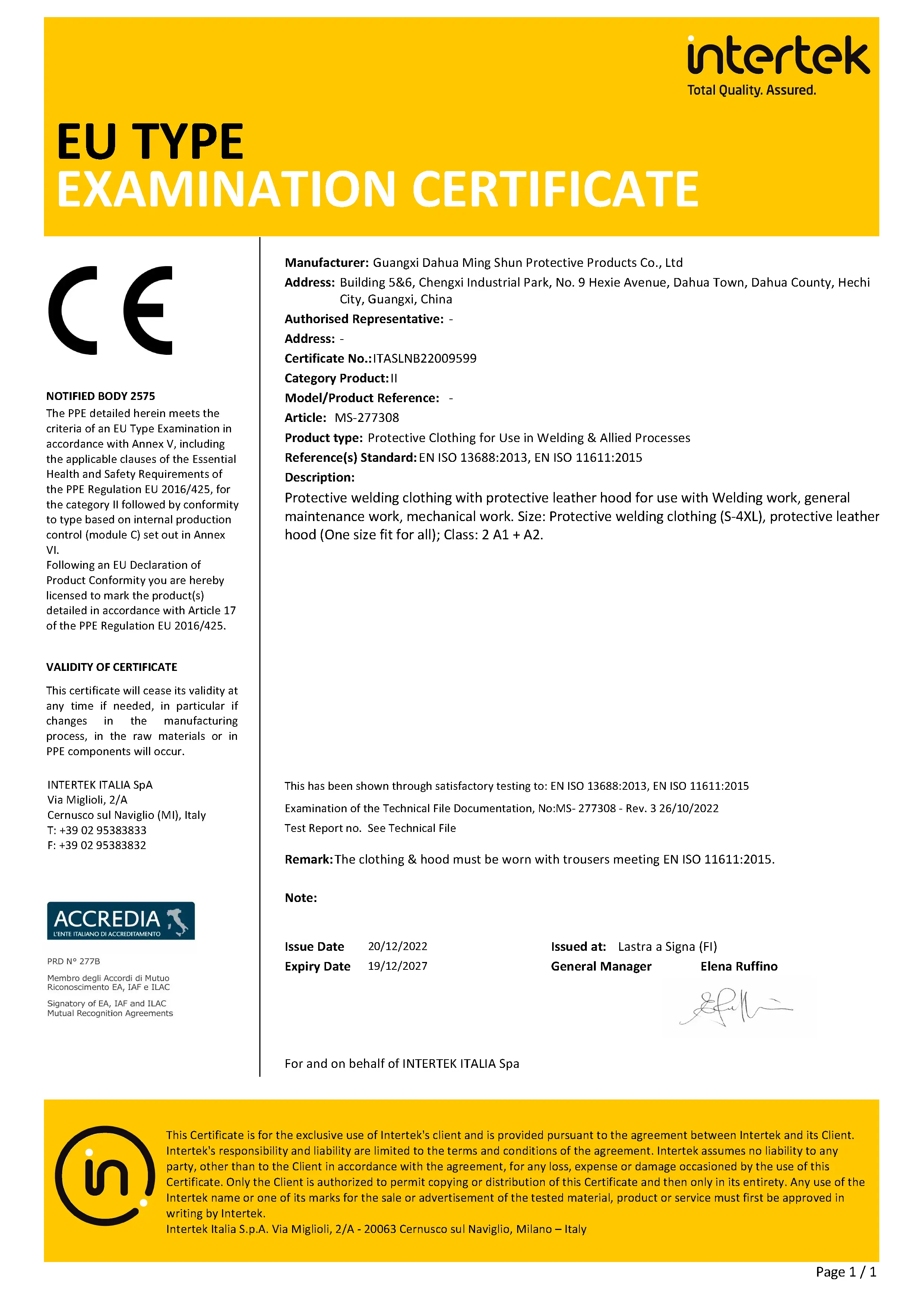
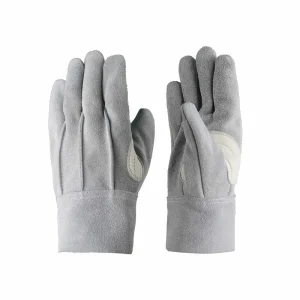
Factory-calibrated protective solutions engineered to withstand extreme spatter, radiant thermal exposure, and continuous mechanical stress.
Resolving systemic safety discrepancies through true anthropometric grading and advanced fabric metallurgy.
Women currently represent 14.8% of global energy fabrication workers and over 12% of structural welding specialists. The historic procurement approach of downsizing unisex or male garments results in significant loose-fabric burn risks, excessive sleeve bulk, and compromised thermal protective arcs.
Ill-fitting Flame Resistant PPE directly correlates to increased snagging around rotating plant equipment and secondary burns caused by unsealed sleeve cuffs. Ming Shun's female-patterned engineering introduces altered torso tapers, optimized bust fullness, and relocated articulation gussets that preserve dexterity.
International safety frameworks—including OSHA 1910.132, EN ISO 11611 (Classes 1 & 2), NFPA 2112, and NFPA 70E—now emphasize garment integrity under actual operational movement. Off-spec sizing creates unintended mechanical tensions that compromise thermal air pockets during Flash Fire incidents.
Comprehensive technical matrix detailing the physical and thermal parameters of Ming Shun OEM women's protective solutions.
| Material Architecture | Areal Weight | Certified Standards | ATPV / Thermal Rating | Optimized Female Use Case |
|---|---|---|---|---|
| Treated FR Cotton (Ammonia Cured) | 7.0 oz - 9.0 oz | NFPA 2112, ASTM F1506, EN ISO 11611 | 8.6 - 12.1 cal/cm² (CAT 2) | High-dexterity MIG/TIG stations requiring unhindered thoracic motion and breathability. |
| Inherent FR Modacrylic / Cotton Blend | 6.5 oz - 8.5 oz | NFPA 70E, EN ISO 11612, EN 1149-5 | 9.4 - 14.0 cal/cm² (CAT 2) | Petrochemical petrochemical maintenance; permanent molecular-level wash resistance. |
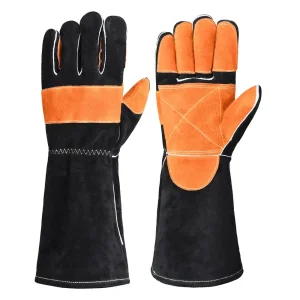
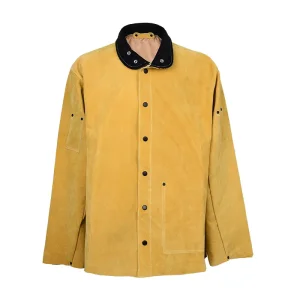
| Premium Split Cowhide (In-House Tanned) | 1.1 mm - 1.3 mm | EN ISO 11611 Class 2, EN 388 (4244X) | Extreme Contact Heat (>500°C) | Heavy fabrication, positional pipe welding, and overhead spatter resistance. |
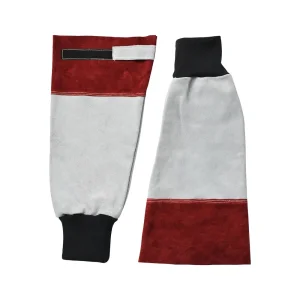
| Hybrid FR Cotton / Pigskin Sleeves | 9.0 oz + 0.9 mm | EN ISO 11611 Class 1/2, NFPA 2112 | Composite Multi-Risk Arc Rating | Balance of core thermoregulation with arm abrasion shielding against sharp steel. |
| Aluminized Core Rayon Matrix | 14.0 oz | EN ISO 11612 C3-C4, D3, E3 | Radiant Reflection >95% | Foundry pour floors, industrial blast furnace inspection, and extreme radiant forge work. |
Unisex garments cause fabric gathering at the waist when belted, acting as a shelf for hot spatter and grinding sparks. Our CAD patterns calibrate the shoulder-to-waist-to-hip gradient, narrowing the shoulder yoke and widening the pelvic sweep to avoid bunching.
Sewn throughout with high-tenacity, tri-ply DuPont™ Kevlar® or Nomex® aramid threads. Every structural seam features double-welted or triple-felled lockstitching that prevents seam splitting when exposed to continuous UV radiation and molten slag.
All snap buttons, zippers, and hook-and-loop enclosures utilize covered storm-flap configurations. Melamine non-conductive snaps and FR-backed zippers isolate skin from accidental electrical arc bridging and molten drop accumulation.
Tailoring specific women's protective configurations to regional operational realities and environmental parameters.
Conditions: Extreme summer ambient heat coupled with flash fire (NFPA 2112) and arc flash (NFPA 70E) compliance mandates.
Applied Solution: Lightweight 6.5 oz - 7.0 oz moisture-wicking inherent FR coveralls featuring tailored feminine gusseting and mesh-backed underarm venting to reduce core heat exhaustion.
Conditions: High humidity, windchill, and heavy offshore structural pipe welding under EN ISO 11611 Class 2 parameters.
Applied Solution: Heavy cowhide hybrid welding jackets reinforced with waterproof-breathable internal thermal membranes and customized arm lengths designed for female welders working in confined jackets.
Conditions: High radiant heat, abrasive dust, and strict daytime/nighttime high-visibility AS/NZS 4602.1 mandates.
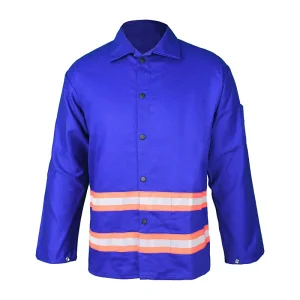
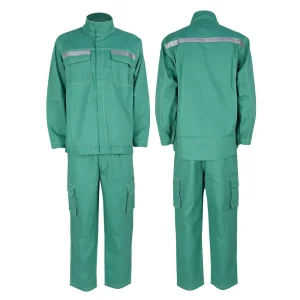
Applied Solution: Multi-norm hi-vis FR cotton jackets and work trousers with articulated knees, tapered lower leg profiles, and bio-motion flame-retardant retroreflective striping.
Controlling every variable from raw hide tanning to digital pattern nesting inside Guangdong's premier protective manufacturing cluster.
Unlike trading companies or cut-and-sew subcontractors, Guangdong Ming Shun operates proprietary leather processing facilities. We select premium cowhide and goatskin hides, controlling chromium bath parameters, fatliquoring, and heat stabilization. This guarantees uniform tensile strength (minimum 15 N/mm² tear resistance) and uniform dye penetration across large recurring production batches.
Female workwear patterns require precise grading across non-linear sizing scales (XS to 4XL). Our automated computerized nesting and laser-guided cutting tables optimize hide utilization while ensuring tight dimensional tolerances (+/- 2mm). High-volume standard contracts clear within 45 days, while customized OEM pilot runs sample within 7 business days.
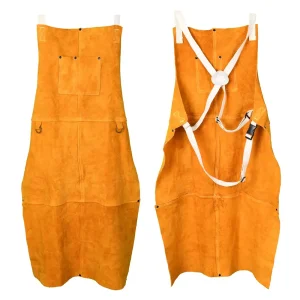
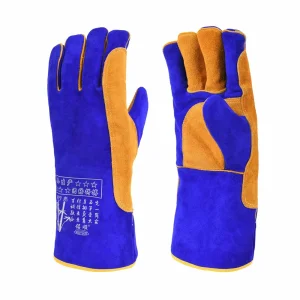
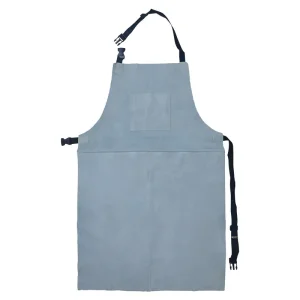
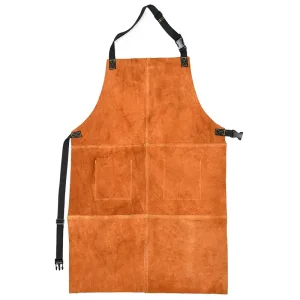
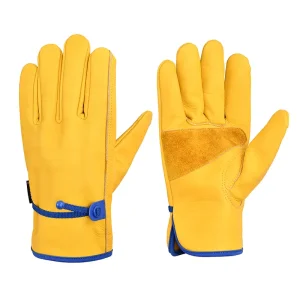
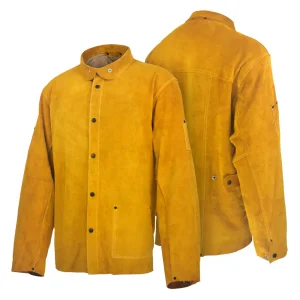
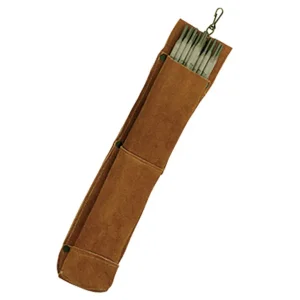
Supporting total workshop coverage with factory-direct accessories, split leather spats, and custom welders' protective gear.
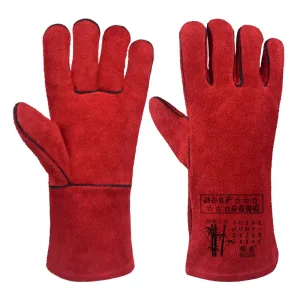
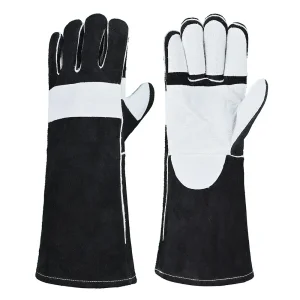
Eliminating customs holds and liability pitfalls through model-specific technical documentation and continuous QA testing.
Every style batch is validated through international testing institutes (such as SATRA, SGS, or TÜV). We provide complete Declarations of Conformity (DoC), test certificates for vertical flame spread (ISO 15025), dimensional stability across 50 industrial washes, and electrical arc exposure data sheets.
For large enterprise distributor brands, we integrate individual production batch QR codes and wash-resistant labels. Enterprise end-users can verify factory test date, fiber content, and maximum certified laundry cycles right from their smartphone on the job site.
Recognizing the closer direct skin contact associated with women's fitted workwear, all leathers and textile finishes are strictly tested for Hexavalent Chromium (Cr VI < 3ppm), banned Azo dyes, and free formaldehyde, ensuring compliance with EU REACH and OEKO-TEX® standards.
Answers to critical questions regarding sizing standards, minimum orders, flame testing durability, and private-label manufacturing.