Heavy-duty leather apparel, ergonomic MIG/TIG gauntlets, and high-visibility FR apparel constructed for zero-burn-through durability across extreme industrial workloads.
The global welding personal protective equipment (PPE) sector has transitioned from disposable utility commodities to certified, highly specialized engineering garments driven by robotic hot-work synergy, tighter ESG governance, and standardized thermal threat classifications.
Safety boards worldwide (OSHA 1910.252 in North America, EN ISO 11611 Class 1/Class 2 across Europe, and AS/NZS 4824 in APAC) enforce multi-tier liability protection. Modern supply chains demand verified test metrics for spark ignition latency, convective heat transfer indices (HTI), and tear force thresholds rather than generic material claims.
Global original equipment manufacturers and national distributors are moving away from multi-tiered brokerage houses. Direct alignment with vertically integrated leather tanneries and automated pattern-cutting facilities ensures consistent tensile yield, non-fluctuating chromium control, and dependable containerized lead times.
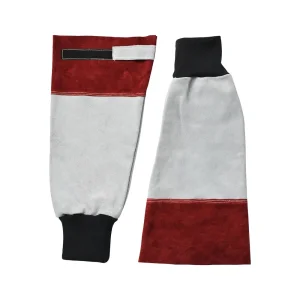
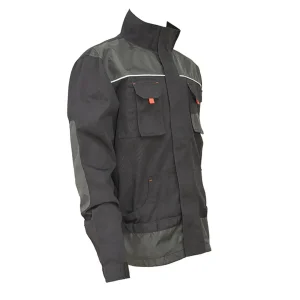
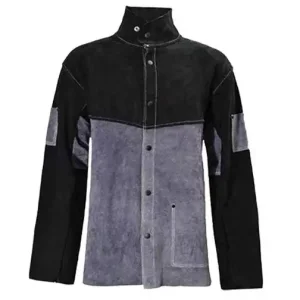
Pure split leather jackets, while thermally impervious, impose significant ergonomic weight burdens exceeding 2.8 kg. The fastest-growing industrial procurement category centers on hybrid configurations: combining 9 oz to 11 oz treated FR cotton torsos with strategically placed A-grade split cowhide sleeves and Kevlar bar-tacking.
Examining the manufacturing paradigms shifting industrial welding gear from brute physical barriers to dynamic, reactive high-dexterity safety architecture.
Chemical polymer crosslinking transforms staple cotton fibers into durable flame-resistant matrices that sustain carbonaceous char barriers across 50+ wash cycles without degrading softness or electrical resistance.
Addressing EU REACH environmental annexes, tannery processes have deployed organic vegetable and synthetic glutardialdehyde tanning protocols, preserving split cowhide tensile density while minimizing heavy metal leachable residues.
Kinematic 3D pattern digitization models arm swing angles during overhead stick and orbital flux-cored arc welding (FCAW). Articulated underarm gussets reduce sleeve pullback and wrist exposure by up to 88%.
Welding hazards are rarely uniform. Successful PPE deployment hinges on tailoring leather weight, garment closure mechanics, and thermal insulation to localized operational realities.
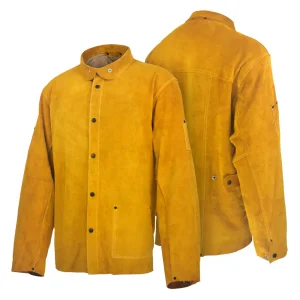
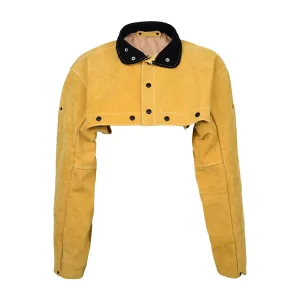
Salt spray, high relative humidity, and confined spaces require leather welding jackets with rust-resistant brass dielectric snaps, moisture-treated cowhide to avoid hardening, and detachable shoulder drapes protecting against hot slag pool entrapment during vertical up welds.
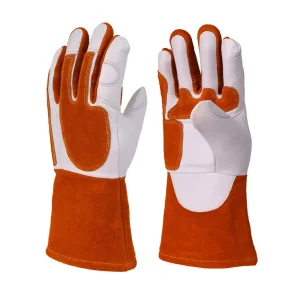
Technicians balancing short-duration manual spot welding with robotic cell intervention demand ultra-flexible goatskin TIG gauntlets and 7 oz AR/FR cotton coveralls that prioritize mechanical puncture resistance without inducing heat exhaustion in climate-controlled facilities.
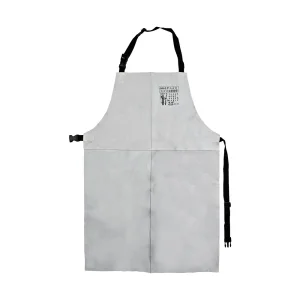
High-amperage (350A+) Submerged Arc and Flux-Cored setups generate massive radiant thermal fluxes. Operators deploy full-coverage 1.3mm split cowhide chaps, bib aprons, aluminized back-hand deflection shields, and Kevlar thread-reinforced boot spats.
A reference engineering matrix for enterprise safety directors and wholesale distributors to map application hazards directly to technical garment builds.
| Garment Class | Primary Material Matrix | Radiant / Flame Standard | Optimal Process Match | Key OEM Configuration |
|---|---|---|---|---|
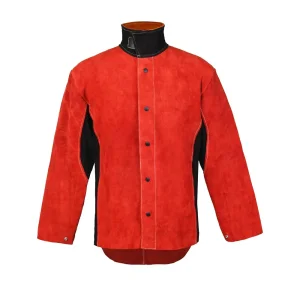
| Heavy Leather Jacket | 1.2 - 1.4 mm Selected Split Cowhide | EN ISO 11611 Class 2 (A1+A2) | Heavy MMAW, Gouging, FCAW | Kevlar Stitching Stand-up lined collar, reinforced rivets |
| Hybrid FR/Leather Coat | 9 oz FR Cotton + Cowhide Sleeves | EN ISO 11611 Class 1, ASTM F1506 | MIG (GMAW), Light Maintenance | Breathable Torso Underarm aeration eyelets, snap cuffs |
| One-Piece Coveralls | 7 oz / 9 oz Cotton Twill with FR Treatment | NFPA 2112, EN 1149-5 (Antistatic) | Pipeline, Utilities, Turnarounds | Hi-Vis Compliant Dual-direction heavy brass zip, elastic waist |
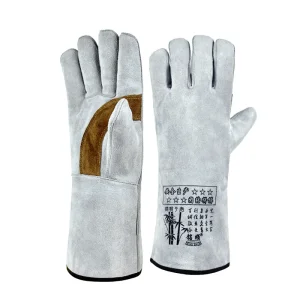
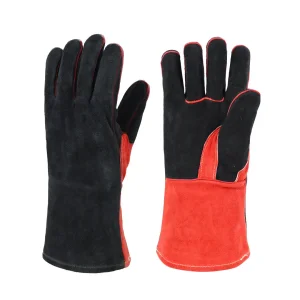
| Precision TIG Glove | Grain Goatskin Palm + Cowhide Cuff | EN 12477 Type B, EN 388:2016 | Gas Tungsten Arc (TIG / GTAW) | Max Dexterity Seamless index trigger, 4" gauntlet protection |
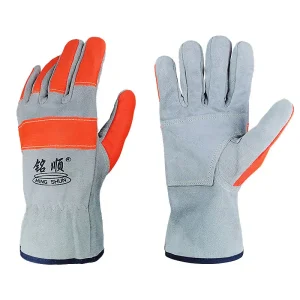
| Heavy Gauntlet Glove | Heavy Split Cowhide + Fleece Foam Line | EN 12477 Type A, ANSI/ISEA 105 Level 3 | High-Amperage Stick, Heavy MIG | Thermal Insulation Reinforced thumb saddle, fully welted seams |
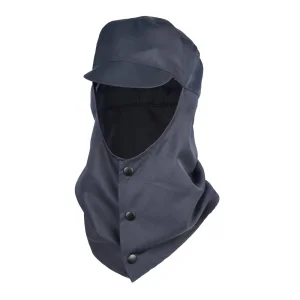
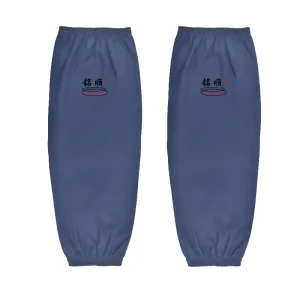
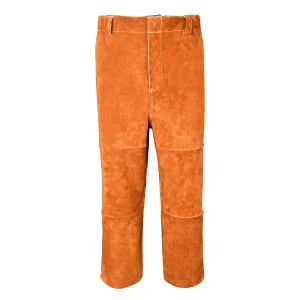
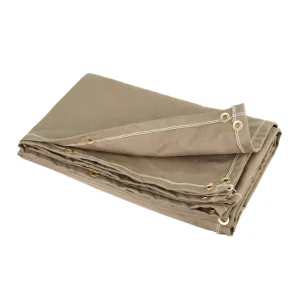
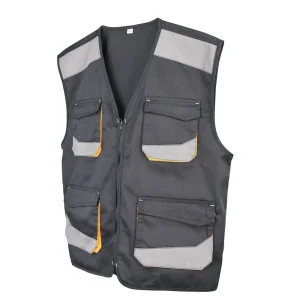
Precision-tailored industrial garments, trousers, spark deflection blankets, and secondary heat barriers to complete private-label catalog distribution.
Authoritative answers covering raw material grading, certified quality standards, private-label sampling, and logistics assurance directly from our production engineers.

