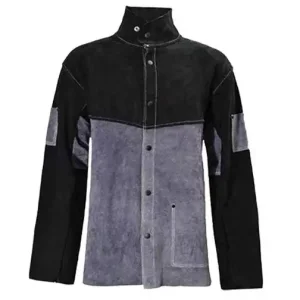
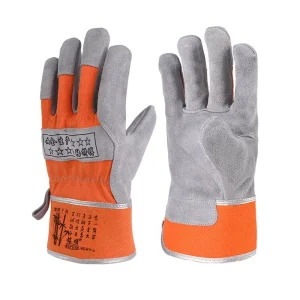
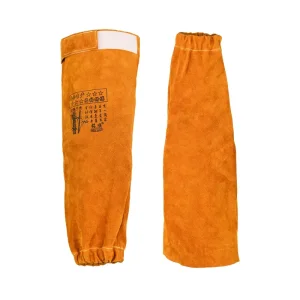
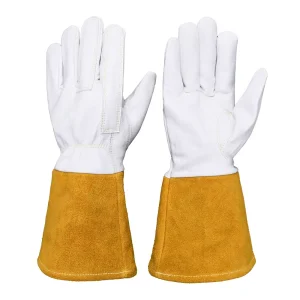
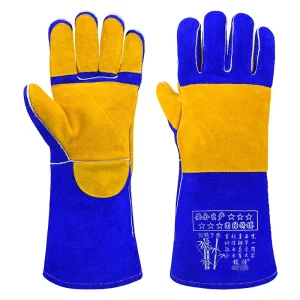
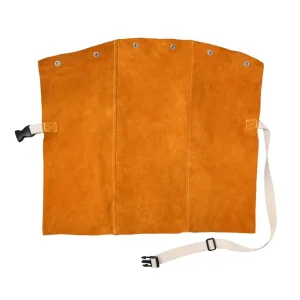
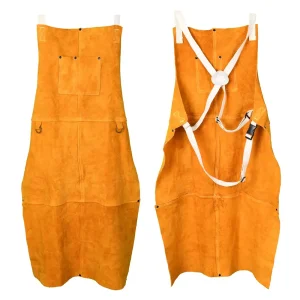
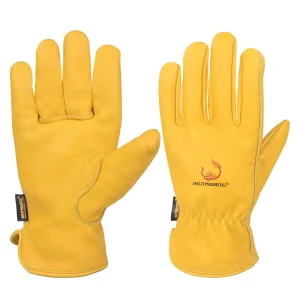
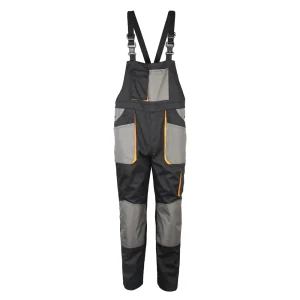
Direct sourcing portfolio built with high-density cowhide, FR modacrylic/cotton, and specialized cold-climate ergonomic patterning.
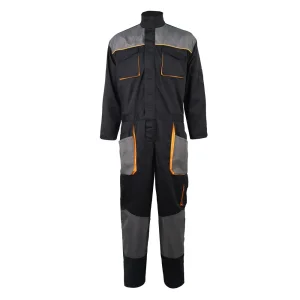
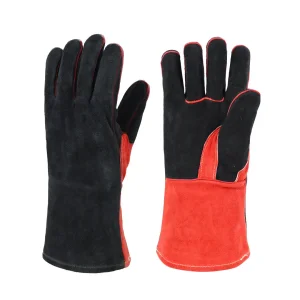
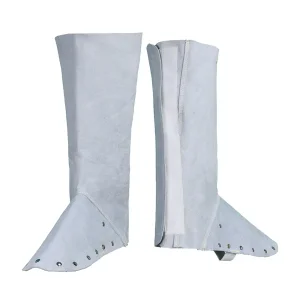
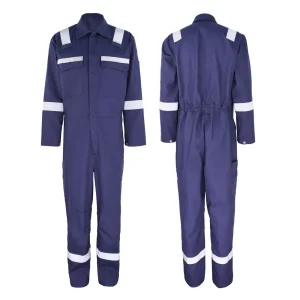
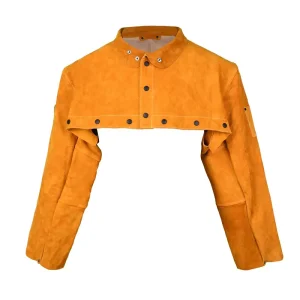
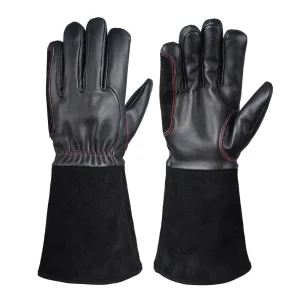
Addressing the critical intersection of Arctic cold-weather survival, flame resistance, mechanical abrasion resistance, and worker mobility across the international energy, mining, and heavy construction sectors.
Modern industrial safety protocols no longer permit compartmentalized apparel. In extreme upstream oil and gas corridors such as the Canadian Oil Sands, the North Sea, and Kazakhstan's Caspian Basin, men's winter coveralls must simultaneously mitigate flash fire risk (NFPA 2112 / EN ISO 11612), electrical arc flash exposures (NFPA 70E / ASTM F1959), and life-threatening hypothermia (EN 342). OEM procurement requires synchronized textile stacks that prevent melt-drip behavior without sacrificing micro-porous breathability.
Supply chain shocks, geopolitical tariff recalibrations, and strict ESG requirements have compelled global brand owners and tier-1 safety distributors to move away from non-integrated trading houses. Sourcing directly from an established manufacturing enterprise like Guangdong Ming Shun Labour Protective Products Co., Ltd.—with dedicated in-house tanneries, automated pattern cutting, and certified assembly floors—guarantees stable batch-to-batch consistency and documented material origin compliance.
Historical winter workwear suffered from severe "bulk penalty"—the accumulation of dense, unarticulated layers that induced rapid worker exhaustion and reduced dexterity by up to 38%. Our technical R&D engineering optimizes thermal efficiency through low-profile, high-loft microfiber insulation bonded to high-tenacity canvas and split leather friction patches, delivering superior thermal Clo ratings while maintaining full joint range-of-motion.
How our factory builds durable, thermally resistant, and hazard-compliant garments for extreme cold work sites.
| Functional Zone | Material Engineering & Composition | Technical Functionality | Target Regulatory Benchmark |
|---|---|---|---|
| Outer Defensive Shell | 88/12 Cotton-Nylon canvas (9.0 oz to 11.5 oz) OR In-House Tanned Split Cowhide leather structural reinforcements on knees, seat, and forearms. | High tear and tensile resistance, flame self-extinguishing properties, molten slag shedding, and water-repellent (DWR) surface finish. | NFPA 2112 / EN ISO 11611 Cl. 2 |
| Microporous Climate Barrier | Hydrophobic ePTFE or high-performance FR Polyurethane (PU) membrane laminated to an aramid scrim. | Impermeable to wind chill and sleet (>10,000mm hydrostatic head) while allowing metabolic moisture vapor (>5,000 g/m²/24h) to exhaust. | EN 343 Class 4:4 |
| Thermal Core Insulation | 150 gsm – 300 gsm multi-denier spun polyester or inherently flame-resistant modacrylic/aramid batting. | Traps still boundary-layer air to arrest convective and conductive heat loss, maintaining body temperature down to -50°C. | EN 342 (Icler ≥ 0.310 m²·K/W) |
| Vapor-Permeable Lining | Anti-static diamond-quilted 100% FR cotton or blended Nomex filament lining with silky hand-feel. | Eliminates internal surface friction against base-layer clothing, prevents electrostatic buildup in explosive atmospheres. | EN 1149-5 / ATEX Zone 0/1 |
| Hardware & Closures | Heavy-duty 2-way non-conductive vislon or solid brass zippers with internal and external dual storm flaps. | Prevents thermal bridging (frost transfer from exterior metal to skin), ensures operable functionality even when encrusted in ice. | ASTM F1506 Anti-Freeze |
"In sub-zero industrial PPE manufacturing, a 1% failure in material breathability causes sweat accumulation that freezes during rest periods. Our factory controls the entire bonding and sewing process under climate-controlled conditions to ensure consistent moisture-wicking and insulation performance across every production lot."
Standard nylon workwear degrades rapidly when exposed to hot slag and sub-zero mechanical shear. By integrating our factory's proprietary in-house split cowhide panels onto high-wear points (knees, elbows, tool loops, and cuffs), we increase garment service life by up to 260% compared to all-textile alternatives.
Winter worksites face shortened daylight and severe blizzards. We incorporate 2-inch industrial-wash segmented FR reflective striping engineered with microprismatic retroreflection that will not delaminate, shatter, or crack at temperatures as low as -40°C, complying with ANSI/ISEA 107 and CSA Z96.
Direct skin contact with exterior metal buttons or exposed zippers causes instant conductive heat drain in sub-zero weather. Our patterning integrates double-insulated, Velcro-sealed storm flaps across front plackets, ankle closures, and side-ventilation ports to prevent thermal bridging.
Meeting mandatory safety regulations across North American, European, Australasian, and Eurasian commercial regions.
Navigating the complex matrix of OSHA 1910.132, NFPA 2112 (Standard on Flame-Resistant Clothing for Protection of Industrial Personnel Against Short-Duration Thermal Exposures from Fire), and ASTM F1506. For our Canadian clients operating in Northern Alberta and the Northwest Territories, full compliance with CSA Z96 Class 3 high-visibility standards and CAN/CGSB 155.20 hydrocarbon flash fire protection is engineered directly into our patterns.
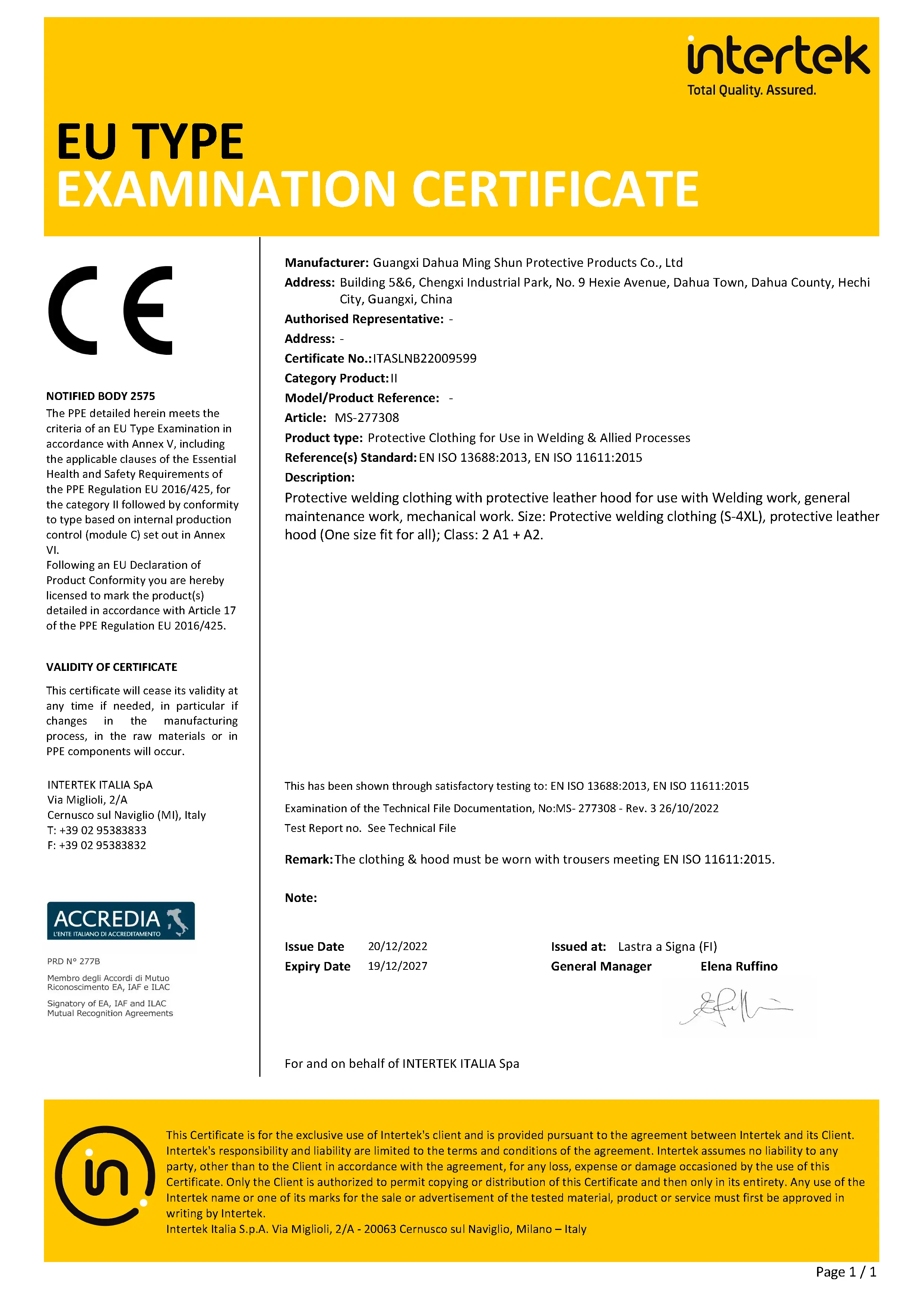
Full conformance with the rigorous Module B (EU Type-Examination) and Module D (Conformity to Type Based on Quality Assurance of the Production Process) under PPE Regulation (EU) 2016/425. Crucially, winter coveralls undergo complete thermal manikin trials to satisfy EN 342:2017 (Protective Clothing Ensembles and Garments for Protection Against Cold), establishing documented effective thermal insulation (Icler) and air permeability ratings (Class 1 to Class 3).
Every OEM winter coverall production run is linked to dedicated lab testing. Our quality control team tests raw hide thickness, seam shear strength (ISO 13935-2), flame spread after 50 industrial laundry cycles (ISO 15025), and hydrostatic water resistance. Importers receive full Technical Documentation Files (TDF) and Certificates of Analysis (CoA) with each container shipment.
Configured for the specific physical demands, environmental temperatures, and chemical/thermal hazards of key global industries.
Workers on offshore platforms in the Norwegian Sea and Arctic waters face salt-spray icing, gale-force winds, and continuous exposure to drilling fluids. Our winter coveralls feature sealed microporous polyurethane waterproof membranes, neoprene wrist storm seals, and oil-and-grease repellent fluorocarbon finishes, keeping core body temperatures stable during 12-hour sub-zero shifts.
Pipeline welding across northern corridors demands sustained kneeling on frozen tundra, exposure to flying slag, and proximity to open flame preheaters. We engineer split-leather heat shielding over the thighs, knees, and torso, backed by flame-resistant cotton fleece insulation that stops thermal transfer from the ground without burning through.
In heavy haulage maintenance, crushing plants, and shovel repairs at temperatures below -35°C, high abrasion from ore dust rapidly shreds ordinary fabric. Our custom OEM designs use 1000D ballistic nylon and leather reinforcements with bi-swing action backs and 2-way full leg zippers, allowing mechanics to service heavy gear comfortably without removing boots.
How our factory integrates next-generation material science, connected IoT technologies, and circular economy requirements into winter PPE manufacturing.
We are actively prototyping ultra-thin silica aerogel composite batts and phase change micro-capsules (PCMs). These materials absorb excess body heat during high physical exertion and release it back to the wearer during stationary periods, cutting overall garment weight by up to 40% while preserving a 4.2 Clo rating.
In response to global Corporate Sustainability Due Diligence Directives (CSDDD), our supply chain is transitioning toward closed-loop circularity. We are integrating PFAS-free, non-fluorinated Durable Water Repellent (DWR) surface chemistries alongside post-consumer chemically recycled polyester thermal fills that meet the Global Recycled Standard (GRS).
Next-generation designs feature built-in conduits for ultra-thin carbon fiber heating elements powered by intrinsic ATEX-certified battery packs. Our patterning room also prepares garments with sealed structural pockets for lone-worker man-down telemetry, core body temperature sensors, and gas detection badges.
Essential guidance for commercial directors, safety distributors, and private-label buyers planning winter coverall orders.
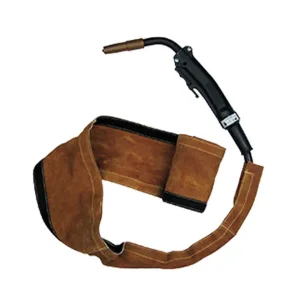
Full-body protective gear, including jackets, bibs, aprons, and specialized work gloves manufactured under our verified quality management system.