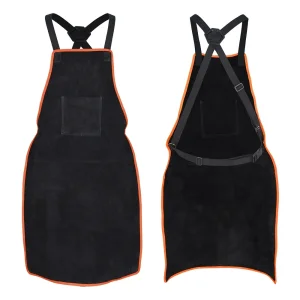
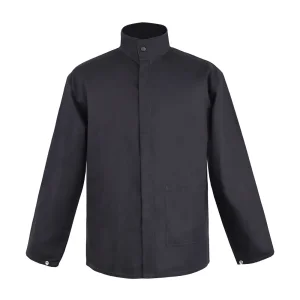
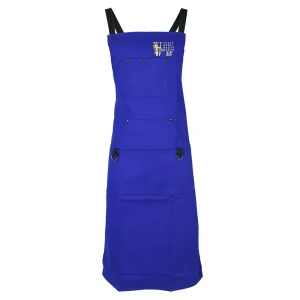
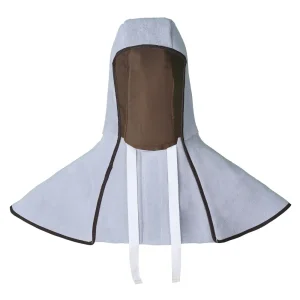
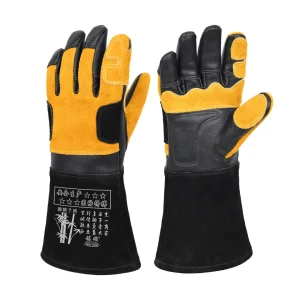
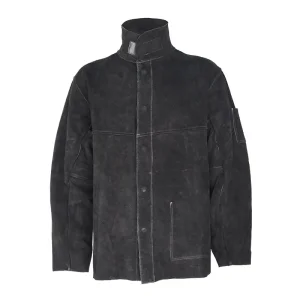
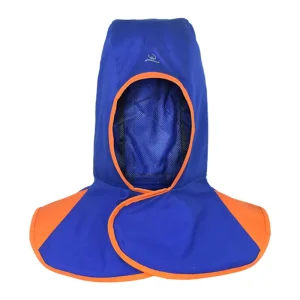
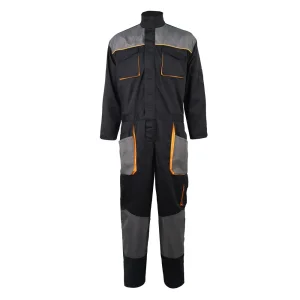
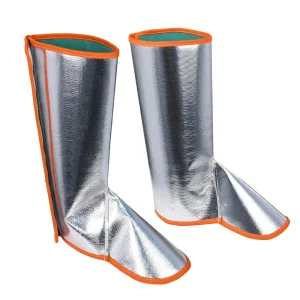
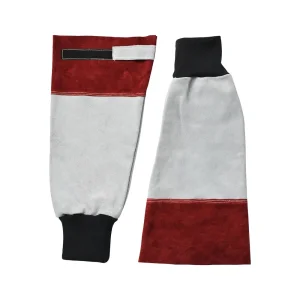
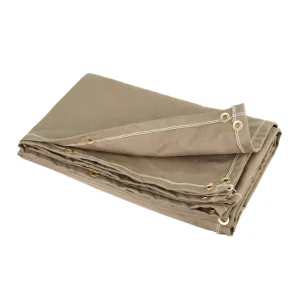
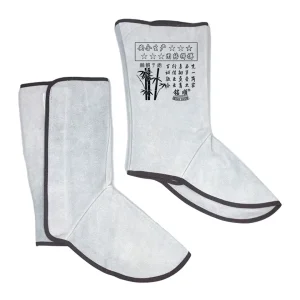
High-performance protective apparel engineered to withstand extreme spatter, radiant heat flux, and molten metal adherence under rigorous international compliance standards.
How Tier-1 engineering, construction, and manufacturing conglomerates structure bulk acquisitions for high-durability flame-resistant workwear programs.
Global procurement teams in heavy engineering no longer base vendor selection solely on piece-rate pricing. True enterprise value is calculated through Total Cost of Ownership (TCO), evaluating wash life cycles, tensile longevity, and seam tear rates under industrial conditions.
A lower-spec garment that degrades after 25 commercial laundry cycles incurs triple the logistics, inventory holding, and replacement expenditure of an engineered 100-cycle FR cotton or hybrid split-leather garment produced directly by a vertically integrated manufacturer.
Worker adoption represents a primary bottleneck in site safety governance. Conventional heavy-duty protective apparel often suffers from stiff construction, high thermal burden, and restricted articulation, prompting technicians to bypass or improperly wear mandatory protective layers.
Our OEM FR welding shirts integrate underarm gussets, back pleating for active overhead torch maneuvering, breathable high-grammage cotton bodies, and strategically placed cowhide reinforcements, maximizing workplace compliance without compromising operator thermal comfort.
Industrial distributor programs require predictable manufacturing lead times and audited material pipelines. Disruptions in greige goods or certified FR chemistry directly halt shipyard contracts, pipeline maintenance shutdowns, and automotive assembly lines.
Operating with over 1,000 skilled personnel in Gaozhou, Guangdong, Guangdong Ming Shun Labour Protective Products Co., Ltd. exercises direct control over leather processing, dye formulations, pattern grading, and automated stitching, shielding international brand partners from supply shocks.
Comprehensive hazard matrix mapping across high-amperage welding, plasma gouging, and heavy structural assembly environments.
Manual Metal Arc (MMA/Stick) and Flux-Cored Arc Welding (FCAW) generate molten metal droplets exceeding 1,500°C propelled at significant velocities. Standard treated cotton garments frequently suffer pinpoint carbonization, char breach, and subsequent subcutaneous burn injuries.
Our OEM FR welding shirt configurations utilize tight-weave 9 oz and 12 oz flame-resistant twills reinforced with high-density cowhide leather aprons, bibs, and sleeve sections. This layered defense forces molten spatter to deflect and slide downward rather than pooling on horizontal fabric folds, ensuring zero break-through integrity during prolonged production runs.
Gas Metal Arc Welding (GMAW/MIG) and Gas Tungsten Arc Welding (GTAW/TIG) emit intense ultraviolet-C (UV-C) and actinic radiation. Over continuous multi-shift operations, raw polymer fibers and standard dyes experience severe photodegradation, weakening tensile strength and reducing protective flame retardancy.
To counteract actinic rot, our fabric finishing processes incorporate UV-stabilized polymer matrix coatings and deeply penetrated reactive dye systems. This stabilizes fiber molecular bonds against degradation, maintaining the tensile threshold and preventing catastrophic seam tearing during high-stress industrial maintenance operations.
Shipbuilding double-bottoms, pressure vessel fabrication, and pipeline ditch construction impose extreme mechanical abrasion against structural steel edges while operatives perform overhead welding. Sparks, slag, and abrasive contact converge simultaneously on the upper torso and neck.
We configure custom FR welding shirts featuring extended mandarin stand-up collars, Kevlar® reinforced aramid stitching throughout all stress vectors, insulated dielectric snap buttons, and split cowhide shoulder drapes to prevent spark ingress directly into undergarments or base layers.
Modern electrical utility substations and electromechanical installation sites demand dual-hazard compliance: protection against secondary electrical arc discharge (NFPA 70E) alongside welding spatter resistance during busbar fabrication and earthing grid hot works.
Our hybrid workwear lines balance Arc Thermal Performance Value (ATPV) ratings with Class 1 and Class 2 EN ISO 11611 criteria, ensuring that technicians remain shielded against explosive incident thermal energy while maintaining physical freedom of movement during precision fabrication.
Next-generation textile chemistry, molecular fiber bonding, and automated manufacturing systems redefining commercial welding apparel.
While standard FR cotton relies on ammonia-cured organophosphorus chemistry bonded to cellulosic polymers, the next generation of industrial workwear leverages inherent modacrylic and para-aramid fiber matrices. Ming Shun engineers blended weaves that eliminate chemical wash-out risks entirely.
Recognizing that full-leather garments cause extreme heat fatigue while full-cotton garments suffer accelerated burn-through at high-impact vectors, our technological focus centers on bio-mapped zonal engineering. Hides and textiles are precision-joined using specialized CAD patterns.
Looking ahead, factory investments are directed toward automated ultrasonic fabric inspection, optical laser cutting tables, and integrated RFID asset tags for industrial laundry tracking, ensuring full batch traceability throughout multi-year corporate contracts.
From raw hide grading to mass-scale private label garment export, our 25-year manufacturing floor provides unparalleled technical control.
Clients provide custom technical specifications, dimensional tolerance sheets, or benchmark reference garments. Our on-site pattern engineering department translates concepts into digital nesting schematics optimized for minimal fabric wastage, ergonomic joint articulation, and certified size gradation across Asian, European, and American worker demographics.
Unlike assembly-only cut-and-sew workshops, Ming Shun controls tanning, splitting, and chemical dye formulation on site. Every incoming bolt of flame-resistant cotton and every lot of bovine hides is tested for tear propagation, surface pH balance, colorfastness under wet crocking, and vertical flammability prior to releasing lots to cutting lines.
Garments advance through specialized cell manufacturing teams equipped with heavy-duty walking-foot sewing machines and computerized bar-tackers. OEM branding is seamlessly integrated via fire-retardant embroidery threads, high-temperature leather debossing, woven FR labels, dielectric snaps, and barcoded retail-ready hangtags.
Meeting and exceeding the statutory testing benchmarks mandated across North American, European, and Australasian occupational safety jurisdictions.
Specifies flame-resistant garments for the protection of industrial personnel against short-duration thermal exposures from fire. Evaluates after-flame duration, char length (less than 4 inches), and melt/drip resistance during vertical exposure testing.
Standard performance specification for flame-resistant and arc-rated textile materials used in electrical protective clothing. Mandates strict Arc Rating calculations (ATPV or Ebt) across multi-wash preconditioned fabric samples.
European standard governing protective clothing for welding and allied processes. Quantifies resistance to small splashes of molten metal (Class 1: 15 drops; Class 2: 25 drops) alongside radiant heat transfer indices.
Factory management is fully audited under ISO 9001:2015 quality management procedures, maintaining full documentation trails, calibrated measuring devices, and verified environmental ethical production criteria.
Critical technical, commercial, and manufacturing inquiries resolved directly by our factory engineering management.
Complete head-to-toe thermal, spatter, and radiant barrier safety equipment manufactured directly for private label distribution.