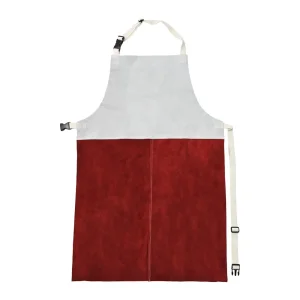
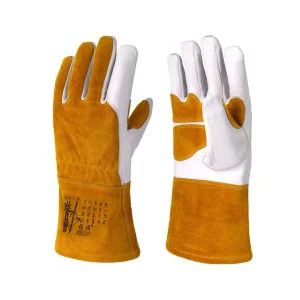
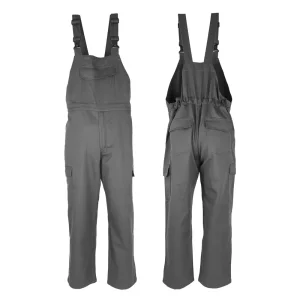
Enterprise-grade protective jackets, bibs, and gloves manufactured under ISO 9001 quality controls with verifiable lot traceability.
A rigorous examination of multi-hazard regulatory mandates, raw fiber supply chains, and evolving corporate safety governance.
Modern industrial sites rarely present single-source risks. Heavy fabricators, chemical processing plants, and energy infrastructure demand unified jackets that satisfy concurrent standards: electric arc thermal performance (NFPA 70E / ASTM F1506), flash fire defense (NFPA 2112), and intense molten droplet repellence (EN ISO 11611 Class 2).
Corporate procurement faces significant lifecycle cost differentials between chemically treated flame-retardant cotton and inherent polymers (aramids, modacrylic blends). While treated cotton delivers superior weld spatter shedding and cost advantages, inherent polymers prevent degradation from intensive laundering cycles in petrochemical environments.
Global enterprises are shifting from low-initial-cost disposable PPE procurement to durable, modular FR apparel. Factors such as seam shear strength (tested under ISO 13935-2), bar-tack reinforced stress points, and Kevlar® stitching integrity drive measurable decreases in yearly apparel consumption per employee by up to 34%.
Custom-engineered thermal defenses built around exact operational stress environments and ergonomic parameters.
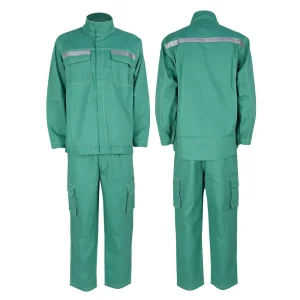
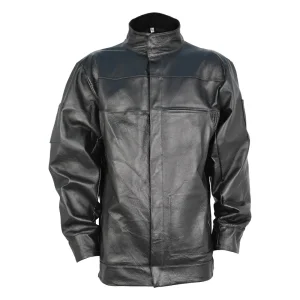
Extreme duty cycles demand hybrid jacket engineering: Premium split cowhide leather shielding across the chest and articulated sleeves to repel continuous overhead slag, fused with high-breathability 9 oz FR treated cotton back panels to mitigate operator heat exhaustion during prolonged shifts in confined quarters.
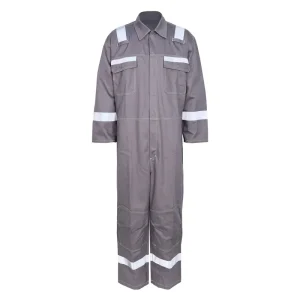
Operations in volatile environments require anti-static (EN 1149-5) certified, spark-resistant textiles designed with non-conductive, dielectric heavy-duty zipper closures, covered storm flaps with FR hook-and-loop security, and high-visibility segmented reflective arrays rated for visibility across both maritime offshore and desert refinery landscapes.
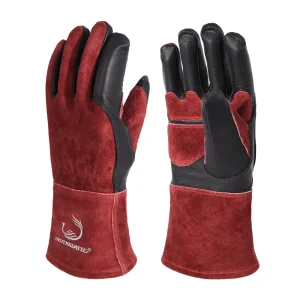
Precision robotic and automated lines require high dexterity without fabric bulk. We supply lightweight, supple goatskin leather and contoured grain pigskin jackets (e.g., MS-U2390) engineered with underarm gussets, friction-free athletic linings, and reinforced FR cuffs that prevent snagging on robotics machinery.
How Guangdong Ming Shun eliminates supply chain volatility through total vertical integration—from raw hide tannery to precision sewing.
Our process starts with strict physical and chemical vetting of incoming raw hides (split cowhide, goatskin, pigskin) and premium long-staple cotton fibers. In-house chromium and pH level audits guarantee that leather remains supple under extreme radiant heat without brittleness or hazardous emissions during thermal exposure.
Unlike assembly-only contractors, Ming Shun operates in-house dyeing and chemical finishing drums. This enables permanent flame-retardant bath impregnation deep into cotton fiber matrices, matching consistent pantone shades across massive recurring production batches without cross-lot variance.
Digital grading systems calibrate patterns to account for natural leather grain direction and stretch coefficients. Multi-ply computerized cutting beds achieve millimeter-level tolerance on every panel, preventing dimensional skewing when heavy-duty FR jackets undergo rigorous industrial washing.
All load-bearing and heat-exposed seams are double- or triple-stitched utilizing 100% Para-Aramid (DuPont™ Kevlar®) heat-resistant threads. Critical failure zones including pocket corners, armscyes, and front plackets receive heavy bar-tack reinforcements that withstand extreme tensile pulls.
Mitigate enterprise legal exposure with comprehensive, multi-jurisdiction testing and documentation.
Our OEM jackets can be specified and certified under NFPA 2112 for flash-fire defense, NFPA 70E / ASTM F1506 for Arc Thermal Performance Value (ATPV / HRC categories), and ASTM F1060 for conductive heat transmission. Complete technical files, third-party lab documentation, and permanent tracking labels are furnished per batch.
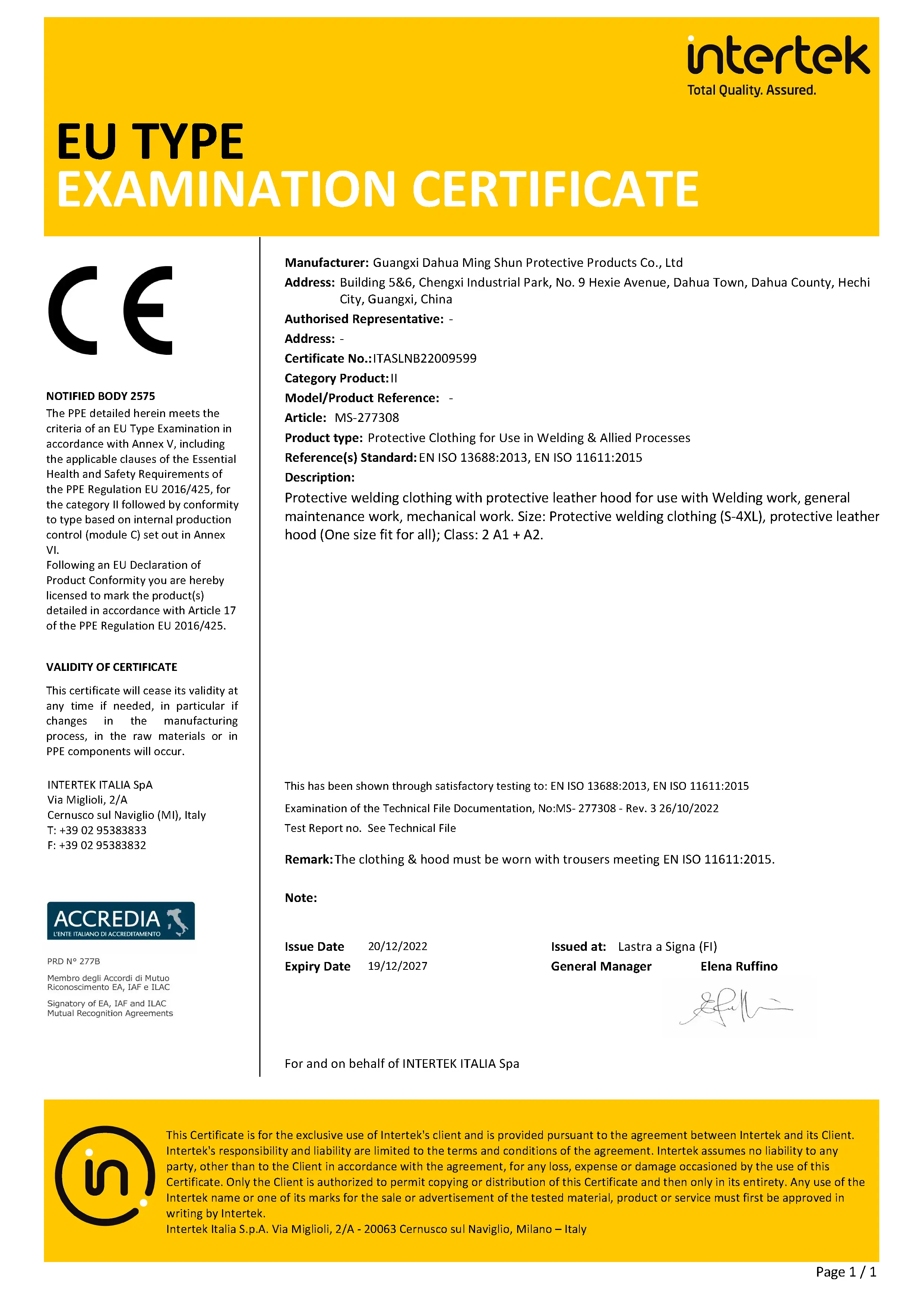
Full conformance with PPE Regulation (EU) 2016/425 Category III risks. Certifications encompass EN ISO 11611 (protective clothing for use in welding and allied processes, Classes 1 and 2), EN ISO 11612 (clothing to protect against heat and flame), and EN ISO 20471 high-visibility retro-reflective compliance.
Direct support from dedicated bilingual technical account engineers. We provide comprehensive OEM service: custom pattern adaptation, silicone and woven brand labeling, private label packaging, pallet optimization, and direct export documentation clearing major global ports seamlessly.
Clear, direct answers regarding production capabilities, technical parameters, minimums, and regulatory certifications.
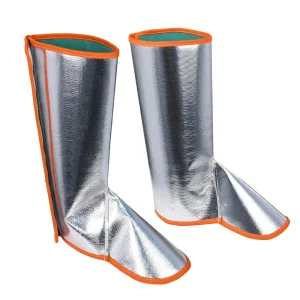
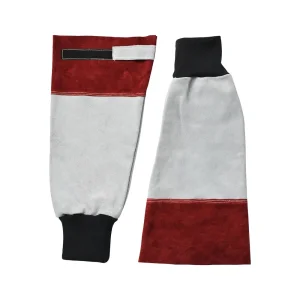
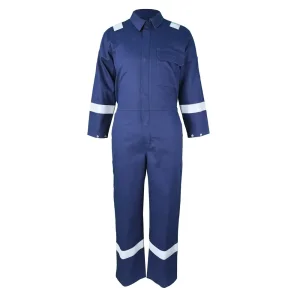
Expand your PPE catalog with heavy-duty aluminized heat-reflective gear, work coveralls, and specialized welding sleeves.