High-performance welding jackets, heavy-duty aprons, radiant shields, and spats engineered for severe spatter, slag impact, and intense metallurgical furnace environments.
Understanding molten droplet shedding kinetics, convective heat attenuation, and high-frequency electric arc resistance in primary hot-work environments.
Welding arcs generate localized radiant temperatures exceeding 3,000°C. Standard textiles char or melt immediately. Advanced OEM flame resistant clothing relies on treated high-density cotton fibers (300g/m² to 450g/m²) or full-grain leather shields to dissipate heat transfer coefficients (HTI24), delaying cutaneous burn thresholds by more than 16 seconds under direct radiant exposure.
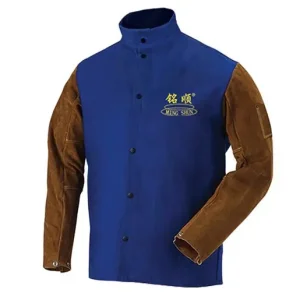
The core challenge in Shielded Metal Arc Welding (SMAW) and Flux-Cored Arc Welding (FCAW) is the adhesion of superheated steel droplets. High-grade split cowhide exhibits natural fibril matrixes that freeze droplet bounce without thermal penetration. Simultaneously, hybrid FR cotton jackets incorporate fluorocarbon finishes preventing liquid droplet entrapment within woven fiber interstices.
Workwear failure in hot-work zones rarely occurs mid-fabric; it occurs at the thread lines. Industrial OEM manufacturing employs DuPont™ Kevlar® 3-ply or 4-ply aramid thread lockstitching. Kevlar threads resist thermal decomposition up to 425°C, ensuring that joints, pocket gussets, and sleeve attachment seams do not burst under violent weld spatter shock.
Procurement teams often compromise between operator mobility and structural thermal defense. Pure leather garments, while providing maximum protection (Class 2 EN ISO 11611), inflict significant ergonomic fatigue in high-ambient conditions. Modern OEM engineered designs favor Hybrid Anatomical Mapping: placing 1.2mm split cowhide across high-strike vectors (arms, torso, shoulders) and 9 oz breathable satin-weave FR cotton across low-exposure back vent panels, reducing thermal stress exhaustion by up to 34%.
Detailed technical comparison of global occupational safety standards governing flame-resistant welding apparel, personal protective equipment, and molten metal splash resistance.
| Standard / Code | Geographic Authority | Core Protection Classification | Primary Testing Criteria | Ming Shun Engineering Standard |
|---|---|---|---|---|
| EN ISO 11611 | European Union / Global | Class 1 (Manual light welding) & Class 2 (Heavy spatter / FCAW) | Impact of molten drops (>15 drops Class 1; >25 drops Class 2), radiant heat transfer (RHTI 24) | Exceeds Class 2 thresholds across split cowhide and hybrid lines with zero molten burn-through. |
| NFPA 2112 | North America (USA) | Industrial Flash Fire & Molten Metal Hazards | Manikin flash fire test (ASTM F1930) <50% predicted body burn after 3-second exposure | Specialized 9oz treated FR twill yielding <18% body burn score in independent third-party lab testing. |
| ASTM F1506 | North America (Electric Arc) | Arc Thermal Performance Value (ATPV / EBT) | Arc resistance under NFPA 70E electrical maintenance operations; char length <100mm | Multi-hazard certified fabrics rating from 8.6 to 42 cal/cm² for electrical and welding dual-risk sites. |
| EN ISO 11612 | International Standard | Protective Clothing Against Heat & Flame | Code A (Flame spread), Code B (Convective heat), Code C (Radiant heat), Code E (Molten iron splash) | Rigorous qualification on code E3 (>200g molten iron) utilizing specialized aluminized & chrome-tanned leathers. |
| ISO 9001:2015 | Global Quality Standard | Quality Management & Traceability System | Full lot tracking from raw cattle hide tanning to computerized laser cutting and packaging | End-to-end audited facility in Gaozhou, Guangdong with automated barcode tracking on bulk OEM batches. |
Guangdong Ming Shun Labour Protective Products leverages intelligent automation, raw hide tanning ownership, and lean manufacturing to insulate global supply chains from lead-time volatility.
Continuous refinement of leather tanning, FR cotton treatment, and seam reinforcement since 1999.
Dedicated line operators, CAD pattern engineers, QC inspectors, and materials technologists on site.
Massive throughput across TIG, MIG, and stick welding glove lines sustaining global master distributors.
Predictable bulk cycle times backed by integrated raw materials warehousing and direct port access.
Unlike trading assemblers subject to hide quality swings, our operations in Gaozhou, Guangdong control the de-hairing, chrome-tanning, retanning, and dyeing processes in-house. This ensures stable tensile grain strength, consistent thickness tolerance (1.1mm - 1.3mm), and strict control over hexavalent chromium (Cr VI) limits below detection thresholds.
Material optimization using computerized nesting software and high-speed CNC laser cutters eliminates pattern drift. Every batch of jackets, bib aprons, and spats maintains millimeter-precise seam margins, maximizing leather yield and guaranteeing exact anatomical sizing across recurring shipments.
Our Manufacturing Execution System (MES) digitally logs each production phase: incoming fabric tensile inspection, thread lot records, lockstitch density checks (4-5 stitches per cm), and post-ironing dimensional checks. Importers receive full factory-direct transparency before container dispatch.
Strategic framework for safety distributors, procurement executives, and global PPE brands seeking margin optimization and compliance risk elimination.
Sourcing through import trading intermediaries frequently incurs hidden markups of 20% to 35% without adding QA value. Engaging directly with our Gaozhou manufacturing facility eliminates intermediary friction, granting brand owners:
Low-cost market workwear often relies on superficial chemical spray coatings that wash out after 5 to 10 commercial laundry cycles, leaving workers completely unprotected and corporations exposed to severe liability.
Industrial hot-work environments present distinct physical stresses. Here is how our OEM production lines map material formulations to site-specific hazards.
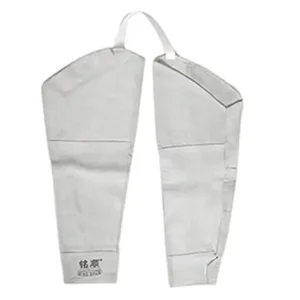
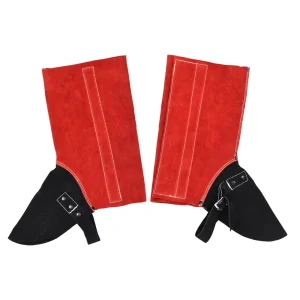
Continuous submerged arc and overhead flux-cored wire welding in humid salt-air conditions. Recommended Configuration: MS-287 Hybrid FR cotton and premium cowhide sleeves paired with MS-113 split cowhide spats protecting footwear against downward slag accumulation.
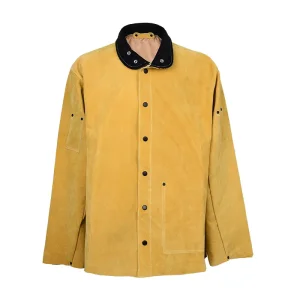
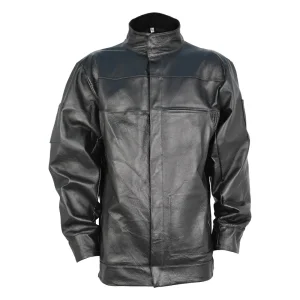
High-pressure gas pipeline tie-ins requiring prolonged kneeling, contact heat, and grinding sparks. Recommended Configuration: MS-393 full split cowhide 30-inch jackets with Kevlar stitching and ergonomic underarm stretch gussets for unhindered pipe joint maneuvering.
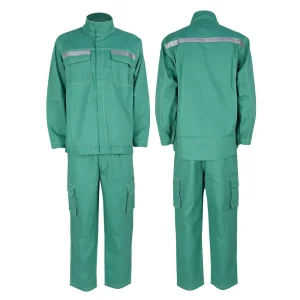
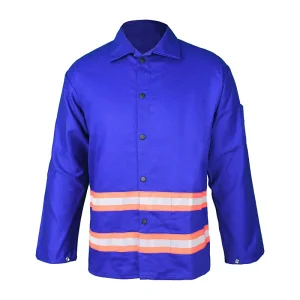
Fast-cycle robotic weld line inspection, touch-up spot welding, and robotic cell maintenance. Recommended Configuration: MS-1200FR breathable cotton jackets with hi-vis reflective bands, delivering EN ISO 20471 compliance and heat protection without overheating technicians.
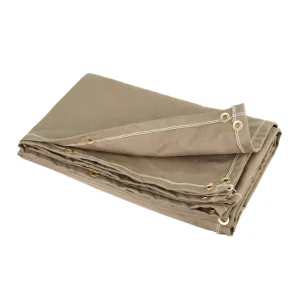
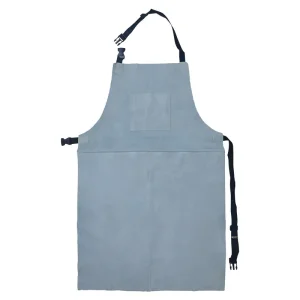
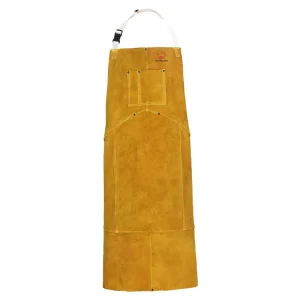
Extreme radiant heat furnaces with risk of catastrophic molten metal splash. Recommended Configuration: Heavy-gauge split leather aprons (MS-360) with quick-release safety harnesses, complemented by MS-6*6C fiberglass blankets to contain radiant blast zones.
Essential intelligence covering fabric selections, leather tanning standards, OEM private-label development, and international customs clearance documentation.
FR-treated cotton (such as specialized 9 oz or 12 oz sateen) is 100% natural long-staple cotton chemically bonded at the molecular level with a phosphorus-based flame-retardant compound. Under intense arc heat or flame, the polymer acts as a catalyst, converting cellulose into a non-flammable char that blocks oxygen and arrests combustion. Its key advantages are superior breathability, moisture absorption, and cost-effectiveness. In contrast, inherent FR fibers (like aramids or modacrylics) have flame resistance built into their chemical backbone. For most manual arc and gas welding scenarios, 9 oz treated cotton with leather arm reinforcements provides the optimal balance of molten drop repulsion, operator comfort, and commercial procurement economics.
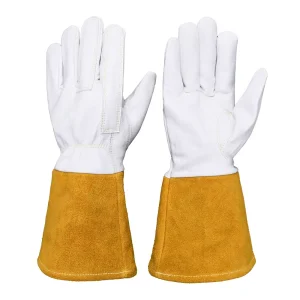
Split cowhide is derived from the middle and lower fibrous split of cattle hide, offering a dense, interwoven collagen structure measuring 1.1mm to 1.4mm in thickness. This density provides unmatched puncture resistance, cut resistance, and structural integrity when struck by molten slag droplets exceeding 800°C. Pigskin features a more porous texture due to hair follicle distribution; while lighter and softer when wet, it does not match cowhide's radiant heat shielding. Goatskin possesses exceptional tensile strength and natural lanolin suppleness, making it ideal for precision TIG welding gloves where tactile feedback is critical, but too costly and thin for heavy-duty welding jackets.
EN ISO 11611 categorizes protective clothing based on operational risk levels. Class 1 covers lower-risk welding techniques (such as TIG, MIG, micro-plasma, spot welding) causing fewer sparks and radiant heat; it requires testing against at least 15 drops of molten metal and radiant heat transfer (RHTI 24) ≥ 7 seconds. Class 2 is mandated for high-risk welding techniques (FCAW, heavy SMAW/stick, plasma cutting, gouging) and confined space work with heavy slag showers; it requires the garment to withstand at least 25 drops of molten metal and an RHTI 24 score of ≥ 16 seconds. Ming Shun's full split leather garments and hybrid leather jackets comply fully with Class 2 criteria.
Yes. As a dedicated OEM/ODM manufacturer with 25+ years in Gaozhou, our facility operates in-house leather dyeing and fabric finishing lines. We can match Pantone shades for FR cotton fabric bodies and produce custom leather colors (such as corporate navy, crimson red, slate gray, or golden brown). We construct complete pre-production prototypes from your tech packs, incorporating custom-placement radio loops, hidden heavy-duty brass snaps, custom woven neck labels, silicone embossed logo patches, and hangtags designed for retail shelf presentation.
Hexavalent Chromium (Cr VI) is a toxic substance restricted under EU REACH Regulation (Annex XVII) with a strict maximum limit of 3.0 mg/kg in leather products. Ming Shun operates strict process controls during leather retanning, using vegetable extracts and syntans along with anti-oxidizing agents that prevent the conversion of harmless trivalent chromium (Cr III) into toxic hexavalent chromium (Cr VI). Every export lot is accompanied by lot-traceable third-party test reports from accredited laboratories (such as SGS or TÜV) ensuring absolute customs and regulatory safety in European and global markets.
Our monthly production capacity exceeds 500,000 pairs of welding gloves and over 80,000 welding jackets, aprons, and coveralls. Standard Minimum Order Quantities (MOQ) typically start at 500 pieces per style for garments and 1,200 pairs for specialized gloves. Lead times for initial OEM customized orders average 40 to 50 days from tech pack sign-off and lab dip approval; repeat recurring container orders are routinely dispatched within 30 to 35 days via major export hubs including Shenzhen and Guangzhou ports.
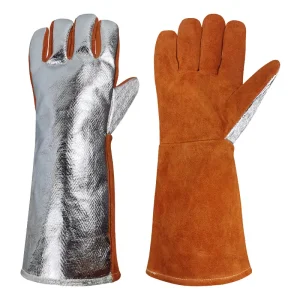
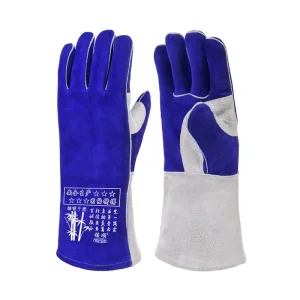
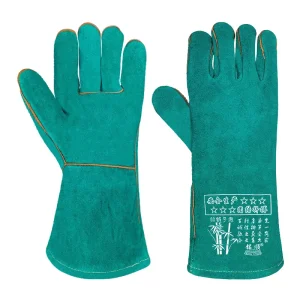
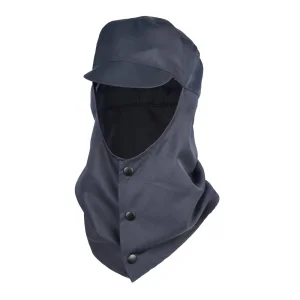
Aluminized heat shields, goatskin TIG dexterity gloves, stick welding gauntlets, and protective neck hoods manufactured to full international conformity standards.