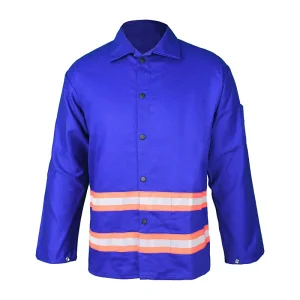
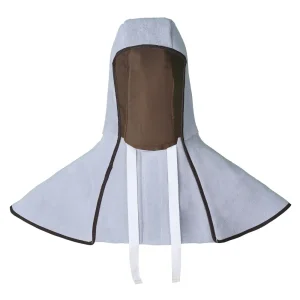
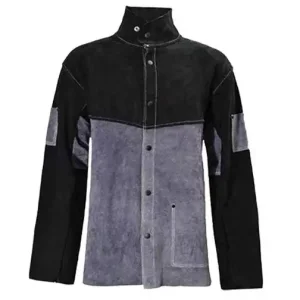
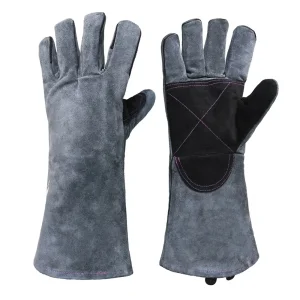
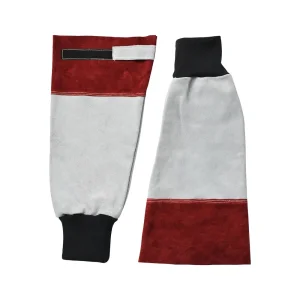
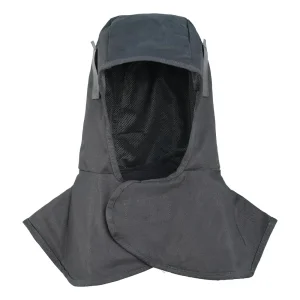
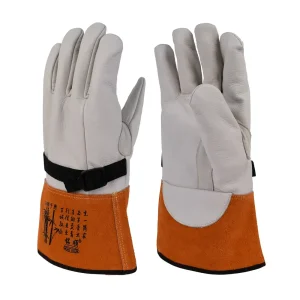
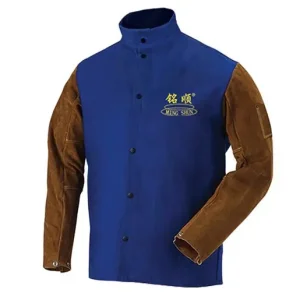
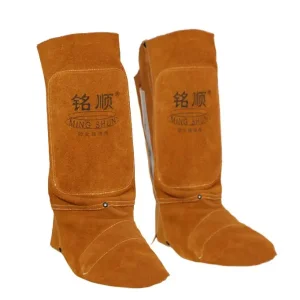
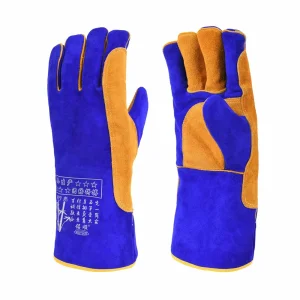
Direct manufacturer solutions engineered with heavy-duty split cowhide, flame-retardant (FR) cotton, and ergonomic thermal isolation barriers.
An in-depth perspective on modern material science, mechanical shear thresholds, and thermal barrier engineering.
In high-amperage metallurgy and extreme thermal fabrications, welding personal protective equipment serves as the primary barrier preventing critical burns, electrical arc flashes, and acute slag penetrations. As international regulatory bodies tighten mechanical risk parameters under EN ISO 11611 (Class 1 & Class 2), EN 12477 (Type A & Type B), and ANSI/ISEA 105, the global supply ecosystem demands radical upgrades in raw material traceability, yarn thermal resistance, and automated stitching resilience.
Industrial welding safety products cannot rely on standard consumer leather tanning. Raw hides require precise split ratios, moisture retention monitoring, and chromium salt bath controls to ensure zero structural embrittlement when exposed to molten metal droplets surpassing 1,400°C. For multinational safety distributors, EPC contractors, and private-label PPE entities, selecting a vetted manufacturing partner possessing end-to-end processing—from raw hide sorting to automated CAD pattern slicing—is essential to mitigate operational vulnerabilities and catastrophic workplace hazards.
Utilizing high-density side-split cowhide (1.2mm to 1.4mm calibrated caliper) paired with Dupont Kevlar® aramid threading to resist open flame flashover and instant seam unravelling under multi-axis molten strike environments.
Strategic integration of 9 oz to 11 oz breathable flame-retardant (FR) cotton across torso flexion corridors coupled with full grain goatskin or cowhide across high-wear limbs to drastically diminish welder fatigue and heat stroke indices.
Every industrial production run features digital QA logging tracking tensile tear strength (ISO 13937), radiant heat transmission indexes (RHTI24), and electrical breakdown resistance across all hardware components.
How concentrated vertical integration delivers unmatched procurement scalability and landed-cost advantages.
Located in Gaozhou—the leather labor capital of South China—our manufacturing ecosystem manages initial skin beamhouse processing, chroming, drying, and custom shade pigmentation in-house, eliminating external intermediary surcharges and color variations.
With over 1,000 skilled craftsmen backed by computer-controlled die-cutting presses and semi-automated leather skiving machines, our production floor supports rapid batch processing exceeding 500,000 glove units and 60,000 complex protective jackets monthly.
Positioned along primary arterial transport corridors with direct freight routing to Shenzhen, Guangzhou, and Hong Kong marine container terminals. Freight consignments achieve seamless clearance and optimal container consolidation metrics.
Bridging buyer engineering blueprints with scaled factory floor reality.
Global procurement teams often face dimensional drift when scaling prototypes. Our dedicated CAD pattern development team converts client tech drawings, 3D body scans, and ergonomic requirements into precise master paper patterns within 72 hours. Iterations are documented under version control so bulk production matches approved pre-production samples exactly.
Distributors require market-ready brand equity. We integrate precision heat-embossing on split cowhide cuffs, laser-etched hardware clasps, silicone heat-transfer logos, woven multi-language instruction tags, and custom barcode packaging to prepare merchandise immediately for retail shelves or enterprise vending machines.
Ensuring cross-border regulatory adherence across EU, North American, and Asia-Pacific markets.
Evaluates flame spread (A1/A2), impact of molten metal splashes, and electrical resistance for welders. Class 1 covers manual techniques with low spatter; Class 2 addresses hazardous heavy-arc MMA/MIG applications.
Type A specifies high thermal protection with lower dexterity for heavy MIG/MMA fabrication; Type B designates higher dexterity with moderate heat barriers for precision TIG operations.
North American benchmark detailing strict numerical performance ratings for mechanical cut resistance, abrasion wear, puncture hazards, and conductive heat transfer up to 500°F.
All leather processed within our plant undergoes laboratory spectroscopic verification maintaining Hexavalent Chromium (Cr VI) well below detection thresholds (< 3.0 mg/kg), ensuring EU market safety.
Underlying flame-resistant textiles, liners, and threads undergo strict chemical auditing to confirm freedom from carcinogenic aromatic amines, phthalates, and formaldehyde resins.
Total factory floor auditability: traceable lot cards on leather hides, routine stitch density checks, and continuous calibration of hydraulic stress gauges.
Specific protective configurations tailored for varying thermal, abrasive, and physical workplace stresses.
Demands continuous-position welding in humid, salt-dense atmospheric conditions. Requires hybrid leather-and-FR jackets paired with chrome-free cowhide spats to resist salt-fog degradation and upward sparks during overhead hull welding.
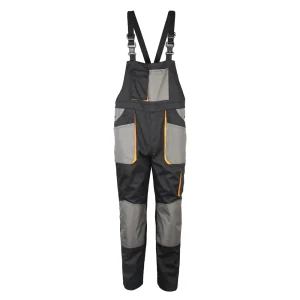
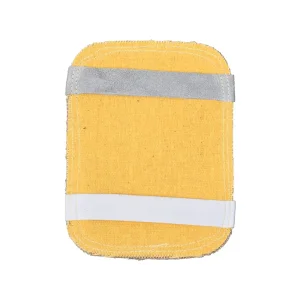
Technicians monitoring high-throughput robotic cells experience radiant heat surges and periodic heavy manual tack repairs. Recommended: lightweight 7 oz AR/FR cotton overalls augmented with aluminized back-of-hand radiant shields.
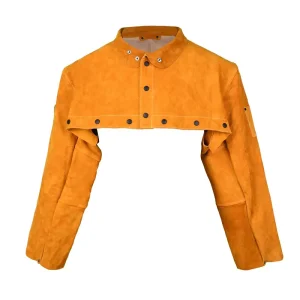
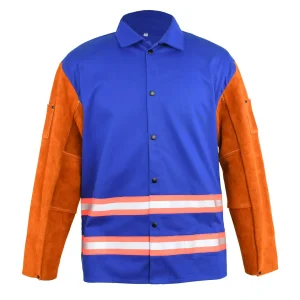
Field weld technicians operating at high elevations require high-visibility reflective trim integrated into split-leather cape sleeves. Protection must accommodate full safety fall-harness routing without pinching or restricting reach.
Key technological breakthroughs driving the next era of personal protective equipment.
Replacing full heavy leather setups with strategically mapped composites: aramid-blended woven stretch ribs across joints combined with localized micro-split cowhide zones, dropping overall garment weight by up to 35%.
Deployment of organic vegetable extracts and closed-loop synthetic tanning agents to completely phase out heavy metals, accompanied by precision nesting software to optimize raw hide panel yields above 92%.
Pilot engineering projects integrating miniaturized thermal threshold and gas exposure sensors into inner lining pockets, delivering haptic vibration warnings when prolonged core heat exposure approaches hazardous thresholds.
Essential guidance on lead times, minimum order quantities (MOQs), leather grades, and quality audits.
We are a dedicated manufacturer with our production facility in Pukang Industrial Park, Gaozhou City, Guangdong. Spanning 25+ years in the industrial PPE space, we house leather processing, laser cutting, sewing lines, and testing facilities on site, employing over 1,000 skilled workers.
Glove production capacity exceeds 500,000 pairs monthly with typical bulk delivery within 45 days after initial pre-production sample sign-off. Welding jackets, spats, and FR clothing run on 30 to 45-day timelines based on customization complexity.
Split cowhide provides high abrasion resistance and spatter isolation for heavy MIG/stick work. Premium goatskin offers high tensile strength and natural lanolin suppleness for sensitive TIG control. Pigskin maintains breathability and resists water/oil stiffening in wet structural zones.
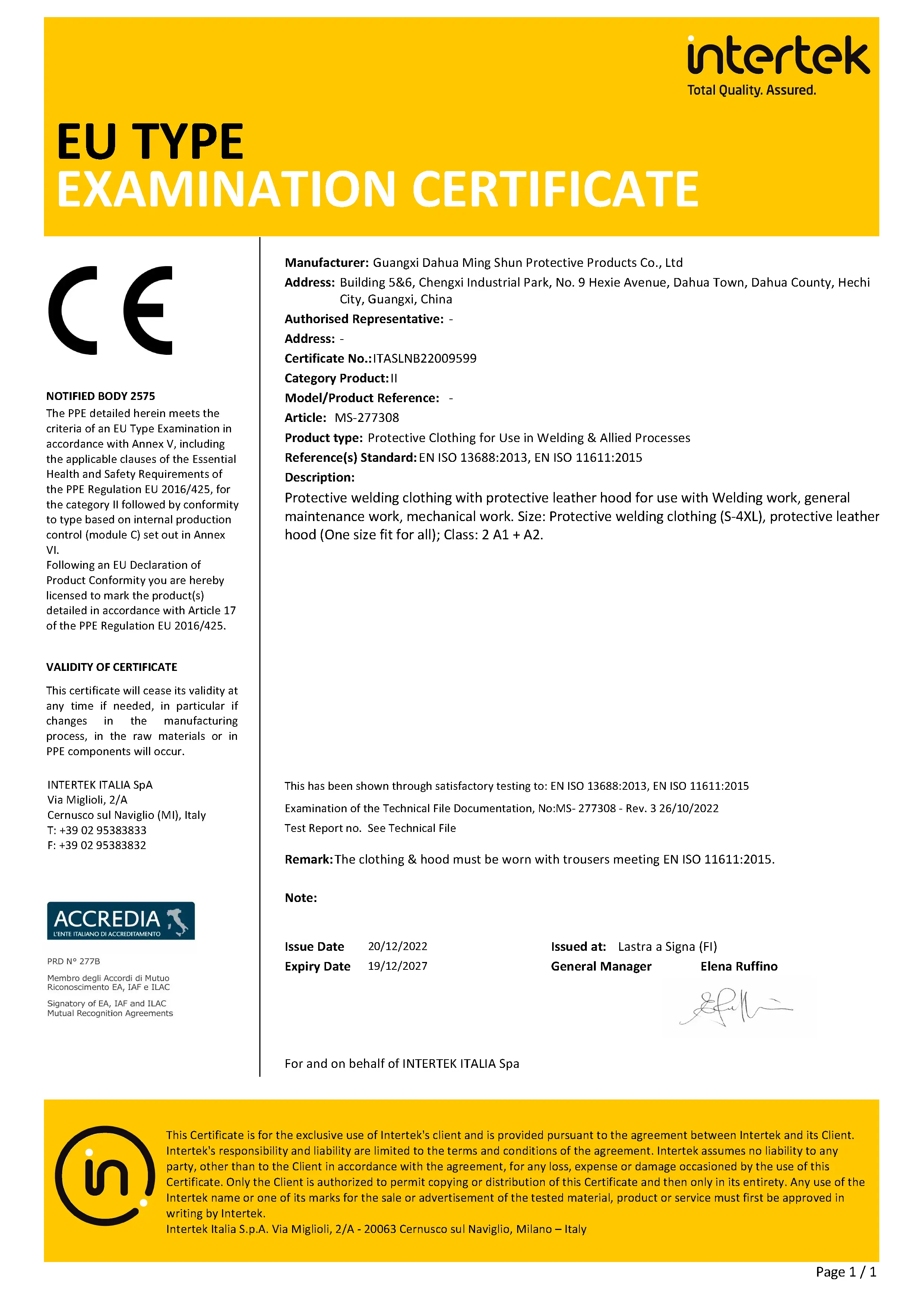
Yes. We supply comprehensive testing documentation for CE marking, EN ISO 11611, EN 12477, and ANSI/ISEA certifications from recognized accredited institutions (such as CTC, SATRA, and SGS). Batch-specific test reports accompany commercial shipping papers.
Comprehensive workplace coverage: insulated electricians' gear, aluminized back-hand shields, and hybrid jackets.