Direct factory manufacturing with calibrated heat flux shielding, high tear tensile strength, and ergonomic multi-hazard mitigation.
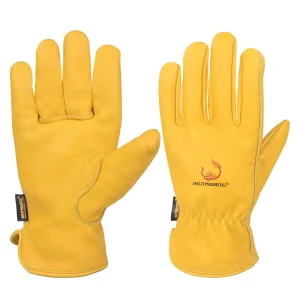
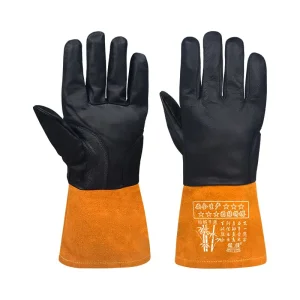
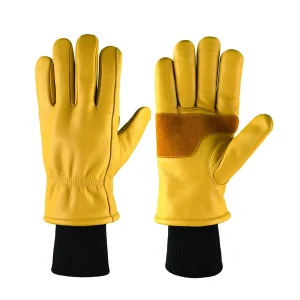
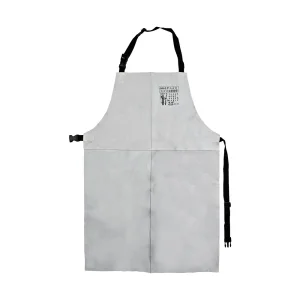
Navigating dynamic safety mandates, multi-hazard environments, and total cost of ownership (TCO) in mission-critical heavy industrial operations.
Modern EPC, refining, and steelmaking facilities demand protective clothing that simultaneously neutralizes open arc flash, radiant molten metal splash, flash fire, and electrostatic discharge (ESD) without compromising tactile movement.
NFPA 2112 / NFPA 70EGlobal procurement metrics have shifted from Initial Purchase Price to Lifecycle Cost Per Wear. Garments retaining NFPA 70E Arc Thermal Performance Value (ATPV) over 100+ industrial wash cycles yield an average 34% cost savings over 36 months.
TCO OptimizationCross-continental industrial buyers prioritize vertically integrated manufacturers capable of buffering raw fiber, spinning yarn, weaving, dyeing, and garment assembly to insulate delivery pipelines against volatile geopolitical supply disruptions.
Direct Plant IntegrationA structured technical breakdown of engineered barrier layers across key industrial applications.
| Hazard Environment | Primary Industrial Sector | Material Matrix Formulation | Key Standard Compliance | Failure Mode Prevented |
|---|---|---|---|---|
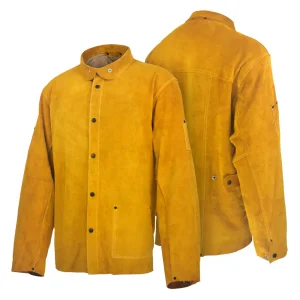
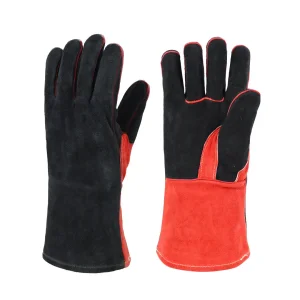
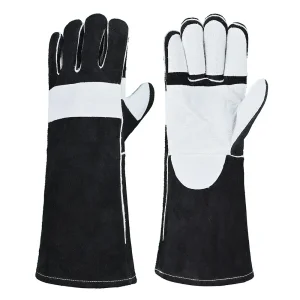
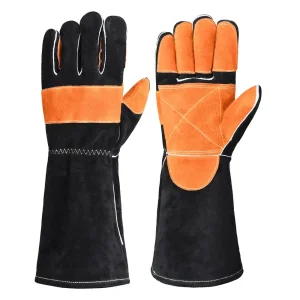
| Heavy Welding & Slag Spatter | Heavy Fabrication, Naval Shipyards | Grade-A Split Cowhide + 9 oz FR Cotton Hybrid, Kevlar® Thread | EN ISO 11611 Class 2, EN 12477 Type A | Burn-through from molten slag droplets (>1400°C) |
| Arc Flash Discharge | Power Utilities, Electrical Transmission | Aramid Blends / Modacrylic / Anti-Static Fiber Grid | NFPA 70E CAT 2/CAT 4, ASTM F1506 | Second-degree burns from electric plasma explosions |
| Hydrocarbon Flash Fire | Upstream Drilling, Oil Refineries | Inherent Meta-Aramid + Para-Aramid (93/5/2 Blend) | NFPA 2112, EN ISO 11612 A1+B1+C1 | Fabric ignition, skin burn area expansion (>50% body burn) |
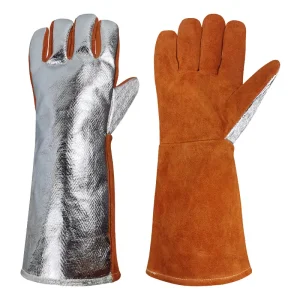
| Intense Radiant Heat (>1000°C) | Foundries, Smelters, Glass Works | Aluminized Heat-Reflective Film bonded to Leather / Pre-Ox Pan | EN ISO 11612 Code C3/C4, EN 407 | Internal core temperature hyperthermia & contact burns |
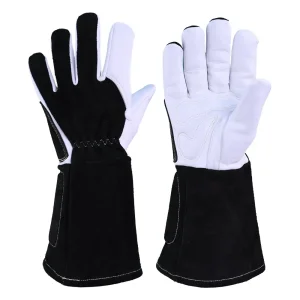
| Precision High-Amp TIG | Aerospace, Nuclear Piping | Ultra-supple Grain Goatskin with Seamless Trigger Fingers | EN 12477 Type B, EN 388 Level 2121X | Operator fatigue and tactile feedback degradation |
Integrating 3D moisture-wicking hydrophilic linings beneath 7 oz / 9 oz flame-resistant cotton frameworks reduces heat rash and core metabolic exhaustion in tropical and confined offshore pipeline hubs.
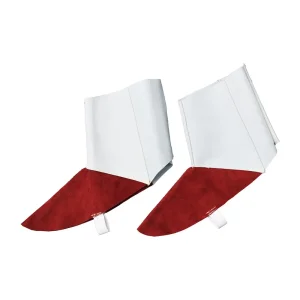
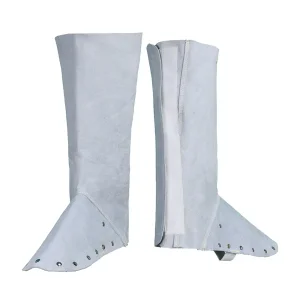
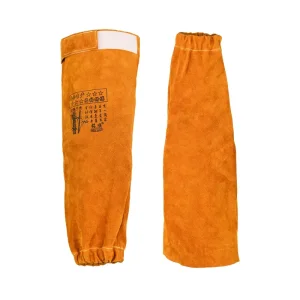
Welding jackets and heavy-duty spats leverage lock-stitched Para-Aramid (Kevlar®) fibers with reinforced bar-tacks and concealed copper-alloy snap fastenings, neutralizing spatter migration paths.
Every snap, zipper, and pocket flap fastener is enclosed in flame-resistant dielectric flanging to prevent static spark generation in explosive atmospheres (ATEX Zone 0/1 environments).
Strategic manufacturing integration for connected, sustainable, and ultra-lightweight high-hazard barriers.
Complete phase-out of legacy PFAS "forever chemicals" across water- and oil-resistant cowhide and FR cotton. Replacement with bio-based organosilicon and plasma nanocoatings maintaining EN 13034 chemical splash and heat performance.
Embedding micro-thermocouples and gas-detection transponders into the shoulder yoke and glove cuffs. Real-time telemetry signals thermal saturation spikes before skin reaches burn thresholds, alerting automated EHS systems via LoRaWAN.
Full commercialization of mechanically and chemically recyclable inherent FR garments. Post-consumer meta-aramid garments broken down into virgin-grade monomer feeds, eliminating landfill contributions from industrial PPE waste streams.
Ensuring frictionless cross-border distribution across Europe, North America, Oceania, and the Middle East.
Dual-certified compliance according to NFPA 2112 (flash fire) with independent UL verification, NFPA 70E / ASTM F1506 (arc ratings ATPV/HAF), and ANSI/ISEA 105 cut/abrasion hand standards.
ASTM F1959 / UL VerifiedFull Category III PPE compliance with Module B Type Examination and Module D annual quality assurance: EN ISO 11611 (Welding), EN ISO 11612 (Thermal Exposure), and EN 12477 (Welder Gloves).
Module B + D AccreditedOptimized for high-humidity, hyperthermic conditions. Specialized lightweight 7 oz breathable ripstop weave fabrics preventing heat prostration while exceeding mandatory Saudi Aramco and ADNOC safety thresholds.
Heat Prostration MitigatedExpert clarifications regarding fiber specifications, factory testing protocols, and volume OEM contracting.
Flame Resistant Treated (FRT) Cotton uses a molecular organophosphate chemical graft (such as Proban® or Pyrovatex®) to induce flame extinguishment via charcoal generation when exposed to fire. It is comfortable, breathable, and economical for welding spatter. In contrast, Aramid fibers (Nomex®, Kevlar®) are inherently flame-resistant with aromatic ring polymers that never wash out, offering significantly higher tensile resistance and zero melt-drip characteristics for petrochemical flash fires.
Unlike trading intermediaries who purchase third-party finished leather batches, Ming Shun controls tanning, de-greasing, splitting, and dyeing within our dedicated facility in Gaozhou. Each raw split cowhide or goatskin lot undergoes automated thickness calibration (±0.1 mm tolerance), chromium-free pH testing, and tensile testing to confirm heat resistance and cut durability prior to pattern cutting.
Yes. Affixing standard synthetic embroidery thread or vinyl heat-transfers to an FR garment will melt into burns during a thermal incident, voiding EN ISO 11612 or NFPA 2112 certifications. We exclusively utilize 100% Para-Aramid or Meta-Aramid embroidery thread, alongside certified FR backing scrim and flame-retardant transfers that withstand flash fire exposures without burning or dripping.
For custom tech packs, our technical sampling studio produces pattern-verified samples within 7–10 working days. Following physical prototype sign-off and standard alignment, mass container manufacturing runs (including private labeling, customized trims, and specific carton markings) are fulfilled within 40–50 days, supported by our 500,000+ pair monthly production capacity.
Garments targeting NFPA 70E electrical compliance are tested under ASTM F1959 open arc methods via recognized independent third-party laboratories (e.g., SGS, BTTG, UL). Test specimens are exposed to calculated electric arc discharges to establish the incident energy level (in cal/cm²) that guarantees a 50% probability of preventing second-degree burn onset.
Standard leather welding garments and catalogue PPE lines accommodate flexible MOQs beginning at 500 units per style. For specialized custom-milled dye lots, high-visibility reflective striping patterns, or proprietary fiber blends (e.g., 88/12 Cotton-Nylon or Modacrylic composites), production runs typically commence at 1,000 to 2,000 units.
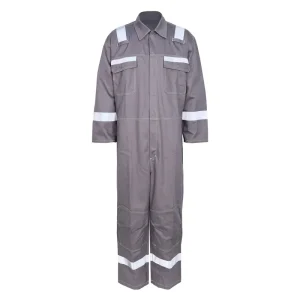
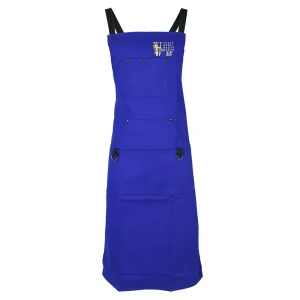
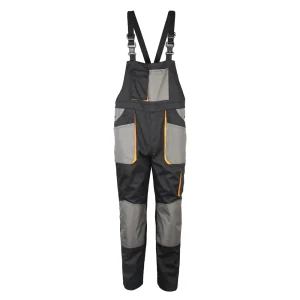
Complete ergonomic line including spats, split-cowhide sleeves, full-coverage coveralls, and specialized bib accessories.