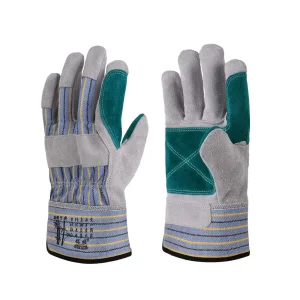
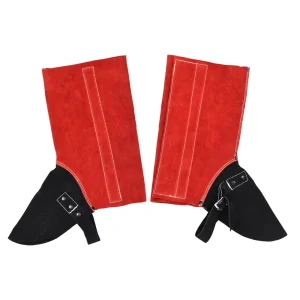
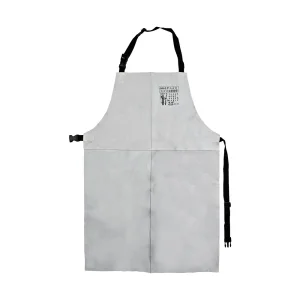
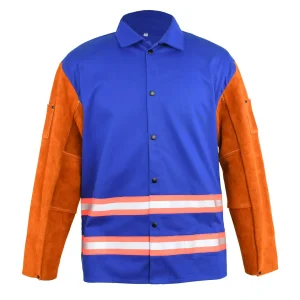
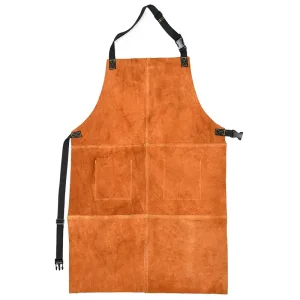
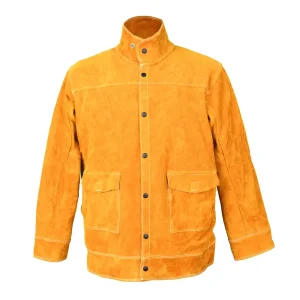
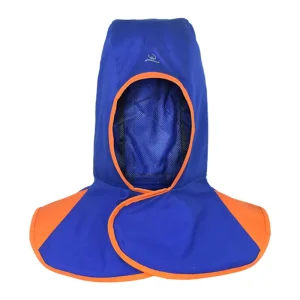
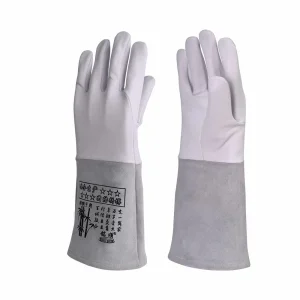
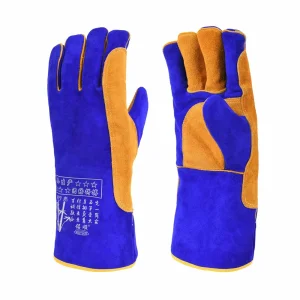
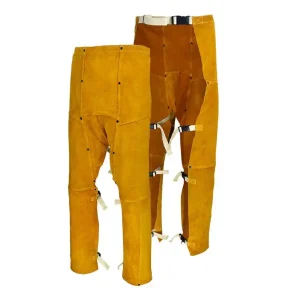
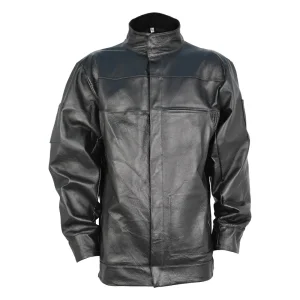
Engineered from premium split cowhide, grain goatskin, and treated FR cotton to eliminate arc flash, extreme thermal load, and spatter hazards across heavy men's industrial operations.
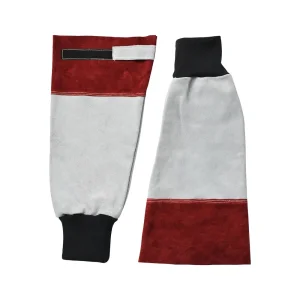
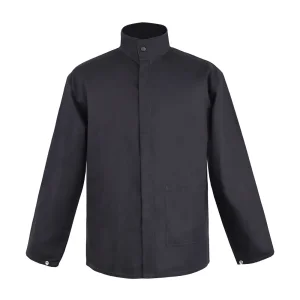
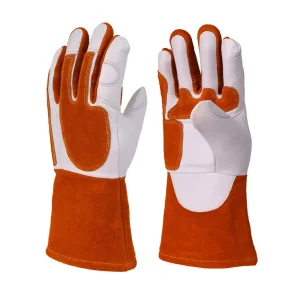
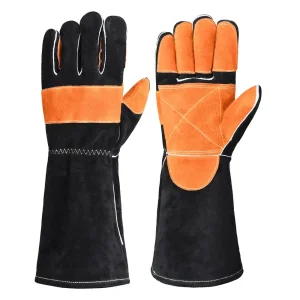
Enterprise supply chain managers face converging operational headwinds: tightening multijurisdictional safety mandates, unpredictable raw material inflation, and the absolute necessity of non-negotiable operator survivability.
Heavy metallurgical, structural welding, and downhole petrochemical operations generate secondary radiant flash up to 1,800°C. Standard off-the-shelf synthetics melt, triggering catastrophic skin adherence. Men's FR apparel must guarantee zero melt-drip characteristics under sustained exposure.
Poorly graded protective clothing results in restricted mobility, operator fatigue, and snag hazards. Ming Shun's pattern matrix engineers expanded shoulder drapes, gusseted underarms, and articulated elbows specifically tailored to male physiological stress vectors during overhead fabrication.
Single-wash degradation destroys procurement margins. By integrating deep-vat phosphorus-polymer chemical bonding and natural chrome-tanned cowhide splits, Ming Shun FR protective garments sustain protective integrity across 50 to 100 industrial wash cycles without mechanical deterioration.
Deploying the proper personal protective equipment (PPE) requires structural evaluation of environmental severity, radiant velocity, and arc thermal performance values (ATPV).
| Material Architecture | Thermal & Arc Flash Threshold | Mechanical Abrasion Resistance | Breathability / Weight Index | Primary Industrial Use Case |
|---|---|---|---|---|
| Heavy Split Cowhide (1.2 - 1.4 mm) | Extreme Radiant / Slag Deflection (1,400°C) | Maximum Cut / Tear / Puncture Resistance | Low / Heavy-Duty Barrier Protection | Heavy Flux-Cored ARC (FCAW), Sub-Arc, Smelting |
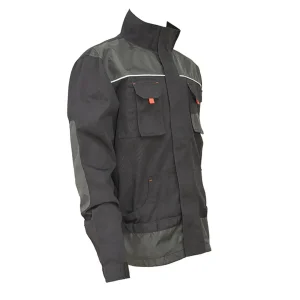
| Hybrid Cowhide + 9 oz FR Cotton | Dual Zone: Thermal Shielding + Flex Points | Targeted Strategic Reinforcement | Balanced Workwear Performance Profile | Automated Automotive Line MIG, Fabrication Yards |
| Chemically Treated FR Cotton (300-350 GSM) | Arc Rating ATPV 8.5 to 12.1 cal/cm² (CAT 2) | Moderate Industrial Resilience | Optimal Comfort, Moisture Vapor Permeable | Petrochemical Maintenance, Structural Piping |
| Grain Goatskin & Pigskin Leather | Direct Flame Flash Resistance / Pliability | High Tensile & Surface Elasticity | High Dexterity Tactile Response | Precision TIG (GTAW) Root-Pass Welding, Caliper Ops |
Unlike downstream converters, Guangdong Ming Shun maintains end-to-end tanning and chemical dyeing operations in Gaozhou. This internal chain of custody controls hide pH, chromium precipitation, and fatliquoring ratios to prevent premature embrittlement near extreme heat.
Standard polyester thread melts at 250°C, causing garment panels to separate under thermal stress. Ming Shun sews critical stress seams with 100% flame-resistant Kevlar® aramid filament thread, engineered with reinforced bar-tacking across high-torque pocket corners and collar points.
Metallic snaps and zippers conduct external current and heat directly to operator baselayers. Our manufacturing blueprints utilize dual-layer leather/cotton flap guards and insulated non-conductive snaps to isolate conductive elements against arc-flash discharge.
Deploying industrial workwear across North America, the European Union, and the Middle East requires strict conformity to diverging regulatory test standards.
Class 1 shields against less hazardous welding techniques and low spatter. Class 2 certifies protection against heavy slag drop, high-amperage MMA, and plasma gouging under intense heat.
Rigorous North American compliance guarding industrial personnel against hydrocarbon flash fire and high-voltage arc-flash, verified via ASTM D6413 vertical flame testing protocols.
Type A gloves feature elevated heat-sink thresholds for heavy MIG operations; Type B balances flame integrity with extreme tactile control required for precision TIG root runs.
Precision mechanical classification for North American procurement groups, verifying puncture defense, cut abrasion tolerances, and thermal contact limits up to Level 5.
As industrial fabrication shifts toward robotic automation and extreme environmental operating standards, PPE ergonomics must evolve in lockstep.
Engineered meta-aramid blends integrating core-spun basalt filaments to lower garment weight below 240 GSM, while pushing Arc Thermal Performance Values beyond 15 cal/cm² for extreme desert heat relief.
Transitioning leather tanning sequences toward vegetable-modified, chromium-free finishing baths. This removes restricted substances, satisfying tightened EU REACH and RoHS environmental mandates.
Prototyping intrinsically safe micro-sensors woven within men's under-arm gussets to transmit real-time worker core heat and dehydration metrics directly to centralized field safety control dashboards.
Technical clarity for international distribution buyers, OEM safety program managers, and field sourcing specialists.
Complete body PPE configurations engineered to shield male operators against molten thermal impact, high-voltage flash arcs, and industrial mechanical abrasion.