
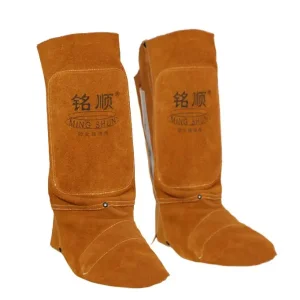
Custom MS-361 Brown Leather Welding Spats Leggings Manufacturers, Factory
Factory-direct welding PPE and protective gear engineered for extreme thermal environments, certified for critical fabrication, structural welding, and heavy industry.
Custom MS-361 Brown Leather Welding Spats Leggings Manufacturers, Factory
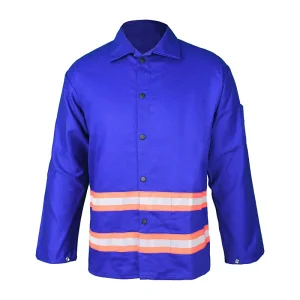
Wholesale MS-1200FR FR Cotton Welding Jacket with Reflective Tape Manufacturer, Supplier
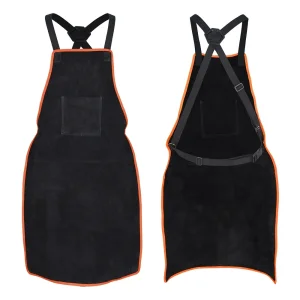
OEM MS-360B Split Leather Welding Apron with X-Back Harness Supplier, Factory
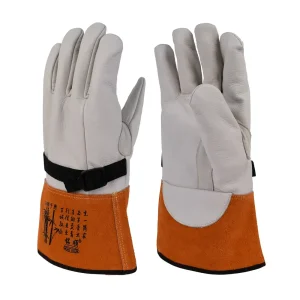
OEM MS-940 Electrician’s Leather Protector Gloves for Electrical Work Suppliers, Factories
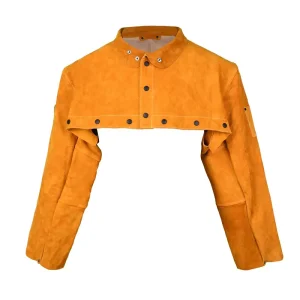
OEM MS-210P Heavy-Duty Split Cowhide Welding Cape Sleeves Manufacturers, Suppliers
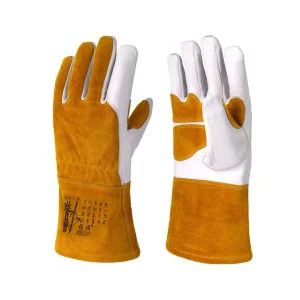
OEM MS-873 Premium Goatskin TIG Welding Gloves, High Dexterity Suppliers, Factories
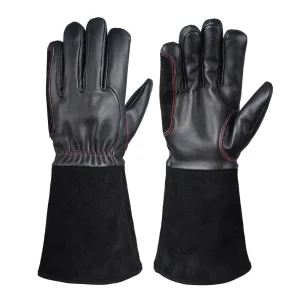
Custom MS-W900R Black Unlined TIG Welding Gloves with Reinforced Pinky Manufacturer, Manufacturers
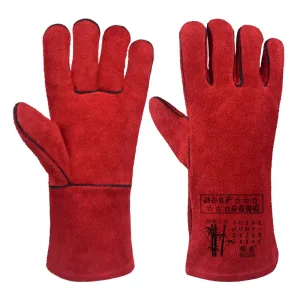
OEM MS-701 14" Stick Welding Gloves, Welted Seams, Cotton Lined Manufacturer, Suppliers
Analyzing key structural changes in manufacturing infrastructure, global safety mandates, and material-grade standardizations dominating the heavy PPE ecosystem.
Unlike synthetics that melt under direct slag exposure, cow split leather harnesses dense interlocking reticular collagen fibers. This natural architecture acts as a thermal barrier, deflecting sparks and resisting localized melt-through in heavy MMA and MIG environments.
By controlling the hide preparation stages in Gaozhou, our processing lines eliminate inconsistent soft-spots and weak flank areas. Wet-blue hides are leveled, chemically treated for pH neutrality, and drum-dyed for colorfast uniformity that withstands continuous industrial wash-down.
Modern enterprise procurement rejects simple neck-loop aprons due to cervical spine fatigue. We engineer cross-back (X-harness) self-balancing straps combined with quick-release acetal buckles, redistributing garment weight evenly over the trapezius and shoulder girdle.
Enterprise safety programs require predictable unit costs, compliant batch documentation, and resilient supply lines. Here is how Tier-1 importers scale custom leather PPE programs.
Define critical tolerances before quoting: leather thickness (1.2–1.4mm vs. 1.4–1.6mm), shoulder width, bib drop, Kevlar stitch density (minimum 4-5 SPI), and double-riveted stress zones to prevent premature field failures and batch rejection.
We separate shoulder split (optimal grain density, uniform flex) from belly split (higher elongation, lower yield). High-wear central chest and thigh panels utilize selected shoulder cuts, while straps utilize reinforced webbing or top-grain trims.
Full support for OEM custom tooling: branded heat-embossed logos, laser etched hardware, customized barcoding, hang-tags, and moisture-controlled carton packs with desiccant treatments ready for containerized ocean shipment.
| Parameter | Standard Industrial Grade | Heavy-Duty Fabrication Grade | Ming Shun Custom Spec Options |
|---|---|---|---|
| Leather Selection | Commercial Split Cowhide | Selected Shoulder Split | Drum-dyed, A/AB Grade Heavy Split |
| Average Thickness | 1.1 – 1.3 mm | 1.4 – 1.6 mm | Customer specified (up to 1.8mm) |
| Seam Thread | Flame-Resistant Polyester | 3-Ply DuPont Kevlar | Continuous Filament Para-Aramid Thread |
| Harness Configuration | Standard Poly Neck Strap | Adjustable Webbing X-Back | Padded Ergonomic X-Harness with Buckles |
| Reinforcement | Single Stitched Points | Bar-tacked Ends | Solid Brass Capped Rivets + Bar-tack |
Ensuring end-to-end alignment with international protective directives while innovating sustainable tanning and ergonomic modular garments.
Testing for flame spread, radiant heat penetration, and molten droplet resistance. Class 2 rating requires withstanding at least 25 droplets of molten metal without breach.
EU markets strictly regulate leather tanning by-products. Our wet-end processes prevent the oxidation of trivalent chromium to Chromium VI (<3 mg/kg threshold compliance).
Roadmap initiative combining heavy split cowhide in direct splatter zones with breathable 9oz / 12oz FR cotton backing to reduce overall garment weight by up to 35%.
Closed-loop water filtration and bio-based fatliquoring agents to reduce volatile organic compounds (VOCs) and minimize chemical footprints across global supply chains.
Direct technical answers addressing production capabilities, material options, quality testing, and ordering procedures for B2B buyers.
Cow split leather is created by slicing the fibrous corium layer from the top-grain surface. While top grain offers smoother cosmetic appearance, cow split possesses higher natural heat and abrasion dissipation characteristics due to its suede-textured, dense fibrous matrix. It is also significantly more cost-effective for replaceable PPE applications subjected to heavy spatter and grinding slag.
All raw hides pass through precision oscillating splitting and shaving machines within our Gaozhou tannery facility. We calibrate hide thickness to tight tolerances (typically ±0.1 mm within an approved target band, such as 1.3–1.5 mm). Furthermore, cutting die operators inspect grain density and elasticity prior to precision die-clicking or automated laser cutting.
Yes. We operate fully equipped in-house pattern and CAD rooms. We build aprons tailored to exact regional ergonomics (e.g., 24"x36", 24"x42", or custom bib drops), specialized split-leg chaps patterns, soapstone/welding rod chest pockets, and quick-release harness attachments based on your CAD drawings or physical reference samples.
Standard industrial aprons feature high-tenacity flame-retardant threads. For heavy fabrication, aerospace, and high-amperage applications, we sew exclusively with 100% DuPont Kevlar or equivalent certified para-aramid 3-ply thread. Critical wear seams incorporate self-leather welting or bar-tacked double stitching along with solid brass capping rivets.
Sample prototypes are typically completed and dispatched within 7–10 working days against your tech pack. Production MOQ generally starts at 500–1,000 units per model depending on leather grade and dye customization. Bulk orders carry an average production cycle of 35–45 days, supported by direct container loadouts from our Gaozhou facility.
Yes. We provide comprehensive technical compliance dossiers including EN ISO 11611 welding protection reports, REACH Annex XVII chemical testing (Chromium VI, azo dyes, pH value), and ISO 9001 factory audit documentation. Customers receive verifiable documentation aligned with target port-of-entry requirements.
Explore our complete manufacturing spectrum including full-coverage split cowhide jackets, reinforced gloves, specialty winter workwear, and high-dexterity PPE.
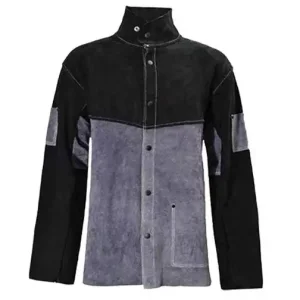
OEM MS-276 30" Split Cowhide Color-Block Leather Welding Jacket Manufacturer, Suppliers
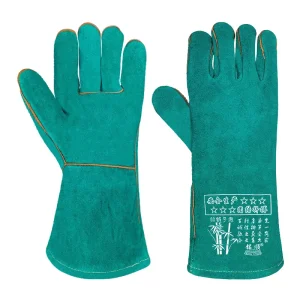
Wholesale MS-785 Leather Welding Gloves Manufacturers, Supplier
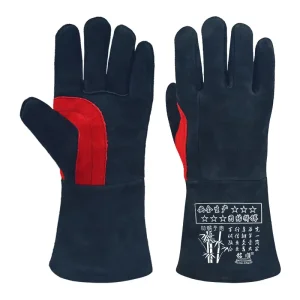
OEM MS-809BR Reinforced Thumb Welding Gloves, Gauntlet Cuff Manufacturers, Suppliers
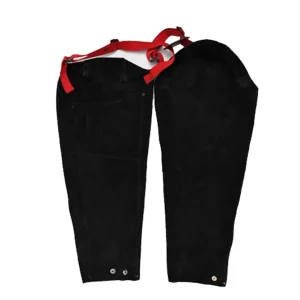
Custom MS-342 Premium Split Cowhide Leather Welding Sleeves Manufacturers, Suppliers
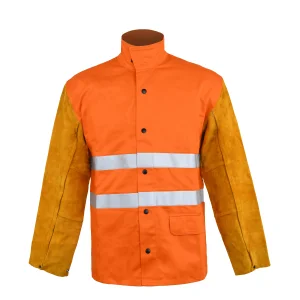
Wholesale MS-280 Hi-Vis FR Welding Jacket with Leather Sleeves Manufacturer, Manufacturers
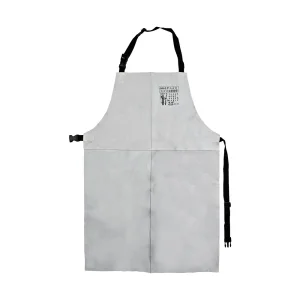
OEM MS-347 Heavy-Duty Split Cowhide Leather Welding Apron Factories, Factory
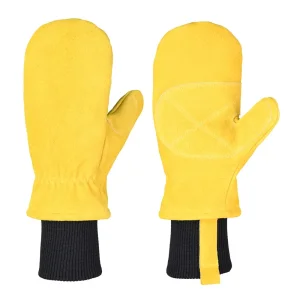
Wholesale MS-2045 Water-Resistant Leather Ski Mittens with Thermal Insulation Factories, Factory
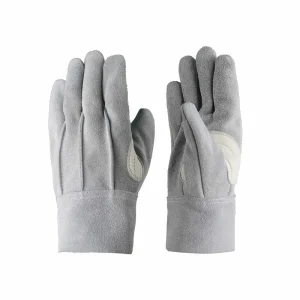
Wholesale MS-W547 Premium Reinforced Split Leather Work Gloves Manufacturers, Factories
