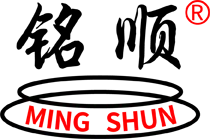
Explore high-spec cold-weather, high-heat, and harsh-environment protective workwear manufactured at our ISO-certified facilities.
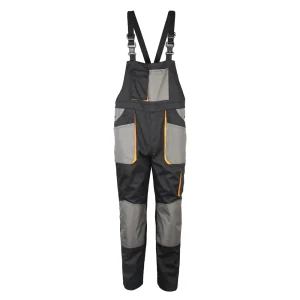
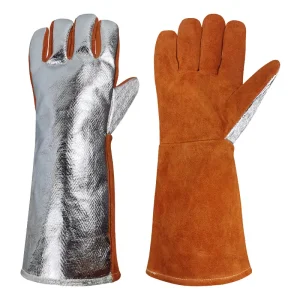
An authoritative analysis of extreme-environment PPE standards, material convergence, and thermal efficiency requirements driving the $3.8B specialized glove sector.
Industrial thermal injuries manifest not merely from conduction, but through dynamic wind-chill factors and hyper-localized moisture ingress. In sub-zero environments ranging from -15°C to -45°C, hands quickly forfeit fine-motor control, reducing worker reaction times by up to 58%. Engineering specialized cold weather gloves demands composite membrane layering that allows vapor dispersion while repelling liquid hydrocarbons and ice crystal saturation.
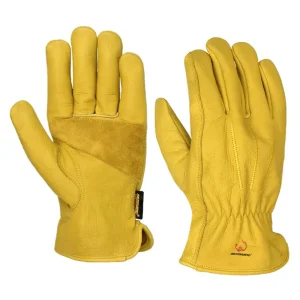
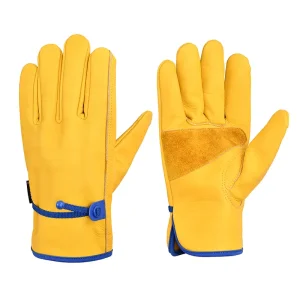
Traditional extreme-cold PPE historically relied on dense batting, rendering the operator incapable of tactile handling, valve management, or interface telemetry. Current industry demand dictates high-performance micro-synthetic insulations (such as aerogel composites, Thinsulate™, and hydrophobic microfibers) paired with pre-curved goat or grain cowhide patterns to preserve precision grip without inducing finger fatigue.
Tier-1 procurement directives now strictly require cross-certified PPE. Hand protection deployed in maritime energy, sub-polar infrastructure, and cold storage logistics must simultaneously satisfy EN 511 (convective, contact cold, and water impermeability) alongside EN 388:2016+A1:2018 or ANSI/ISEA 105-2024 cut and puncture resistance to protect against sharp icy scrap and equipment snags.
How automation, intelligent materials, and eco-tanned hides are converging to reshape cold weather hand protection frameworks.
Integration of ultra-thin, vacuum-stabilized nanoporous aerogel membranes inside glove palms. By mitigating thermal bridges through steel tools and machinery components, our manufacturing matrix reduces bulk thickness by 42% while exceeding EN 511 Contact Cold Level 3 thresholds down to -30°C contact temperature.
Our captive tanneries treat high-tensile cowhide and goatskin fibers with fluorocarbon-free water-repellent polymers during initial drum dyeing. This prevents saturation, stiffening, and cracking after repeated freeze-thaw cycles, ensuring long-term elasticity and preserving tactile responsiveness.
Sub-zero logistics and cold-chain monitoring require interaction with barcode scanners, tablets, and vehicle touch interfaces without glove removal. Our custom designs weave silver-coated conductive nylon threading directly into full-grain leather fingertips to guarantee flawless digital input down to -40°C.
Specific microclimate scenarios engineered to protect human capital, sustain output, and prevent costly safety non-compliance penalties.
Oil & gas rigs operating in high-latitude environments such as Alaska, the North Sea, and Northern Canada encounter extreme wind-chill and brine spray. Gloves must combine TPR (Thermo-Plastic Rubber) back-of-hand impact absorption with impervious microporous TPU liners that prevent hydraulic oil penetration while maintaining flexibility under sub-arctic stress.
In high-throughput deep-freeze warehouses operating at continuous -25°C to -35°C temperatures, picking crews repeatedly contact frozen cardboard and steel racks. Moisture buildup inside gloves due to metabolic sweat is the principal vector of heat loss. Our micro-terry moisture-wicking fleece keeps hands bone-dry, eliminating internal condensation and numbness.
Operating outdoors in winter requires combined protection against thermal dissipation, grinding sparks, sharp rebar, and flame exposure. Hybrid models feature heat-resistant split cowhide outer shells stitched with Kevlar® thread, layered over flame-retardant thermal insulation for robust dual-hazard defense.
Why multinational safety brands, government procurement bodies, and wholesale distributors trust Ming Shun for custom manufacturing.
Unlike factories relying on third-party tanners, Ming Shun directs leather processing from raw hide selection through splitting, retanning, and waterproofing. This guarantees uniform thickness, tactile elasticity, and identical color batches year after year.
Provide tech packs, CAD sketches, or physical reference samples. Our computer-guided pattern cutters rapidly optimize seam placement, reducing seam friction along knuckles and expanding range-of-motion across palm joints.
Our OEM finishing lines provide high-definition rubber badging, heat transfer branding, high-visibility reflective piping, custom barcoded retail boxes, and user manual translations compliant with European PPE Regulation (EU) 2016/425.
Testing protocols at four key production stages: tensile leather peel strength testing, hydrostatic water-column assessment on inner liners, seam burst testing, and complete visual inspections before final export crating.
Comprehensive engineering, regulatory, and supply chain insights for global procurement directors and technical safety officers.
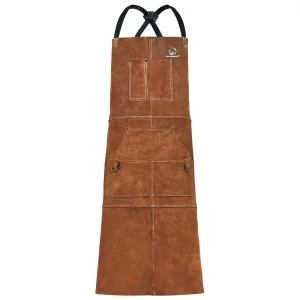
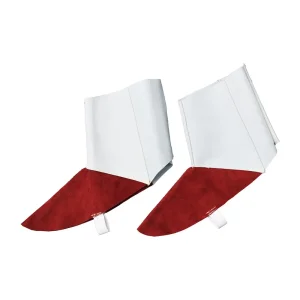
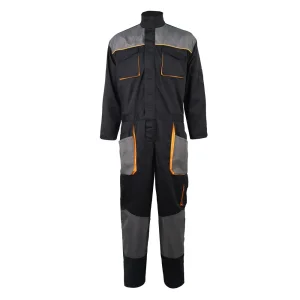
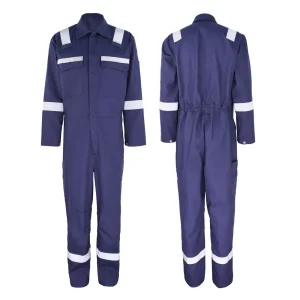
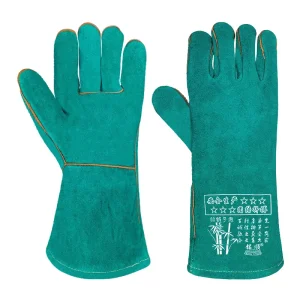
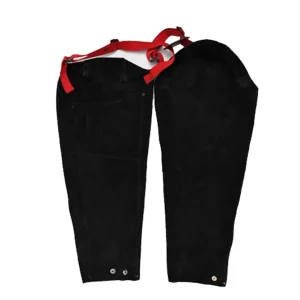
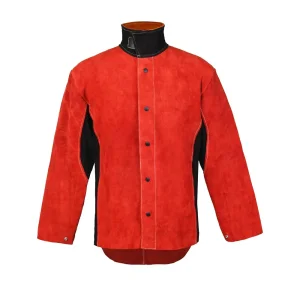
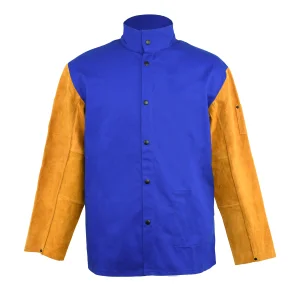
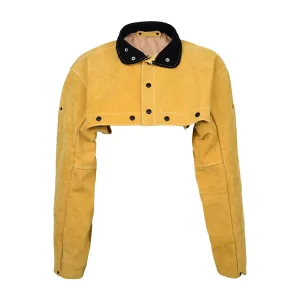
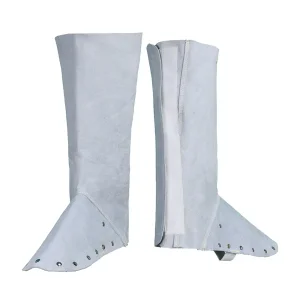
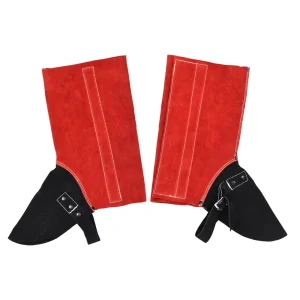
Factory-direct PPE, heavy-duty split cowhide spats, FR jackets, and specialized high-abrasion work gloves available for OEM bulk supply.