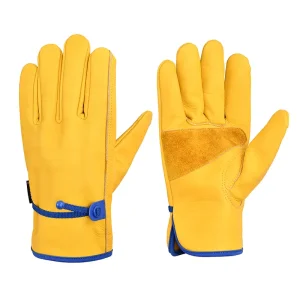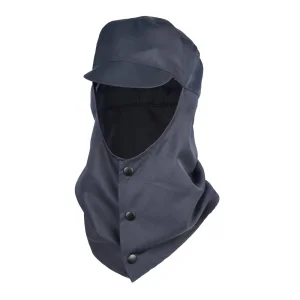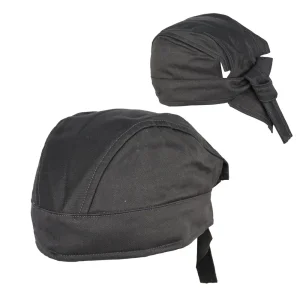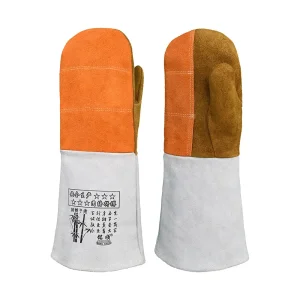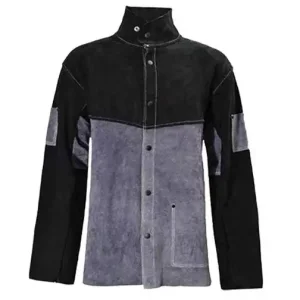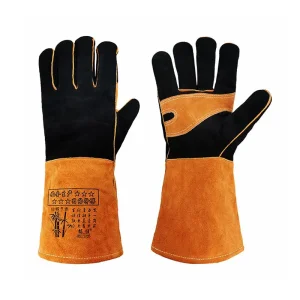
Custom MS-710F Fur-Lined Split Cowhide Winter Welding Gloves
Explore Specification
Precision manufactured in Gaozhou under standardized leather processing, thermal lining containment, and flame-retardant structural assembly.
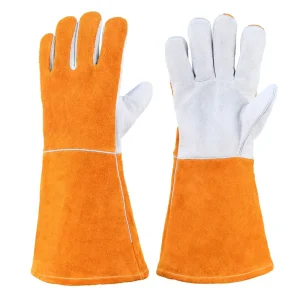
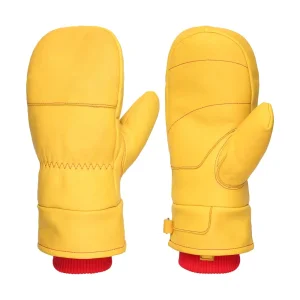
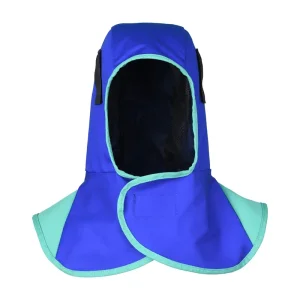
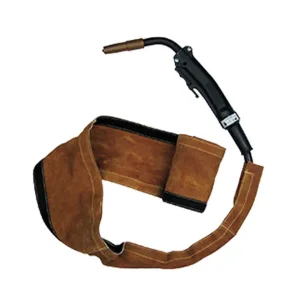
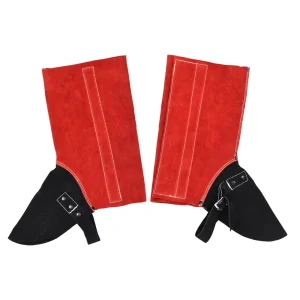
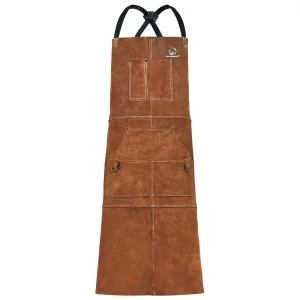
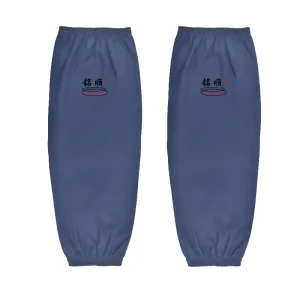
From monolithic bulk to advanced thermodynamic heat-retention composites: how high-latitude petrochemical, cryogenic, and civil infrastructure are redefining winter work glove engineering.
Traditional winter gloves depended upon single-density dense shearling linings that suffered from compression loss and moisture saturation. Modern high-performance variants deploy three-tier composites: hydrophobic external grain or split leather, a windproof breathable microporous TPU interlining, and trapped-air fleece or artificial fur insulation yielding Clo values exceeding 2.2.
Arctic and sub-zero structural fabrication involves conflicting physical mechanics: mitigating extreme frostbite risks while maintaining flame retardancy (EN 12477) and contact heat dispersal up to 250°C. Modern manufacturing utilizes Kevlar® aramid stitching together with chemically modified chrome-tanned cowhide to eliminate heat transference and crystallization cracking.
Sub-zero conditions rapidly stiffen conventional split leather fibers. Utilizing specialized fatliquoring oil formulations in raw hide treatment preserves flexural elasticity down to -35°C. Pre-curved keystone thumb engineering and seamless palm reinforcements dramatically diminish grip fatigue during continuous steel hoisting and cold MIG gun triggering.
Analyzing key decision factors across North American, Nordic, and Eurasian distribution networks: what chief procurement officers prioritize when selecting an OEM manufacturing partner.
Winter industrial PPE follows rigid purchasing cycles. Procurement teams require audited production capacities exceeding 500,000 pairs monthly, guaranteed 45-day lead times from sample sign-off, and streamlined container stuffing schedules to secure seasonal dock intake before polar weather peaks across key regional hubs.
Global multi-site procurement operations demand verified compliance across both EN 511 (convective & contact cold resistance) and ANSI/ISEA 105 standard ratings. Independent laboratory verification certificates must confirm zero hazardous Azo dyes, Chromium VI levels below 3 mg/kg, and sustained stitch integrity post mechanical stress testing.
Importers leverage custom die-cast branded silicon pull tabs, hot-stamped logos, thermal transfer sizing charts, and retail barcoding with custom inner polybags. Full OEM customization requires dedicated pattern-making teams capable of modifying gauntlet cuff lengths, wrist closures, and insulation gram weights on demand.
Direct tannery integration eliminates leather fiber variance. Sourcing executives rely on complete backward batch traceability from selected cattle hides to the final sewn item, ensuring consistent 1.2mm-1.4mm thickness, standardized dye fastness, and defect-free insulation stitching across recurring annual reorders.
How tailored cold-weather hand protection solves real occupational safety challenges across heavy infrastructure, oil & gas terminals, and arctic fabrication.
Navigating extreme marine spray, sub-zero wind chills, and hydrocarbon exposure requires heavy-duty water-repellent treated split cowhide combined with internal impermeable barriers. Reinforced palm patches provide high friction control on oil-slicked piping and cold valve linkages.
Handling liquid nitrogen vessels, dry-ice storage, and frozen distribution logistics necessitates non-conductive insulation matrices. The interior fleece lining prevents rapid cryogenic heat transfer, preventing occupational cold contact burns and tissue necrosis.
Structural fitters operating at high elevations face violent ambient wind chill. Extended gauntlet cuffs with adjustable Velcro or elastic gathers seal out downdrafts over jacket sleeves, while A-grade split cowhide provides class-leading EN 388 puncture and abrasion resilience.
Removing supply chain frictions through comprehensive international certification, third-party laboratory verification, and proactive regulatory foresight.
Every industrial winter glove model undergoes formal type-examination testing by accredited European notified bodies. Complete technical documentation packages, test metrics for convective cold (Level 1-4) and contact cold, and EU Declarations of Conformity (DoC) accompany each commercial container shipment.
With direct oversight of chemical tanneries in Gaozhou, all leathers and textile liners strictly comply with EU REACH restrictions. Systematic gas chromatography guarantees zero presence of pentachlorophenol (PCP), formaldehyde, azo colorants, or lead, satisfying California Proposition 65 requirements.
Multilingual B2B technical consultants guide procurement teams through tariff codes, Form E or CO documentation, palletization guidelines, and customized carton drop testing. Our responsive post-delivery QC protocol provides immediate accountability and engineering root-cause resolution.
Ming Shun's ongoing investments into sustainable tanning, lightweight aerogel insulation, and digitized ergonomic performance modeling.
Prototyping synthetic silica aerogel composites into the dorsal hand panels of sub-zero welding gloves. Achieving thermal conductivity values lower than air (≤ 0.015 W/m·K) will slash glove bulk by 40% while doubling contact cold threshold limits for sub-arctic welding.
Accelerating industrial research into metal-free, synthetic zeolite and vegetable-derived tanning processes. This eliminates environmental chromium effluent while preserving identical heat-deflection traits, supple hand feel, and high tensile break resistance in cowhide.
Deploying computer-aided dynamic stress analysis to sculpt multi-curved palm patterns. By isolating zones of high flexion tension, seam locations are strategically relocated, tripling operational glove lifespan and maximizing dexterity for precise valve and tool work.
Direct engineering insights into manufacturing minimums, cold weather performance metrics, leather treatments, and OEM customization protocols.
We offer customized insulation configurations depending on your target operational temperature: dense synthetic polar fleece for general cold warehouse handling (-5°C to -15°C), thick modacrylic synthetic fur for heavy welding and construction (-15°C to -30°C), and hybrid multi-layer aluminized foil membranes for radiant heat combined with sub-zero windbreak resistance.
Standard leather stiffens as internal moisture and untreated fats freeze. At our Gaozhou tannery facility, selected cowhide hides undergo specialized cryo-fatliquoring conditioning using synthetic, low-pour-point branched oils. This ensures the collagen fiber bundles remain pliable down to -35°C without surface cracking or fiber brittleness.
For custom OEM/ODM branded styles (including bespoke leather dyeing, custom embossing, and branded woven labels), our standard MOQ is typically 1,200 to 2,400 pairs per model. Bulk manufacturing cycles average 40 to 45 business days following technical tech-pack and prototype approval, supported by our 500,000+ pairs monthly factory throughput.
Yes. We supply official Type-Examination CE Certificates along with accredited lab reports verifying EN 388 mechanical durability, EN 511 cold resistance, and EN 12477 thermal welding standards. Model-specific test reports, including azo dye, chromium VI, and pH compliance checks, are provided with export shipments.
Engineered to deliver full-body thermal resistance, abrasion protection, and durable workplace safety across industrial environments.