
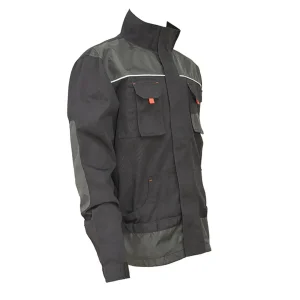
Engineered for high-intensity petrochemical processing, heavy machinery maintenance, and maritime operations across the Amsterdam-Rotterdam-Antwerp (ARA) corridor.
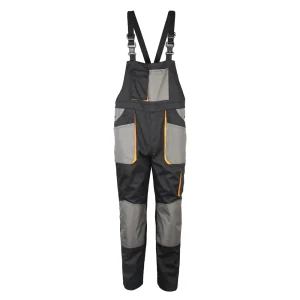
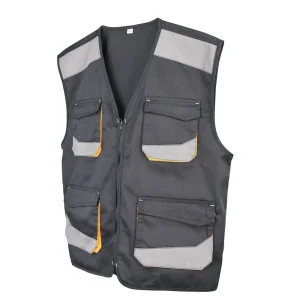
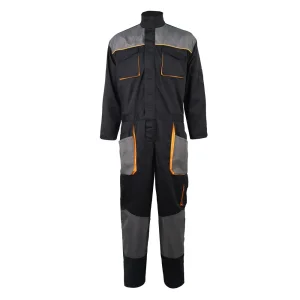
A data-backed look at how circular economy directives, stringent ARBO safety standards, and maritime-petrochemical operations dictate safety apparel requirements in the Dutch region.
The Netherlands serves as Europe's central gateway. The Port of Rotterdam and maritime industrial clusters handle complex multimodal transshipment, major chemical refining, and extensive North Sea offshore wind infrastructure. In these demanding environments, standard utilitarian garments fail.
Workwear deployed in the Dutch territory must align strictly with local Arbowet (Working Conditions Act) standards and harmonize with European Union directives including PPE Regulation (EU) 2016/425. Key requirements include:
Across the international manufacturing theater, safety apparel sourcing has transitioned from simple cost-per-unit procurement to holistic risk management. Raw material unpredictability, heightened shipping volatile indexes, and changing sustainability mandates challenge conventional distribution.
Modern European brand owners and tier-1 safety distributors maintain competitive advantages by partnering directly with integrated primary manufacturers. By controlling the complete transformation funnel—from raw bovine hide grading and flame-retardant chemical treatment to automatic laser pattern drafting—our production framework eliminates tier fragmentation.
Bridging traditional metallurgical protection with digital tracking, bio-synthetic composites, and ergonomic modularity.
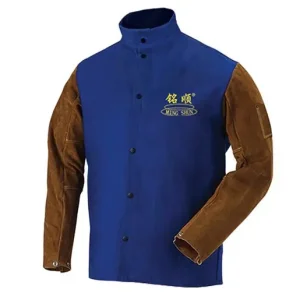
Fusing high-density split cowhide reinforcement across high-abrasion flex points with lightweight 9 oz intrinsic FR cotton cores to prevent worker fatigue while preserving Class 2 weld spatter protection.
Multi-directional stress tensile testing, Martindale 50,000-cycle abrasion checks, and electric arc open-box characterization ensuring full CE compliance before dispatch to European terminals.
Embedding laundry-durable UHF transponders directly into seam cuffs, facilitating Dutch enterprise-scale automated industrial washing, tracking wear cycles, and fulfilling EU CSRD supply audits.
Designing patterns for modular disassembly, enabling effortless separation of Nomex stitching, heavy metal snaps, and dyed split leather for localized circular textile recovery.
We work directly with distributors, wholesale brands, and safety supply houses across Amsterdam, Rotterdam, Eindhoven, and Utrecht. Custom tech packs, localized sizing, and certified test documentation.
Send Inquiry NowDeploying specialized protective ensembles engineered to combat specific ambient threats across key Dutch commercial zones.
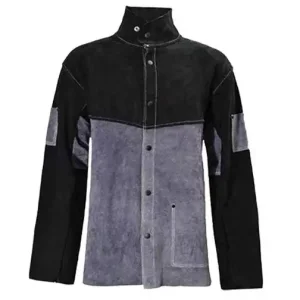
Naval dry docks and container terminals involve severe radiant heat, cutting torch spatter, and marine corrosion. Technicians require heavy split-leather jackets coupled with high-mobility canvas trousers equipped with closed-cell knee inserts to prevent chronic joint fatigue during compartment overhauls.
Continuous presence of volatile hydrocarbons mandates strict adherence to antistatic EN 1149-5 standards alongside flame-retardant protection. Inherent carbon-core conductive filaments embedded in high-grade FR cotton coveralls eliminate spark discharge risks during valve and pipeline servicing.
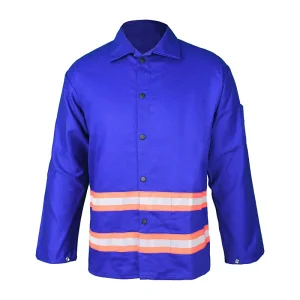
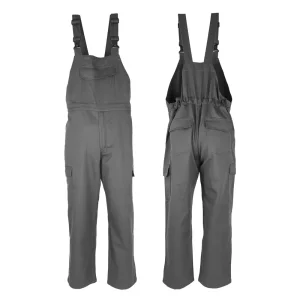
Operating hundreds of feet above saltwater environments demands maximum flexibility, high-visibility EN ISO 20471 accents, and absolute windproof integrity. Our hybrid multi-pocket bibs incorporate weather-sealed YKK fasteners and tool loops rated for drop-prevention tethering.
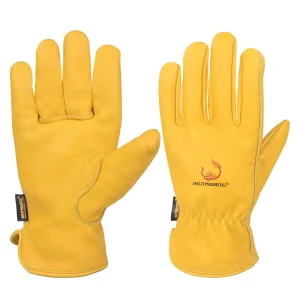
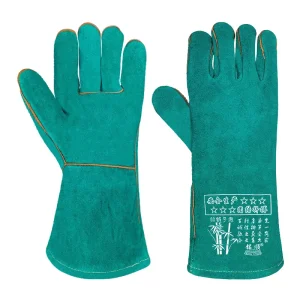
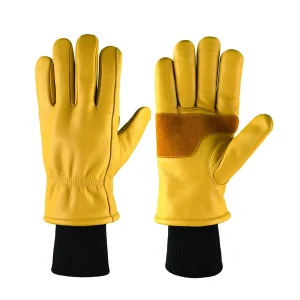
Explore our extensive line of flame-resistant jackets, full-body protective bibs, and cowhide welding gloves supplied directly from our modern production floors to European importers.
Direct answers for Dutch safety product distributors, purchasing executives, and commercial importers.
Our complete manufacturing range is engineered to comply with the European Union PPE Regulation (EU) 2016/425. Specific lines are validated against EN ISO 11611 (welding and allied processes), EN ISO 11612 (flame and thermal hazards), EN 1149-5 (electrostatic properties), EN ISO 20471 (high visibility), and EN 388 / EN 12477 (mechanical and welding hand protection). We supply comprehensive CE Type Examination Certificates and technical files issued by accredited European Notified Bodies prior to shipment dispatch.
We provide full-spectrum OEM/ODM development. Starting from your technical packs, digital drawings, or physical reference garments, our pattern room adapts fits to Dutch and Northern European anatomical specifications (including longer inseams and extended sleeve dimensions). Customization extends to flame-retardant embroidery, high-visibility reflective transfer striping, customized branded silicone pullers, bespoke woven care labels compliant with Dutch labeling legislation, and retail-ready packaging.
Operating a vertically integrated industrial facility with over 1,000 skilled operators, our glove manufacturing capacity exceeds 500,000 pairs monthly, complemented by extensive automated garment assembly lines. Prototype sampling typically takes 7 to 10 days. Bulk production cycles average approximately 45 days. Direct maritime shipping from our southern manufacturing docks to the Port of Rotterdam generally requires 24 to 28 days transit time, with urgent air freight options available via Amsterdam Schiphol.
Conventional treated cotton fabrics often degrade after consecutive industrial washes, while pure heavy leather creates ergonomic strain and thermal exhaustion. Our hybrid construction combines premium 9 oz intrinsically treated or high-grade flame-resistant cotton in core torso sections with high-density split cowhide across the primary spatter and high-abrasion zones (forearms, shoulders, and thigh shields). All seams are sewn with multi-strand Kevlar/Aramid thread to prevent thermal seam rupture under direct spark exposure.
Because we operate internal leather processing, dyeing, and automated fabric cutting, we maintain continuous in-process quality control (IPQC) throughout every stage. Testing includes Martindale abrasion checks, tear strength validation, dye crocking resistance, and seam tensile rupture benchmarking. Detailed Certificate of Analysis (CoA) reports accompany every shipping container, ensuring that batch 50 exhibits the exact physical parameters as your signed golden sample.
