Premium thermal barriers, high-density split cowhide, and multi-layer windproof construction tailored for Absheron offshore gusts and interior continental freezes.
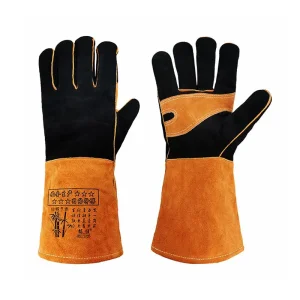
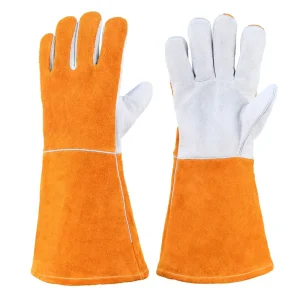
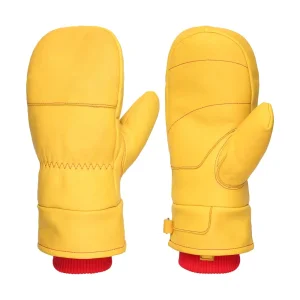
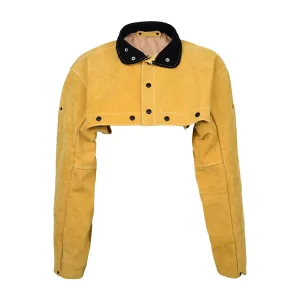
A comprehensive examination of occupational hand hazards across Baku’s marine hubs, the Ganja heavy manufacturing corridor, and high-altitude oil-gas logistics.
Azerbaijan presents a unique dual-challenge for personal protective equipment (PPE). The Absheron Peninsula experiences severe, gale-force northern winds known locally as the Khazri, which drive wind chill factors well below freezing while driving airborne salt spray and grit across offshore oil platforms like the Azeri-Chirag-Gunashli (ACG) complex and the Shah Deniz gas fields.
Concurrently, interior regions including Dashkasan, Ganja, and the mountainous Caucasian transit networks encounter prolonged sub-zero temperatures dropping below -15°C with heavy snowfalls. Standard winter gloves rapidly saturate, losing insulating value and stiffening in hydrocarbon contact. Industrial procurement demands a glove chassis that integrates water/oil-repellent top-grain leather with non-compressible insulative linings such as Thinsulate™ or dense micro-fleece, preserving flexibility and grip dexterity under severe convective heat loss.
Safety audits conducted by SOCAR (State Oil Company of Azerbaijan Republic) and international energy joint ventures (such as BP Azerbaijan) enforce rigorous dual-standard testing. Protective gloves supplied to infrastructural operations must maintain verifiable certification cross-referencing European EN standards and regional post-Soviet GOST frameworks.
Thermal hand protection must achieve minimum EN 511 ratings (Level 2 or 3 for convective cold and contact cold) while concurrently fulfilling EN 388 mechanical risk thresholds (minimum 3242X for abrasion, tear, and puncture resilience). Ming Shun ensures full documentation traceability from raw hide lot testing to finalized batch-release declarations, providing seamless customs clearance via Baku International Sea Trade Port (Alat) and Heydar Aliyev International Airport cargo terminals.
Direct manufacturing synergy in Gaozhou, Guangdong combined with Trans-Caspian International Transport Route (TITR) logistics delivers rock-solid procurement stability.
By leveraging the direct rail links connecting western China through Aktau or Kuryk port in Kazakhstan straight into the Port of Alat (Baku), transit times for multi-container bulk orders are reduced to 16–22 days, insulating Azerbaijani corporate buyers from Mediterranean sea congestion.
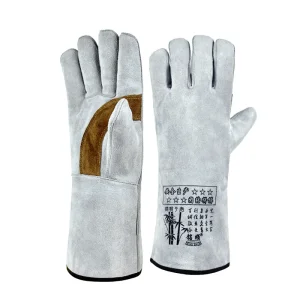
From company-branded silicone palm grips tailored for icy pipe manipulation to specialized extended split cowhide gauntlets that accommodate heavy insulated winter jackets, our Gaozhou engineering workshop develops samples from your CAD tech packs within 5 business days.
Ming Shun's in-house tanneries enforce strict quality control on tensile strength, chrome levels, and moisture threshold before cutting. This eliminates standard trading-company defects such as leather stiffening, lining shedding, or premature seam degradation during winter freeze-thaw cycles.
Engineered to mitigate specific operational risks encountered across the Caucasus and Caspian energy infrastructure.
Drill floor operators and derrick workers handle slippery steel cables and pipe collars under sub-zero spray. Gloves require oil-resistant cowhide with reinforced palm padding and thermal waterproof membranes.
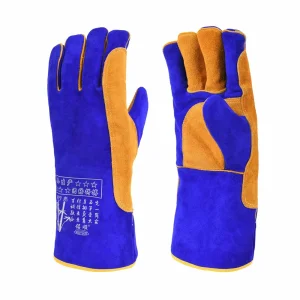
Field repair technicians face rapid mountain weather shifts, continuous welding tasks, and abrasive pipe beveling. Solutions demand dual-rated EN 12477 Type A gloves with thick thermal insulating flannel linings.
Structural fitters and welders operating in high-exposure open-air dry docks require high-mobility goatskin shells lined with fleece to execute precision TIG welds in cold, damp maritime winds.
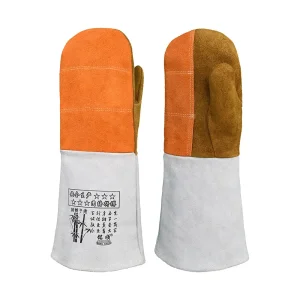
High-altitude open-pit operations generate extreme abrasive wear from frozen iron ore and quarry stone. Heavy-duty cow split leather mittens and reinforced gloves protect against mechanical crushing and contact frostbite.
Plant operators handling material transfers during winter cold spells require protective gloves with specialized chemical and splash resistance integrated alongside thermal windproof linings.
Intermodal yard crews, crane riggers, and freight car switchers demand durable work gloves with high EN 388 tear resilience and high-visibility backhand piping for safety during low-light winter shunting operations.
Explore our complete export range for international safety distributors, regional EPC contractors, and private-label PPE partners.
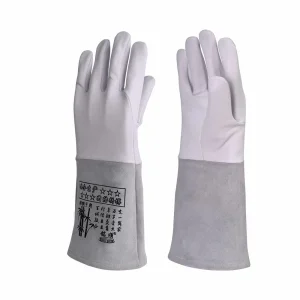
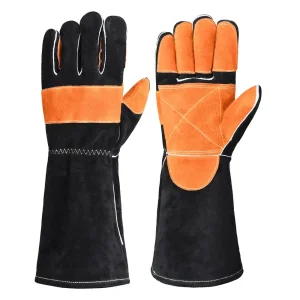
Direct technical answers addressing minimum orders, cold-testing criteria, Middle Corridor shipping routes, and OEM customization.
Our offshore winter models feature specially treated siliconized cowhide or oil-tanned grain leather that repels brine penetration. Beneath the leather exterior, we integrate a breathable windproof/waterproof TPU barrier combined with 120–200gsm dense thermal insulation. This ensures hands remain dry and warm even when operating in gale-force winds (the Khazri) across the Absheron shoreline.
Yes. Our export products carry genuine CE certification issued by recognized European Notified Bodies (such as CTC, SATRA, or TÜV). Applicable models have verified test scores for convective cold, contact cold, and mechanical resistance (abrasion, cut, tear, and puncture). All technical documentation, declaration of conformity (DoC), and batch test reports are supplied prior to shipping for submission to SOCAR or international EPC audits.
We primarily utilize the Middle Corridor (TITR rail route) via Kazakhstan into the Port of Alat, which takes approximately 18–24 days. For urgent project replenishment, multimodal air freight directly into Heydar Aliyev International Airport (GYD) delivers samples and critical lots within 5–7 days. Standard container production cycles are around 40–45 days following formal sign-off on pre-production golden samples.
Absolutely. As a direct manufacturer, our in-house printing and packaging line can produce customized trilingual labeling (Azerbaijani, English, Russian) including country-specific barcoding, conformity marks, size scales (Sizes 8/M to 12/3XL), and user instruction sheets in accordance with local consumer and industrial safety regulations.
Our standard MOQ for custom OEM production (with client brand embossing, woven cuffs, and custom lining specifications) is typically 1,200 to 2,400 pairs per style depending on raw material sourcing. For standard in-stock product chassis requiring simple external branding or private hangtags, we offer flexible starter quantities starting at 600 pairs.
Contact our technical PPE sales engineering team to receive complete CE technical dossiers, current production price matrices, and custom prototype samples dispatched directly to your headquarters.
Send Inquiry Now