
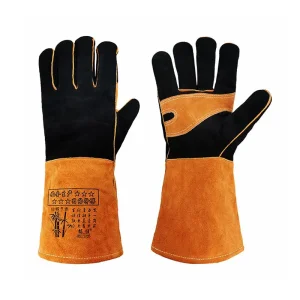
Direct factory manufacturing for extreme low-temperature resilience, insulated cowhide construction, and high-abrasion resistance across cold blast freezers, refrigerated container yards, and highland worksites.
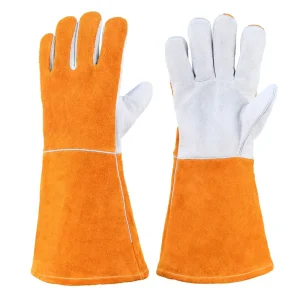
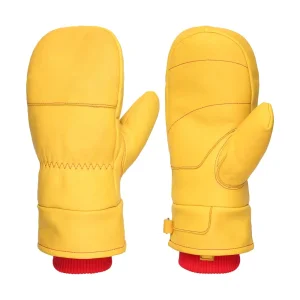
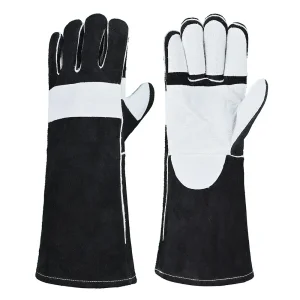
While the Republic of the Philippines is internationally categorized as an equatorial maritime nation characterized by high relative humidity and tropical ambient temperatures (26°C to 34°C), the domestic demand for certified thermal-protective handwear, heavy fleece-lined work mittens, and insulated industrial gloves has experienced unprecedented expansion over the past five years.
This surge is directly propelled by modern cold-chain infrastructure initiatives spanning Calabarzon (Cavite, Laguna, Batangas), Central Luzon (Clark, Subic), Metro Cebu, and General Santos City. As the country elevates food safety, cold storage logistics, vaccine cold-chains, and modern meat processing facilities, hundreds of thousands of workers operate in sustained sub-zero blast-freezer atmospheres (-18°C to -35°C).
"Operating in blast freezers situated in tropical climates introduces extreme thermal cycling. When logistics operators transit between external +32°C 85% RH and internal -25°C environments, conventional gloves face rapid condensation saturation, freezing moisture inside the liner, and causing immediate chilblains and grip failure."
Guangdong Ming Shun Labour Protective Products Co., Ltd. solves this structural engineering challenge by supplying customized multi-barrier winter gloves that combine hydrophobic split cowhide, moisture-wicking fleece membranes, and dense synthetic insulation tailored directly for B2B importers and government industrial contractors across the Philippines.
Outside of industrial refrigeration, high-altitude commercial agricultural belts in Benguet, Baguio City, and Atok routinely experience winter dawn temperatures plunging to 6°C to 10°C, compounded by frost and heavy moisture. Farm workers handling high-value vegetable harvesting, post-harvest sorting, and high-altitude transport require water-resistant thermal split cowhide gloves that maintain flexible motor control without stiffening.
The Philippines' premier tuna capital processes millions of metric tons of frozen yellowfin and skipjack at core temperatures below -20°C. Factory operators desensitized by cold risk acute musculoskeletal disorders (MSDs) and hand-arm vibration syndrome (HAVS). Our dense fur-lined and fleece-insulated cowhide series provide the mechanical puncture resistance needed for frozen spines while maintaining EN 511 Level 2 convective and contact cold ratings.
Understanding how raw cowhide selection, breathable water-repellent interlinings, and synthetic microfibers combat convective, contact, and radiant cold transfer.
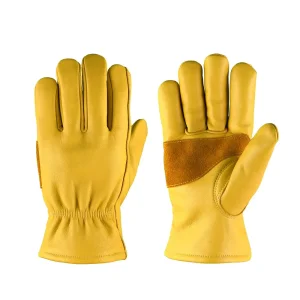
We source top-tier heavy split cowhide (1.2mm - 1.4mm thickness) processed in our dedicated Gaozhou tannery. The hide undergoes specialized oil-tanning and silicone-impregnation treatments, ensuring water-repellency while resisting the brittleness that occurs when organic leather enters -30°C cryogenic zones.
To eliminate the tropical dew-point failure mode, an ultra-thin TPU or PTFE film is laminated beneath the leather shell. This barrier prevents liquid brine, melting frost, and ambient vapor from penetrating inward while facilitating micro-vapor evacuation generated by hand transpiration.
Thermal insulation is achieved through trapped dead air. Utilizing high-loft synthetic polar fleece (250gsm to 380gsm) or dense artificial shearling fur, heat radiates back to the palm without adding excessive bulk, enabling precision grasping of frozen metal pallets, valves, and packaging machinery.
| Thermal Glove Classification | Core Materials & Architecture | Temperature Envelope | EN 511 Standard Metric | Target Philippine Commercial Application |
|---|---|---|---|---|
| MS-710F Heavy Fur Insulated | Split Cowhide + 350gsm Synthetic Fur Lining | -25°C to 0°C | Convective: Level 2 | Contact: Level 2 | Deep blast freezing, maritime reefer repair, cold storage palletizing |
| MS-760F Thermal Gauntlet | Reinforced Cowhide + Flame Retardant Fleece | -30°C to +150°C (Dual) | Convective: Level 3 | Contact: Level 2 | Cryogenic piping, hot/cold piping maintenance, dual-hazard LNG yards |
| MS-GVR05 Polar Work Mitten | Flexible Pigskin/Cowhide + Dual-Layer Fleece | -40°C to -10°C | Convective: Level 4 | Water Perm: Level 1 | Prolonged sub-zero sorting, cryogenic air separation plants, Batangas LNG |
| MS-935 / MS-937 Water-Resistant | Hydrophobic Grain Leather + Moisture Cuff | -5°C to +15°C | Convective: Level 1 | Water Impermeable | Benguet cold agriculture, chilled beverage sorting, wet-market cold chains |
From central Luzon logistics parks to Mindanao agro-industrial processing hubs, our glove lines mitigate occupational frostbite, numbness, and mechanical shear.
Distribution centers supporting modern hypermarkets and e-commerce cold chains require personnel to operate reach trucks and handheld barcode terminals inside -22°C chambers. MS-710F and MS-935 models offer high tactile sensitivity across the finger pads while shielding the carpal tunnel from contact freezing during extended 8-hour shifts.
Liquefied Natural Gas (LNG) bunkering and cryogenic air separation facilities handle transfers down to -162°C. While specialized cryo-suits handle direct spill emergencies, routine mechanical valving, line maintenance, and cylinder charging rely on our heavy split-cowhide gauntlets to prevent instant flash freezing of flesh to brass and steel valves.
High-volume processing of frozen pork, beef cuts, and deboning tasks require gloves that combine extreme cut and puncture resistance with thermal insulative liners. Ming Shun’s hybrid leather gloves prevent knife deflection hazards while protecting slaughterhouse line operators from chronic joint inflammation caused by chilled moisture exposure.
Purchasing officers and Environmental Health and Safety (EHS) directors operating in the Philippines must comply with Republic Act No. 11058 (Occupational Safety and Health Standards Act) and the Department of Labor and Employment (DOLE) Bureau of Working Conditions (BWC) directives. Failure to supply certified PPE for temperature extremes exposes employers to severe operational stop-orders and administrative penalties.
Ming Shun exports thermal hand protection fully aligned with the technical requirements of the Bureau of Philippine Standards (BPS) and internationally accepted certification equivalence:
Located in Gaozhou, Guangdong, Ming Shun operates in close proximity to major shipping ports (Nansha, Shenzhen, Hong Kong). This geographic advantage ensures rapid maritime container transit directly to:
Full documentation support: Certificate of Origin (Form E - ASEAN-China Free Trade Area for zero or preferential tariffs), commercial invoice, packing list, and test certificates provided seamlessly.
Request Philippine Duty-Free Form E Supply DetailsHow Ming Shun is driving forward thermal insulation technology for equatorial and sub-zero industrial buyers through 2026-2030.
Implementing vegetable and organic tanning chemistry across split hides, minimizing effluent footprint while increasing low-temperature leather grain flexibility below -35°C.
Embedding micro-encapsulated Phase Change Materials (PCMs) within the fleece layer to actively regulate internal palm microclimates across high-frequency warm-to-freezer door transits.
Integrating silica aerogel blankets at 2mm thickness, offering 3x the thermal resistance of traditional high-loft synthetics, revolutionizing high-dexterity cold mittens.
R&D on passive thermal and pressure-mapping thread sensors embedded in work gloves to warn blast-freezer supervisors before hand numbness and nerve damage set in.
Complete product portfolio available for OEM branding, wholesale procurement, container shipments, and distributor supply contracts across the Philippine archipelago.
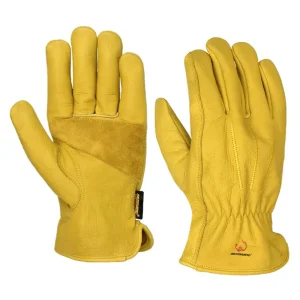
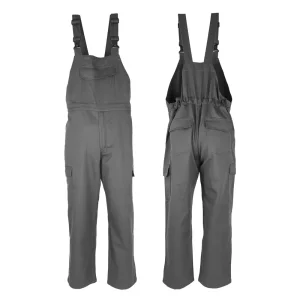
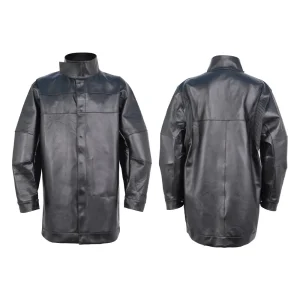
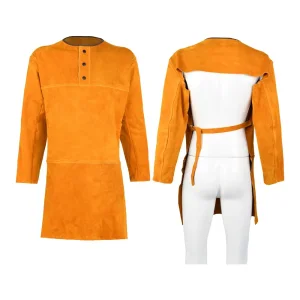
Detailed technical, logistics, certification, and procurement answers for supply chain managers, distributor buyers, and corporate safety heads.
While external climate conditions in the Philippines are tropical, internal industrial environments require sustained thermal management. Major domestic drivers include the multi-billion-peso expansion of modern cold storage warehouses, meat and seafood freezing facilities in General Santos, Manila, and Bulacan (-18°C to -35°C), LNG marine handling terminals in Batangas (-162°C piping zones), and high-altitude agricultural belts in Benguet and Baguio where winter morning frost drops to single-digit Celsius temperatures. Standard cotton or light PU gloves lead to instant hand numbness, reduced grip strength, and long-term musculoskeletal injuries.
The primary point of failure for standard winter gloves imported into Southeast Asia is dew-point condensation. When workers transit between tropical dock bays (+32°C, 85% RH) and sub-zero blast freezers, moisture flash-condenses inside the glove liner. Ming Shun incorporates water-resistant hydrophobic tanned cowhide on the exterior, paired with a microporous breathable vapor barrier and quick-drying hollow-core synthetic fleece lining. This construction repels surface frost while expediting hand moisture evaporation, preventing internal freezing.
Yes. As a registered direct manufacturer in Guangdong, China, we furnish official Form E certificates issued by the China Council for the Promotion of International Trade (CCPIT) or China Customs. Under the ACFTA trade agreement, Philippine importers presenting Form E can claim zero or substantially reduced customs tariffs at the Port of Manila, Subic Bay, Batangas, or Cebu, lowering your total landed acquisition costs.
For standard catalog styles, our baseline MOQ starts at 1,200 pairs per model. For bespoke OEM private-label production (custom silicone print, embroidered corporate patches, custom gauntlet lengths, or specialized waterproof membranes), our baseline MOQ is typically 2,400 to 3,600 pairs. Bulk manufacturing cycles average 35 to 45 days after tech pack/sample sign-off, with sea container transit from Guangdong to Manila taking only 3 to 5 sailing days.
Yes. The Department of Labor and Employment (DOLE) through the Occupational Safety and Health Center (OSHC) mandates that personal protective equipment utilized in cold and hazardous worksites must carry certified third-party testing credentials. Our winter gloves and safety gear meet or exceed EN 511 (convective/contact cold), EN 388 (mechanical risks: abrasion, blade cut, tear, puncture), and CE Category II certification, satisfying corporate EHS audit criteria across Philippine export zones (PEZA) and local manufacturing facilities.
You can initiate sampling immediately by clicking "Send Inquiry Now" or messaging our international export engineers via WhatsApp. Provide your operating temperature parameters, target hazards (thermal, mechanical, moisture, cut), branding artwork, and estimated annual volume. We deliver counter-samples directly to your offices in Manila, Cebu, Davao, or Clark via international air express (DHL/FedEx) within 7 business days.
