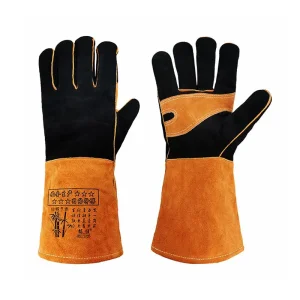
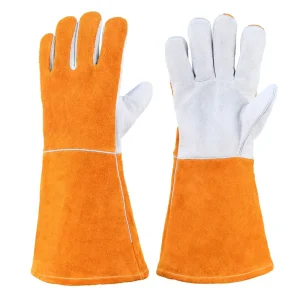
Heavy-duty leather, fur-lined architectures, and flame-retardant thermal barriers tailored for cold processing, maritime depots, and fabrication contractors across Lagos, Port Harcourt, and Warri.
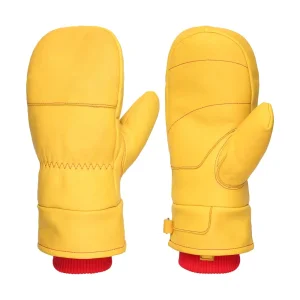
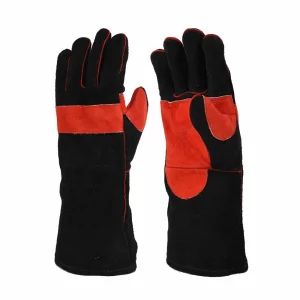
While international supply chains often characterize Nigeria solely as a tropical environment, procurement engineers in West Africa recognize the nuanced demand for thermal insulation and sub-zero protective gear. The commercial reality of Nigeria’s heavy industry reveals distinct operational sectors requiring certified "winter gloves" and cryogenic barrier protection. From cold-chain food distribution complexes in Lagos and agro-processing facilities in Kano to offshore LNG (Liquefied Natural Gas) operations in the Niger Delta, industrial operators face extreme low-temperature hazards that standard work gloves cannot mitigate.
Furthermore, high-altitude nighttime environments in northern states like Plateau and Kaduna experience severe temperature drops during the Harmattan season, coupled with sharp dust winds. Workers engaged in nocturnal construction, pipeline welding, and freight handling require multi-layer hand protection that integrates fleece, flannel, or fur liners inside thick, grain-split cowhide shells. The demand for cold-protective handwear is therefore not merely a seasonal impulse, but a baseline occupational health requirement enforced by leading EPC (Engineering, Procurement, and Construction) firms across Nigeria.
On an international scale, standard compliance for cold-environment safety handwear is governed by strict regulatory frameworks including EN 511 (Protection Against Cold) and EN 388 (Mechanical Hazards), in synergy with North American ANSI/ISEA 105 standards. Ming Shun’s direct-from-factory engineering protocol ensures that gloves shipped to Nigeria do not simply rely on basic bulk fabrics, but utilize multi-tiered material architectures designed for extreme environments:
Personnel handling liquid nitrogen, LNG transfer valves, and refrigerated gas lines in Bonny Island require gloves tested against contact cold down to -50°C to prevent frostbite and skin adhesion during emergency discharge operations.
Operators in refrigerated pharmaceutical storage facilities and seafood cold-chain hubs at Apapa and Tin Can Island ports demand extended dexterity with thick thermal linings to maintain gripping torque over 8-hour continuous shifts.
Deepwater offshore platforms subject welders to ocean winds, drop in evening temperatures, and wet salt mist. Dual-layer leather solutions isolate the hand from radiant spatter while insulating against freezing offshore gales.
How Ming Shun’s vertically integrated leather tannery and assembly lines address the specific failure modes of standard work gloves in demanding West African operational environments.
Standard leather soaks in moisture, leading to rapid stiffness and loss of thermal insulation. Our proprietary tanning treats cowhide and goatskin at the fiber stage, repelling marine mist, oils, and petrochemical residues without restricting natural breathability.
By pairing 3M™ Thinsulate™, laminated foam barriers, and synthetic fur linings, our designs retain body heat through conductive micro-air pockets while preventing outer flame lick-through during simultaneous hot-work scenarios.
Cold leather can become brittle under extreme torsion. Every load-bearing seam across our winter welding line is double-stitched with 100% heat-resistant para-aramid thread, eliminating seam-blowouts under heavy rigging stresses.
Complete certified selection of winter mittens, reinforced split leather gauntlets, and thermal-protective apparel manufactured for direct container shipment to Lagos Port.
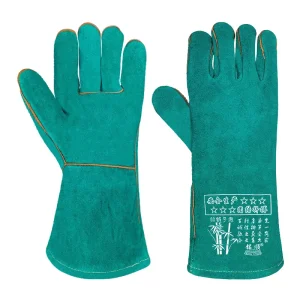
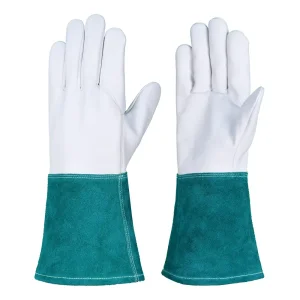
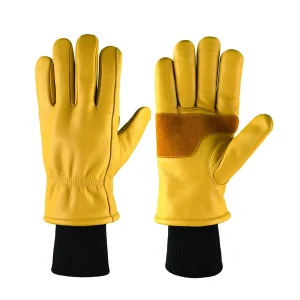
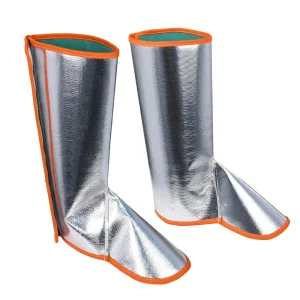
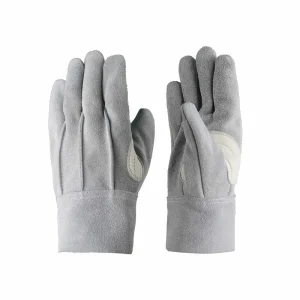
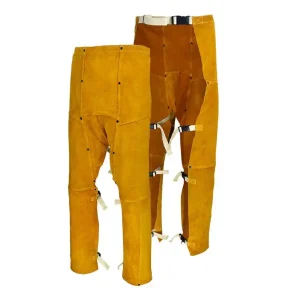
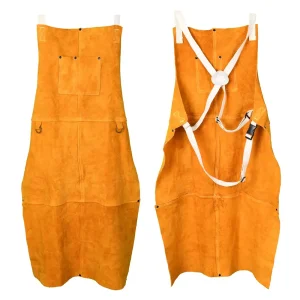
Overcoming FX fluctuations, port lead times, and compliance barriers via direct manufacturing integration.
B2B safety distributors and oilfield service companies importing into Nigeria face three persistent hurdles: volatile foreign exchange margins, extended freight transit times through Gulf of Guinea maritime routes, and the prevalence of substandard counterfeit PPE that fails on-site safety audits by international oil majors (IOCs). Ming Shun resolves these issues directly at the factory gate:
1. Standard Organization of Nigeria (SONCAP) Direct Compliance: We provide full traceability dossiers, laboratory test reports for EN ISO 11611, EN 12477, and EN 511, facilitating seamless Product Certificate (PC) and SONCAP Certificate (SC) clearance through Authorized Inspection Agencies.
2. Direct Volume Cost Hedging: By eliminating export middlemen and operating our own 1,000+ employee production facility with dedicated tannery lines in Gaozhou, Guangdong, we offer factory-stable FOB rates, allowing Nigerian distributors to insulate their margins against local currency volatility.
3. Container Utilization & Mixed Product Consolidation: We allow Nigerian procurement teams to consolidate winter gauntlets, cryogenic mittens, leather welding jackets, and FR cotton coveralls into single 20ft or 40ft HQ containers, reducing average unit freight costs and optimizing inventory turnover.
Detailed operational answers regarding shipping, custom OEM specifications, and cold-hazard performance.
Thermal-insulated and "winter" designated gloves are essential in Nigeria for three primary high-risk sectors: 1) LNG liquefaction and cryogenic handling facilities in the Niger Delta where contact cold hazards reach sub-zero levels; 2) The expanding industrial cold storage and maritime logistics network in Lagos and Port Harcourt; and 3) Northern infrastructure projects subject to harsh nocturnal Harmattan temperature drops. Using standard unlined work gloves in these conditions leads to reduced grip strength, nerve desensitization, and severe safety violations under local and international labor audits.
Yes. As a verified manufacturer with over 25 years of international export compliance, we supply comprehensive test reports (EN 388, EN 511, EN 12477, EN ISO 11611) and Certificates of Conformity required for Nigerian SONCAP certification. Our export documentation team coordinates directly with your designated inspection agents (such as CCIC, SGS, or Intertek) prior to container loading.
Our glove factory maintains a manufacturing capacity exceeding 500,000 pairs per month. Typical bulk manufacturing lead time is approximately 40 to 45 days post sample confirmation. Ocean freight from southern Chinese ports (Guangzhou, Shenzhen) to Lagos (Apapa/Tin Can) or Onne Port typically ranges between 30 and 42 days, depending on shipping line routing.
Yes, our OEM/ODM service allows complete customization. We offer leather heat-embossing, customized woven labels, silicone screen printing, specialized cuff lengths, and modified lining densities (flannel, Thinsulate™, fleece, or wool). Sizing runs are customized to your technical specifications, ensuring ergonomic hand fit for West African industrial workforces.
Because we control our own leather processing in-house, our raw cowhides and split leathers undergo specialized anti-fungal, moisture-resistant retanning treatments. This proprietary process prevents mildew development and hardening during extended sea transit and subsequent warehouse storage in high-humidity climates such as coastal Lagos and Warri.