Engineered for high spatter resistance, severe radiant heat mitigation, and operational breathability in humid industrial microclimates. Direct factory OEM lines built to international safety compliance standards.
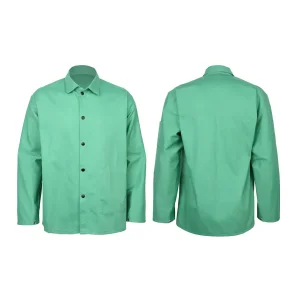
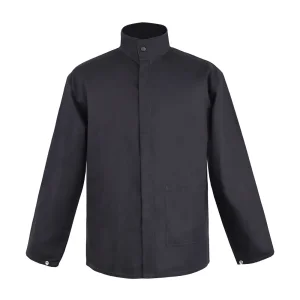
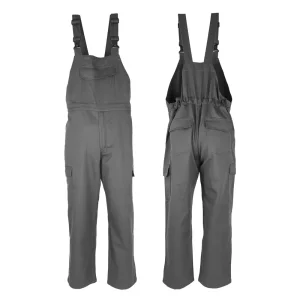
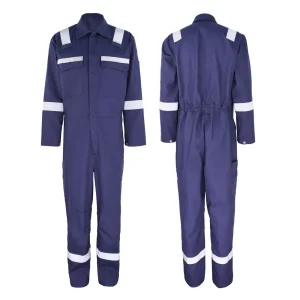
From dockyards handling submarine and warship fabrication to offshore hydrocarbon installations off Mumbai High, safety gear must endure severe thermal loads and extreme marine atmospheric corrosion.
Facilities like Mazagon Dock Shipbuilders and drydocks in Mumbai Port require Class 2 welding jackets capable of withstanding heavy spatter during flux-cored arc welding (FCAW) and submerged arc welding in confined ship hull environments without thermal degradation.
The Chembur-Trombay and Mahul belts, housing BPCL and HPCL complexes, demand multi-norm protective wear. Garments must integrate electrostatic dissipation (anti-static) fibers with certified NFPA 2112 / ISO 11612 arc thermal defense to safeguard maintenance welders during turnaround shut-downs.
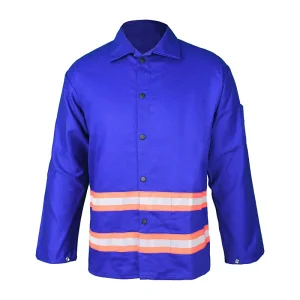
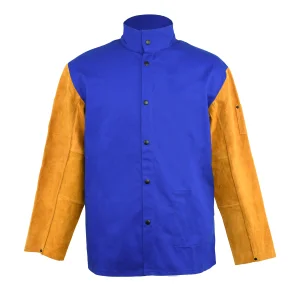
Maharashtra Industrial Development Corporation (MIDC) corridors in Navi Mumbai, Taloja, and Thane support massive structural pressure vessel manufacturing. High-amperage stick and gas metal arc welding (GMAW) require hybrid jackets engineered with split-leather sleeves and breathable FR sateen torsos.
The standard challenge faced by safety managers across western India is worker compliance. Traditional 100% thick cowhide jackets cause heat exhaustion in Mumbai's 85%+ relative humidity, leading to dangerous PPE non-compliance. Our OEM engineering solves this via advanced material matrices.
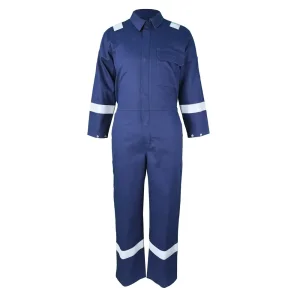
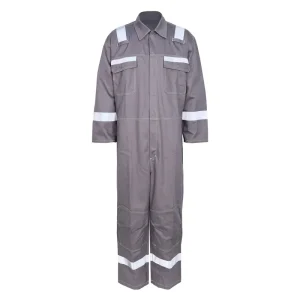
Our heavy-duty 9 oz to 11 oz FR cotton fabrics are treated with durable ammonia-cure organophosphate polymers that chemically bond with cellulose fibers. When hit by molten metal droplets at 1400°C, the fabric forms an insulative carbonaceous char without melting, dripping, or continuing to burn. Sleeves constructed of Grade-A chrome-tanned split cowhide absorb heavy slag impingement during overhead weld operations.
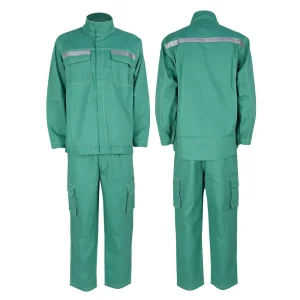
In hot and humid coastal climates, heat stress degrades worker precision and productivity. Our ergonomic hybrid patterns feature strategic ventilation gussets under arms and across the rear yoke. Sateen-weave flame-resistant cotton delivers exceptional air permeability (exceeding 12 cm³/cm²/s) while maintaining radiant heat reflection, allowing sweat evaporation without compromising molten spatter defense.
| Material Configuration | Thermal Standard Compliance | Spatter Defense (ISO 11611) | Breathability / Comfort Index | Ideal Mumbai Industrial Zone |
|---|---|---|---|---|
| 100% Selected Split Cowhide | EN ISO 11611 Class 2, EN 407 (413X4X) | Heavy Spatter (>25 drops) | Low (Suited for AC bays or short bursts) | Mazagon Dock Hull Welding, Heavy Forging |
| Hybrid: FR Cotton Torso + Cowhide Sleeves | EN ISO 11611 Class 1/2, NFPA 2112 | Class 2 Sleeves / Class 1 Torso | High (Optimized for tropical humidity) | MIDC Taloja Fabricators, Automotive Plants |
| 9 oz Sateen FR Cotton (Ammonia Cured) | EN ISO 11612 (A1+A2, B1, C1, E2), ASTM F1506 | Class 1 Spatter (15-25 drops) | Very High (All-day shop floor wear) | BPCL/HPCL Mahul Maintenance, Structural Works |
| 7 oz AR/FR Lightweight Cotton Blend | NFPA 70E Arc Cat 2, ASTM F1959 (8.6 cal/cm²) | Class 1 Light TIG/MIG | Maximum (Lightweight anti-heat stress) | Offshore Rigs, Switchgear Inspection, Sheet Metal |
Direct manufacturer contracting eliminates tiered distributor margins, delivers batch-traceable test certificates, and establishes dependable continuous container supply lines into the greater Mumbai metropolitan hub.
Collaborative drafting of customer tech packs, matching specific Indian worker anthropometric sizing with localized cuff, collar, and harness modifications.
Laboratory validation of Limiting Oxygen Index (LOI ≥ 28%), tensile tear resistance, and anti-static parameters prior to cutting raw material lots.
Automated cutting dies ensure millimeter tolerances. Triple-lock stitched with Kevlar® or meta-aramid threads with stress points reinforced by non-conductive snaps.
Palletized moisture-barrier shipping containers transported directly to Nhava Sheva (JNPT) port terminal, accelerating customs turnaround for MMR warehouses.
Anticipating next-generation occupational safety mandates through advanced composite textiles, chemical engineering, and digitized lifecycle traceability.
Integrating micro-encapsulated PCM polymers into the inner linings of heavy-duty welding jackets. These microcapsules absorb latent body heat during strenuous operations and release it when resting, dropping core skin microclimate temperature by up to 3.5°C in tropical work conditions.
Transitioning to chromium-free, vegetable-assisted organic tanning formulations that eliminate hazardous trivalent/hexavalent chrome effluents. These modified leathers retain the standard 1.2-1.4mm density while decreasing garment carbon footprint by over 38% for global ESG audits.
Industrial FR garments equipped with vulcanized, heat-shielded UHF RFID transponders. Safety inspectors in large shipyard or refinery contractor setups can instantly scan garments to monitor industrial wash cycles, verify remaining flame-retardant efficacy, and prevent end-of-life usage.
Fully compliant with international certifications: CE, EN ISO 11611, EN ISO 11612, and EN 12477. Direct procurement engineered for large-scale enterprise deployments.
Detailed verification for procurement managers, safety heads, and institutional buyers in the Mumbai Industrial Belt.
Discuss your enterprise tech pack specifications, private label branding, minimum order quantities (MOQ), and shipping timeline directly with our manufacturing engineering team. Deliver verified workplace safety across your regional fabrication hubs.

