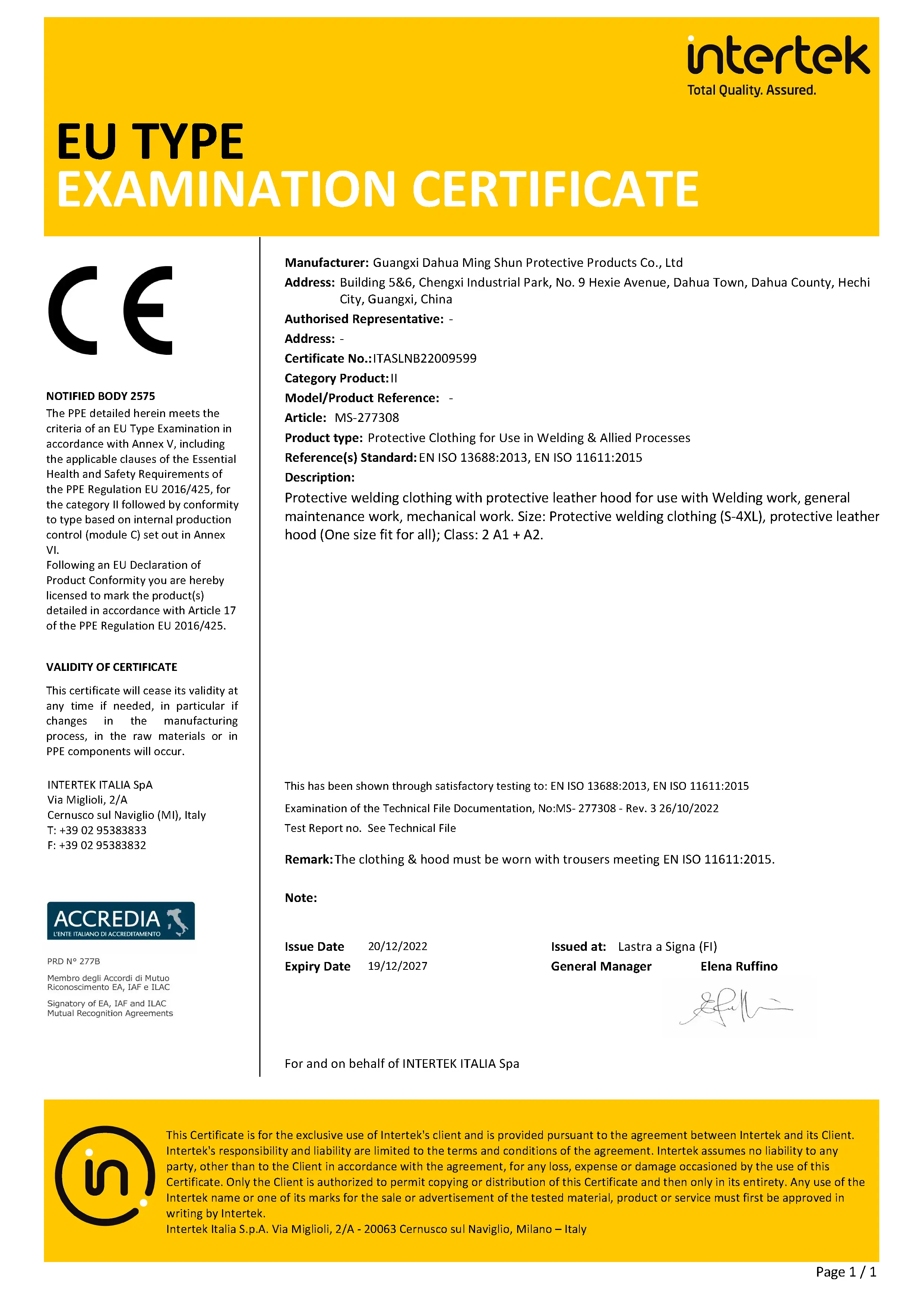
Direct from certified manufacturing plants: high-abrasion leather palms, reinforced safety cuffs, and breathable hybrid backings tailored to tropical West African working parameters.
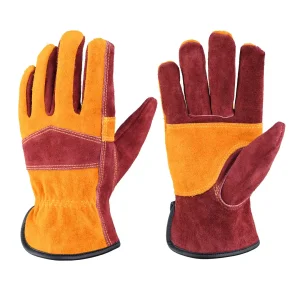
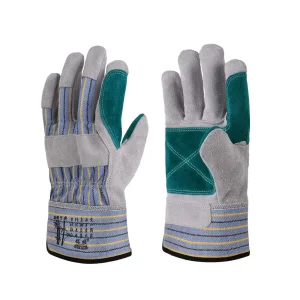
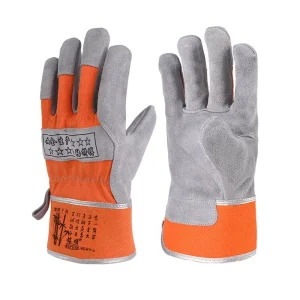
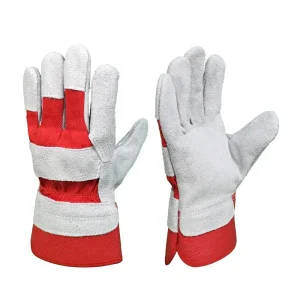
As the premier gold producer in Africa and a major maritime hub in West Africa, Ghana's accelerated regulatory compliance and infrastructure projects mandate high-reliability personal protective equipment (PPE).
The Ghanaian economy is experiencing an unprecedented structural industrial shift. As the leading gold producer on the African continent (surpassing South Africa), commercial operations concentrated across the Ashanti Gold Belt (Obuasi, Tarkwa, Prestea, and Ahafo) demand uninterrupted supply chains of certified hand protection gear. Simultaneously, the expansion of the Tema Port Container Terminal (MPS Terminal 3) and the Takoradi Port Oil & Gas Logistics Base has transformed the coastal belt into a regional hub handling multi-million-ton freight operations.
Under the enforcement protocols of the Ghana Minerals Commission and the Factories, Offices and Shops Act (Act 328), local engineering contractors and multinational consortiums can no longer rely on uncertified, scrap-leather protective equipment. Workplace mechanical injuries—including crush trauma, puncture incidents, and friction burn—constitute over 44% of reported industrial downtime in heavy mining and metal fabrication sectors. Consequently, corporate procurement directors in Accra, Kumasi, and Takoradi are actively transitioning toward factory-direct relationships with vertically integrated Chinese manufacturers capable of supplying full-grain and split cowhide PPE conforming strictly to EN 388 (Mechanical Hazards) and EN ISO 11611 / EN 12477 (Welding Safety) standards.
A critical failure point in standard imported industrial gloves in West Africa is premature hydrolytic degradation and mold accumulation caused by Ghana's high ambient humidity (averaging 75% to 90% across the southern coastline and rainforest zones). Low-grade split leather treated with crude vegetable tanning turns stiff, brittle, and emits rancid odours within weeks of storage in unconditioned Tema transit depots.
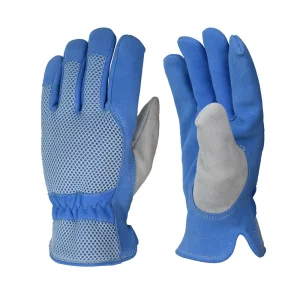
Our specialized manufacturing facility addresses this via Chromium-Tanned Grade-A Bovine Split & Grain Cowhide coupled with proprietary anti-fungal conditioning oils. For operations demanding extended manual shifts, our hybrid engineering models—featuring heavy-duty drill cotton backs and ventilation perforations—provide vital heat dissipation without sacrificing palm mechanical resistance (Level 4 Abrasion, Level 3 Tear).
Eliminating domestic middlemen and tier-3 trading distributors in West Africa allows commercial contractors to gain up to 40% margin elasticity while locking in verifiable quality control.
Unlike small workshop assemblers, our integrated plant controls raw hide selection, de-liming, automated split-shaving (calibrated to ±0.1mm uniform thickness), and drumming. This guarantees identical tensile strength across repeat multi-container shipments to Takoradi and Tema.
Computerized multi-layer CAD laser cutters eliminate manual shearing discrepancies. Every seam is reinforced with flame-retardant, high-tensile 3-ply Kevlar or heavy polyester-cotton thread, preventing finger-crotch burst under severe pneumatic and hydraulic torque.
We operate specialized export staging protocols for West Africa. Standardized moisture-barrier polybag liners, heavy desiccants in 5-ply fluted master cartons, and optimized palletization ensure zero oceanic corrosion or moisture absorption during maritime transit.
Matching precise glove construction, thickness grades, and cuff styles to specific operational hazards encountered by Ghanaian work crews.
| Target Sector / Geography | Predominant Workplace Hazards | Recommended Leather Glove Architecture | Core Performance Metric |
|---|---|---|---|
| Western Region Mining Belt (Tarkwa, Prestea, Obuasi Goldfields) |
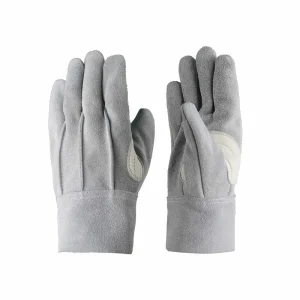
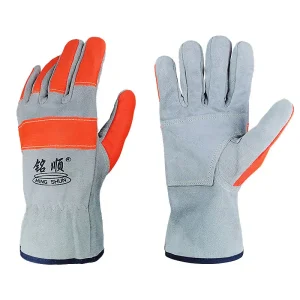
Sharp gold-bearing quartz, heavy pneumatic drills, high contact abrasion, rock haulage impact | Split Cowhide Full-Palm (MS-567 / MS-633) Reinforced knuckle strap, rubberized safety cuff for emergency slip-off |
EN 388 Level 4 Abrasion, High Tear Resistance |
| Greater Accra & Tema Port (MPS Container Terminal, Dry Docks) |
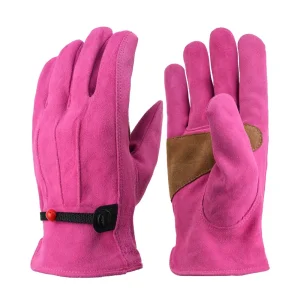
Steel container corner casts, braided wire rope rigging, oily cable friction, cargo slippage | Dotted Palm / Grain Leather Driver (MS-6DP) Anti-slip textured leather palm with reinforced palm patch and elasticated back |
Enhanced Grip Coefficient + Puncture Level 3 |
| Takoradi Energy & Oil Logistics (Offshore Support, Jubilee Field Hub) |
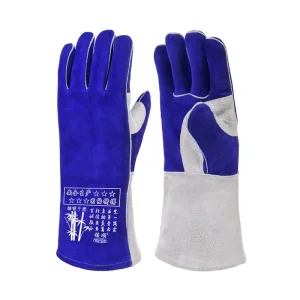
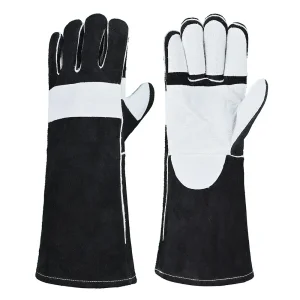
Pipe spool welding, grinding slag sparks, high-pressure flange rigging, radiant thermal load | Heavy Welding Gauntlets (MS-767 / MS-W547) 14-16 inch extended split cowhide with full Kevlar welted seams and cotton fleece lining |
EN ISO 11611 Flame & Spatter Contact Resistance |
| National Infrastructure Projects (Highway Paving, Boankra Inland Port) |
Rough concrete aggregate, structural rebar tie-wire, scaffolding erection, long sun exposure | Breathable Back Leather Gloves (MS-611 / MS-3605) Durable goatskin or split cowhide palm paired with high-ventilation mesh drill fabric |
Thermal Comfort + Extreme Dexterity & Flexibility |
Procuring industrial leather workwear at enterprise scale requires rigorous evaluation beyond exterior visual aesthetics. For international safety supply conglomerates, Ghanaian distributor networks, and tier-1 EPC contractors, following a scientific grading framework guarantees total workforce safety and avoids commercial customs impoundment at the Ghana Revenue Authority (GRA) port checkpoints.
Bovine Split Cowhide: Derived from the fibrous inner layers of the hide after splitting. Superior structural density makes it the global benchmark for heavy abrasion, gouging, and heat protection. Ideal for mining, smelting, and heavy structural engineering.
Full Grain Goatskin: Naturally rich in lanolin, goatskin exhibits unmatched tensile tensile strength relative to its thickness. It remains remarkably pliable, making it ideal for precision rigging, pipe welding (TIG/MIG), and delicate assembly operations in warm climates.
Split Pigskin: Characterized by hair follicle breathability, pigskin performs exceptionally well in damp environments without stiffening after repetitive wet-dry cycles.
A common vulnerability in low-cost safety gloves is exposed thread exposure. When workers handle abrasive steel billets or operate angle grinders, friction sparks and sharp edges instantly shear conventional cotton thread. Our factory utilizes fully welted cowhide seams. Welting embeds the stitching inside a protective leather groove, shielding the structural thread from radiant contact and sharp micro-cuts. For heavy hot-work lines, continuous Kevlar ® aramid stitching prevents decomposition up to 450°C.
Purchasing officers frequently fall into the trap of acquiring cheap consumer-grade split gloves from local spot markets. These generic gloves typically suffer seam blowout within 3 to 5 work shifts in Tarkwa open-pit environments. By upgrading to calibrated 1.2mm - 1.4mm AB-Grade industrial leather gloves sourced directly from our production floors, the glove service life is extended to 20–35 shifts. This results in a documented 35% to 50% decrease in annual glove consumption budgets, while radically lowering employee injury compensation claims.
Looking to establish an OEM private label brand, tender for Ghana mining contracts, or import full container loads (FCL/LCL) directly to Tema Port? Connect directly with our engineering sales leads today.
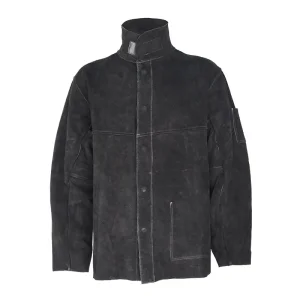
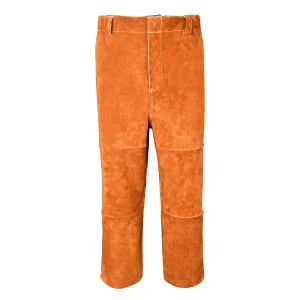
Comprehensive hand protection, welding gauntlets, split leather welding jackets, spats, and heavy-duty protective apparel for turnkey enterprise fulfillment.
Clear technical, regulatory, and supply chain insights for commercial importers, tender bidders, and distribution channels in West Africa.