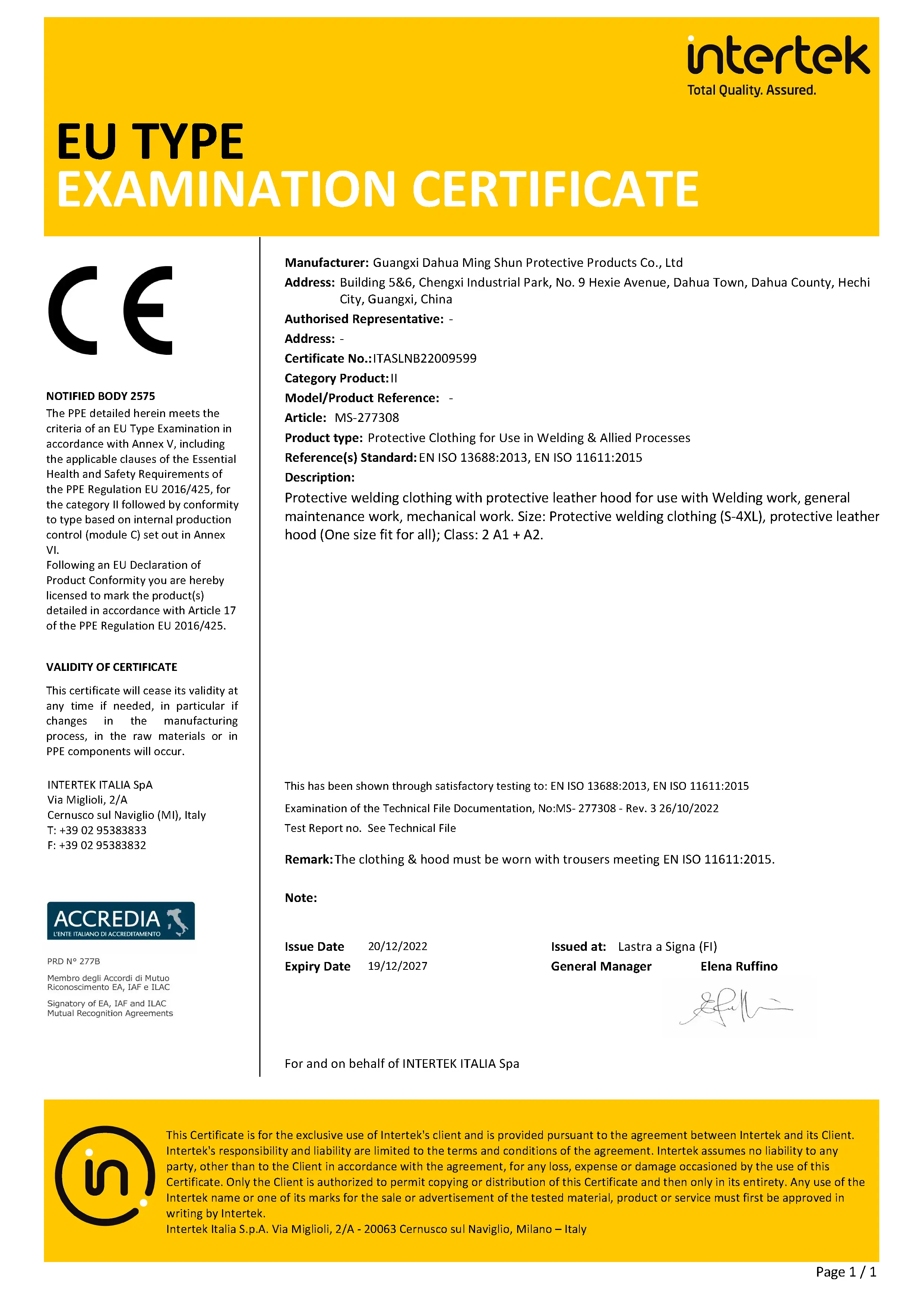
Engineered for high-torque mechanics, metal fabrication, and logistics automation environments common across North Rhine-Westphalia and Baden-Württemberg.
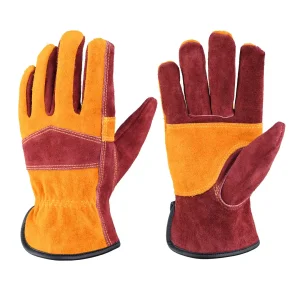
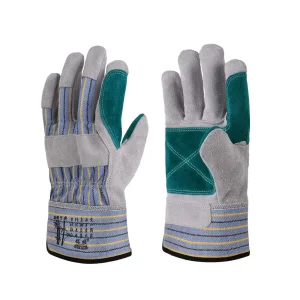
Navigating changing occupational safety regulations, supply chain due diligence, and specialized workplace application zones across the DACH economic engine.
German manufacturing is characterized by specialized medium-sized enterprises (Mittelstand) alongside automotive behemoths in Bavaria and Baden-Württemberg. Despite electrification and robotics, high-tactile leather protection remains irreplaceable in manual press stamping, structural body assembly, and heavy industrial maintenance where synthetic coatings break down under repetitive mechanical shear and hot steel micro-burrs.
German statutory accident insurance institutions (Berufsgenossenschaften / DGUV) enforce non-negotiable personal protective equipment (PSA) rules. Sourcing leather work gloves into the German territory mandates rigorous DIN EN ISO 21420 physical neutralness, definitive DIN EN 388 abrasion/puncture ratings, and verifiable zero-risk dermato-toxicological testing to prevent industrial dermatitis claims.
The German Lieferkettensorgfaltspflichtengesetz (LkSG) places legal civil and commercial burdens on German importers to audit supplier labour ethics, environmental discharges, and raw material provenance. Partnering with a vertically managed Chinese production facility with validated ISO 9001, BSCI-audited facilities, and transparent tanning chains removes upstream liability for corporate procurement directors.
| German Industrial Segment | Predominant Operating Zone | Required Standard / Focus | Engineered Glove Configuration |
|---|---|---|---|
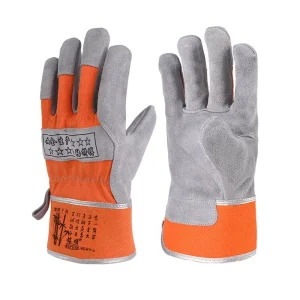
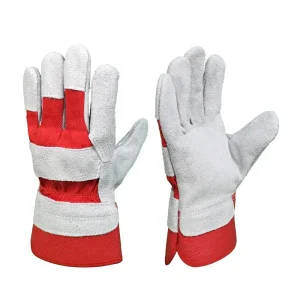
| Mechanical Engineering (Maschinenbau) | Ruhr Basin, Stuttgart, Nuremberg | DIN EN 388: 4132X, Oil Repellency | Split Cowhide Palm with Breathable Drills, Ergonomic Keystone Thumb |
| Automotive OEM & Press Stamping | Wolfsburg, Munich, Ingolstadt | DIN EN 388: 4X44D, High Tactility | Full-Grain Grain Goatskin with Para-Aramid High-Tensile Underlining |
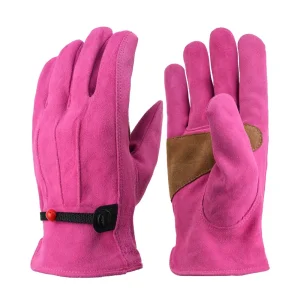
| Wind Turbine & Renewables Fabrication | Bremen, Rostock, Hamburg Ports | DIN EN 511 Cold Thermal, EN 388 | Fleece-Lined Heavy Cow Split Leather, Extended Weather Safety Cuff |
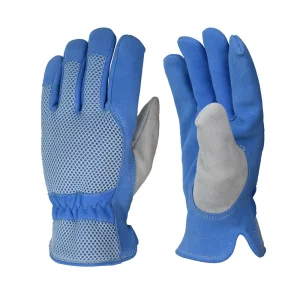
| Logistics & Rail Cargo Handling | Duisburg Inland Port, Leipzig Hubs | DIN EN 388: 3121X, Dynamic Grip | Leather Palm with Polymer Grip Dots and Reinforced Index Seam Isolation |
Why direct collaboration with our Gaozhou industrial cluster outmatches fragmented South Asian leather brokers on cycle times, chemical stability, and bulk leather consistency.
Unlike standard trading houses that stitch from spot-market wet blue leathers, our operations utilize centralized hide grading and in-house drum tanning. This guarantees steady thickness (0.9mm to 1.4mm calibrated splits), uniform oil saturation, and strict mechanical tensile uniformity from sample sign-off to full 40-foot HQ container discharge.
Located in the heart of the Pearl River Delta industrial ecosystem, we minimize lead times to 35–45 days post-approval. Direct freight handling out of Shenzhen and Guangzhou ports links directly into German trade nodes (Hamburg, Bremen, Frankfurt Hub) with end-to-end digital tracking and automated palletizing conforming to European pallet standards (800 × 1200 mm).
We transform your proprietary sketches, CAD patterns, or Technisches Datenblatt into custom die-stamped handwear. From brand-specific colourways, customized cuff piping, high-definition laser engraving, and custom barcode packaging ready for German retail chains (such as Bauhaus, Hornbach, or professional technical wholesalers), every detail is executed on dedicated assembly lines.
Ensuring frictionless clearance with the German Federal Institute for Occupational Safety and Health (BAuA) and German Customs (Zollamt).
Under Annex XVII of REACH (EC No 1907/2006), leather goods in direct contact with skin must not contain hexavalent chromium in concentrations exceeding 3 mg/kg. Our proprietary vegetable re-tanning and chromium-fixation chemistry prevents photo-oxidative degradation during long sea freight voyages, ensuring test results upon arrival match pre-shipment lab certificates.
Our work glove structures are third-party tested by accredited European notified bodies (such as SATRA, TÜV Rheinland, and CTC). Each batch undergoes Martindale abrasion profiling, Coup Test blade cut index analysis, Elmendorf tear verification, and puncture tip load resistance to validate certified performance markings before factory release.
For Category II Intermediate Risk industrial handwear, we furnish German importers with full technical files (Technical Dossier), valid EU Declarations of Conformity (DoC), multi-lingual user instructions (German, English, French), and laser-etched internal tracking lot identifiers on every single pair for rapid recall resilience.
Aligning Chinese precision craftsmanship with German Industry 4.0 automation, ESG mandates, and next-generation tactile ergonomic performance.
Integration of aldehyde-free, plant-derived polyphenol tanning matrices. Achieves full biodegrade status under European circular economy mandates without losing wet split abrasion strength.
Permanent, nano-metallic infusion into full-grain leather fibers allowing technicians to operate capacitive CNC terminals and warehouse scanners without glove removal.
AI-assisted computer-aided cut planning that mimics the human musculoskeletal hand at rest. Reduces grip fatigue by 22% during prolonged pneumatic tool handling.
Direct QR serialization linking every production batch to carbon footprint lifecycle data, compliance certificates, and sustainable livestock origin documents.
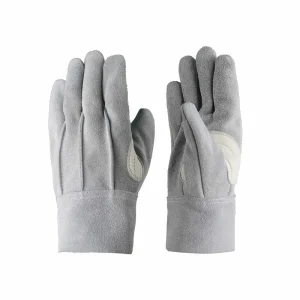
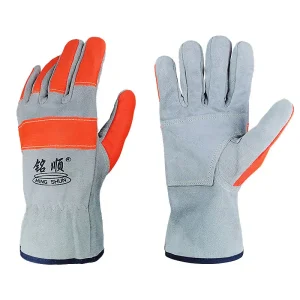
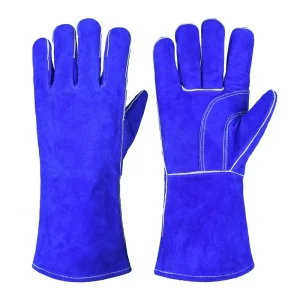
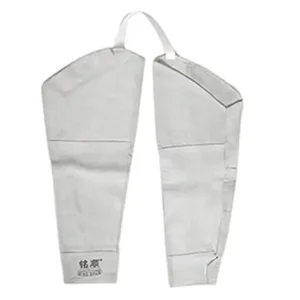
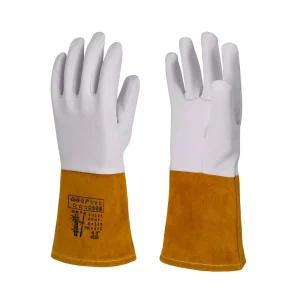
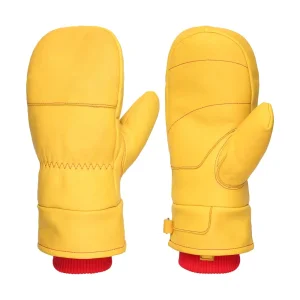
Original styles configured for multi-scenario German job-sites: from precision TIG handling to heavy metallurgical fabrication and winter logistics.
Answers regarding direct procurement, minimum order quantities (MOQ), technical audits, and regulatory assurances.
Yes. All Category II hand protection styles engineered for the European Union hold Module B Type Examination Certificates issued by recognized Notified Bodies (such as TÜV Rheinland, SATRA, or CTC). For each container export to Germany, we supply complete technical files, batch test results for DIN EN 388 and DIN EN ISO 21420, and multi-language Instructions for Use (IFU) formatted strictly in German.
We operate an integrated chemical management system at our Gaozhou tanning facility. By utilizing modern chrome syntans alongside vegetable auxiliary agents and maintaining strict bath pH stabilization, we eliminate the formation of mobile hexavalent chromium (Cr VI). Every export shipment is verified below the 3.0 mg/kg limit via ISO 17075-1 testing through independent testing labs (SGS/Intertek) prior to container stuffing.
Our typical OEM production runs start at 3,000 to 6,000 pairs per style depending on raw material customization (such as custom-dyed leather colors, specialized rubberized cuffs, or high-tensile Kevlar stitching). For regular ongoing container programs, flexible tiered terms and standard international payment mechanisms (including 30% T/T deposit with balance against B/L or Confirmed Irrevocable L/C at sight) are supported.
We welcome direct client factory visits to our Pukang Industrial Park facilities in Gaozhou, Guangdong. We regularly host third-party technical, social, and quality audits (such as BSCI, SEDEX/SMETA, and ISO 9001:2015 verifications) conducted by agencies like SGS, TÜV SÜD, and Bureau Veritas on behalf of European retail and industrial brands.
Our OEM capabilities cover every aspect of downstream branding: heat-stamped leather logos, high-density woven brand labels, custom cardboard hangtags with EAN-13 barcodes, polybag bundling, and export outer master cartons with custom GS1 shipping marks ready for automated cross-docking at your distribution center.