Pre-tested assemblies engineered for hot-work containment, Arctic low-temperature flexibility, and North Sea offshore rig maintenance.
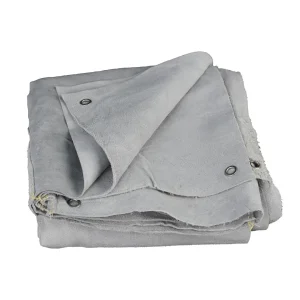
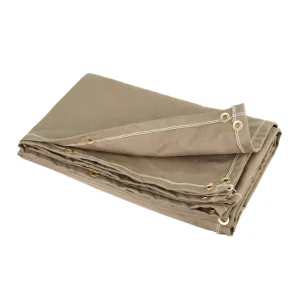
An in-depth review of Norway's stringent industrial safety regime, environmental frameworks, and the specialized hot-work containment requirements across the maritime and energy sectors.
Norway operates some of the world's most sophisticated offshore oil, gas, and floating wind platforms. In the North Sea, ambient conditions involve constant salt spray, gale-force winds, and extreme hydrocarbon explosion risks. Any hot-work protocol—governed by the Norwegian Petroleum Directorate (Petroleumstilsynet) and Arbeidstilsynet—demands high-silica and silicone-coated fiberglass blankets that resist molten slag, provide zero-halogen off-gassing, and fulfill strict flame propagation metrics.
From shipbuilding clusters in Bergen, Haugesund, and Ålesund to naval repair docks, welding and gouging occur inside tight double-bottom tanks and bulkheads. Norwegian maritime contractors require pliable, abrasion-resistant, vermiculite-treated welding blankets that eliminate irritating airborne loose fibers while deflecting incandescent metal slag generated during plasma gouging and heavy flux-cored arc welding (FCAW).
Norway hosts world-leading hydro-powered primary aluminium smelters (such as Hydro installations at Karmøy, Sunndal, and Årdal) and rapidly emerging green hydrogen electrolyzer plants. In these environments, magnetic fields and molten bath splash create severe hazards. Specialized pre-heating and thermal drop blankets are mandatory to control cooling gradients during localized weld repairs of heavy busbars and cryogenic nickel-alloy piping.
Combining end-to-end industrial scale in Guangdong with micro-precision quality assurance, we eliminate intermediary markups to deliver European-certified thermal PPE.
Unlike trading houses, our facility operates direct texturized yarn warping, high-density rapier looms, and continuous roller-coating lines. We produce standard 430g/m² to 1100g/m² E-glass fabrics, high-silica fabrics (SiO2 >96%), and specialty composite laminates under one roof. This internal pipeline guarantees structural batch consistency and unvarying thickness tolerance across large container shipments.
Norwegian offshore rigs and workshops demand non-standard geometry. We supply precision edge-hemming using 4-ply Kevlar® or 316-grade stainless steel wire threads, high-retention brass eyelets spaced at 500mm or 1000mm increments, high-temperature hook-and-loop fasteners, and custom rolls up to 50 meters in length. We print your brand, part numbers, and CE markings directly onto each individual unit.
Scandinavian procurement teams prioritize environmental compliance. Our plant operates fully permitted exhaust-scrubbing systems and zero-discharge textile finishing baths. All coatings are certified free of SVHC, polyfluoroalkyl substances (PFAS-free), and heavy metals, providing seamless passage through Norwegian customs (Tolletaten) and aligning with your Corporate Sustainability Reporting Directive (CSRD) obligations.
Compare physical traits, continuous temperature ceilings, and slag containment ratings to specify the right thermal barrier for your facility.
| Substrate Material | Surface Coating | Working Temp | Peak Shock | Off-Gas Level | Primary Norway Use Case |
|---|---|---|---|---|---|
| Texturized E-Glass (MS-600) | Uncoated / Heat-Cleaned | 550°C (1,022°F) | 650°C | Zero Smoke | General fabrication, light spark curtain, auto repair |
| Filament Fiberglass (MS-800S) | Flame-Retardant Silicone (Dual) | 260°C (Silicone) / 550°C (Base) | 900°C Spatter | Low VOC | Offshore splash decks, outdoor rain/oil barrier, wind turbine towers |
| Texturized Glass (MS-1000V) | Vermiculite Mineral Coating | 800°C (1,472°F) | 1,000°C | Zero Halogen | Heavy flux-cored arc welding, structural steel erectors in Oslo |
| High-Silica Fabric (MS-1200H) | SiO2 Content >96% + PU Flash | 1,100°C (2,012°F) | 1,400°C Molten | Zero Toxicity | North Sea topside plasma cutting, molten slag runoff, foundry hot spots |
| Oxidized PAN Carbon Felt | Non-Woven Thermal Needled | 900°C (Radiant) | 1,200°C Direct | Ultra-Clean | Plumbing solder pad, automotive sensor protection, cryogenic lining |
How the green energy transition in Scandinavia is revolutionizing the role of industrial blankets from simple hot-work shields to critical emergency response systems.
Norway boasts the world's highest per-capita adoption of electric vehicles. Consequently, Norwegian fjord ferry operators (such as Torghatten Nord, Norled, and Fjord1) face severe lithium-ion thermal runaway threats. Our ultra-large (6x8m, 7x10m) multi-layered high-silica car fire blankets suffocate flames, isolate toxic hydrofluoric gas bursts, and block radiant heat exceeding 1,100°C, providing vital evacuation time for crew and passengers.
Welding high-strength super duplex stainless steels used in North Sea subsea manifolds requires meticulous thermal cycle controls. Our multi-layer ceramic fiber and high-temp glass insulation jackets offer optimal thermal retention during Post-Weld Heat Treatment (PWHT). By avoiding rapid cooling under Arctic ambient conditions (-20°C to -40°C), our thermal blankets prevent hydrogen-induced micro-cracking.
Confined spaces in maritime hulls and petrochemical refining units do not tolerate hazardous smoke emissions. We lead the market in water-based, halogen-free surface coatings that pass the stringent ISO 5659-2 smoke density and toxicity tests. During hot spatter contact, our proprietary binder carbonizes cleanly without pungent fumes or hazardous isocyanate outgassing.
A transparent, risk-free B2B purchasing roadmap built to support annual tender frameworks and urgent project-based deployments.
Share your hot-work containment parameters, welding methods (TIG, MIG, MMA, gouging), proximity clearances, and target standard requirements (EN ISO 11611 Class 1/2 or ASTM F955). Our engineering department matches the exact fiber density, weave pattern, and coating chemistry required.
We supply customized testing swatches within 5 business days, complete with Mill Test Certificates (MTC), thermal degradation curve reports, and horizontal/vertical flame burn validation. Test our fabrics directly under your worst-case workshop gouging conditions before initiating bulk runs.
We offer FOB Guangzhou/Shenzhen, CIF Oslo, or DDP direct to your central warehouse in Drammen, Stavanger, or Kristiansand. Full export crating, shrink-wrapped euro-pallet compatibility, custom barcodes, and multilingual Norwegian/English user guides are standard options on every shipment.
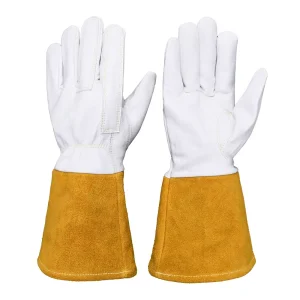
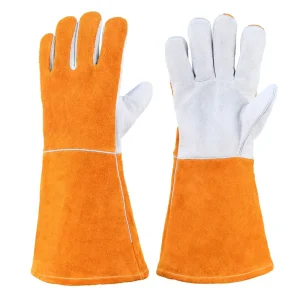
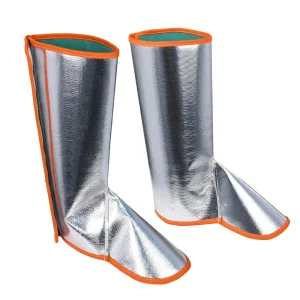
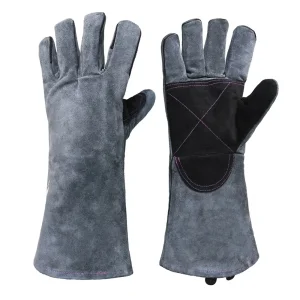
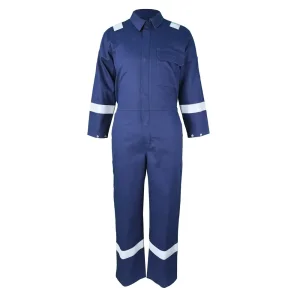
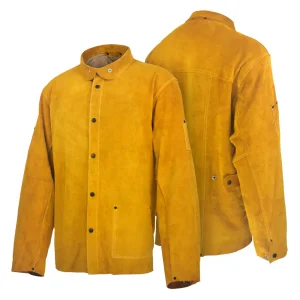
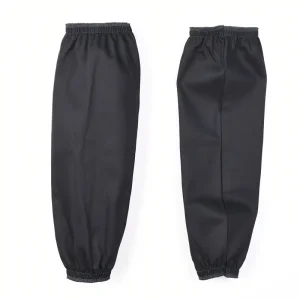
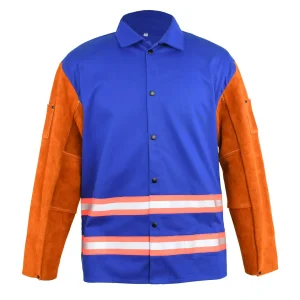
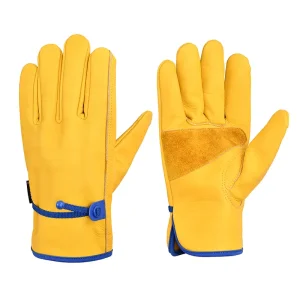
Integrate certified welding jackets, coveralls, and specialized limb protection designed to work in synergy with our thermal blanket lines.
Authoritative technical clarification on standard compliance, cold-temperature tolerance, minimum order volumes, and testing procedures.
Standard texturized E-glass blankets provide an operating temperature limit around 550°C (1,022°F), which is sufficient for light grinding, spark deflection, and localized TIG welding. In contrast, High-Silica fabric contains over 96% pure silicon dioxide (SiO2), raising the continuous thermal barrier to 1,100°C (2,012°F) with instantaneous resistance up to 1,400°C. For North Sea topside installations governed by NORSOK standards—where heavy gouging, cutting, and molten slag pools occur—High-Silica is required because E-glass will devitrify and burn through under direct heavy slag impingement.
Yes. Our standard texturized fiberglass and vermiculite-impregnated series have been verified by accredited European notified bodies in accordance with EN ISO 11611 (protective apparel for welding and allied processes) Clause 6.7 for flame spread. Under EN 13501-1 reaction to fire classification, our uncoated texturized fiberglass achieves an A1 non-combustible rating, while our specialty silicone-coated formulations achieve A2-s1, d0 (virtually zero smoke, no burning droplets).
Standard industrial PVC or inferior synthetic coatings become brittle and crack when exposed to sub-zero temperatures typical of Hammerfest, Kirkenes, or offshore winter conditions in Norway. Our specialized liquid silicone rubber (LSR) compound utilizes an ultra-low glass transition formulation that remains flexible and pliable down to -50°C. The underlying fiberglass core is inorganic and completely unaffected by cryogenic conditions, avoiding matrix fracture during rolling or folding on Arctic work decks.
Yes. As an OEM manufacturer, we construct custom prefabricated curtains to your exact drawings. We supply non-corroding marine-grade brass or 316 stainless steel eyelets spaced along all four edges at specified intervals (e.g., 300mm, 500mm, or 1000mm). For modular welding enclosures on ship hulls, we attach high-temperature flame-retardant hook-and-loop (velcro) strips sewn with high-strength Kevlar thread to allow unlimited vertical joinery. Bulk rolls are available up to 2.0 meters wide and 50 meters long.
Standard customized orders of 500 to 5,000 square meters typically finish production in our Guangdong factory within 20 to 25 business days. Ocean transit from Shenzhen/Guangzhou to Port of Oslo (via main European hub feeder vessels in Rotterdam or Hamburg) averages 32 to 38 calendar days. For emergency outage overhauls in Stavanger or Bergen shipyards, we provide fast air-freight consolidation via Oslo Gardermoen Airport (OSL) within 5 to 7 days door-to-door.
Confined spaces such as ballast tanks, bow thruster tunnels, and engine compartments present acute respiratory hazards. We ensure that our glass yarns utilize a continuous filament diameter strictly greater than 6 to 9 microns (non-respirable, non-carcinogenic according to WHO guidelines). Furthermore, our heat-cleaning treatment vaporizes all starch-oil sizing agents applied during weaving, preventing noxious white smoke when initial hot slag contacts the fabric.
Connect directly with our senior application engineers. Receive custom tech packs, certified EN compliance reports, and door-to-door quotations within 24 hours.

