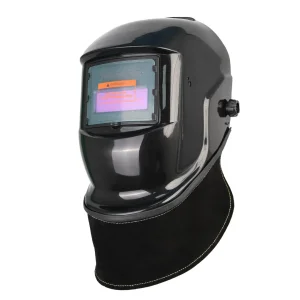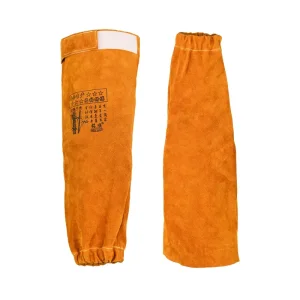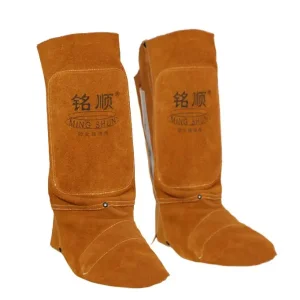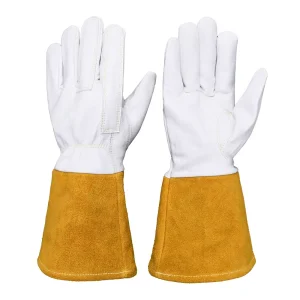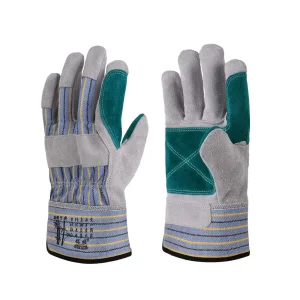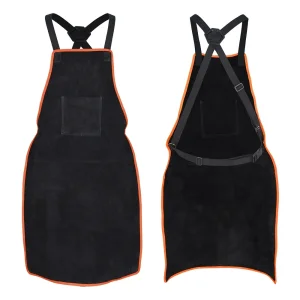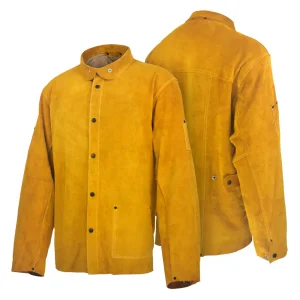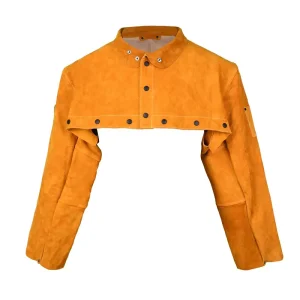
Engineered for immediate bulk procurement and fully customizable under private-label OEM frameworks.
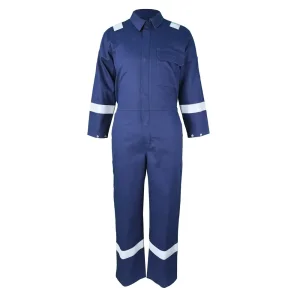
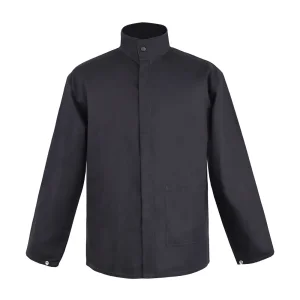
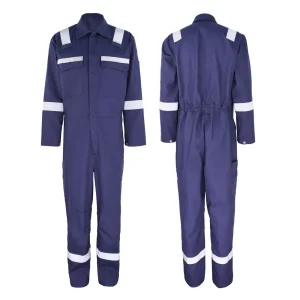
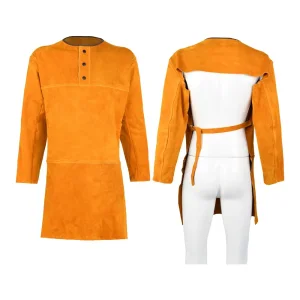
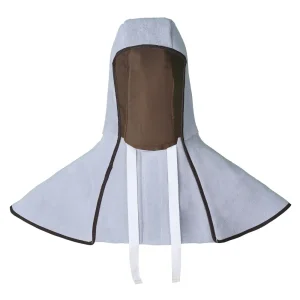
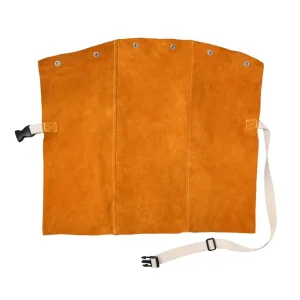
For decades, female industrial operators were relegated to scaled-down unisex garments, inducing hazardous snag hazards and thermal bypass channels. Modern safety engineering mandates anatomically specialized protective frameworks.
Traditional box-cut welding tops fail at critical chest-to-waist ratios, pulling seams taut across the thoracic plane during overhead GTAW or GMAW procedures. Ming Shun utilizes ergonomic curved darting, articulated gussets, and extended contour tails to ensure full skin enclosure regardless of operator posturing.
Spatter ricochet dynamics require specialized front-closure baffling. Our women's line incorporates multi-tiered storm flaps, shielded melters, and non-conductive dielectric snaps insulated by Kevlar® structural stitching to prevent arc ignition bridges and secondary slag burn-through.
Deploying hybrid fabrics ranging from 7 oz lightweight breathable AR/FR sateen to high-density 9 oz twill weaves. We eliminate unnecessary garment bulk while certifying up to CAT 2 Arc Thermal Performance (ATPV ≥ 8.6 cal/cm²), substantially lowering thermal fatigue rates during multi-shift operations.
A detailed blueprint for international importers, safety distributors, and tier-1 EPC procurement directors auditing wholesale vendors.
Mandated thermal testing certifying zero post-flame melt or drip behaviors. Every production batch of our flame-resistant cotton and modacrylic blends undergoes verified vertical flame ignition metrics across 100 industrial wash cycles.
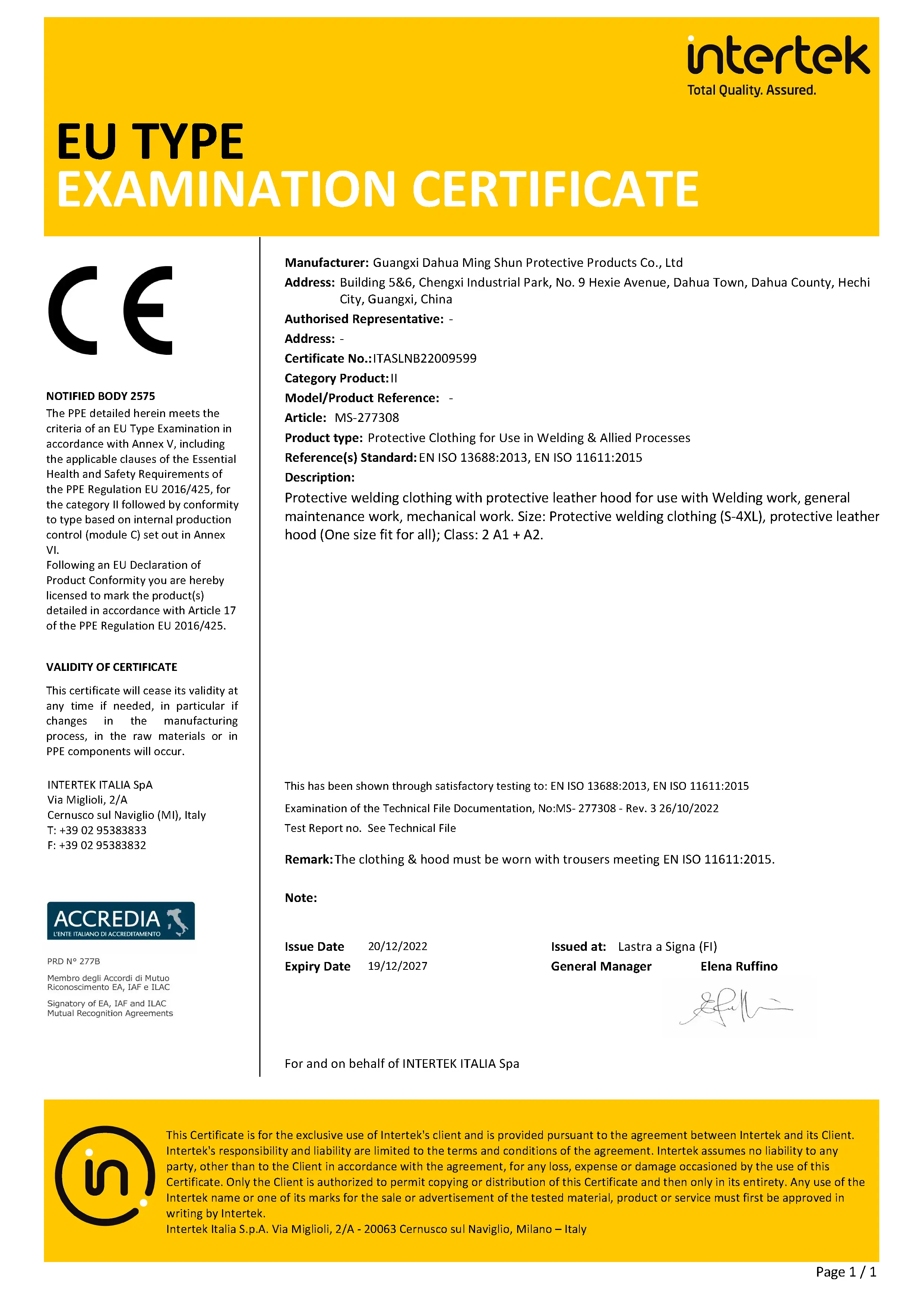
European CE mark compliance addressing mechanical abrasion, radiant heat flux penetration, and molten metal drop resistance. Specialized zones are bolstered with top-grain pigskin or split cowhide reinforcements.
Skin-contact biocompatibility. Rigorous chemical testing certifies complete absence of restricted aromatic amines, heavy metal mordants, or toxic formaldehydes commonly found in cheap chemical FR top-coatings.
From greige spinning to sewing assembly in our Gaozhou production facility, each carton features barcoded batch tracking enabling complete supply chain transparency down to individual hide lots and thread bobbins.
Engineered around specific thermal gradients, metal spatter profiles, and atmospheric variables across critical industrial landscapes.
Confined hull spaces expose welders to multidirectional slag rebound. Our heavy hybrid shirts employ cowhide split sleeve sleeves paired with stand-up mandarin collars to prevent spatter from penetrating the neck cavity during positional pipe joining.
High-speed production runs call for flexible, low-mass protection. Lightweight 7 oz to 8.5 oz treated sateen tops ensure high forearm articulation while protecting precision operators from GMAW flash and sporadic weld bursts.
Multi-risk zones demanding simultaneous anti-static, hydrocarbon splash, and flash-fire resistance. Fabric matrices integrate 1% carbon anti-static filaments woven alongside flame-resistant long-staple cotton to disperse explosive atmospheric charges.
How Guangdong Ming Shun is steering technological convergence in sustainable, smart-sensory, and multi-hazard protective workwear.
Eliminating topical chemical baths. Migrating towards inherently flame-resistant cellulosic fibers derived from circular closed-loop timber pulp, delivering lifetime arc protection that remains active across 150+ commercial wash cycles.
Integrating conductive yarn tracks across the inner thoracic panel to communicate directly with plant telemetry networks, capturing heat stress indices, heart rates, and ambient core temperatures in hazardous operating environments.
Embedded washable UHF RFID chips providing immediate field scanning access to raw material origin, carbon lifecycle calculations, original safety certificates, and laundering cycle counts for automated facility audits.
Authoritative insights straight from our factory engineering desk to support your bulk purchasing decisions.
Source matching accessories, leather protective garments, and heavy welding gear directly from our 1,000+ employee facility.