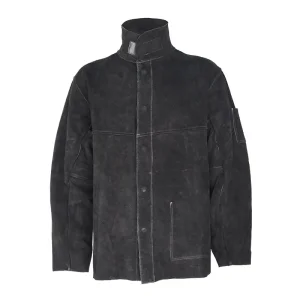
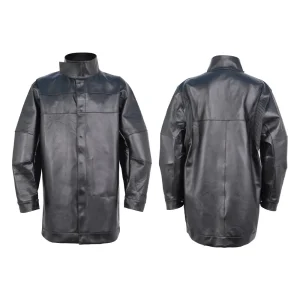
Direct from factory floor: heavy-duty split leather jackets, FR fleece garments, and precision-engineered PPE components designed for severe thermal fluctuations.
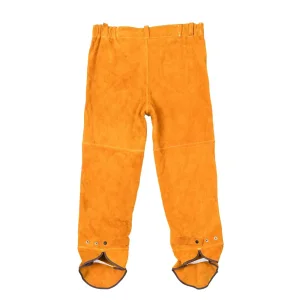
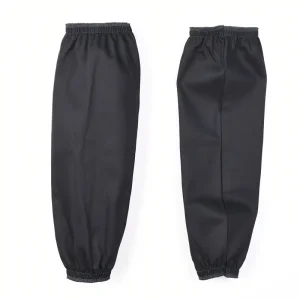
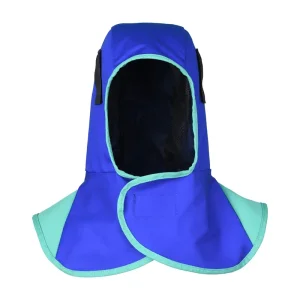
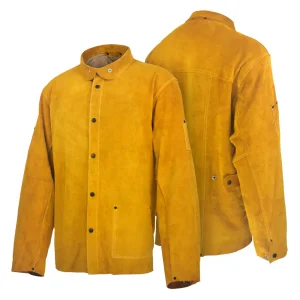
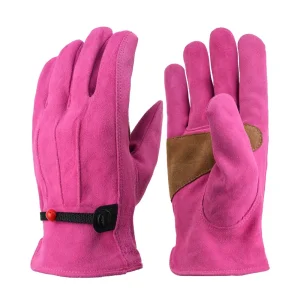
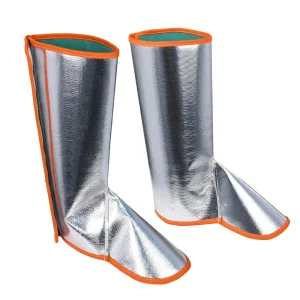
How cutting-edge composite multi-layer matrices and automated stitch reinforcement resolve the historical trade-off between thermal insulation and ergonomic mobility.
Traditional single-layer split cowhide leathers stiffen exponentially under sub-zero arctic and sub-arctic conditions, severely reducing worker reaction times. Modern supply chains require specialized oil-treated, chromium-tanned hides paired with breathable, moisture-wicking FR modacrylic fleece liners that maintain structural elasticity down to -35°C without compromising molten splatter repellency.
Industrial winter operations do not happen in isolation. Sourcing directors face simultaneous exposure matrices including radiant arc flash, convective slag drips, wind chill factors, and heavy mechanical abrasion. High-performance wholesale garments now incorporate integrated barrier membranes offering both NFPA 70E Arc Thermal Performance Value (ATPV) ratings and EN 342 cold-climate thermal retention standard conformance.
Historical cold-weather welding gear suffered from operator fatigue caused by excessive garment weight (often exceeding 4.2 kg). Through precise strategic placement—deploying heavy top-grain/split cowhide exclusively across high-strike zones and 9 oz to 12 oz flame-resistant cotton satin weave across low-impact dorsal regions—total weight is reduced by 28% while thermal performance is elevated.
Enterprise buyers from Tier-1 EPC contractors, offshore energy platforms, and rail fabrication conglomerates demand precision traceability and structural integrity.
Enterprise supply mandates require end-to-end batch identification—from raw hide origin and chemical dye certification (REACH Annex XVII compliance) to tensile test sheets of Kevlar threading. Every container load must have full verifiable audit trails.
Winter welding garments face rigorous decontamination protocols. Multi-material hybrid jackets must retain EN ISO 11611 Class 2 fire retardancy, outer tear strength, and structural dimensions across at least 50 high-temperature industrial laundry cycles.
Global distributors seek streamlining: winter welding jackets that offer modular inner insulation (removable 200 gsm FR quilted liners) eliminate seasonal warehouse dead-stock, converting standard fall protective clothing into extreme-cold barriers.
With volatile shipping timelines, procurement teams avoid brokers. Direct-factory integration featuring over 1,000 workers guarantees continuous 500,000+ unit throughput capabilities and rapid replenishment within contractual fulfillment parameters.
Navigating the complex landscape of international regulatory statutes, regional safety standards, and ESG environmental imperatives.
Exporting to US and Canadian pipeline and steel construction firms mandates rigorous adherence to ASTM F1506 (flame resistance) and ANSI/ISEA 105 mechanical ratings. In cold operations, dielectric performance is paramount: snap closures must be dielectric-insulated and dual-concealed beneath full-length cowhide storm flaps to prevent accidental high-amperage short circuits in wet or snowy environments.
For European buyers, our factory provides documented Module B and Module D / C2 conformity certificates. Winter welding apparel undergoes dual-standard certification: EN ISO 11611 Class 2 (A1+A2) ensuring comprehensive protection against severe radiant heat and heavy molten iron spatter, combined with EN 342 thermal resistance (Icler) testing to certify thermal endurance in sub-zero industrial shipyards.
Corporate ESG targets require strict monitoring of heavy metals. By operating vertically integrated tanning and dyeing workshops under ISO 14001 guidelines, we control hexavalent chromium (Cr VI) generation, guarantee formaldehyde-free formulations, and ensure zero azo dyes, protecting both the end-user welders from contact dermatitis and international importers from customs retention.
Architecting the future of industrial protective workwear through advanced material science, smart ergonomics, and automated fabrication lines.
Integrating ultra-thin (1.5mm) flexible silica aerogel barriers into chest and shoulder panels to deliver an unprecedented clo rating of 3.8 while cutting garment bulk by 40%.
Transitioning high-wear zones from traditional Kevlar mechanical stitch patterns to hybrid ultrasonic-and-aramid structural welding, eliminating thread-burn exposure.
Embedding flexible, intrinsically safe telemetry sensors into garment chassis to track internal core heat loss and localized humidity in real-time, preventing hypothermia.
Developing specialized mechanical disassociation techniques allowing decommissioned leather and FR cotton fibers to be separated, recycled, and returned to zero-landfill production streams.
In-depth responses for professional procurement teams, quality engineers, and supply chain analysts.
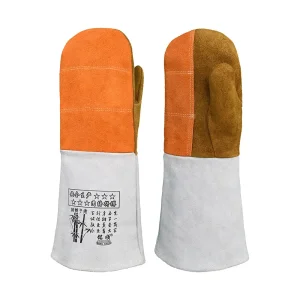
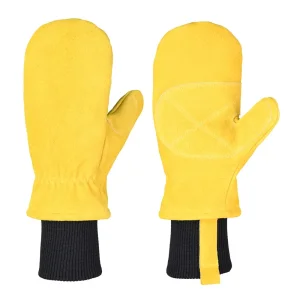
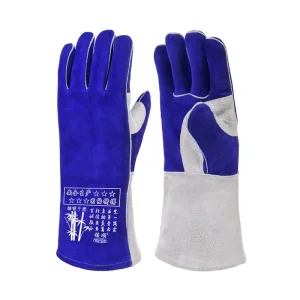
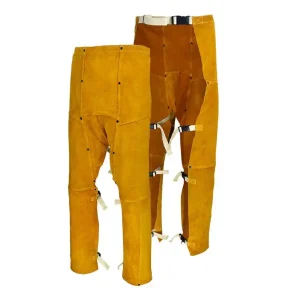
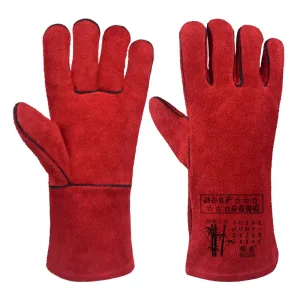
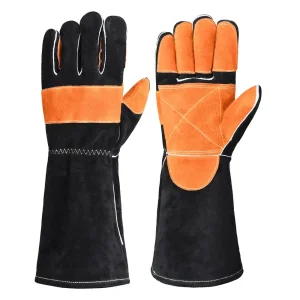
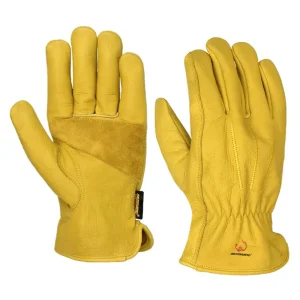
Complete multi-hazard work crews with our matched range of cold-weather mittens, heat-resistant leather gloves, cable wrappers, and heavy-duty chaps.