Direct OEM/ODM Industrial PPE Production Hub

Wholesale Personal Protective Clothing Manufacturers & Factories

Engineering High-Performance Flame-Resistant Workwear, Split Cowhide Leather Welding Apparel, and High-Dexterity Protective Gloves with Full CE, EN ISO 11611, and ANSI Compliance.

Industrial Protective Solutions

Featured Personal Protective Clothing & Gear

Direct factory sourcing for heavy fabrication, smelting, and welding plants. Engineered with reinforced seams, heat-reflective ergonomic liners, and certified flame retardance.
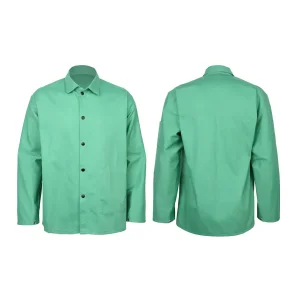
OEM MS-330 Premium FR Cotton Welding Jacket Supplier, Factory
FR Welding Jackets

OEM MS-330 Premium FR Cotton Welding Jacket Supplier, Factory

Technical Details
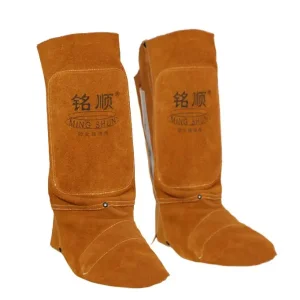
Custom MS-361 Brown Leather Welding Spats Leggings Manufacturers, Factory
Spats & Leggings

Custom MS-361 Brown Leather Welding Spats Leggings Manufacturers, Factory

Technical Details
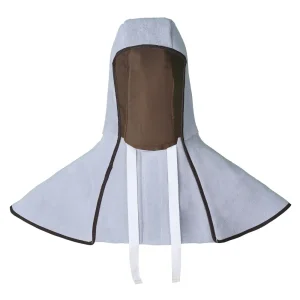
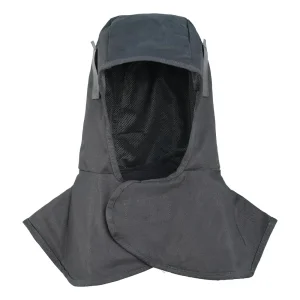
Custom MS-308N Mesh-Lined Split Cowhide Welding Hood with Shoulder Drape
Head & Neck Protection

Custom MS-308N Mesh-Lined Split Cowhide Welding Hood with Shoulder Drape

Technical Details
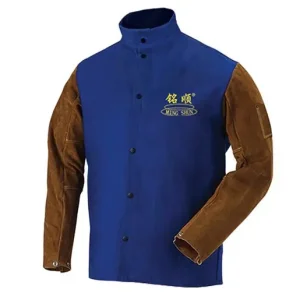
Custom MS-287 Hybrid FR Cotton & Cowhide Welding Jacket, 30"
Hybrid Garments

Custom MS-287 Hybrid FR Cotton & Cowhide Welding Jacket, 30" Manufacturer

Technical Details
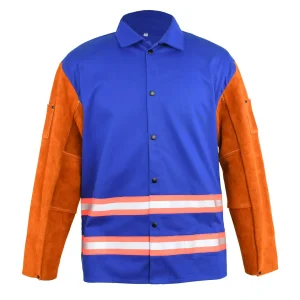
OEM MS-1260FR Hybrid Leather & FR Cotton Welding Jacket
Hybrid Garments

OEM MS-1260FR Hybrid Leather & FR Cotton Welding Jacket Manufacturer

Technical Details
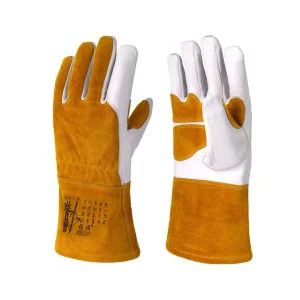
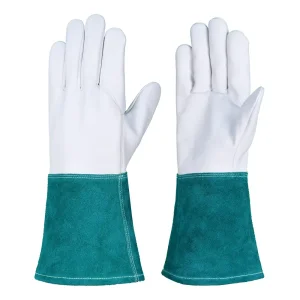
OEM MS-873 Premium Goatskin TIG Welding Gloves, High Dexterity
TIG Gloves

OEM MS-873 Premium Goatskin TIG Welding Gloves, High Dexterity

Technical Details
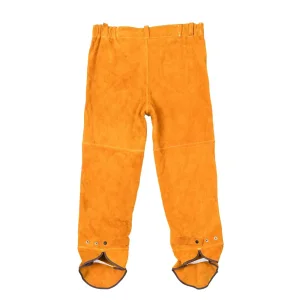
OEM MS-270-1 Leather Welding Trousers for Heavy-Duty Protection
Welding Trousers

OEM MS-270-1 Leather Welding Trousers for Heavy-Duty Protection

Technical Details
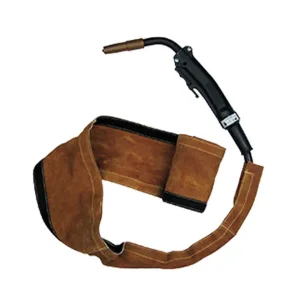
Custom MS-203 Split Cowhide Leather Welding Cable Cover Sleeve
Welding Accessories

Custom MS-203 Split Cowhide Leather Welding Cable Cover Sleeve

Technical Details
China Industrial Base Competitiveness

Why Global Tier-1 Safety Brands Centralize PPE Sourcing in China

China’s industrial personal protective clothing sector has transitioned from simple contract cut-and-sew assembly to high-precision engineering of advanced multi-hazard thermal garments, anchored by vertical raw-material integration and specialized manufacturing clusters.

Vertical Supply Chain Integration

Operating directly in Gaozhou, Guangdong—the world’s foremost leather tanning and processing cluster—enables absolute control over raw bovine hide grading, chrome-free retannage, and in-house pigment formulations. This complete integration cuts raw material lead times by 35% compared to non-integrated competitors.

  • In-house chemical bath monitoring for consistent split cowhide thickness
  • On-site color match spectrometers preventing batch-to-batch dye variance
  • Raw stock buffering ensuring stable bulk supply during market spikes

Advanced Flame-Resistant Metallurgy

Domestic weaving mills supply 7 oz to 12 oz long-staple cotton treated with durable organophosphate finishings or blended with permanent inherent aramids (Nomex/Kevlar). The resulting textiles maintain superior ATPV ratings (8.0 to 45 cal/cm²) even after 100 industrial thermal wash cycles.

  • Zero chemical melt-drip behavior under high-amperage spatter conditions
  • Thread integrity reinforced by genuine Kevlar® continuous filaments
  • Conforms fully with EN ISO 11611 Class 1 & Class 2 standards

Scalable Skilled Labor & Automation

With over 1,000 highly trained technicians and automated programmable pattern-sewing machinery, our production facilities process over 500,000 pairs of gloves and 150,000 heavy industrial safety garments each month without sacrificing dimensional tolerance or ergonomic curvature.

  • Laser die-cutting ensuring micron-level accuracy on complex garment gussets
  • Four-stage in-line quality verification eliminating loose stress stitches
  • Strict ISO 9001 and BSCI compliance guaranteeing ethical manufacturing
Regulatory & Performance Matrices

Engineering Standards: Translating Codes into Protective Shielding

Procurement teams require verifiable proof that safety equipment withstands radiant heat, convective transfer, molten iron spatter, and mechanical puncture. Below is an engineering comparison of protective apparel fabrics and leathers.

Material Formulation Protective Standard Thermal & Radiant Performance Mechanical Tear / Puncture Resistance Optimal Industry Application
Heavy Split Cowhide (1.2 - 1.4 mm) EN ISO 11611 Class 2 (A1+A2)
EN 388: 4244X
Resists >40 drops of molten metal slag; thermal radiant flux delay >18s Level 4 abrasion resistance; unmatched puncture barrier for slag scraping Heavy MMA/FCAW arc welding, structural steel erectors, pipe fabrication shops
Hybrid Cowhide + 9 oz FR Cotton EN ISO 11611 Class 1/2
ISO 11612 (A1, B1, C1)
Zoned protection: heavy leather on high-impact sleeves/chest, breathable FR cotton back Tear resistance >35N on FR fabric; high abrasion split leather front All-day indoor fabrication, shipyard pipe-racks, high-temperature summer welding
Treated 7 oz - 9 oz AR/FR Cotton NFPA 70E (PPE Cat 2)
ASTM F1506 (ATPV 9.2 cal/cm²)
Self-extinguishing char formation; flame duration <1.0s, zero afterglow Lightweight flexibility; tear strength reinforced by high-twist ring-spun cotton Electrical utility maintenance, light TIG welding stations, oil and gas terminals
Premium Grade-A Grain Goatskin EN 12477 Type B
EN 388: 2111X
Supple lanolin-rich grain blocks moderate radiant heat while maintaining tactile feel High natural tensile strength per millimeter; superior puncture vs weight ratio High-precision aerospace TIG welding, stainless steel sanitary tube fabrication
Aluminized Glass/Aramid Composites EN ISO 11612 (C3, C4, D3, E3)
ISO 17493
Reflects up to 95% of intense radiant heat up to 1650°C (3000°F) High shear resistance; laminated foil protects core fiber from slag embrittlement Foundry ladle pouring, smelting smelter skimming, industrial furnace tapping
Global Supply Chain Management

Macro-Industry Procurement & Enterprise Solutions

Managing the personal protective equipment category across multi-site industrial conglomerates requires vendor consolidation, proactive risk mitigation, tariff engineering, and end-to-end trace documentation.

25+
Years of Dedicated PPE Manufacturing
1,000+
Direct Full-Time Factory Personnel
500K+
Monthly Glove Pairs Shipped Globally
~45
Day Standard Turnaround for Bulk Containers

Compliance & Traceability Audits

Every batch of leather and FR textiles is assigned a distinct production lot number linked to certified laboratory test reports (SGS, TUV, SATRA). Global procurement heads receive batch-specific flame spread, tensile modulus, and chemical compliance dossiers with every bill of lading.

Full OEM/ODM Private Label Programs

We empower multinational distributors to build brand equity through precision hot-stamp debossing, high-density embroidery, custom silicone micro-injected badges, bespoke barcodes, and shelf-ready retail packaging formatted for rapid scanning at central distribution centers.

Direct Freight Optimization

Our logistics department consolidates mixed container loads (garments, spats, gloves, hoods, blankets) straight from Gaozhou to Shenzhen, Nansha, or Hong Kong ports. Vacuum-sealed inner polybags increase shipping container cubic volume efficiency by up to 28%.

Future-Ready Innovation

Market Trends Transforming Heavy Industrial PPE in 2026 and Beyond

Modern personal protective clothing is undergoing a paradigm shift driven by stringent worker-safety mandates, the adoption of hybrid ergonomic composites, and decarbonization directives across the global supply chain.

1. Hybrid Body-Mapping Ergonomics

Traditional full-leather welding jackets often lead to heat exhaustion and restricted shoulder mobility. The industry is rapidly pivoting toward hybrid engineering: deploying 1.3 mm bovine split leather exclusively across high-spatter zones (sleeves, forearms, chest bibs) while utilizing ultra-breathable, flame-resistant 9 oz cotton on the dorsal and torso sections to enhance ventilation by over 40%.

2. Chromium-Free Eco-Tanning Formulations

With European REACH and North American TSCA regulations tightening limits on hexavalent chromium (Cr VI) and chemical sensitizers, our factory has spearheaded synthetic bio-vegetable tanning techniques. This minimizes heavy-metal effluence, lowers dermal irritation risks for end-users, and satisfies corporate ESG procurement scorecards.

3. Multi-Hazard Arc & Hi-Vis Integration

Industrial sites no longer tolerate single-purpose equipment. Contractors demand garments certified simultaneously for arc flash protection (NFPA 70E / ASTM F1959), welding spatter resistance (EN ISO 11611), and daylight/low-light visibility (EN ISO 20471 Class 2/3) using segmented flame-resistant retroreflective heat transfer films.

Field Deployment Scenarios

Specialized Protection Across Critical Global Infrastructure

Different thermal operations present unique hazard profiles. Our product lines are mapped directly to high-risk industrial environments to safeguard workers and reduce lost-time injury metrics.

Shipbuilding & Marine Drydocks

Welders inside ballast tanks and double hulls experience extreme radiant heat reflection and confined spatter bouncing. Our Split Cowhide Trousers and Mesh-Lined Hoods prevent sparks from falling into ear canals and boot tongues.

  • Zero seam blowout under 350A continuous welding
  • Reinforced Kevlar® thread throughout all stress gussets

Oil, Gas & Subsea Pipelines

Field crews constructing transmission lines work in harsh open-air environments where explosive gases and flash fires present sudden threats. Our Navy 7 oz AR/FR Coveralls provide dual-risk protection with rapid tear-away brass closures.

  • Meets ASTM F1506 & NFPA 2112 flash fire specs
  • Deep expandable tool pockets with reinforced drainage

Foundries, Smelters & Forging

Continuous molten metal splash demands impenetrable barrier shields. Combining Aluminized Hand Pads with heavy leather spats shields workers against 1400°C molten iron sparks and thermal radiation during furnace draw-offs.

  • Aluminized backing deflects 95% of direct radiant wave energy
  • Quick-release buckle mechanisms allow 3-second rapid doffing

High-Precision Aerospace Fabricators

Precision TIG welders working on thin-gauge titanium and alloy tubing require uncompromised finger dexterity. Our Goatskin TIG Gloves enable seamless micro-movements of filler rod without seam friction.

  • EN 12477 Type B standard compliant for dexterity Level 5
  • Seamless index finger construction for smooth torch trigger manipulation
Direct Factory Inventory

Specialty Welding Apparel & Heavy PPE Configurations

High-volume wholesale models available for custom ODM branding, specification tweaking, and rapid container export.
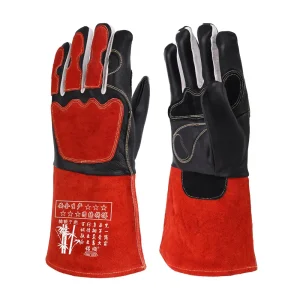
Wholesale MS-793 Premium Leather MIG Welding Gloves Manufacturer
MIG Gloves

Wholesale MS-793 Premium Leather MIG Welding Gloves Manufacturer

Technical Details
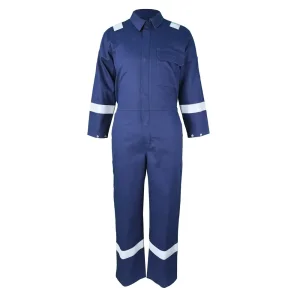
OEM MS-315 Navy 7 oz AR/FR Cotton Coverall Manufacturer
AR/FR Coveralls

OEM MS-315 Navy 7 oz AR/FR Cotton Coverall Manufacturer, Supplier

Technical Details
OEM MS-W874G Premium TIG Welder Gloves for Precision Control
TIG Gloves

OEM MS-W874G Premium TIG Welder Gloves for Precision Control

Technical Details
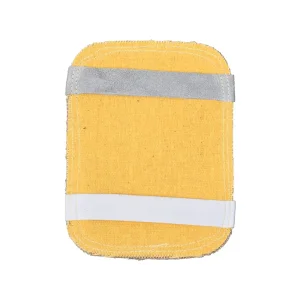
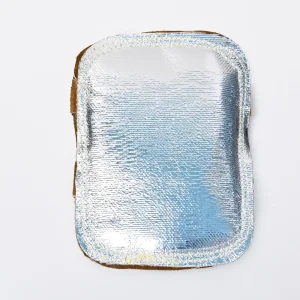
OEM MS-106T Aluminized Welding Back Hand Pads Manufacturers
Thermal Shielding

OEM MS-106T Aluminized Welding Back Hand Pads Manufacturers

Technical Details
Custom MS-303BL Cotton Welding Hood with Shoulder & Chest Coverage
Welding Hoods

Custom MS-303BL Cotton Welding Hood with Shoulder & Chest Coverage

Technical Details
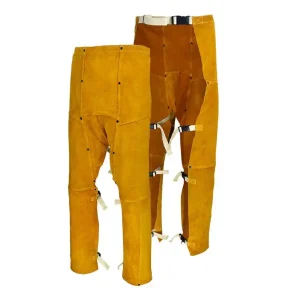
Custom MS-241 Split Cowhide Welding Chaps with Quick-Release Straps
Welding Chaps

Custom MS-241 Split Cowhide Welding Chaps with Quick-Release Straps

Technical Details
Custom MS-106 Heat Reflective Welding Back Hand Pads Manufacturer
Thermal Shielding

Custom MS-106 Heat Reflective Welding Back Hand Pads Manufacturer

Technical Details
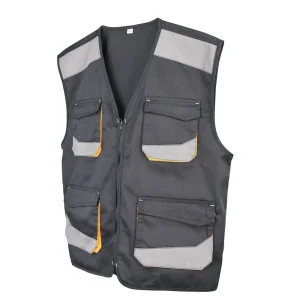
Wholesale MS-1326 Multi-Pocket Work Vest Factories, Factory
Industrial Vests

Wholesale MS-1326 Multi-Pocket Work Vest Factories, Factory

Technical Details
Technical Clarifications & Buyer FAQs

Frequently Asked Questions by Industrial Sourcing Directors

Answers to real engineering, compliance, testing, and MOQ questions encountered during enterprise safety tenders.


What is the core technical difference between EN ISO 11611 Class 1 and Class 2 protective clothing? +
EN ISO 11611 defines distinct hazard categories for welders. Class 1 protects against lower-risk welding techniques and operations (such as TIG, micro-plasma, gas welding, or spot welding) that generate fewer spatter droplets and lower radiant heat (tested to withstand at least 15 drops of molten iron without breakthrough, and a radiant heat delay t24 ≥ 7.0s). Class 2 protects against severe, heavy spatter processes (such as MMA stick, MAG, heavy FCAW flux-cored welding, plasma arc cutting, and gouging in confined spaces) requiring equipment to withstand at least 25 drops of molten metal and a radiant heat delay t24 ≥ 16.0s. Our 1.2–1.4 mm split cowhide jackets and hybrid garments are fully rated to meet and exceed Class 2 specifications.
Why choose in-house leather tanning over third-party leather sourcing for bulk welding apparel? +
Contract garment assemblers who purchase split leather from open markets inevitably suffer from batch inconsistency: hides vary dramatically in tensile fiber density, thickness (yielding soft and stiff zones across the same jacket), moisture absorption, and dye bleeding. By conducting our own tanning and chemical processing at Gaozhou, Guangdong, Guangdong Ming Shun controls the exact chrome content, fatliquoring agents, and split thickness across every single hide. This ensures predictable tensile resistance (>150N), eliminates unpleasant leather odors, prevents dye transfer onto undergarments, and guarantees that repeat purchase containers match golden samples identically.
What are the minimum order quantities (MOQs) and lead times for OEM private-label garments? +
For standard catalog models with customized private-label woven tags, heat-pressed branding, and barcode cartons, our baseline MOQ is typically 500 units for heavy leather jackets/coveralls and 1,200 pairs for specialized welding gloves. For fully custom pattern developments involving unique fabric dyeing or custom hardware closures, MOQ is 1,000 to 2,000 units depending on raw fabric mill yardage minimums. Prototyping takes 7–10 working days from tech pack sign-off. Bulk 40ft high-cube container production is typically completed in 35–45 days post sample approval.
How do you verify flame retardance durability across repeated industrial laundering cycles? +
Our FR cotton textiles undergo accelerated thermal washing testing according to ISO 15797 (industrial wash procedure at 75°C) and ASTM F1506. We execute continuous vertical flame spread tests (ASTM D6413 / ISO 15025) before and after 50 to 100 wash cycles to verify that char lengths remain under 100 mm with 0.0s afterflame and no molten dripping. Laboratory test reports detailing ATPV arc ratings and OEKO-TEX Standard 100 chemical safety credentials are systematically attached to every master production run.
Can your manufacturing facility accommodate customized sizing charts for specific geographic markets? +
Yes. Regional anthropometric variations require tailored grading. For the North American market, our patterns account for broader shoulder breadths, longer torsos, and roomier chest allowances (sizes S up to 6XL). For the European and Scandinavian markets, we utilize streamlined ergonomic contours conforming strictly to EN 340 / EN ISO 13688 sizing standards. Our digital CAD pattern system adjusts cuff closures, collar heights, and inseams to fit national distributor requirements precisely.