Technical OEM/ODM Manufacturing, High-Thermal Shielding Metallurgy, and Global Supply Chain Ecosystem for Enterprise Heavy-Duty Welding Safety Apparel.
Enterprise procurement styles engineered for extreme temperature gradient endurance, weld spatter resistance, and high-tensile structural integrity.
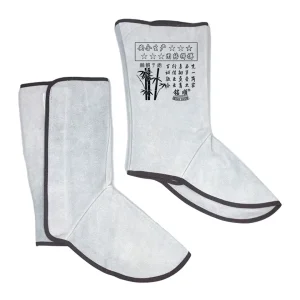
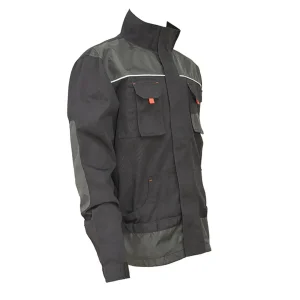
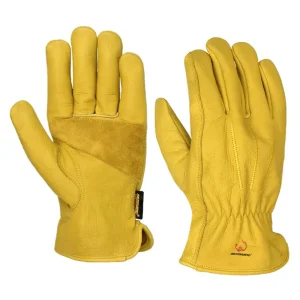
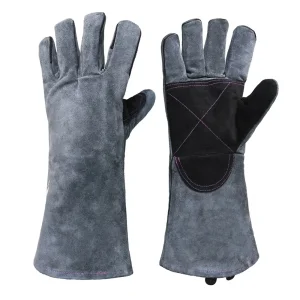
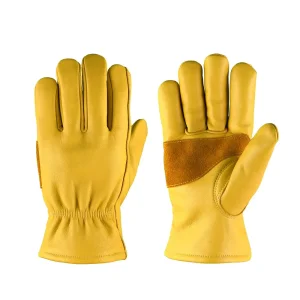
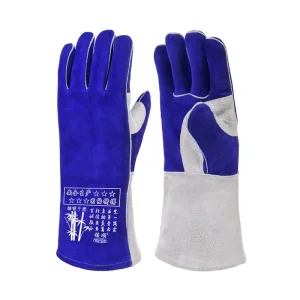
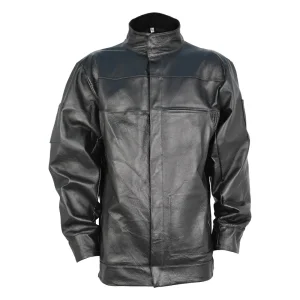
In heavy industrial fabrication, thermal processing, structural construction, and naval engineering, the selection of protective welding apparel is an essential decision directly impacting workforce occupational safety, liability exposure, and operational productivity. Sourcing directly from an established leather weld jacket factory provides multinational industrial distributors, brand licensing groups, and high-volume corporate procurement teams with critical control over metallurgy, material weight distributions, seam shear resistance, and strict standard adherence.
Direct engagement with specialized wholesale leather weld jacket factories bypasses brokerage friction, establishing an auditable supply chain with complete batch-to-batch consistency. By anchoring manufacturing protocols in vertically integrated leather tanneries, cutting facilities, and automated stitching hubs, original equipment manufacturers (OEM) achieve tight tolerance control across tensile resistance, tear resilience, and ergonomic kinetic freedom.
How the Gaozhou leather processing cluster in Guangdong drives cost stabilization, material mastery, and uncompromised throughput velocity for global bulk contracts.
Direct ownership of leather processing, retanning, and chrome-tannage stabilization ensures hide density remains strictly uniform at 1.2–1.4mm, eliminating weak zones and material porosity across export containers.
Operating dedicated production floors with over 1,000 on-site technicians enables 45-day turnkey export cycles on standard OEM configurations, paired with robust buffering against seasonal raw material shortages.
Digitally mapped CAD cutting layouts yield maximum panel yield from select hides, minimizing seams across high-exposure torso and forearm zones to systematically eliminate structural seam vulnerabilities.
Laboratory-verified benchmark data comparing hide selections, FR cotton fabrics, and hybrid architectures under rigorous industrial weld parameters.
| Substrate Classification | Tensile Strength (ISO 13934) | Spatter Droplet Barrier (EN ISO 11611) | Weight / Flexibility Ratio | Target Industrial Application |
|---|---|---|---|---|
| Heavy Split Cowhide (1.3mm+) | > 450 N (Ultra-High) | Class 2 (> 40 Droplets) | Rigid / Maximum Mechanical Shield | Continuous SMAW/FCAW, Foundries, Shipyards |
| Grain Pigskin Leather | > 320 N (Moderate-High) | Class 1 / 2 Compliant | Pliable / Breathable Natural Grain | High-Dexterity Fabrication, Overhead TIG/GMAW |
| Hybrid: FR Cotton + Cowhide Sleeves | Variable (Torso 280N / Arms 450N) | Class 1 (Torso) / Class 2 (Arms) | Optimized for High Temperature Environments | Automotive Assembly Lines, High-Mobility Maintenance |
| 9 oz Treated FR Cotton | > 220 N (Moderate) | Class 1 (Up to 15 Droplets) | Lightweight / Low Fatigue | Inspection, Low-Amperage Clean TIG Environments |
Enterprise risk management demands that commercial-grade leather weld garments conform rigorously to regional legislative bodies across destination markets.
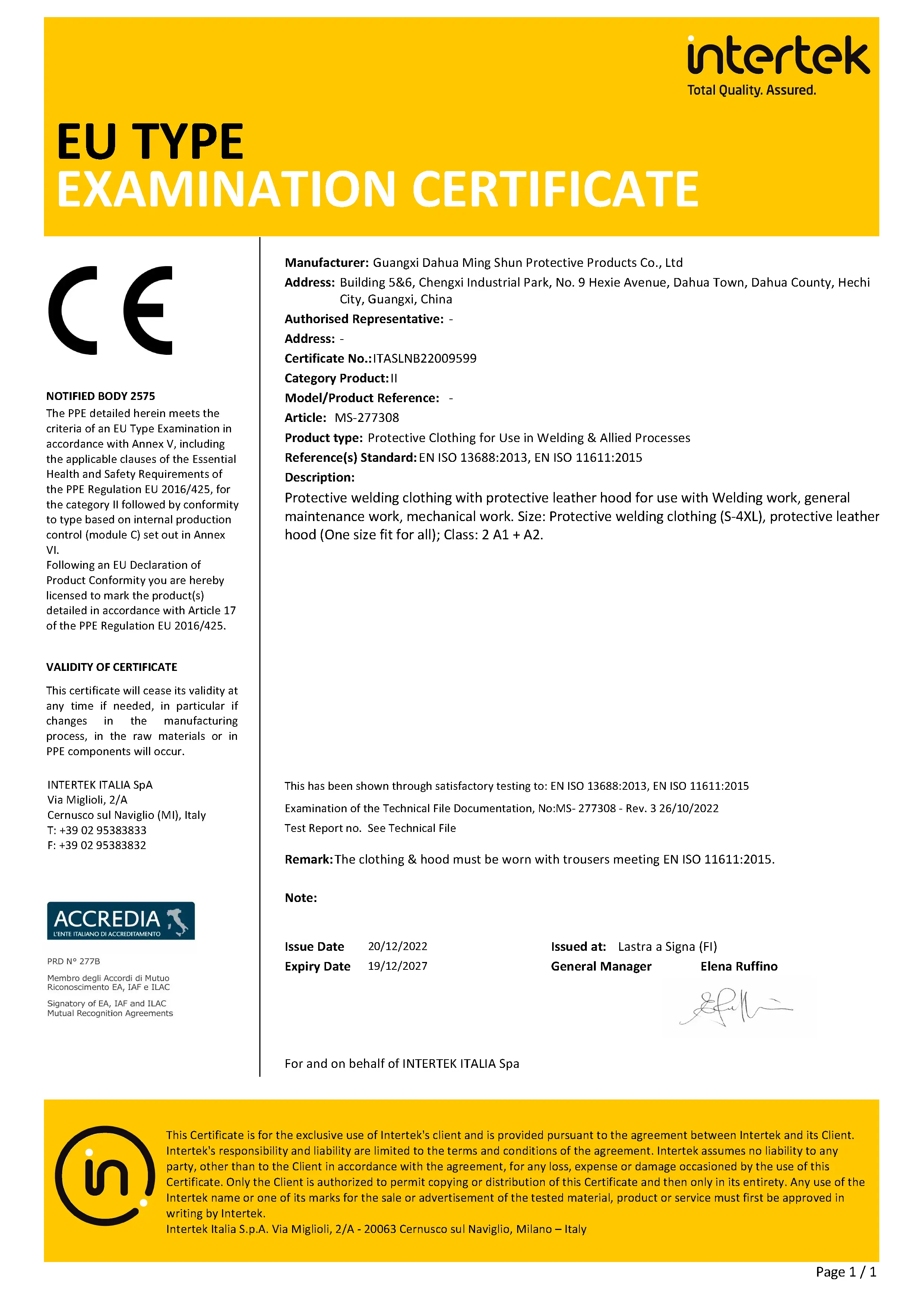
Mandatory certification for European single-market distribution. Certifies apparel against radiant heat, flame propagation, and spatter impact for manual welding.
Addresses North American heavy industry mandates, ensuring tear resistance, electrical insulation properties, and chemical safety across non-conductive snaps.
Strict chemistry protocols maintaining Chromium VI levels well below detectable limits (under 3 mg/kg), eliminating dermatological hazard and legal liability in the EU.
Quality management validation through rigorous stage-gate in-line inspections, ensuring reproducible dimensions, stitching densities, and structural seam integrity.
Analysis of evolving corporate sourcing requirements: ergonomics, lightweight hybrid engineering, sustainability, and automated private-labeling systems.
To reduce operator fatigue without compromising safety, global buyers are migrating from monolithic full-leather jackets toward hybrid models featuring 9 oz FR breathable cotton backs combined with cowhide-shielded fronts and arms.
Seams remain the primary failure point in budget protective gear. Industry leaders now universally mandate DuPont™ Kevlar® or high-grade para-aramid thread locking with critical stress-point bar-tacking and metal rivet reinforcements.
Safety equipment suppliers demand brand differentiation. Advanced factories offer laser-engraved leather branding, direct high-density embroidery, bespoke heat-sealed barcode badging, and automated retail shelf packaging.
Specific field conditions where leather welding jackets provide irreplaceable life safety shielding against mechanical and thermal vectors.
Confined-space overhead arc gouging, flux-cored structural joins, and wet marine environments mandate high-tensile cowhide that resists molten metal entrapment and structural degradation from abrasive bulkhead friction.
Maintenance technicians operating around robotic MIG cells require flexible pigskin or cowhide hybrid garments offering swift snap-release closures and non-scratch leather-covered fasteners that protect polished vehicle panels.
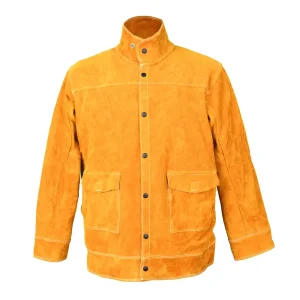
Continuous radiant heat exposure over 300°C combined with heavy molten splash demands thick-cut full cowhide jackets, equipped with high stand-up Mandarin collars lined in soft cotton to safeguard the sensitive carotid artery area.
From initial sample prototyping and CAD-pattern digitization to bulk leather tannage control and final shipping container seal, Ming Shun offers a fully auditable tier-1 manufacturing platform for global welding PPE brands.
Essential regulatory, technical, and commercial answers for corporate supply chain managers and import distributors.
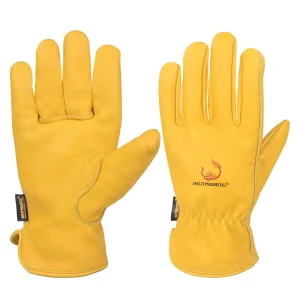
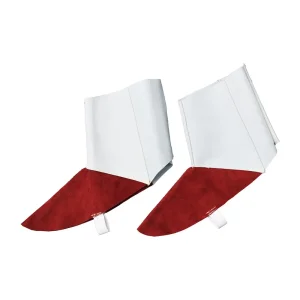
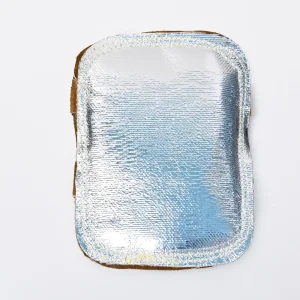
Explore additional factory-direct personal protective equipment configurations engineered to identical industrial quality standards.