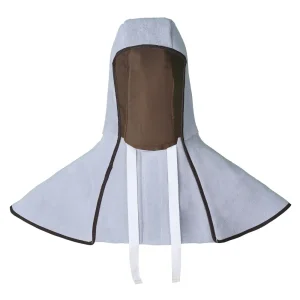
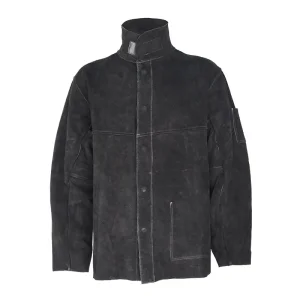
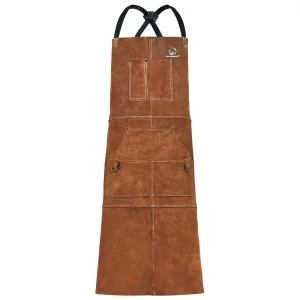
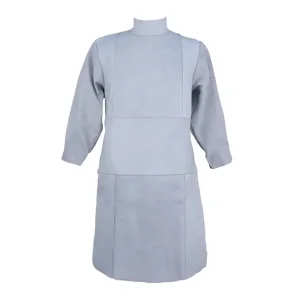
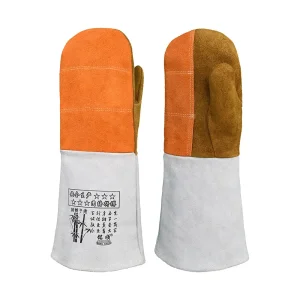
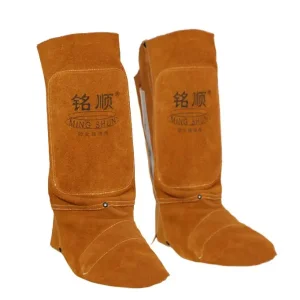
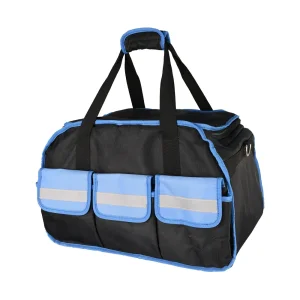
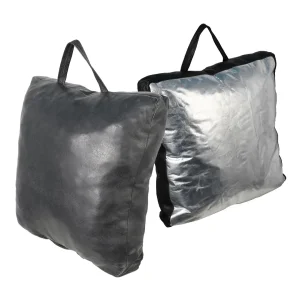
Featured heavy-duty safety apparel precision-crafted in our specialized leather tanneries and manufacturing plants.
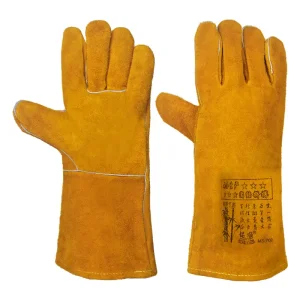
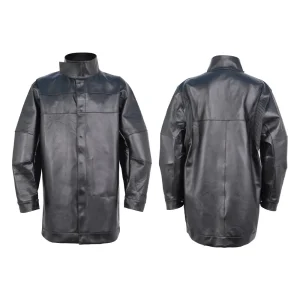
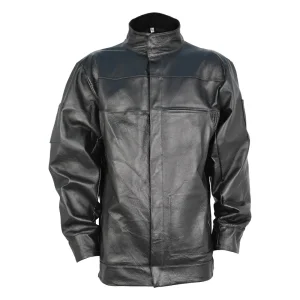
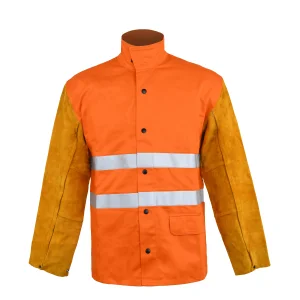
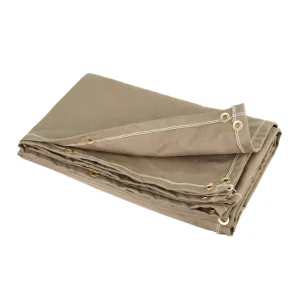
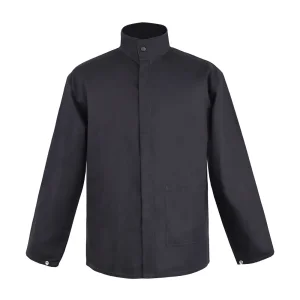
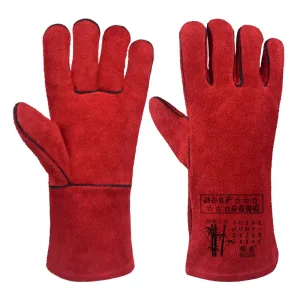
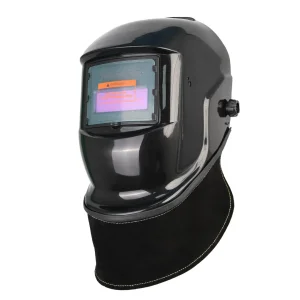
A technical assessment of ergonomic barriers, high-amperage spatter mitigation, and cross-tier industrial compliance.
In modern industrial fabrication—spanning deep-sea shipbuilding, petrochemical pipelines, and robotic MIG/TIG manufacturing—the leather apron for welding serves as the frontline thermal barrier against molten slag ejections, open arc flash, and radiant energy exceeding 1,200°C. Despite automation advances, high-deposition welding techniques (SMAW, FCAW, and Submerged Arc gouging) still demand uncompromising personal protective equipment (PPE) that guarantees thoracic, abdominal, and femoral integrity without compromising operator mobility.
International procurement strategies have shifted from commoditized purchasing to stringent lifecycle metrics. Sourcing managers and health and safety (EHS) officers increasingly evaluate aprons based on fiber density, chromium balance in tanning, seam welt construction, and certified conformity to EN ISO 11611:2015 Class 2 standards. This analytical whitepaper details the architectural, regulatory, and mechanical fundamentals of procurement-grade leather welding protection designed for high-stress manufacturing.
Utilizing high-density, grade-A split cowhide with optimized thickness (1.2mm – 1.6mm), our aprons guarantee non-combustible protection under severe spatters up to 40 drops of molten steel without burn-through.
Cross-back harness configurations replace legacy neck-strap designs, distributing the 2.5 lb deadweight across the trapezius and latissimus muscles, significantly mitigating cervical fatigue during 10-hour shifts.
Every structural seam is bound using 3-ply DuPont™ Kevlar® thread fortified with continuous split-leather welt inlays, preventing molten beads from cutting through or melting exterior stitching.
Integrated manufacturing spanning tannery operations, automated die-cutting, and computerized stitch control.
Our ISO-certified laboratory tests chrome content, pH values, tear strength, and flammability across raw hides prior to pattern cutting, ensuring complete regulatory safety compliance.
From brass snap fasteners and quick-release acetal buckles to custom fire-resistant branding patches, our engineers customize dimensions (e.g., 24"x36", 24"x42") to match specific end-user environments.
Eco-conscious wastewater treatment and chromium recycling lower the carbon footprint of our leather goods, satisfying the stringent Tier-1 supply chain sustainability parameters demanded by EU and US buyers.
Eliminating regulatory risk and import roadblocks through comprehensive third-party certification portfolios.
Class 1 & Class 2 certification covering high-risk manual welding techniques with substantial spatter emissions.
Meets 29 CFR 1910.132 general personal protective requirements and heat flame dispersion metrics across US states.
Strict non-detection of Azo dyes, Chromium VI (< 3 mg/kg), and polycyclic aromatic hydrocarbons (PAH) under EU SVHC mandates.
Localized FOB, CIF, and DDP processing through major hubs (Shenzhen/Guangzhou) with streamlined customs tariff pre-classification.
Engineered to satisfy localized field stresses across diverse geographical and operational sectors.
Exposure to coastal humidity accelerates salt crystallization on leather. Our specially oiled split cowhide repels saline moisture, maintaining flexibility and thermal resistance in humid docks across Northern Europe and East Asia.
Designed for field operations involving tight staging, aerial platforms, and overhead welding in North American projects. Features split-leg protection and quick-release loops that interface cleanly with safety harnesses.
Shields operators in automated press and spot-welding lines from flying slivers and sharp sheet edges. Offers robust EN 388 Level 4 puncture resistance combined with heat-resistant protection for lean fabrication units.
Our R&D engineering milestones targeting weight reduction, smart monitoring, and advanced thermal composites.
Merging heavy-duty 1.4mm split leather in direct-impact chest/leg areas with breathable 9oz flame-retardant cotton backs to decrease core worker temperatures by up to 18%.
Micro-ceramic topcoat processing that deflects localized heat spikes up to 1,600°C without increasing overall garment weight or stiffening the hide under repetitive bending.
Embedding ultra-thin, spark-proof RFID and thermal degradation indicators within inner linings to systematically notify EHS managers when personal equipment lifecycle thresholds are met.
Shifting 100% of industrial leather processing to zero-chrome vegetable tannins, guaranteeing biodegradable attributes at the end of the garment lifecycle without reducing thermal resistance.
Objective technical parameters answered directly by our factory production engineers and compliance directors.
Split cowhide is sourced from the fibrous underlayer of the hide after the grain split. Its dense, napped structure offers significantly higher puncture and heat deflection capabilities, resisting molten metal spatters and abrasions far better than smooth grain leather, which can blister and harden under direct flame exposure.
We use 100% Kevlar® synthetic aramid fiber threads, which do not burn or melt even under radiant temperatures up to 425°C. Critical structural intersections are double-stitched and recessed into leather-welted seams, shielding the thread from continuous direct slag impact.
Custom pattern generation and physical prototype development take 5 to 7 business days. Following client sign-off on technical sheets, full container load (FCL) production cycles are typically completed within 35 to 45 calendar days, supported by our 500,000 unit monthly manufacturing capability.
Yes. We engineer customized sizing scales according to geographical target markets: North American ANSI formats generally mandate wider coverage (up to 28" x 46"), whereas European and Asian industrial segments prioritize slimmer, contoured profiles (24" x 36" or 24" x 42") equipped with multi-point adjustable harnesses.
Every commercial production run includes comprehensive laboratory batch documentation confirming pH balance, zero Chromium VI content, tensile/tear thresholds, and burning behavior testing reports aligned with EN ISO 11611 prerequisites.
Expand your commercial catalog with field-proven industrial accessories and specialized welding PPE.