Engineered for multi-hazard environments involving heavy molten splash, electric arc exposure, and high radiant heat. All products are manufactured in-house under ISO 9001 certified protocols.
A rigorous metallurgical, petrochemical, and electrical utility analysis of lower-body occupational risk factors, regulatory shifts, and technical textile advancements.
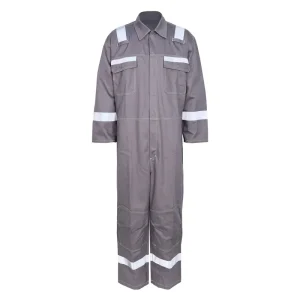
In modern industrial manufacturing, Flame-Resistant Clothing (FRC) pants represent one of the most critical yet engineering-sensitive segments of secondary personal protective equipment (PPE). While upper-body protection (jackets, aprons, shields) defends vital thoracic and cranial zones against directional spatter, the lower extremities bear the disproportionate brunt of gravity-fed molten droplet pooling, ground-level radiant rebound, mechanical abrasion from structural steel beams, and continuous electrostatic grounding hazards.
As enterprise procurement authorities transition away from fragmented transactional purchases toward audited global safety compliance programs, the technical expectations placed upon wholesale FRC clothing pants manufacturers and suppliers have permanently shifted. Modern Tier-1 supply chains demand multi-norm verification (NFPA 2112 for flash fire, NFPA 70E / ASTM F1506 for electrical arc thermal performance value [ATPV], and EN ISO 11611/11612 for foundry welding), non-negotiable supply chain traceability, PFAS-free chemical repellency, and anthropometrically balanced kinetic fits that guarantee worker compliance without productivity loss.
Global multi-utility operators and EPC contractors no longer accept mono-hazard protective pants. Sourcing specifications now universally require dual-hazard rating: meeting both flash fire criteria (char length <100 mm per ASTM D6413) and electric arc exposure ratings (minimum ATPV 8.6 cal/cm² to 12 cal/cm² for PPE Category 2 rating).
Traditional full-leather welding trousers offer maximum molten slag resistance but cause rapid thermal exhaustion in tropical, desert, or enclosed shipyard conditions. Leading manufacturers are standardizing hybrid engineering: combining breathable 9 oz / 11 oz treated FR cotton body structures with top-grain or split cowhide shields strategically placed over high-risk kneecap and tibial drop zones.
With escalating EU REACH Annex XVII constraints and U.S. state-level regulations targeting per- and polyfluoroalkyl substances (PFAS), industrial safety workwear must eliminate fluorochemical water-and-oil repellent finishes. Ming Shun leverages advanced silicone- and paraffin-based bio-barrier polymers that maintain water shed and weld spatter roll-off while achieving non-toxic compliance.
Enterprise buyers managing multi-plant contracts must evaluate fabric weight, weave density, tensile integrity, and heat attenuation factors. The comparative analysis below outlines key production parameters for high-volume contract sourcing.
| Material Category | Composition & Construction | Primary Hazard Defense | Thermal & Arc Performance | Typical Industrial Sector | Lifecycle Durability |
|---|---|---|---|---|---|
| Heavy Treated FR Cotton | 100% Long-Staple Ring-Spun Cotton, 9.0 oz to 12.0 oz Twill or Sateen | Flash fire flashover, hot slag droplets, flying sparks | ATPV 9.8 - 12.5 cal/cm² (HRC 2) | Automotive MIG/TIG welding, general fabrication, machine maintenance | 50 - 75 commercial wash cycles at 60°C |
| AR / FR Synthetic Blends | 88% FR Cotton / 12% High-Tenacity Polyamide / Ripstop Nylon | Electrical arc flash, burst pressure, heavy mechanical friction | ATPV 11.2 - 14.0 cal/cm² (HRC 2) | Petrochemical refining, upstream extraction, natural gas sub-stations | 100+ commercial wash cycles with superior tear retention |
| Inherent Aramid / Modacrylic | 93% Nomex® / Kevlar® / 5% Modacrylic / 2% Antistatic Carbon | Extreme radiant heat, static ignition in explosive atmospheres (ATEX) | Non-combustible threshold (>370°C degradation) | Offshore oil rigs, chemical processing, aerospace cryogenics | Permanent protection (never washes out over entire garment lifespan) |
| Split Cowhide Leather Reinforced | 1.2 - 1.4 mm Heavy Duty Bovine Split + 9 oz FR Cotton Base | Heavy torch gouging slag, continuous molten metal drips, structural grind abrasion | EN ISO 11611 Class 2 (Highest Grade) | Shipyard block erection, blast furnace maintenance, pipe welding lines | Extreme service life in physical abrasion hot environments |
A high-performance safety trouser must withstand forces beyond plain fabric ratings. Industrial stress-point mapping indicates that 72% of garment failures occur at seam junctures rather than through fabric degradation. Ming Shun constructs FRC trousers with reinforced five-thread safety stitching, flat-felled crotch gussets, Bar-tack reinforcement on all 14 primary stress nodes, and brass-tooth zippers encased in dual-sided FR storm plackets to prevent galvanic thermal conduction directly onto the operator's skin.
Turnkey protective apparel solutions adapted to high-consequence work environments. Each configuration is built to overcome unique operational challenges.
Continuous submerged arc, flux-core welding, and oxy-fuel cutting expose operators to massive slag pools. We combine Class 2 leather knee wraps with flared over-boot cuffs to eliminate slag catch pockets.
Petrochemical workers require high visibility under foggy marine conditions combined with rapid heat release in volatile atmospheric environments. Certified multi-norm pants integrate flame-retardant silver retro-reflective tapes.
High-voltage line workers demand arc flash protection that eliminates second-degree skin burns caused by energy discharge. Non-conductive components and covered hardware are mandatory throughout construction.
Naval shipfitters crawl across rough diamond plate and unpolished bulkheads. FRC pants designed for this sector incorporate heavy Cordura®-FR knee reinforcement shells paired with removable EVA impact pads.
Ming Shun ensures that every container leaving our factory gates arrives fully documented and legally compliant with the jurisdiction of the importing destination.
Every roll of raw fabric undergoes vertical flame ignition testing (ASTM D6413 / ISO 15025), dimensional stability shrinkage checks (<3% after 5 high-temp washes), and colorfastness validation before moving to the cutting table. Batch test certs are archived for 7 years for enterprise traceability.
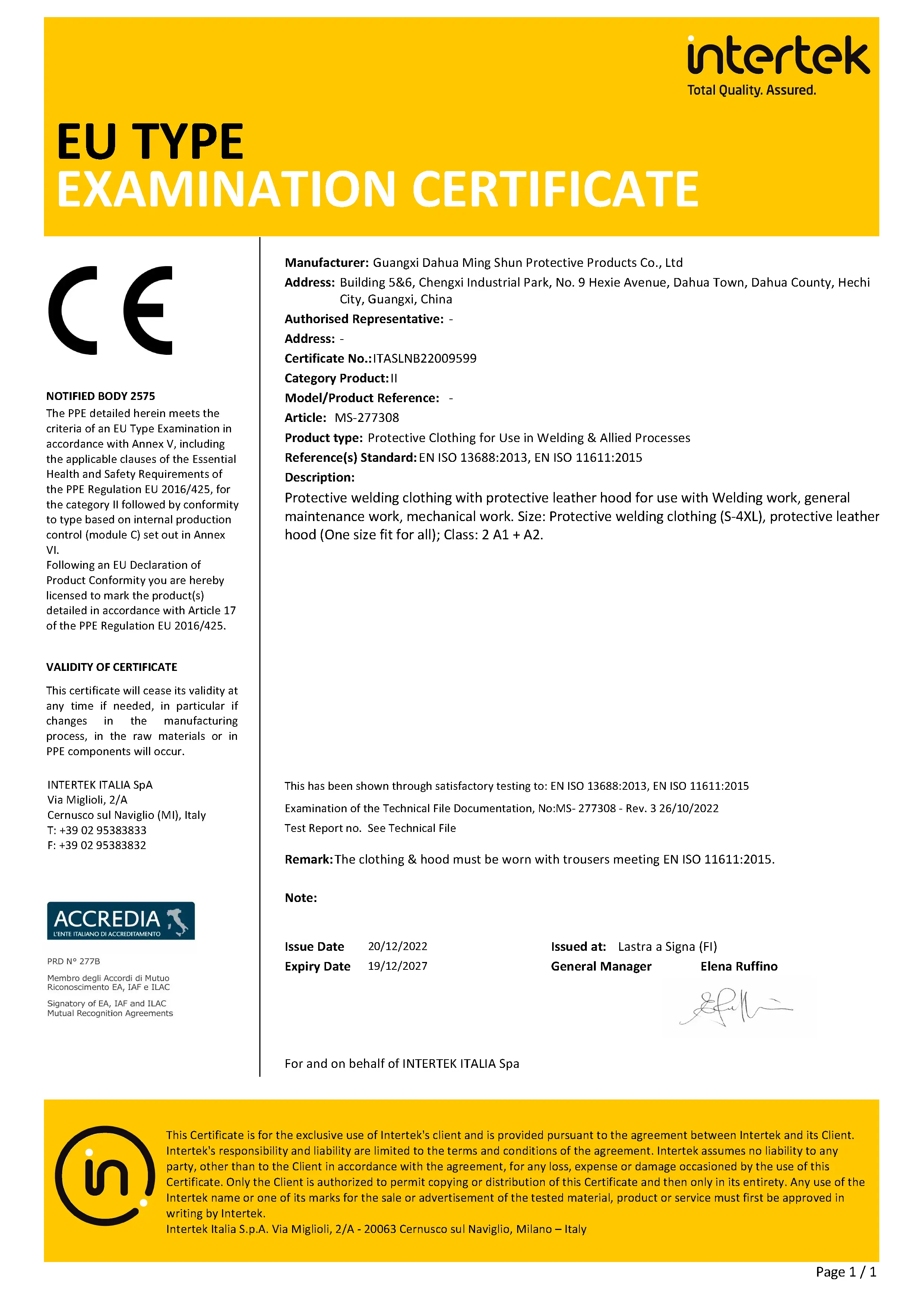
Importing into the European Union requires CE Module B & Module D documentation and UKCA markings for the United Kingdom. We engineer custom care labels, barcode hangtags, and bilingual warning manuals (English, Spanish, French, German) compliant with EN ISO 13688 standards.
Headquartered in Gaozhou, Guangdong, we offer frictionless export connections through Shenzhen, Guangzhou, and Hong Kong deepwater ports. Our documentation specialists handle Form E, CO, SASO, and GSP origin declarations to minimize import tariff exposure for our global partners.
How cutting-edge textile science and automated fabrication are reshaping durability, worker ergonomics, and environmental sustainability.
We are actively co-developing closed-loop recycling processes for post-industrial aramid scrap. Re-polymerized para-aramid yarns maintain 94% of virgin tensile performance, dramatically cutting the carbon footprint of high-end flame-retardant trousers without sacrificing burn survival windows.
Collaborating with industrial IoT labs, Ming Shun is prototyping embedded, washable thermocouple telemetry patches positioned on upper-thigh liners. These notify team leaders of core body heat accumulation in confined boiler spaces before heat stroke can occur.
By capturing 3D motion scans of active welders performing overhead and squat positions, our latest trouser blocks feature accordion stretch gussets with elasticized FR aramid-spandex zones, eliminating the lower-back exposure gap when bending or reaching.
In-depth responses to technical, logistical, and compliance questions commonly raised by safety managers, global brand directors, and municipal tender boards.
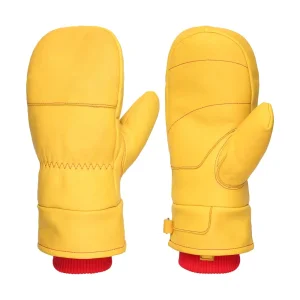
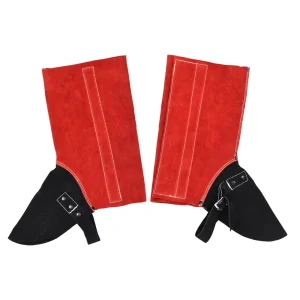
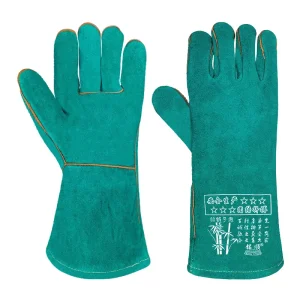
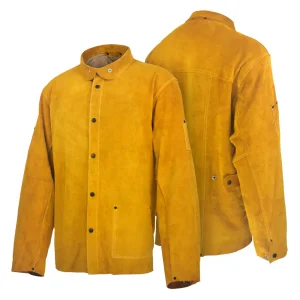
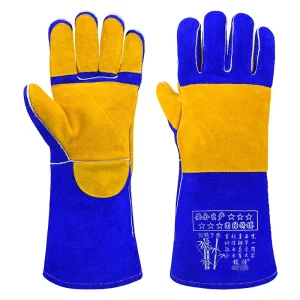
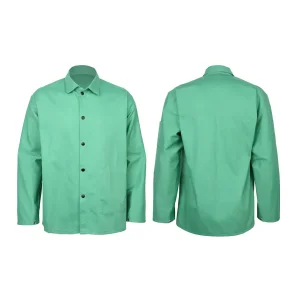
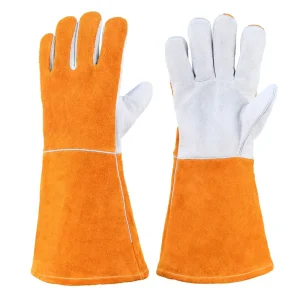
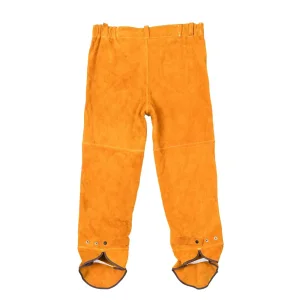
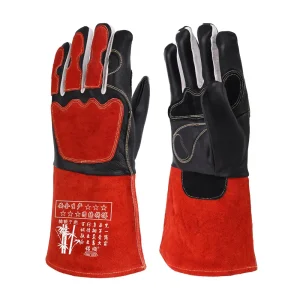
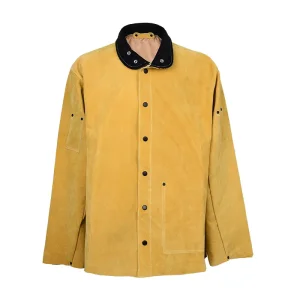
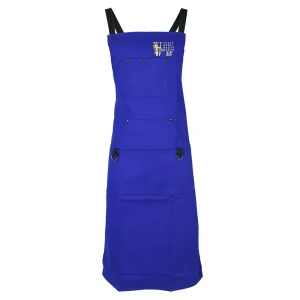
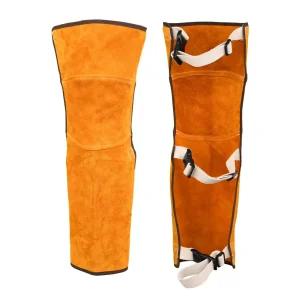
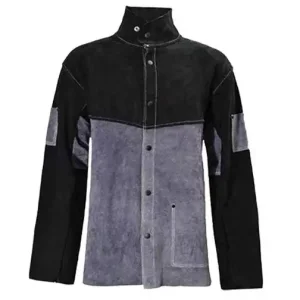
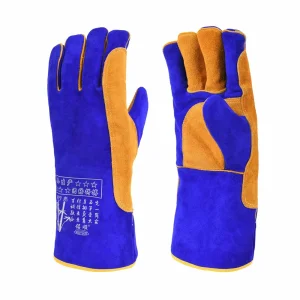
Complete your industrial protective fleet with factory-direct leather trousers, insulated winter gloves, split cowhide aprons, and multi-hazard jackets.
Connect directly with Ming Shun senior PPE manufacturing engineers. We provide comprehensive design evaluations, physical fabric swatches, technical spec verification, and competitive volume pricing within 24 business hours.