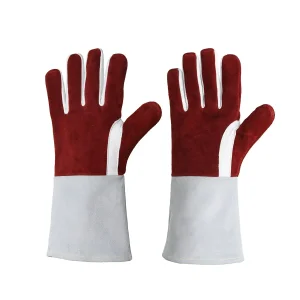
Explore heavy-duty PPE engineered for welding spatter resistance, radiant heat suppression, and rigorous multi-shift field endurance.
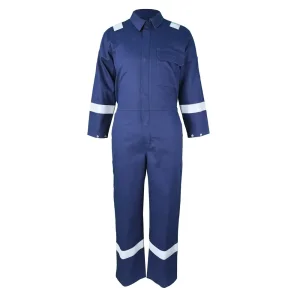
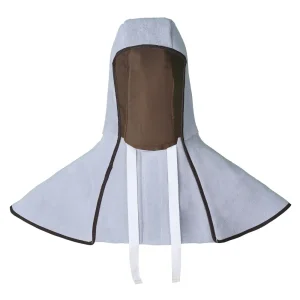
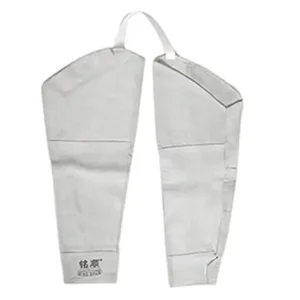
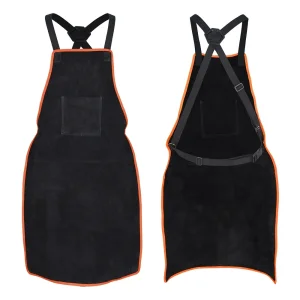
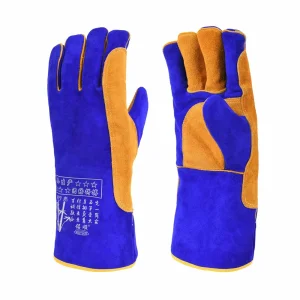
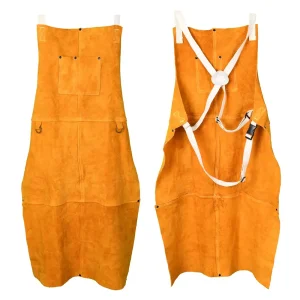
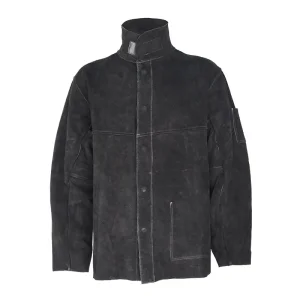
Transitioning from cumbersome, unyielding split cowhide tunics to dynamically articulated flame-retardant pullover and zip hoodies represents a multi-billion dollar ergonomic paradigm shift across heavy manufacturing.
Traditional rigid leather workwear restricts natural torso articulation, creating metabolic heat fatigue in confined spaces. Modern FR welding hoodies combine heavy-weight 100% chemically bound cotton twill or inherently flame-resistant modacrylic/aramid blends (ranging from 10.5 oz/yd² to 14.0 oz/yd²). Upon instantaneous exposure to molten droplet trajectories (up to 1,550°C), the textile carbonizes instantaneously into an oxygen-depleted barrier layer, eliminating melt-drip hazard mechanisms and dramatically lowering second-degree burn potential according to ASTM F1959 and ISO 11612.
Industrial procurement departments in North America, Western Europe, and Australasia are rationalizing vendor tiers. Tier-1 enterprise buyers are deserting pure trading agents in favor of vertically integrated OEM/ODM manufacturing facilities. Direct mill integration guarantees lot-to-lot consistency in fabric bath neutralization, dye crocking fastness, Kevlar® structural seam tensioning, and third-party laboratory audits required by OSHA 29 CFR 1910.252.
Global welding operators rarely encounter thermal spatter in isolation. Structural steel erectors, pipeline tie-in technicians, and petrochem turnaround specialists require protection against simultaneous hazards: electric arc flashes (NFPA 70E / CSA Z462), deflagration flash fires (NFPA 2112), and electrostatic discharge (EN 1149-5). Hoodies engineered with intrinsic antistatic threading and dense looped french terry liners deliver high ATPV (Arc Thermal Performance Value) ratings beyond 20 cal/cm² without compromising moisture transport.
A comprehensive assessment of textile matrices, stitching tolerances, and protective shielding configurations engineered to resist industrial thermal degradation.
The manufacturing blueprint rests upon two distinct chemical paths:
1. Chemically Grafted FR Cotton (Proban® / Pyrovatex® Analogs): Long-staple combed cotton subjected to organophosphorus polymer crosslinking. This achieves cost-effective, high-breathability performance capable of exceeding 50 to 100 industrial wash cycles when laundered under neutral pH parameters.
2. Inherent Polymer Systems (Aramid / Modacrylic / Polybenzimidazole): The flame-extinguishing properties reside within the molecular polymer backbone itself. These matrices are zero-shrink, completely impervious to laundering washouts, and optimized for extreme thermal fluxes such as subsea offshore welding and nuclear vessel fabrication.
Standard retail sweatshirts fail catastrophically under MIG/SMAW spatter due to synthetic thread liquefaction and pocket-catch geometry. Professional FR welding hoodies integrate proprietary architectural enhancements:
• Concealed Snap Closures & Covered Front Storm Flaps: Elimination of exposed brass zippers that conduct thermal energy directly to the chest during heavy torch proximity.
• Form-Fitted Welder Hood Drape: Engineered oversized hoods patterned specifically to fit over standard 3M™ Speedglas™ or Miller® auto-darkening headgear without choking the chin strap or binding peripheral vision.
• 100% Para-Aramid (Kevlar®) Stitching: Double-needle flat-felled seam configurations ensuring that thread integrity is preserved even if the garment surface is peppered by slag particles.
| Performance Characteristic | Standard Split Cowhide Jacket | Heavy FR Treated Cotton Hoodie | Hybrid Inherent Aramid/Leather Hoodie |
|---|---|---|---|
| Weight Distribution & Mobility | Heavy (~1.6 - 2.2 kg), severe motion restriction | Balanced (~0.8 - 1.1 kg), dynamic 4-way stretch | Optimized (~1.0 - 1.3 kg), strategic zonal shielding |
| Breathability & Moisture Vapor (RET) | Extremely Low (High heat exhaustion risk) | High (Moisture wicking french terry weave) | Moderate to High (Vented underarm eyelets) |
| Molten Droplet Resistance (EN 11611) | Class 2 Superior (>25 droplets) | Class 1 Certified (15-25 droplets) | Class 2 Certified (>25 droplets on reinforced zones) |
| Laundering Durability & Maintenance | Non-washable, prone to stiffening/rot | 50-100 cycles compliant (NFPA 2112 specs) | Unlimited cycles for inherent textile shell |
| Unit Cost Economics (Bulk OEM) | Moderate to High (Hide availability dependent) | Cost-Efficient (High scalability & margin) | Premium (Engineered for critical industrial tiers) |
Analyzing cross-sector demands: how custom-engineered FR hoodies solve hyper-specific occupational safety challenges across contrasting work environments.
Naval dry dock welders operate within double hulls and damp ballast tanks where heavy leather coats cause dehydration and entrap toxic fumes. FR welding hoodies with antimicrobial finishes, high-neck rib-knit collars, and dielectric plastic snap closures provide overhead slag deflection while maintaining core body thermoregulation during 10-hour sub-assembly shifts.
Pipeliners in harsh climates (such as the Canadian oilsands or Scandinavian infrastructure) face ambient sub-zero conditions coupled with intense pipe-root pass heat. Multi-layer fleece-backed thermal FR hoodies serve as outer defense shells or mid-layer elements beneath leather aprons, maintaining core warmth without bulk-induced pipe contact incidents.
Maintenance technicians entering robotic spot-welding envelopes need agile apparel that will not catch on automated fixtures. Tight-gauge rib-knit cuffs, concealed drawstring tunnels, and flame-retardant radio/cell phone pockets ensure compliance with automated cell interlock safety policies.
How direct manufacturing partnerships eliminate supply disruptions, guarantee regulatory compliance, and safeguard distributor operating margins.
Distributors cannot afford product liability exposure. Sourcing directly from verified plants provides comprehensive batch test reports (ASTM F1506, NFPA 2112, ISO 11611) alongside certificate of conformity (CoC) files signed by accredited testing bodies like SATRA, UL, or BTTG.
Transform standard FR apparel into exclusive, high-equity brand programs. We engineer bespoke pattern fits, proprietary pantone color baths, FR-rated silicone sleeve branding, customized woven high-density safety badges, and barcoded retail carton packaging ready for warehouse drop-shipping.
By leveraging dedicated production floors exceeding 1,000 operators and integrated leather/garment workshops, volume buyers lock in competitive container-load pricing with stabilized raw material index clauses, insulating your catalog from spot-market yarn volatility.
Anticipating the technological horizon: from bio-derived non-toxic fire chemistry to sensor-embedded physiological monitoring.
With sweeping EPA and EU REACH restrictions eliminating fluorochemical finishes, upcoming FR hoodies feature advanced biomimetic plasma polymer coatings. These siloxane-based nanotechnology surface modifications achieve Class 3 hydrocarbon and water repellency without releasing persistent pollutants during high-temperature arc exposures.
Thermal distress accounts for substantial offshore workplace incidents. R&D prototypes currently integrate flexible carbon-nanotube heat sensors along the spinal and underarm zones of the hoodie liner. These ultra-thin modules connect via low-energy Bluetooth mesh to jobsite telemetry arrays, alerting safety supervisors prior to heat stroke onset.
Detailed regulatory, material, and operational answers to support your engineering evaluation and vendor qualification process.
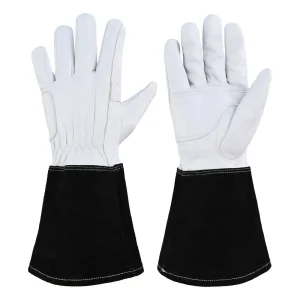
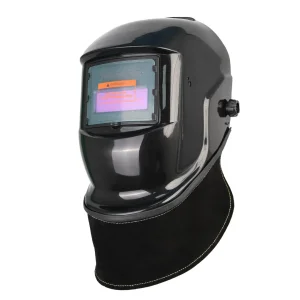
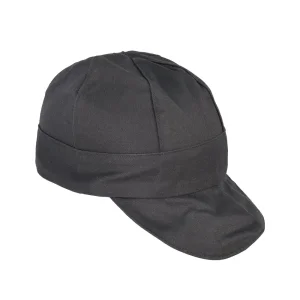
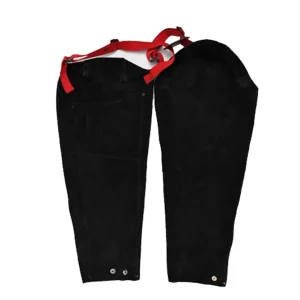
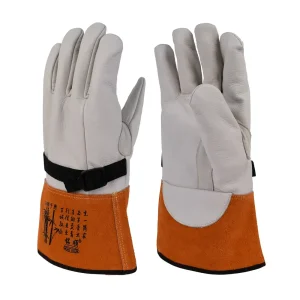
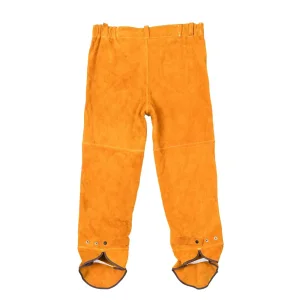
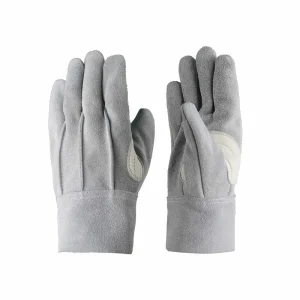
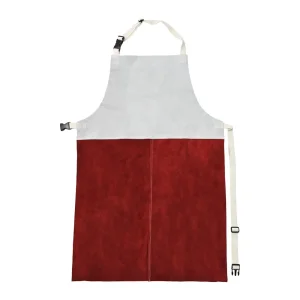
Complement your FR hoodie product line with full-body PPE accessories manufactured under identical rigorous ISO 9001 and CE quality frameworks.