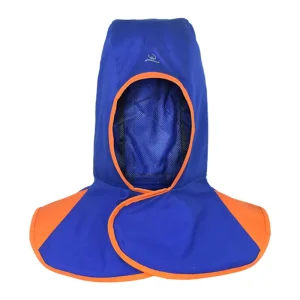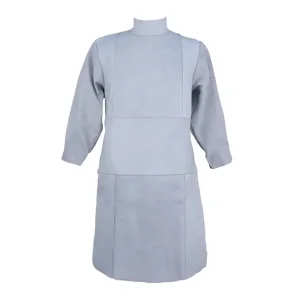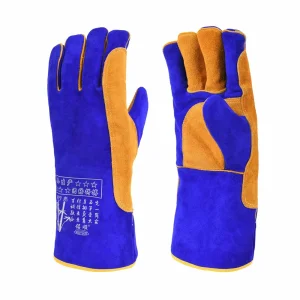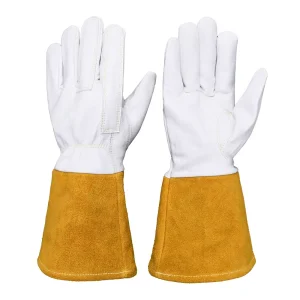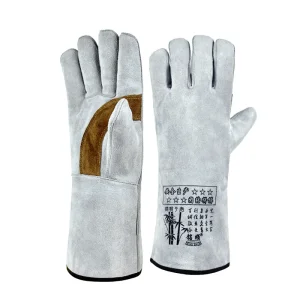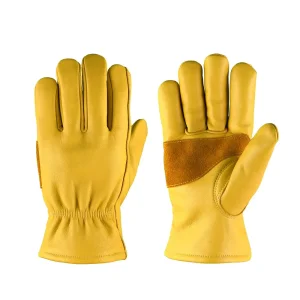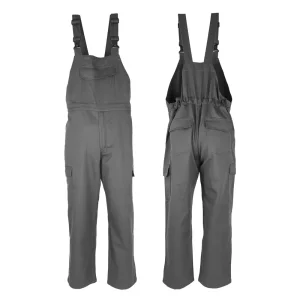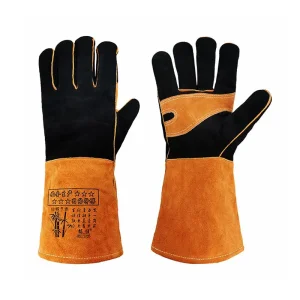
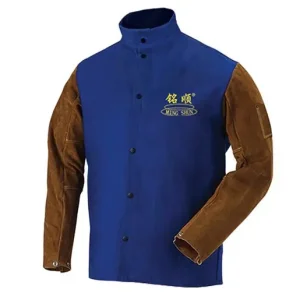
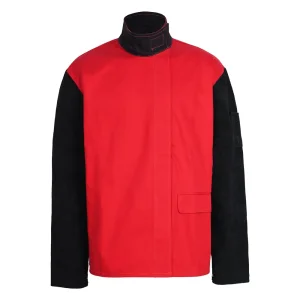
Custom MS-287 Hybrid FR Cotton & Cowhide Welding Jacket, 30" Manufacturer, Factories
Source Product
Precision-manufactured with source-controlled leather, inherent FR blends, and reinforced Kevlar® stitching. Review technical specifications and request OEM unit pricing.
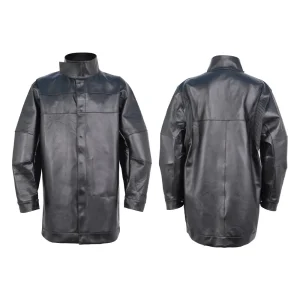
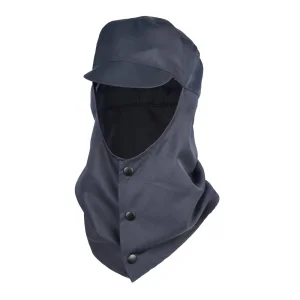
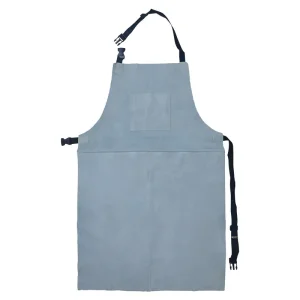
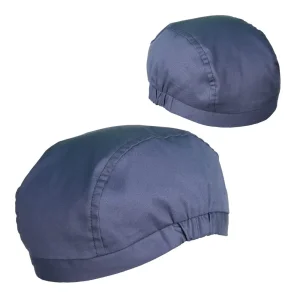
Flame-resistant clothing (FRC) pants have evolved from pure secondary protective PPE into high-performance, daily-wear protective systems driving workplace zero-harm mandates across 140+ countries.
Regulatory frameworks such as OSHA 29 CFR 1910.269, NFPA 2112, NFPA 70E, and EU EN ISO 11612 have made flame-resistant trousers non-negotiable across oil & gas, utility lines, and heavy structural manufacturing. Industrial operations face strict punitive audits for utilizing non-certified bottom-wear.
The worldwide market has decisively shifted from chemically treated topically coated cotton toward inherent aramid blends (Nomex®, Kevlar®) and modified modacrylic/FR-cotton matrixes. Procurement teams are reducing total cost of ownership by eliminating wash-out performance degradation.
Tier-1 safety brands increasingly consolidate vendor portfolios to direct vertical factories possessing internal leather tanning, precision die-cutting, automated sewing, and batch lab verification. Traceable eco-friendly dyeing chemistry and non-toxic flame retardants dominate buyer RFPs.
Technological innovations addressing heat-stress dissipation, mechanical articulation, circular lifecycle recyclability, and multi-risk protection parameters.
Historical FR pants burdened operators with 12–14 oz rigid fabrics. Emerging microscopic air-pocket yarn spinning delivers ATPV ratings over 12 cal/cm² (CAT 2 Protection) at an unprecedented featherweight 6.5 to 7.5 oz/yd², substantially abating worker thermal exhaustion and heat stroke incidence.
Pioneering polymers now leverage closed-loop recycled Lenzing FR® modal fibers blended with sustainably derived plant lignin carbonizers. These configurations offer carbon-neutral footprints without releasing hazardous dioxins, halogens, or toxic fumes under direct flash flame contact.
Modern FR pant designs incorporate diamond crotch gussets, pre-curved articulated knees, expandable stretch side-waistbands, and multi-position knee pad receptacles fabricated from abrasion-resistant hybrid leather panels, permitting unhindered movement on complex construction scaffolding.
Protective trousers engineered to withstand precise regional atmospheric extremes, localized regulatory protocols, and hazardous industrial conditions.
Operations in the Gulf Cooperation Council (GCC) demand maximum moisture wicking paired with ISO 11612 Class 1 thermal ratings. Our pants deploy ultra-breathable 7.0 oz inherent modacrylic/cotton matrixes resistant to caustic hydrocarbon salts and desert abrasion.
Linemen and high-voltage substations in the US and Canada require CAT 2 through CAT 4 compliance. Garments incorporate double-stitched non-conductive dielectric zippers, non-melting melamine buttons, and high-visibility 3M Scotchlite™ FR reflective trims.
Fabrication yards and steel mills subject operators to heavy spatter and radiant molten slag. We engineer hybrid trousers combining 9.0 oz flame-resistant cotton twill with top-grain split cowhide overlays spanning the shins, thighs, and pockets to deflect high-temperature slag without burn-through.
Strategic blueprint guiding material synthesis, automated garment construction, IoT real-time monitoring, and complete lifecycle circularity.
Integration of hydrophobic and oleophobic fluorocarbon-free nano-finishes directly onto individual fibers before weaving, imparting simultaneous barrier resistance against hot hydrocarbon fluids, battery acids, and intense arc wash.
Embedding conductive FR carbon threads into trouser waistbands to record real-time physiological vitals (core body temperature, pulse, dehydration levels) transmitting safety telemetry back to facility DCS dashboards via Bluetooth Low Energy (BLE).
Implementing enzymatic-dissolving basting threads that allow fast, automated sorting of leather reinforcement panels from woven modacrylic bases at end-of-life, achieving zero-landfill compliance and true closed-loop spinning.
How tier-1 EPC contractors, international PPE distributors, and government entities ensure consistent delivery quality and flawless standard certification.
Ming Shun controls the entire value chain in Gaozhou, Guangdong: from direct hide processing and in-house eco-dyeing to automated laser pattern nesting and multi-needle assembly lines. This removes subcontracting variance and prevents unauthorized fabric substitution.
Every commercial production run undergoes vertical flame chamber analysis (ASTM D6413), wash durability testing up to 100 industrial wash cycles, char-length measurement, and tensile tear-burst assessments, supported by model-specific test documentation before dispatch.
Global distributors benefit from comprehensive technical patterning, custom sizing for regional anthropometric variations (Asian, Western, Scandinavian fits), dielectric trim applications, embroidery, and private-label retail packaging ready for rapid market deployment.
Direct technical and commercial answers for purchasing managers, safety directors, and OEM supply chain leaders.
Complete your safety catalog with certified factory-direct protective solutions. Seamless integration across all hot-work apparel categories.