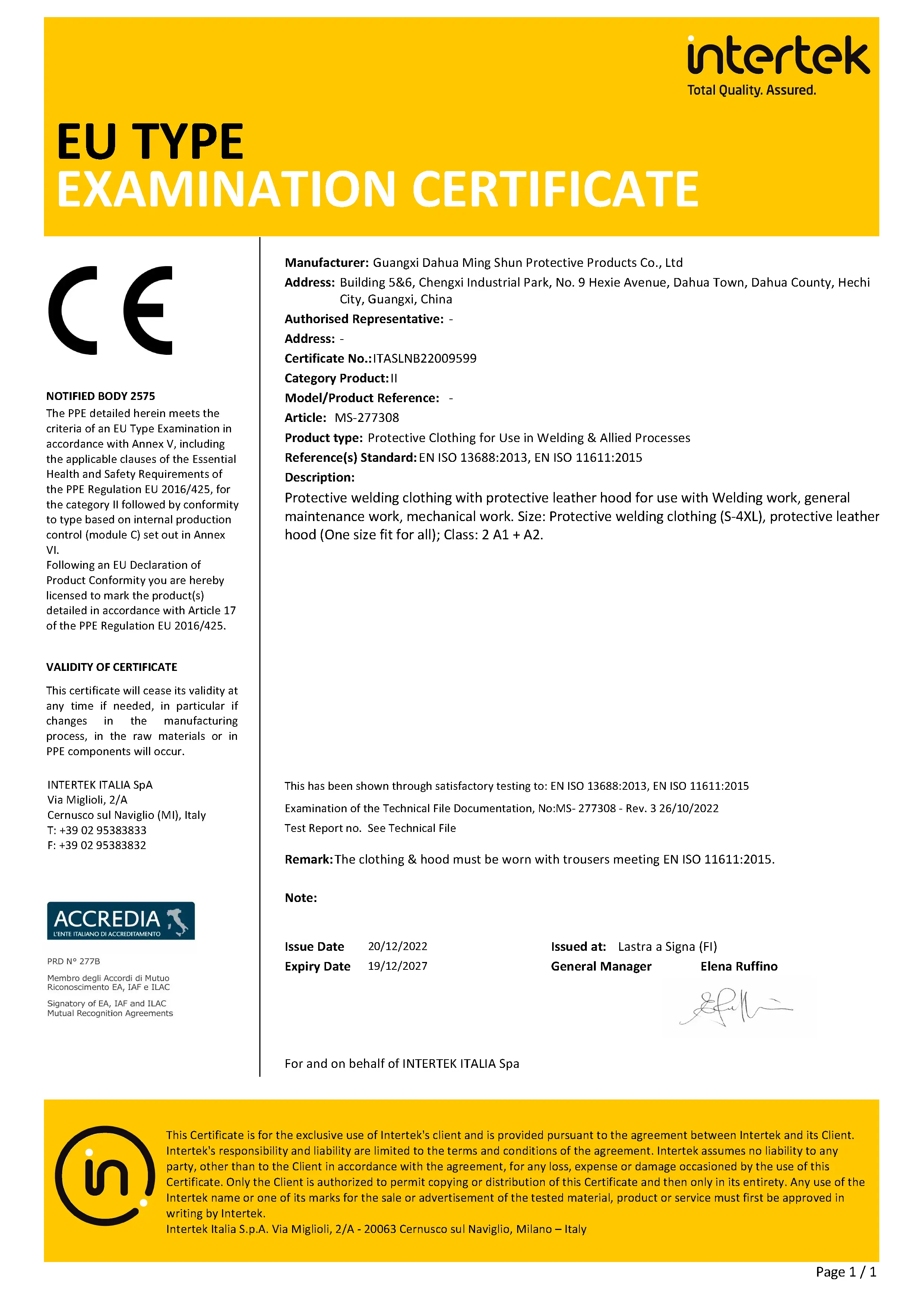
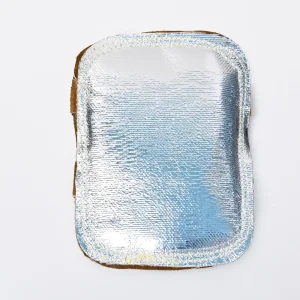
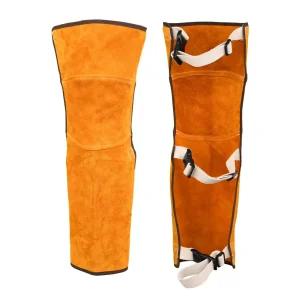
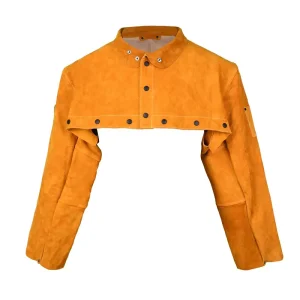
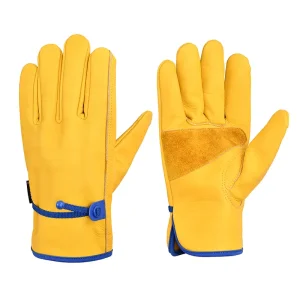
Precision-manufactured across Ming Shun’s 25-year production footprint in Gaozhou, Guangdong. Engineered for maximum spatter deflection, slag containment, and operator ergonomics.
Evaluating structural heat dissipation, hot-work safety regulatory pressures, and supply chain rationalization across offshore, maritime, civil infrastructure, and robotic manufacturing sectors.
The global fireproof and high-temperature protective textile market is experiencing an accelerating CAGR driven by stringent occupational safety regulations (such as OSHA 1910.252 and NFPA 51B). Heavy fabrication facilities, naval shipyards, and green hydrogen infrastructure now treat certified non-combustible fabrics not as consumable drapes, but as mission-critical asset protection barriers designed to withstand repeated molten droplet impacts exceeding 1,200°C.
The transition from basic woven fiberglass to proprietary inorganic composite matrices—such as high-purity silica (>96% SiO2), vermiculite-treated texturized filament, and double-sided flame-retardant silicone elastomer coatings—has solved historic industry pain points. Modern fireproof cloths resist spark burn-through, eliminate toxic smoke off-gassing, avoid microscopic airborne fiber fraying, and maintain flexibility in sub-zero maintenance conditions.
Guangdong Ming Shun Labour Protective Products Co., Ltd. bridges the gap between raw inorganic material synthesis and converted, job-site ready protective products. By operating dedicated textile weaving lines, chemical coating baths, automated laser perimeter cutting, and industrial Kevlar thread hemming with reinforced brass grommets, Ming Shun delivers reliable container-scale wholesale programs with full batch test traceability.
Selecting the appropriate fireproof cloth requires balancing continuous ambient operating temperatures against instantaneous molten slag exposure, mechanical abrasion, and environmental resistance.
| Fabric Classification | Base Composition | Continuous Working Temp | Instantaneous Spark Peak | Standard Weight / Density | ANSI/FM 4950 Rating | Primary Industrial Use-Case |
|---|---|---|---|---|---|---|
| Silicone-Coated E-Glass | Woven Filament + Dual Liquid Silicone | 260°C (500°F) | 550°C (1,022°F) | 560 – 1,050 g/m² | Welding Curtain / Splatter Screen | Vertical spark containment, automotive paint shop booths, weatherized outdoor drapes. |
| Vermiculite-Treated E-Glass | Texturized E-Glass + Exfoliated Mineral | 750°C (1,382°F) | 1,000°C (1,832°F) | 750 – 1,100 g/m² | Welding Blanket (Medium Duty) | Structural beam protection, pipe spool fabrication, heavy MIG/MAG hot work shields. |
| High-Silica Amorphous Cloth | >96% Pure Amorphous Silica (SiO2) | 1,000°C (1,832°F) | 1,650°C (3,002°F) | 600 – 1,250 g/m² | Welding Pad (Severe Heavy Slag) | Horizontal cutting drop zones, plasma/oxy-acetylene gouging, turbine casing stress relief. |
| Pre-Oxidized Carbon Felt (PAN) | Carbonized Polyacrylonitrile Fibers | 800°C (1,472°F) | 1,400°C (2,552°F) | 350 – 650 g/m² | Welding Blanket / Thermal Pad | Automotive plumbing, delicate electronic cabling wrap, zero-scratch scratch-sensitive hulls. |
| PU-Coated Fiberglass (Acrylic) | Continuous Filament + Polyurethane | 550°C (1,022°F) | 650°C (1,200°F) | 430 – 850 g/m² | Light Curtain / Grinding Screen | Grinding spark containment, localized maintenance workwear drapes, duct expansion joints. |
From restricted marine vessel refits to automated EV battery assembly cells, high-performance fireproof textiles provide customizable thermal encapsulation.
Confined-space hot work inside double hulls and engine rooms requires high-silica and silicone-clad blankets meeting IMO SOLAS and DNV requirements. The cloth shields critical electrical wire bundles, fuel transfer lines, and bulkheads from torch cutting slag and flux-cored arc splatter.
Platform turnarounds require fire-safe containment habitats. Ming Shun’s heavy silicone-coated fabrics form positive-pressure welding enclosures preventing hot sparks from contacting hydrocarbon gases, meeting strict API Recommended Practice 2201 standards for live facility welding.
Automated welding cells and lithium pack casing installations necessitate particulate-free, zero-silicone-offgassing fire barriers. Specialized vermiculite and oxidized PAN cloths prevent microscopic conductive fiber shedding from short-circuiting sensitive automated assembly machinery.
Multi-story commercial skyscraper erections deploy suspended fireproof catch basins beneath ironworkers. High-tensile continuous filament cloth stops falling weld spatter from raining hundreds of feet down onto public roadways, adjacent structures, and hydraulic lifting lines.
Implementing verifiable compliance frameworks that lower Total Cost of Ownership (TCO) and satisfy international underwriting audits.
FM 4950 approval designates fireproof cloths into three explicit categories: Welding Curtains (light duty vertical spark control), Welding Blankets (moderate horizontal spark/slag retention), and Welding Pads (severe horizontal molten metal drop resistance). Sourcing uncertified cloths exposes contractors to catastrophic liability under NFPA 51B hot-work audit protocols.
Low-cost imported fiberglass cloths often suffer rapid binder burn-out, turning brittle and tearing after fewer than three production shifts. Ming Shun’s proprietary double-twill texturizing and cross-linked silicone formulas deliver up to 8x higher reusability cycles, dropping per-project procurement expenditure while eliminating secondary asset replacement claims.
Under OSHA 1910.252(a)(2)(vii), if hot-work operations take place within 35 feet (10.7 meters) of combustible materials, physical barriers must isolate the hazard. Our wholesale prefabricated welding modular screens feature pre-spaced heavy brass grommets that allow rapid modular daisy-chaining on standard scaffold tubing.
How advanced materials science, environmental non-PFAS mandates, and digital fabrication are shaping the next decade of hot-work containment.
Phasing out fluorinated processing chemicals in compliance with upcoming EU REACH annexes and US EPA TSCA regulations, replacing them with water-based nano-silica dispersion technologies.
Integrating micro-porous aerogel cores between high-purity silica skin textiles to reduce heat conduction thickness by 60% while sustaining zero skin burns upon direct contact.
Weaving heat-sensitive reversible color-shifting tracer threads directly into the warp yarns to provide visual warning flags when thermal fabric reaches its safe structural reuse limits.
Embedding flexible heat-shielded UHF RFID transponders into blanket hems for shipyard digital maintenance tracking, logging operating hours, wash cycles, and inspection statuses.
Operating 25+ years in Pukang Industrial Park, Gaozhou, Guangdong, our 1,000+ member team ensures complete vertical control over every bolt of technical fireproof cloth.
Strict batch verification of roving tensile properties, alkali content (E-grade standard <0.8%), and filament diameter sizing to guarantee uniform heat sink absorption.
High-speed rapier and air-jet looms produce plain, twill, and satin weaves up to 3.2 meters wide with air-texturized yarns that maximize insulating loft.
Multi-axis CNC laser cutting tables shape raw master rolls into tailored blankets, machine covers, and custom weld draping with precision-sealed edges that eliminate raveling.
Direct answers to technical, regulatory, and supply chain queries encountered by international distributors, safety managers, and procurement leads.
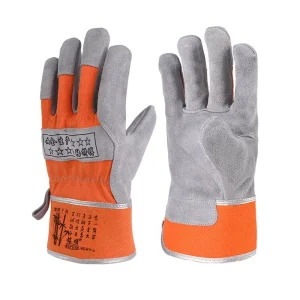
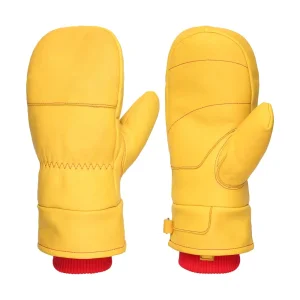
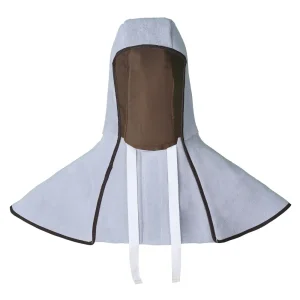
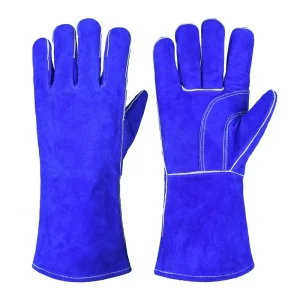
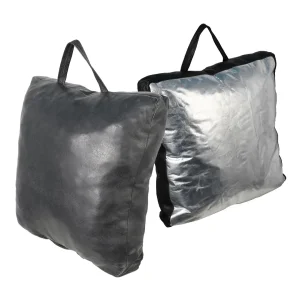
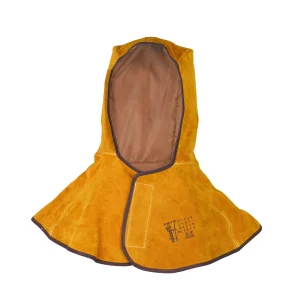
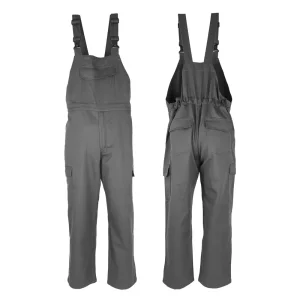
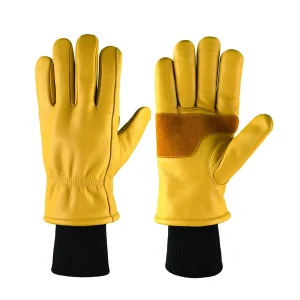
Expand your wholesale product portfolio with our comprehensive line of flame-resistant workwear, cowhide leather protective sleeves, and heavy-duty industrial apparel.