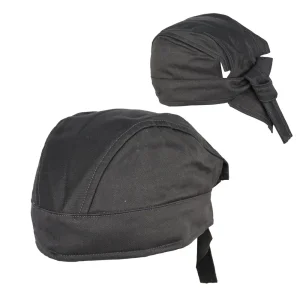
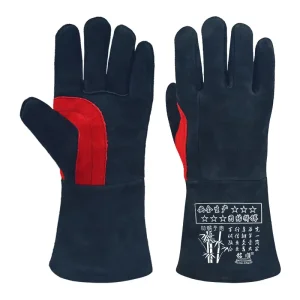
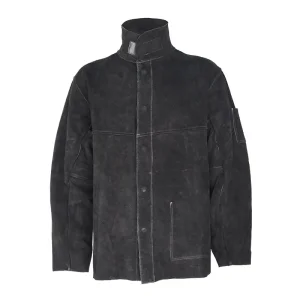
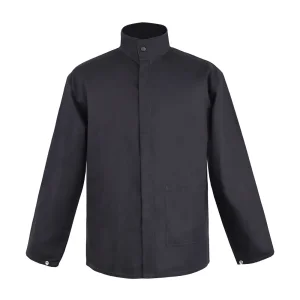
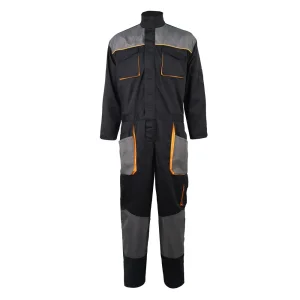
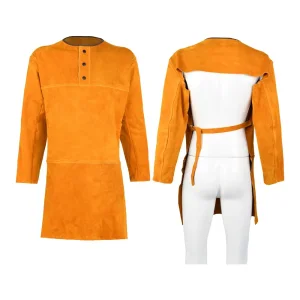
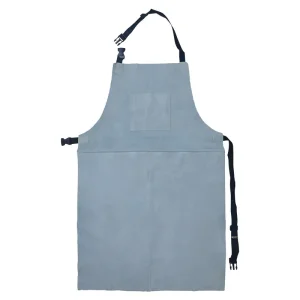
Direct manufacturer deployment of heavy-duty overalls, split cowhide welding aprons, thermal winter gauntlets, and high-temperature protective accessories tested to global compliance benchmarks.
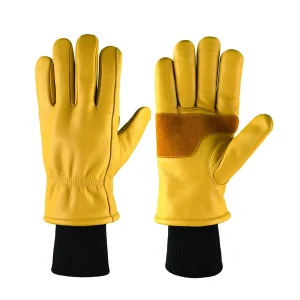
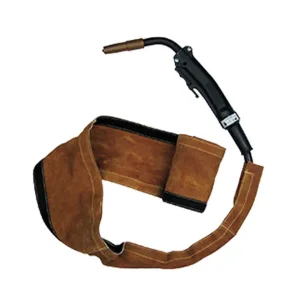
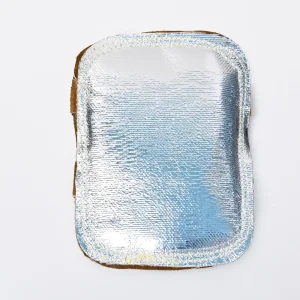
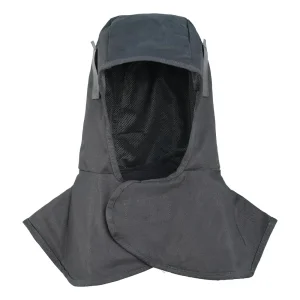
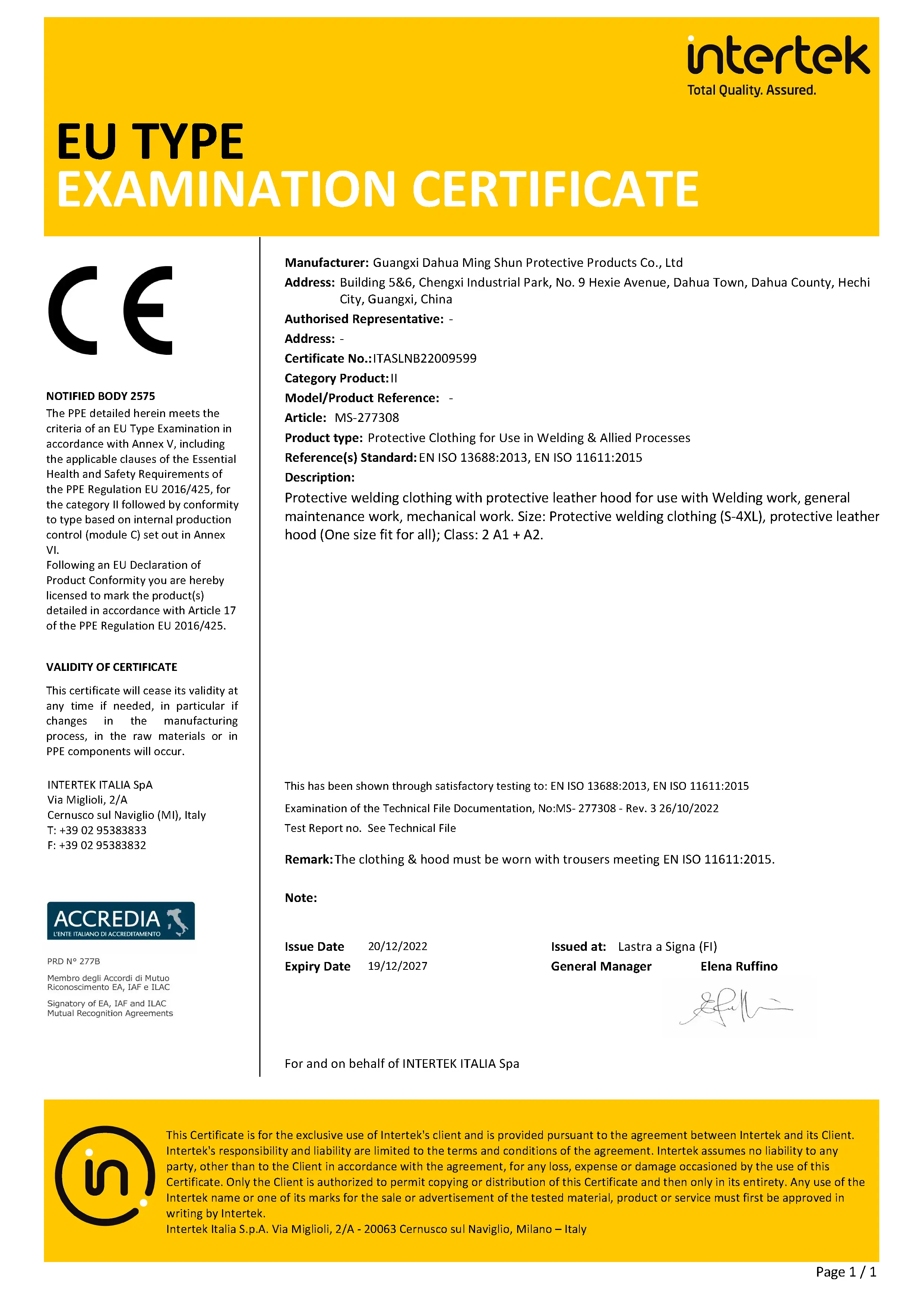
The global protective clothing market has surpassed USD 18.5 billion, propelled by stringent worker safety protocols (OSHA 1910, EU PPE Regulation 2016/425, ISO 11611) and heavy infrastructure expansions.
Modern industrial EPCs no longer settle for single-attribute clothing. Primary contracts mandate simultaneous compliance with EN ISO 11611 (Welding), EN ISO 11612 (Flame & Heat), and IEC 61482-2 (Arc Flash). This convergence demands sophisticated yarn spinning and hybrid leather-textile engineering.
While Western safety distributors seek geographic risk mitigation, raw material constraints and artisanal split leather tanning bottlenecks make full reshoring cost-prohibitive. Global brands utilize Tier-1 Chinese OEM manufacturing for scale while decentralizing regional distribution hubs.
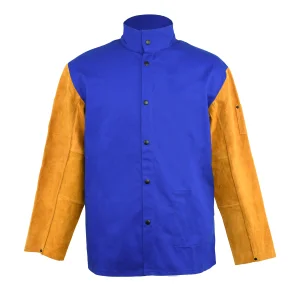
Historic heavy leather garments faced severe compliance drop-offs due to operator fatigue and thermal exhaustion. Contemporary PPE contracts prioritize 3D-articulated sleeves, underarm gusseting, and hybrid designs fusing 9 oz flame-resistant cotton bodies with cowhide abrasion shields.
Gaozhou, Guangdong represents the epicentre of the world's heavy-duty industrial leather manufacturing. Guangdong Ming Shun Labour Protective Products Co., Ltd. leverages this ecosystem to deliver unprecedented consistency, lead-time control, and scale.
Conventional trading companies and assembly-only factories purchase finished leather sheets from open markets, resulting in variable split thicknesses (1.1mm vs 1.4mm), uneven chrome retention, and catastrophic color drifting across batches. Ming Shun controls leather processing, specialized drumming, split sorting, dyeing, and automated nesting internally in Pukang Industrial Park. This guarantees stable tensile elongation and zero chromium VI leaching.
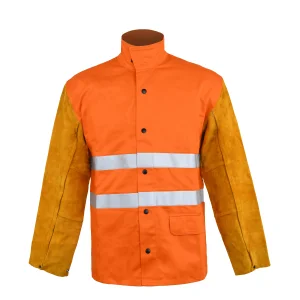
Within a 30-kilometer radius in Gaozhou, 90% of auxiliary inputs are manufactured: Kevlar fire-retardant threads, non-conductive snaps, hook-and-loop fasteners, and high-visibility prism reflective ribbons. This hyper-localized ecosystem eliminates transit delays and protects bulk delivery milestones.
Advanced hydraulic clicking presses and computerized laser projection cutting tables optimize hide yield while maintaining identical grain orientation. This automated nesting cuts raw material waste by 14.8%, delivering significant cost savings directly to OEM contract buyers.
Defects are captured in real-time rather than during final packing. Every production line integrates eight inspection gates: wet-blue grading, dye penetration analysis, tensile rip testing, stitching tension checks, hardware shear tests, dimensional fit calibration, finish ironing, and metal detection.
Selecting the optimal balance of split cowhide, top-grain goatskin, aluminized layers, and chemically treated FR cotton for heavy industrial work environments.
| Substrate Material | Thickness / Weight | Thermal & Spatter Resistance | Mechanical Durability | Primary Industrial Use-Case |
|---|---|---|---|---|
| Heavy Split Cowhide (A/B Grade) | 1.2 mm – 1.4 mm | Extreme: Resists molten slag > 1400°C for up to 60s. EN ISO 11611 Class 2. | Exceptional puncture and abrasion resistance (EN 388 Level 4). | Heavy MMA/MIG fabrication, structural steel erecting, foundries, torch gouging. |
| Premium Goatskin Leather | 0.8 mm – 1.0 mm | Moderate: Radiant heat deflection with natural lanolin flexibility. | High tensile-to-weight ratio; superior tear resistance despite thin gauge. | TIG welding gloves, aerospace pipe assembly, precision micro-plasma welding. |
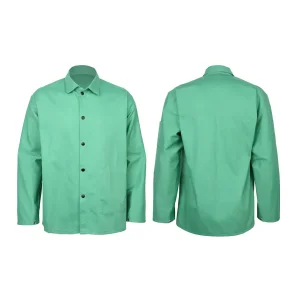
| Proban® Treated FR Cotton | 305 g/m² (9 oz) – 350 g/m² | High: Self-extinguishing; LOI > 29%. Zero flaming drip, anti-scorch. | Moderate abrasion resistance; excellent breathability for hot climates. | Welding jackets bodies, industrial coveralls, refinery shutdown teams. |
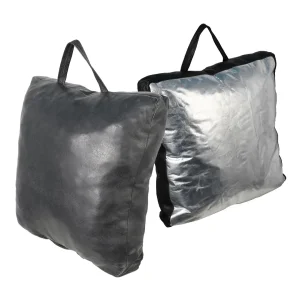
| Aluminized Glass/Leather Hybrid | 1.5 mm composite | Ultra-High Radiant: Reflects up to 95% of radiant heat up to 1000°C. | Rigid shell; requires internal split cowhide reinforcement for flex zones. | Blast furnace tapping, glass manufacturing, kiln maintenance, back-hand pads. |
| Dupont™ Kevlar® Stitching Yarn | Tex 60 – Tex 100 3-Ply | Decomposes at 427°C (800°F); zero melting point; non-combustible. | 5x stronger than steel on an equal-weight basis; immune to molten sparks. | Universal seam assembly across all Class 1 & 2 welding PPE garments. |
From deep-sea shipyard slipways to high-amperage robotic automotive cells, Ming Shun workwear protects operators where off-the-shelf garments fail.
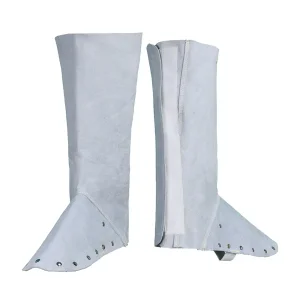
Confined-space double-bottom hull construction generates heavy concentrated heat and slag reflections. We supply extended-back jackets (MS-390B) and high-top calf gaiters (MS-W360) that seal boot tongues against falling dross inside humid ballast tanks.
Flash fires and electrostatic discharge (ESD) pose existential risks in volatile hydrocarbon atmospheres. Our 9 oz AR/FR cotton coveralls (MS-1215G) incorporate conductive antistatic grids and flame-resistant aramid trims for full ATEX zone compliance.
Automation technicians adjust spot-welding fixtures while dodging sharp sheet metal edges. Ming Shun's hybrid jackets (MS-1260) combine breathable FR cotton chests with split cowhide sleeve bolsters for superior flexibility and puncture safety.
Purchasing Directors and Safety Managers require transparent auditing rubrics. Use this standard operational checklist to evaluate offshore workwear and PPE factories.
Verify that the factory assigns unique lot numbers to every batch of split leather and dye recipe. Raw hide lots must be traceable back to origin tanneries to satisfy REACH chemical restrictions (specifically Hexavalent Chromium Cr VI < 3 mg/kg).
A safety jacket is only as strong as its weakest seam. Insist on ISO 13935-2 test reports certifying that major load-bearing seams (armscyes, crotches, side seams) achieve a breaking force ≥ 400N sewn with Kevlar® or spun meta-aramid threads.
Ensure product CE type-examination certificates originate from recognized European Notified Bodies (e.g., SATRA, Centexbel, CTC, TÜV Rheinland). Ming Shun maintains valid Module B + Module C2/D surveillance protocols across all core models.
Industrial health and safety standards are evolving rapidly. Discover how Ming Shun is integrating next-generation material science into high-volume OEM programs.
Global environmental mandates are driving the transition from basic chromium salts toward wet-white and bio-based vegetable drumming syntans. This reduces water contamination during tanning while retaining high heat deflection up to 180°C.
High-end rental workwear service providers require flame-retardant chemistry that withstands 50 to 100 commercial high-temperature laundering cycles (ISO 15797) without degrading flame resistance or color fastness.
High-temperature wash-resistant RFID chips are now embedded into hem linings, enabling automated inventory tracking and garment lifecycle monitoring across massive enterprise turnaround operations.
Detailed engineering and logistical answers for safety procurement teams, distributors, and private-label brand managers.
Precision-stitched flame-resistant doo-rags, reinforced thumb welding gloves, full cowhide jackets, aluminized heat cushions, and high-visibility hybrid protective apparel.