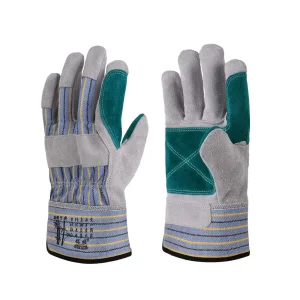
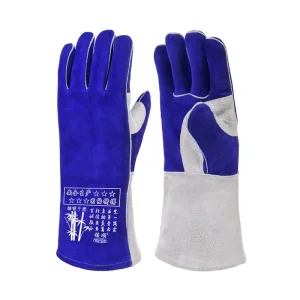
Explore high-temperature workshop apparel, precision split-leather interfaces, and flame-retardant safety solutions engineered to ISO 11611 and ANSI/ISEA standards.
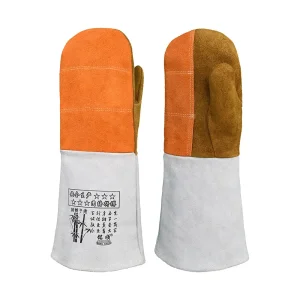
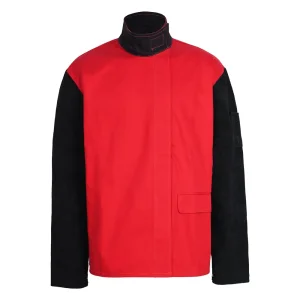
Analyzing convective heat, radiant flux dissipation, and molten metal deflection through intelligent dual-layer composites and ballistic stitching matrices.
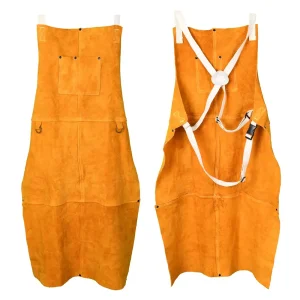
Our OEM welding aprons utilize select Grade-A bovine split leather ranging between 1.2mm and 1.6mm thickness. Fibers are cross-densified via chromium vegetable re-tanning to prevent embrittlement during sustained exposure to molten droplets up to 1400°C.
All structural joints and pocket intersections are secured with high-tensile 3-ply para-aramid threading. Seams are backed by welted leather trims and stress points receive cold-stamped brass rivets to neutralize mechanical shear during high-amperage robotic and manual welding.
Modern fabrication shifts focus toward cumulative thoracic wellness. Our cross-back harness distributions transfer load from the cervical spine directly to the core trapezius, minimizing fatigue over continuous 10-hour cycles while providing rapid-release side polymer buckles.
Addressing supply vulnerabilities, shifting tariff policies, and technical durability across the European Union, North American, and Asia-Pacific industrial corridors.
Global demand for EN ISO 11611 Class 2 certified apparel has accelerated by 6.8% CAGR, fueled by heavy infrastructure construction and naval fleet renewal projects across Europe and North America.
While FR cotton offers breathability, heavy GMAW and FCAW arc regimes project heavy slag that pierces lightweight synthetics. Grade-A bovine leather maintains impervious resistance against thermal burn-through.
Tier-1 procurement organizations are systematically stripping intermediate brokers out of PPE contracts. Direct plant integration delivers transparent raw hide grading, tighter QC, and reduces per-unit landed costs by up to 22%.
With fully owned tanneries, cutting facilities, and stitching lines in Gaozhou, Ming Shun locks in 45-day consistent lead times, decoupling buyers from the volatility of external contract processors.
Ensuring your private-label PPE satisfies every statutory audit, from European CE marking to US OSHA safety rules and Canadian CGSB requirements.
Our protective aprons meet Class 1 and Class 2 protective operational thresholds against radiant heat, small splashes of molten metal, and limited flame spread, fully documented with complete Notified Body type-examination certificates.
For our North American clientele, protective configurations are validated for high cut-resistance indices and calibrated thermal contact thresholds, ensuring effortless OSHA job-site regulatory approvals.
Tanned cowhide leathers are chemically assayed to guarantee zero restricted aromatic amines, non-detectable chromium VI concentrations, and strict conformity to European Union REACH Annex XVII thresholds.
From dockside shipyard fitting to automotive automated manufacturing, custom apron geometries protect high-risk torso and femoral zones.
Naval structural welders work in constricted vertical double-bottom hulls. Extended 42-inch split cowhide split-leg aprons with quick-release leg wraps prevent sparks from pooling inside worker coveralls while climbing ship framing.
High-volume robotic cell supervisors require lighter, flexible 1.1mm grain leather aprons with integrated non-conductive Kevlar pockets for digital welding parameter remotes and ultrasonic non-destructive testing (NDT) probes.
Erecting structural bridge spans in windy outdoor conditions exposes fabricators to high-deflection flux-core arc welding (FCAW) spatter. Ming Shun customizes aprons with weatherized silicone coatings over cowhide.
Downhill pipe welding necessitates aprons engineered to withstand prolonged kneeling, friction against coarse steel pipe bell-ends, and radiant exposures reaching 300°C without curling or seam breakdown.
Aerospace clean-room welding demands particulate-free, zero-wax leathers. Ming Shun provides specialized degreased cowhide aprons engineered with zero synthetic lint, eliminating contamination in titanium and Inconel vacuum chambers.
Bridging traditional tannery craftsmanship with forward-looking composite materials science to define the next generation of industrial protective bodywear.
Integrating silica aerogel sub-layers beneath high-friction breastplates, reducing apron total weight by 28% while doubling thermal contact break-through thresholds.
Phasing in aldehyde-free and heavy-metal-free vegetable tanning processes across 85% of our raw hide intake, supporting green brand initiatives.
Embedding modular, non-conductive pockets ready for IoT personal safety monitors measuring localized heart rate, core temperature, and hazardous ambient gas concentrations.
Expanding automated CNC nesting and laser-cutting suites to lower custom OEM tech pack turnaround times down to 72 hours from CAD confirmation.
Direct, verified answers addressing commercial terms, minimum order quantities, compliance verification, and custom engineering parameters.
Our standard production MOQ for custom OEM welding aprons is typically 500 to 1,000 units depending on the complexity of hardware, pocket layout, and custom leather tanning shades. For established brand catalogs undergoing initial trial production runs, we provide flexible low-volume sampling batches to validate technical performance.
Yes. We operate fully computerized CAD pattern-drafting departments. Apron dimensions can be specified from standard 24" x 36" sizes up to full-coverage 28" x 48" configurations. Harness systems can be engineered in classic neck-strap loops, cross-back suspender straps, quick-detach nylon webbing with heavy-duty acetal buckles, or leather lace bindings.
Because Ming Shun processes leather raw materials in-house, we utilize high-fixation water-based reactive dyes and double-drum vacuum drying cycles. Our tanning formulas omit volatile petrochemical masking agents, yielding a fresh leather scent and dry crocking resistance scores above Grade 4 under ISO 105-X12 testing.
We provide hot-iron debossing directly into leather, high-definition embroidery, laser-engraved leather patches, silk-screened flame-resistant warnings, woven brand tags, barcoded hangtags, and retail-ready polybags or corrugated master packaging designed to your corporate specifications.
Physical OEM prototypes from an approved tech pack typically take 7 to 10 working days. Following prototype sign-off and receipt of the deposit, bulk container manufacturing is finalized within 40 to 45 calendar days, supported by our 1,000+ member production team.
Yes. We regularly coordinate pre-shipment inspections with third-party testing agencies like SGS, TÜV Rheinland, Intertek, and BV. We can also provide in-house physical lab reports confirming leather tensile strength, tear load, pH values, and seam integrity for every batch.
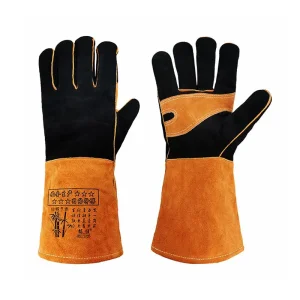
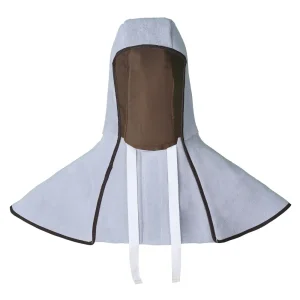
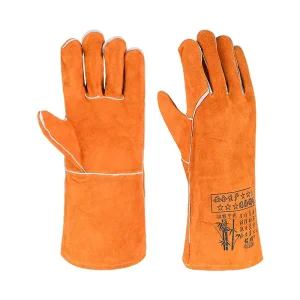
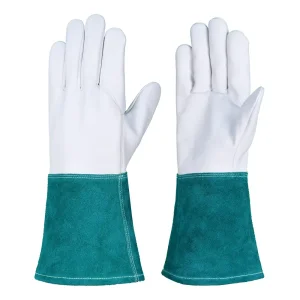
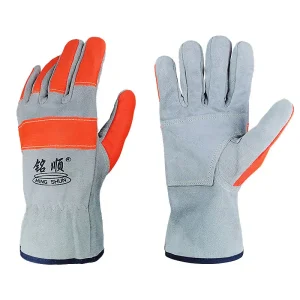
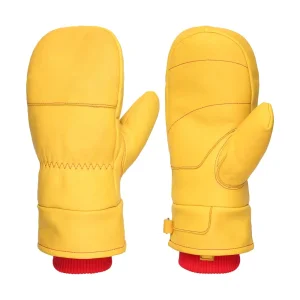
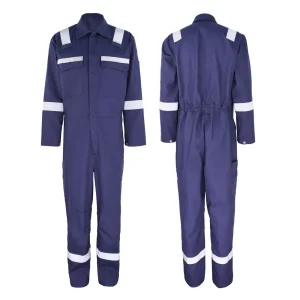
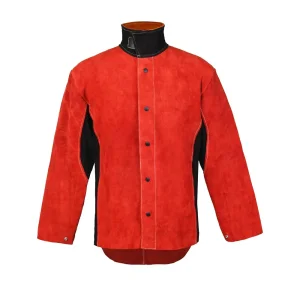
Complete your catalog with matching flame-retardant coveralls, full-grain cowhide jackets, protective hoods, and high-temp stick gloves.