High-specification protective gear engineered for thermal resistance, molten spatter deflection, and multi-shift ergonomic reliability across automated, semi-automatic, and manual fabrication lines.
An executive analysis on regulatory convergence, materials engineering, supply chain realignment, and procurement strategies shaping welding safety apparel worldwide.
The global welding personal protective equipment (PPE) and flame-resistant (FR) protective apparel industry operates at the critical intersection of occupational health directives, advanced metallurgy, and modern manufacturing operations. Driven by stringent global statutory enforcement—including the European Union's Regulation (EU) 2016/425, the United States OSHA 1910.252 mandates, and Asian Pacific industrial safety revisions—the welding safety ecosystem has permanently transitioned away from uncalibrated split leathers and basic low-weight treated fabrics. Today, Tier-1 multinational infrastructure contractors, shipyards, and heavy automotive manufacturing plants demand multi-risk compliance capable of simultaneously resolving thermal contact, radiant ignition, molten droop, mechanical puncture, and arc-flash exposure.
In modern industrial fabrication, welding is rarely an isolated thermal process. It takes place in high-throughput environments alongside plasma arc cutting, CNC gouging, robotic cell loading, and abrasive surface grinding. As a result, the commercial requirement for protective garments has evolved into a demand for systemic protective architectures. Procurement teams and safety directors no longer evaluate welding jackets, leather spats, or TIG gauntlets as disposable commodities. Instead, they treat them as critical enterprise assets that directly influence operational uptime, lost-time incident (LTI) rates, insurance underwriting liabilities, and worker retention in specialized trades.
Global industrial supply contracts increasingly necessitate dual certifications: fulfilling European EN ISO 11611 (Class 1 and Class 2 manual welding protection) in tandem with North American ASTM F1506, NFPA 2112 for flash-fire resistance, and NFPA 70E for electrical arc risks. Manufacturers must implement strict ISO 9001 and ISO/IEC 17025 accredited laboratory test routines on every production batch to verify zero flame propagation, thread tensile continuity, and dimensional stability post-laundering.
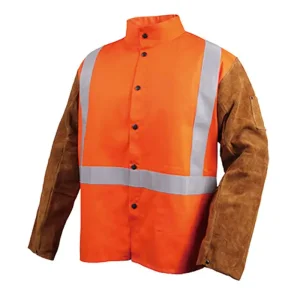
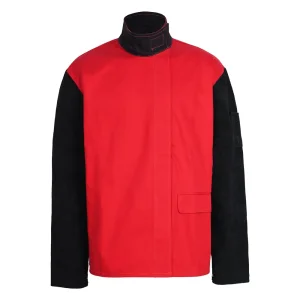
The historical trade-off between thermal defense and ergonomic mobility has been dismantled by hybrid material engineering. By integrating strategically tanned split cowhide panels across maximum-exposure impact zones (arms, shoulders, chest) with lightweight 7 oz to 9 oz chemically modified or inherently flame-retardant cotton twill across non-impact zones, hybrid garments achieve optimal balance. Workers experience significantly reduced heat-stress fatigue while maintaining full splatter defense.
Global distributor groups are consolidating their vendor rosters, favoring integrated original equipment manufacturers (OEM) capable of managing the full value chain from raw hide chrome-free tanning and chemical dyeing to automated pattern grading and retail-ready packaging. Vertical manufacturing integration drastically reduces lead times, mitigates REACH and RoHS chemical contamination risks, and guarantees ethical labor traceability.
How next-generation fibrous polymers, localized tanning additives, and ergonomic kinetic modeling are defining the next decade of personal protective clothing.
Implementing state-of-the-art tannery neutralization techniques to ensure zero Chromium VI oxidation even when exposed to high-amperage infrared and ultraviolet weld arc emissions over continuous shifts.
Replacing traditional cotton-covered synthetic threads with 100% genuine DuPont Kevlar® or engineered para-aramid 3-ply to 5-ply threads that will not carbonize, melt, or snap under 450°C spatter showers.
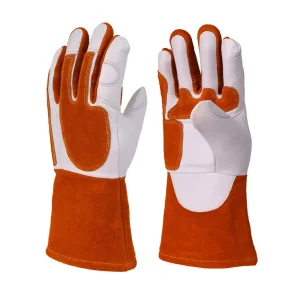
Fusing high-grade split leathers with aluminized backing laminations (as seen on MS-106T back hand pads) capable of reflecting up to 95% of intense radiant infrared energy in high-amperage submerged arc setups.
Digitally mapped grading that mirrors the natural hand posture and shoulder articulation of industrial welders, drastically lowering grip fatigue and eliminating forearm pinch points during overhead pipe welds.
Tailored protective clothing configurations mapped directly to the metallurgical heat profiles, molten droplet densities, and mechanical shear forces of specific industrial sectors.
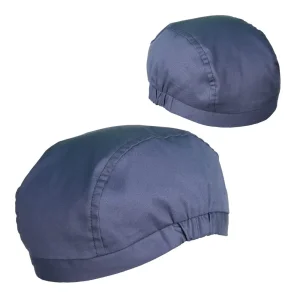
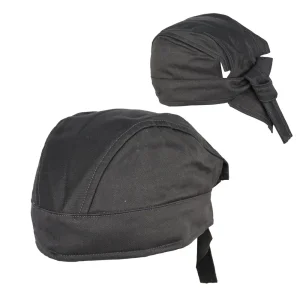
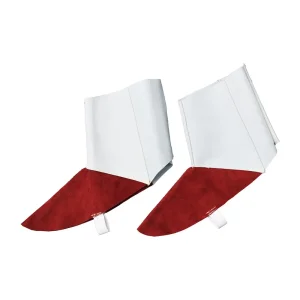
Confined double-bottom hulls, high ambient salinity, and multi-position stick (SMAW) or flux-cored arc welding (FCAW) create severe hazards. The recommended equipment protocol involves full-grain heavy split cowhide jackets (such as the 30-inch MS-393) coupled with leather spats (MS-369D or MS-113) to stop slag burn-through on boot laces, combined with FR head doo rags (MS-120) under hard hats to absorb perspiration and resist hot overhead sparks.
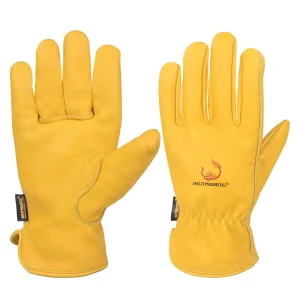
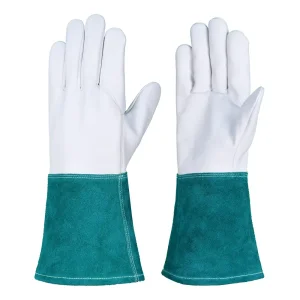
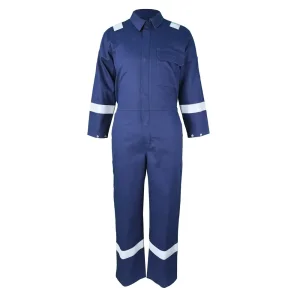
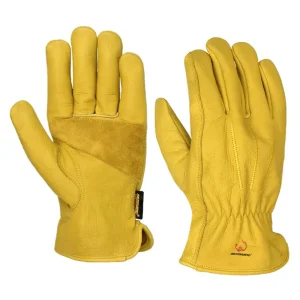
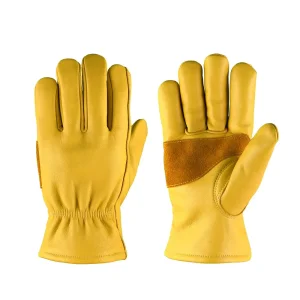
Welding cross-country oil pipelines or refinery distillation towers involves continuous orbital MIG/TIG processes, open-air wind variables, and combustible volatile organic vapor risks. Here, safety engineers deploy dual-hazard 7 oz or 9 oz AR/FR cotton coveralls (MS-315 and MS-1215G) featuring 360-degree high-visibility tape. Welder hands require supple top-grain goatskin gloves (MS-829 / MS-862) to provide micro-tactility on the filler wire without sacrificing flame protection.
Automated spot and resistance welding in high-speed automotive plants generates fine, high-velocity spatter and continuous mechanical sharp-edge risks during sheet handling. Operators benefit from hybrid FR cotton bodies with split leather sleeve integrations (MS-1260 and MS-281B), providing exceptional upper-arm shielding alongside torso ventilation. Water-resistant palm-reinforced gloves (MS-937) ensure dependable grip around stamping oils.
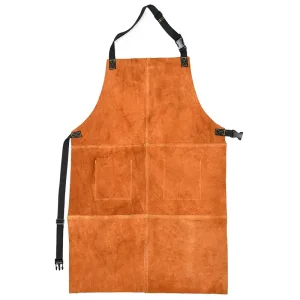
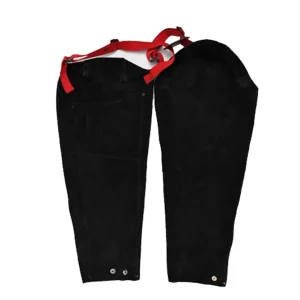
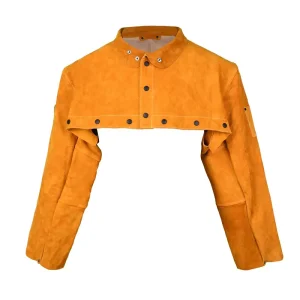
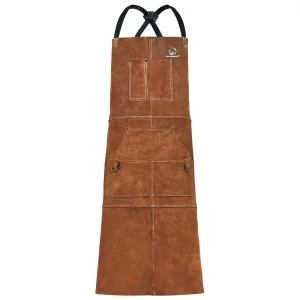
Erecting high-rise columns, truss joints, and bridges demands overhead and vertical-up welding under harsh weather. Workers require heavy-duty split leather cape sleeves (MS-210P) paired with detachable bibs or reinforced aprons (MS-480). This modular approach provides total chest and collarbone burn protection while allowing open-back ventilation during intense physical climbing and positioning.
Eliminating systemic supply friction through direct-from-source engineering, certified material consistency, and scalable private-label OEM manufacturing.
Transform standard PPE into proprietary corporate lines. We offer precision logo embroidery, screen printing, custom heat-stamped leather emblems, customized woven care and compliance labels, branded hangtags, and retail-ready barcode packaging engineered to your regional distributor specifications.
By handling tanning, chemical dyeing, cutting, and stitching directly under our own roofs, we eliminate third-party leather quality drift. Your tenth repeat container will feature identical leather density, split thickness (1.1mm - 1.4mm), tensile yield, and uniform dye consistency as your initial approved golden sample.
We provide full technical dossier support for international regulatory submissions. From standard test certificates for EN ISO 11611 / EN 12477 to declarations of conformity and material safety data sheets (MSDS), our engineering desk ensures your shipments clear customs checkpoints without delay.
Authoritative insights addressing leather grading, standard compliance, minimum order quantities, and durability benchmarks for PPE purchasing managers.
EN ISO 11611 establishes two distinct tiers based on the thermal and mechanical intensity of the welding operations. Class 1 certifies protection against lower-risk techniques and light spatter (e.g., TIG, micro-plasma, gas welding, bench MIG), requiring the fabric to withstand at least 15 drops of molten metal before raising internal temperature by 40K. Class 2 certifies protection for high-risk, heavy spatter processes (e.g., MMAW/SMAW with basic electrodes, MAG with CO2, flux-cored welding, air-arc gouging, oxy-cutting), requiring endurance of at least 25 drops of molten metal. Ming Shun jackets and split cowhide clothing can be engineered and labeled for both classes depending on hide selection and lining configurations.
Split cowhide possesses a dense, interlocking collagen fiber matrix that delivers unmatched structural thermal insulation, high cut and tear resistance, and exceptional resistance to hot slag puncture. Pigskin, while more breathable and flexible in oily conditions due to follicle porosity, exhibits lower tensile shear strength under concentrated molten metal impact. Goatskin offers high natural lanolin content and supreme tactile flexibility, making it ideal for precision TIG welder hand gloves (such as our MS-862 and MS-W874G), but lacks the physical thickness required for torso and lower-body spatter shielding.
Our 7 oz and 9 oz FR cotton garments utilize advanced polymer finishes cross-linked at the molecular level within the hollow cellulose fibers of long-staple cotton. When exposed to heat or flame, the chemical system catalyzes a rapid dehydration reaction, forming an insulating carbonaceous char rather than supporting combustion or melting. Under standard industrial washing protocols (avoiding chlorine bleaches and fabric softeners), our treated cotton workwear comfortably retains flame-resistant performance exceeding ASTM F1506 and EN ISO 11612 standards for 50 or more industrial laundry cycles.
For customized OEM and private-label orders, typical glove MOQs range from 1,200 to 2,400 pairs per style/size run, while leather jackets, hybrid workwear, and FR cotton coveralls start at 300 to 500 units per style. Standard sample prototyping requires 7 to 10 working days following tech-pack sign-off. Bulk container production schedules average 35 to 45 days, supported by our direct tannery lines and 500,000+ monthly pair glove manufacturing capacity.
Targeted solutions engineered for extreme radiant heat deflection, high-amperage TIG fingertip dexterity, and all-day foundry durability.