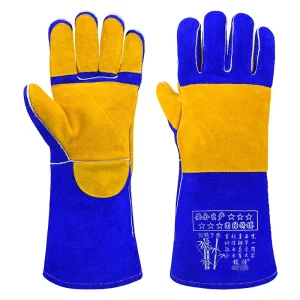
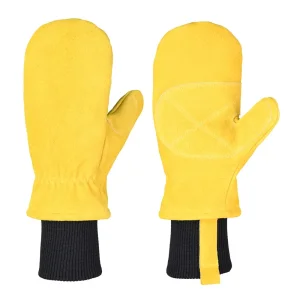
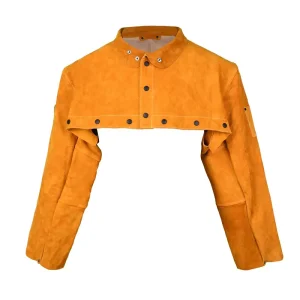
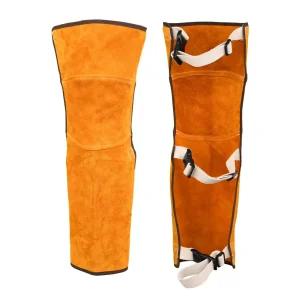
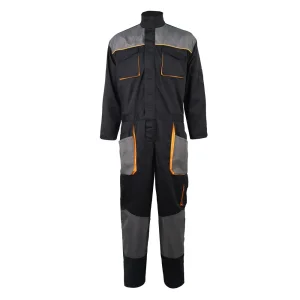
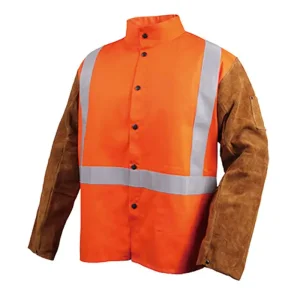
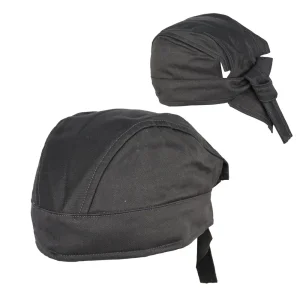
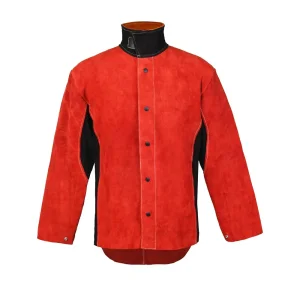
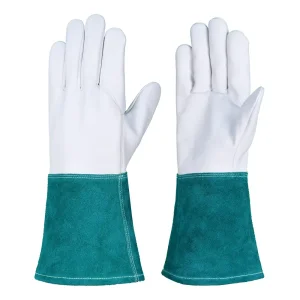
Engineered for high-temp metallurgy, pipe spatter containment, robotic MIG cells, and refined TIG dexterity. Fully certifiable for North American & European safety thresholds.
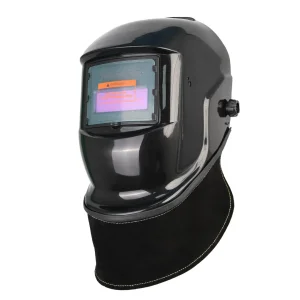
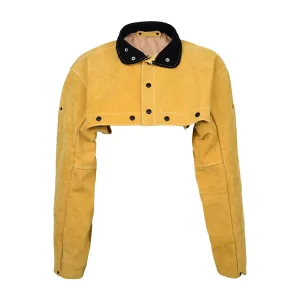
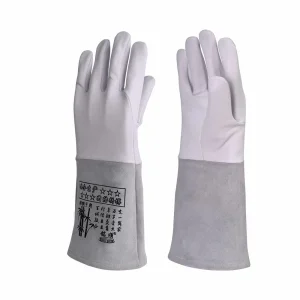
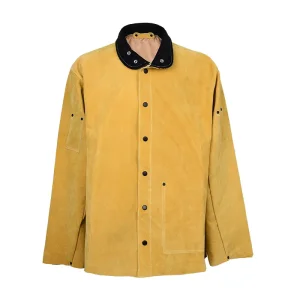
A rigorous examination of supply integrity, raw leather material science, environmental directives, and high-performance safety standards transforming modern welding environments.
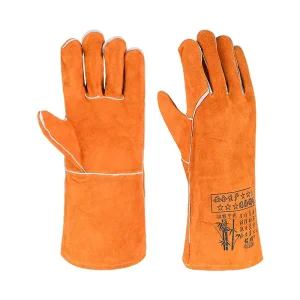
Thermal stability hinges on the collagen fiber density of natural leather. Split cowhide provides peak mechanical abrasion resistance against molten slag, while chromium-stabilized goatskin yields the microscopic elasticity vital for TIG manipulation.
Modern global procurement requires stringent compliance frameworks. Our OEM manufacturing protocols inherently satisfy EN 12477:2001+A1:2005 (Type A & B), EN 388:2016 for mechanical durability, and ANSI/ISEA 105 thermal abrasion mandates.
Supply shocks have made multi-tiered OEM factory visibility mandatory. Distributors are eliminating speculative broker intermediaries in favor of vertically integrated manufacturers controlling dyeing, cutting, stitching, and end-of-line verification.
Systematic classification of leather substrates, thermal insulation linings, and mechanical properties across modern fabrication processes.
| Welding Process | Recommended Substrate | Standard Thickness | Lining Architecture | Thermal Standard | Dexterity Index |
|---|---|---|---|---|---|
| GTAW / TIG Precision | Top-Grain Goatskin / Sheepskin | 0.7 mm – 0.9 mm | Unlined / Lightweight Nomex® Felt | EN 12477 Type B (100°C Contact) | Level 5 (Max Tactility) |
| GMAW / MIG Semi-Auto | Goatskin Palm + Split Cowhide Cuff | 1.1 mm – 1.3 mm | Brushed Fleece & Flame-Retardant Foam | EN 12477 Type A (250°C Contact) | Level 3 (Balanced Control) |
| SMAW / Stick & Flux-Core | Heavy A-Grade Split Cowhide | 1.3 mm – 1.6 mm | Composite Cotton Fleece + Aluminized Shield | EN 12477 Type A (350°C Contact) | Level 2 (Max Protection) |
| Submerged Arc & Gouging | Heavy Split Cowhide + Reinforcements | 1.4 mm – 1.8 mm | Double Insulated Wool / Kevlar® Knit | Specialized Severe Radiance Class | Level 1 (Extreme Insulation) |
Engineered for high-liability environments where hand injury mitigation directly impacts overall operational equipment effectiveness (OEE).
Manual touch-up stations on high-output automated lines require split-second transitions between MIG tacking, panel handling, and pneumatic clamping without changing gloves.
Harsh marine ambient conditions necessitate specialty hydrophobic chrome tanning that resists hardening after repetitive exposure to sea salt mist and scorching preheated alloys.
Extreme duty flux-core arc welding in bridge construction involves high radiant heat zones. Reinforced palm seams with double-turned welts prevent seam burst during constant load.
Sanitary root pass TIG welding on stainless and titanium demands zero residual oils in the leather. Ultra-clean grain sheepskin ensures zero carbon deposit cross-contamination.
Ming Shun's ongoing R&D trajectory incorporates advanced hybrid materials, digitized ergonomic patterning, and sustainable green tannery infrastructures.
Fusing natural leather's molten spatter shedding capabilities with high-tensile aramid filament cut-resistant shells (ANSI Cut A4-A6) for combined heat and severe mechanical protection.
Eliminating classical hand fatigue through 3D pre-curved gunn-cut master patterns, keystoned thumbs, and stretch-zone accordion paneling mapped directly to human kinetic grip patterns.
Zero-effluent chrome-free vegetable/synthetic hybrid tanning systems reducing wastewater chemical oxygen demand (COD) while achieving zero detectable free formaldehyde and chrome-VI.
Essential technical and logistical disclosures for industrial PPE buyers, commercial importers, and private brand managers.
Type A gloves provide higher thermal insulation, flame propagation protection, and heavy mechanical abrasion resistance, ideal for stick, flux-core, and high-amperage MIG welding. Type B gloves emphasize supreme finger dexterity and flexibility at lower heat loads, standard for high-precision TIG welding.
Because we operate our own tannery infrastructure in Gaozhou, hides are sorted electronically using digital ultrasonic thickness sensors. Every cut lot is calibrated to an exact tolerance of ±0.05 mm, preventing batch-to-batch variation common with trading intermediaries.
Yes. We offer deep OEM/ODM branding capabilities including laser etching, heat debossing, full-color silicone transfer badges, woven cuff labels, barcoded polybags, and retail-ready color boxes with CE/ANSI regulatory marking pre-printed.
Standard polyester or nylon threads decompose rapidly under welding heat (around 220°C). Dupont™ Kevlar® aramid thread does not melt, withstanding temperatures over 425°C, ensuring that seams never burst open under direct slag spatter or heavy tensile loads.
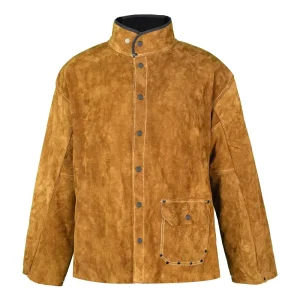
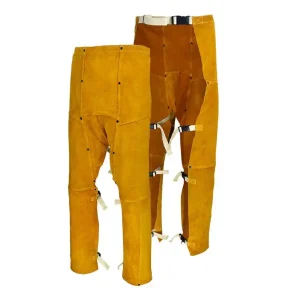
Explore our heavy-duty cowhide welding gloves, split-leather jackets, protective chaps, and specialized workshop protective wear.