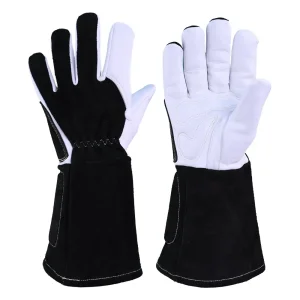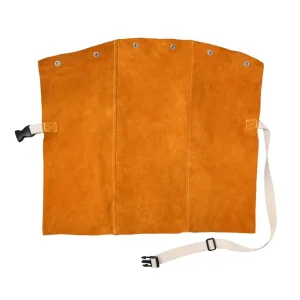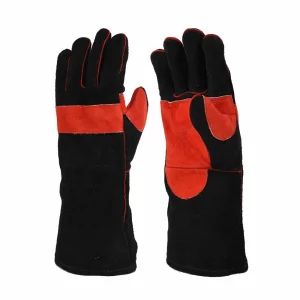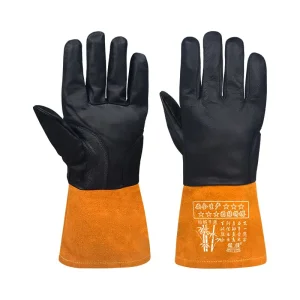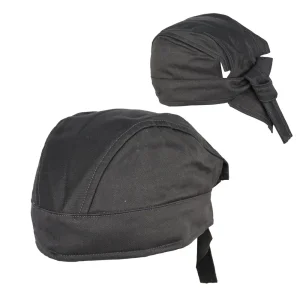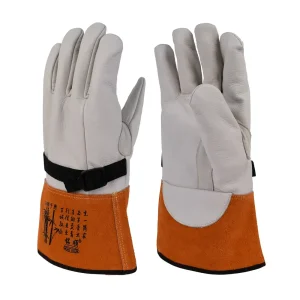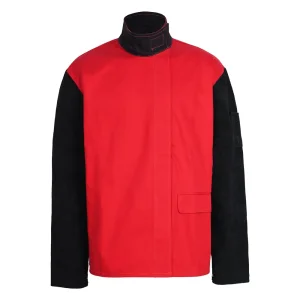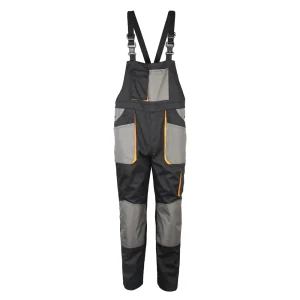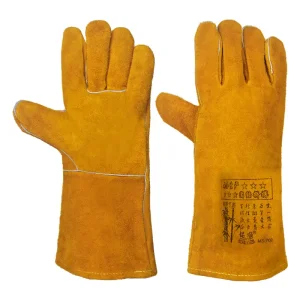
Direct-from-factory welding apparel and heavy-duty hand protection manufactured under strict ISO 9001 and EN compliance protocols.
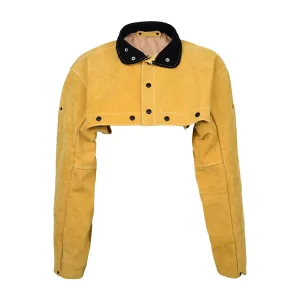
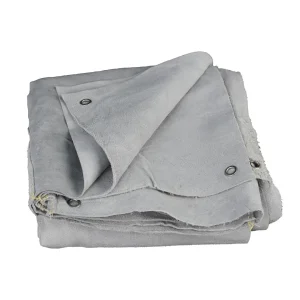
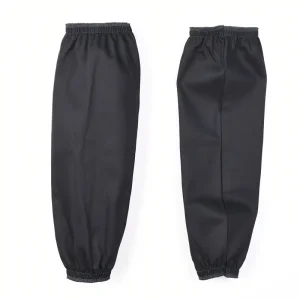
Evaluating the paradigm shift from legacy protective wear to ergonomic, hybrid-engineered thermal defense systems.
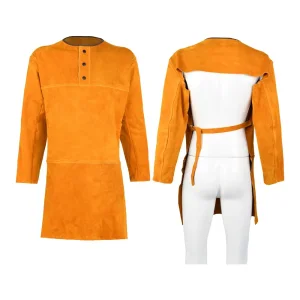
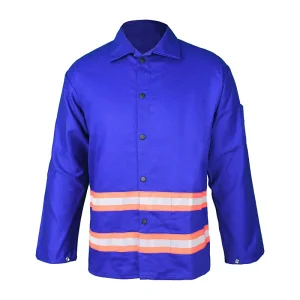
Modern welding applications increasingly replace uniform heavy leather garments with hybrid architectures. High-spatter zones (sleeves, chest) incorporate premium split cowhide, while thoracic panels utilize 9 oz or 7 oz treated flame-resistant (FR) cotton, boosting mobility and reducing operator fatigue.
Global regulatory bodies require Class 1 and Class 2 compliance benchmarks. Products must provide certified resistance against radiant heat, small splashes of molten metal, and electrical shock risks associated with brief contact with live conductors up to 100 V DC.
Industrial distributors and brand owners are shifting away from multiple trading middlemen. Directly partnering with fully integrated OEMs that control raw hide tanning, grading, precision laser cutting, and Kevlar stitching delivers verifiable cost stability and transparent batch traceability.
Addressing the complex operational demands of Tier-1 construction firms, automated manufacturing hubs, and private-label PPE safety brands.
From CAD tech-pack evaluation to sample pattern development, our technical team executes bespoke customizations including Kevlar seam density, heat-resistant rivet placement, tailored chest pockets, custom leather embossing, and retail-ready barcode packaging.
Continuous heavy-duty welding (flux-cored ARC, high-amperage MIG) subjects apparel to molten iron spatter temperatures surpassing 1,400°C. Our specially graded split cowhide and chrome-tanned pigskin garments are engineered to prevent burn-through and seam degradation.
Each production run is cross-referenced with raw material intake certificates. We provide detailed verification of pH balance, chromium VI thresholds, tear resistance, and tensile seam strength to mitigate import clearance delays in the EU and North American markets.
Integrating chemical treatments, specialized grain textures, and digitalized manufacturing to satisfy Industry 4.0 safety mandates.
Development of chromium-free tanning techniques that reduce environmental effluent while increasing resistance to industrial oils, moisture, and slag retention across prolonged outdoor shipyard operations.
Incorporating stretchable FR aramid composites at underarm and scapular intersections to provide unrestricted upper-body mobility during overhead orbital welding, reducing shoulder and lumbar strain.
Transitioning hide cutting to multi-axis CNC laser projection tables to eliminate pattern tolerances, maximize leather hide utilization, and assure seam consistency across high-volume container shipments.
Navigating global border import frameworks with documented laboratory validation and cross-regional certifications.
Complete documentation for CE PPE Regulation (EU) 2016/425, EN ISO 11611 Class 1/2 for welding apparel, EN 12477 Type A/B for welding gloves, and EN 388 mechanical risk factors including abrasion and tear indexes.
Strict conformance testing aligned with ANSI/ISEA 105 for cut and puncture performance, NFPA 70E compliance for thermal arc flash exposure, and ASTM D6413 vertical flame resistance benchmarks for cotton and leather hybrid configurations.
Exporting to over 60 countries with FOB, CIF, or DDP terms. Handling localized palletization, container load optimization, and comprehensive shipping documentation including Certificate of Origin (CO) and Form A.
Direct responses from our engineering and export departments addressing materials, tooling, sampling, and minimum order commitments.
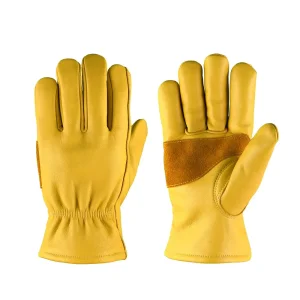
Split cowhide represents the fibrous inner layer of the hide, treated for superior flame and mechanical abrasion resistance at a competitive cost basis. Grain cowhide possesses higher tensile strength and water resistance but represents a premium expenditure, often selected for high-dexterity sleeves or specialized welding gloves.
Standard synthetic threads decompose or burn through quickly when exposed to continuous radiant thermal energy or molten spatter. High-tensile aramid (Kevlar) thread resists temperatures exceeding 420°C without melting, ensuring structural seam integrity throughout the jacket’s operational lifespan.
Standard OEM custom orders generally start at 500 to 1,000 units per jacket style depending on specific custom fabric dyeing or leather color requirements. For stock leather jacket models with private-label woven tags or stamped logos, lower initial test volumes can be accommodated.
Our raw leather intake undergoes strict laboratory evaluation. We maintain proprietary tanning formulas ensuring chrome tanning processes stabilize trivalent chromium and prohibit the formation of carcinogenic hexavalent chromium (Chromium VI), consistently conforming to REACH and EN 420 criteria.
Tech pack validation and initial prototype delivery typically take 7 to 10 days. Upon final counter-sample approval, bulk material preparation, cutting, assembly, and inspection generally span 35 to 45 days, followed by port customs booking.
Yes. We integrate flame-retardant retroreflective tapes compliant with EN ISO 20471 and ANSI 107. These materials are double-stitched across shoulder, torso, and forearm regions without degrading the thermal integrity of the underlying split leather or FR cotton.
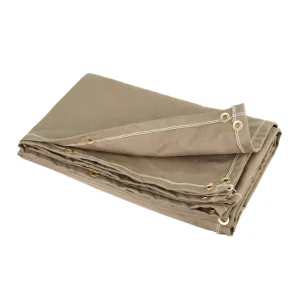
Complete your procurement line with industrial-grade welding bibs, precision TIG gloves, insulated workwear, and protective overlays.