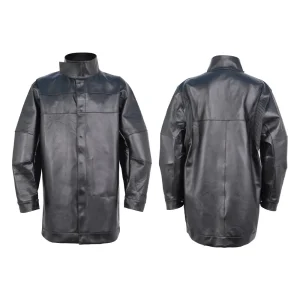
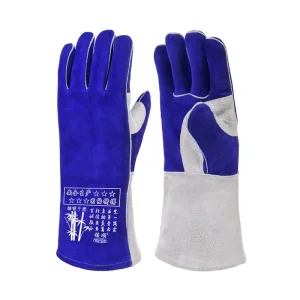
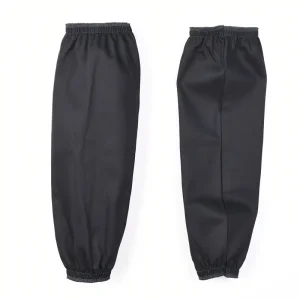
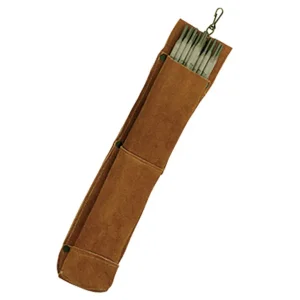
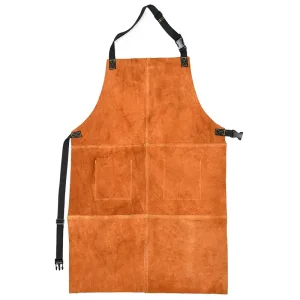
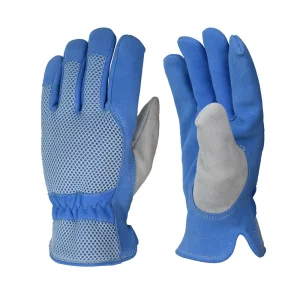
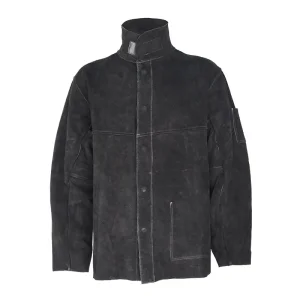
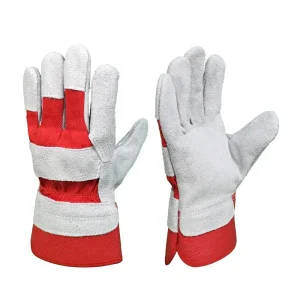
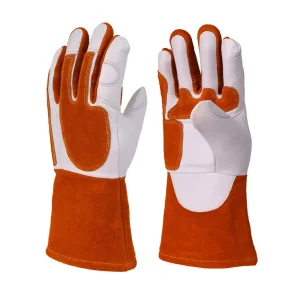
Engineered directly from our in-house tanneries and manufacturing facilities, each model delivers high mechanical durability, ergonomic dexterity, and certified thermal deflection.
In modern industrial procurement, selecting an OEM leather glove manufacturer extends beyond unit costs. Enterprise buyers require reliable supply chains, quantifiable glove lifespan, and certified protection against multi-hazard operational environments.
Global procurement executives managing Tier-1 EPC contractors, automotive manufacturing complexes, structural shipyards, and heavy metal foundries face stringent zero-harm safety mandates. Selecting an OEM partner capable of producing consistent leather industrial gloves requires evaluating fiber-level hide integrity, thread tensile strengths, stitching geometries, and documented test profiles. Cheap leather alternatives often present micro-fissures, inconsistent thickness, and chemical instability, which result in rapid burn-through, seam splitting, hand fatigue, and workplace injuries.
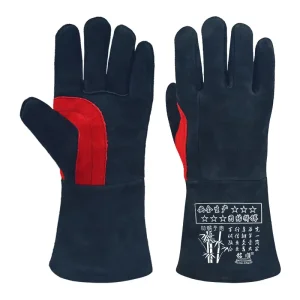
Guangdong Ming Shun Labour Protective Products Co., Ltd. resolves these challenges by operating integrated tanneries, cutting facilities, and specialized automated sewing workshops. By eliminating intermediary trading companies, enterprise clients secure custom grain selection (Grade-A split cowhide, top-grain goatskin, flexible pigskin), precision ergonomic patterning (keystone thumbs, gunn cuts, wing thumbs), and customized FR seam reinforcements utilizing genuine DuPont™ Kevlar® threading.
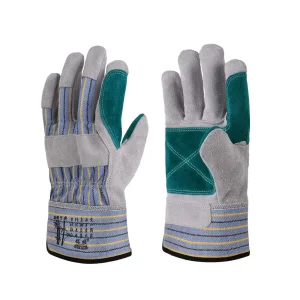
By engineering split leather with dense collagen fiber networks and reinforced palm patches, our gloves exhibit up to 2.8x the operational lifespan of commercial utility gloves, reducing per-shift consumable costs for high-amperage fabrication crews.
Hand fatigue accounts for up to 34% of dropped-tool incidents in structural steel erection. Our CAD-modeled 3D finger curvatures, seamless index finger constructions, and breathable goatskin liners reduce hand strain and maximize tool dexterity.
Global logistics disruptions require manufacturing partners with deep buffer reserves. Ming Shun maintains on-site raw hide reserves exceeding 2.5 million square feet, insulating OEM clients against hide market price swings and material bottlenecks.
Evaluating split cowhide, top-grain goatskin, and premium pigskin across thermal deflection, mechanical cut resistance, abrasion wear, and tactile sensitivity.
| Substrate Material | Fiber Density & Structure | Tensile / Abrasion (EN 388) | Thermal Deflection (EN 407) | Tactile Dexterity Rating | Primary Industrial Applications |
|---|---|---|---|---|---|
| Heavy Split Cowhide (1.2 - 1.4 mm) | Dense reticular corium collagen mesh | Level 4 Abrasion • Level 3 Tear | Contact heat up to 350°C (15s) | Moderate (Level 2) | Stick (SMAW) Welding, Foundries, Torch Cutting, Heavy Stamping |
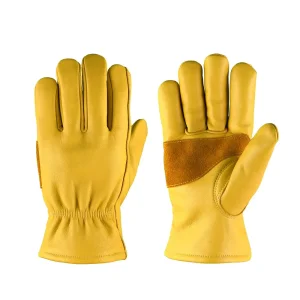
| Premium Top-Grain Goatskin | High natural lanolin, tight pebble grain | Level 2 Abrasion • Level 2 Cut | Radiant heat & light spatter shield | Ultra-High (Level 5) | TIG (GTAW) Welding, Precision Aerospace Assembly, Instrumentation |
| Split Cowhide & Goatskin Hybrid | Composite back/palm multi-layer | Level 3 Abrasion • Level 2 Cut | Spatter-proof back, agile palm | High (Level 4) | MIG (GMAW) Welding, Pipe spool fabrication, Automotive assembly |
| Porous Split Pigskin | Tri-follicular open-pore aeration | Level 3 Abrasion • Level 2 Tear | Moderate thermal buffer, wet resilient | Good (Level 3) | Moist/Oily stamping, ship repair, offshore maintenance, pipefitting |
In industrial environments, glove failure rarely occurs through the center of the leather palm; instead, seam rupture from thermal embrittlement, thread burn-through, or edge abrasion is the primary breakdown vector. Standard polyester or nylon stitching melts at temperatures between 210°C and 250°C, dropping structural integrity during hot-work operations.
Our manufacturing line integrates certified 3-ply and 4-ply Kevlar® aramid threading, which exhibits no melting point (decomposing only at temperatures above 450°C) and delivers five times the tensile strength of standard steel wire on an equal-weight basis. Furthermore, critical stress zones—such as the thumb crotch, base of fingers, and palm base—are protected by welted seams. Welted seams encase leather welting strips between structural panels, shielding the load-bearing thread from exposure to molten slag, sparks, and repetitive abrasive friction.
Seamless palm back with seams set back from the working surface ensures maximum wear resistance and minimal friction points during prolonged heavy-duty handling.
Independently patterned thumb set into the palm at an anatomical angle, maximizing natural gripping freedom and mitigating carpometacarpal joint strain.
Multi-layer flame-retardant foam combined with 100% brushed cotton jersey provides radiant heat absorption, capillary moisture evaporation, and electrical insulation.
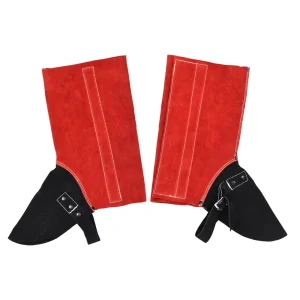
Rigid rubberized or split cowhide gauntlets extending 100mm to 150mm up the forearm, preventing spark ingress and deflecting hot metal spatter away from the wrist.
Bridging traditional leather craftsmanship with digital manufacturing, automated vision grading, and sustainable closed-loop chemistry.
Our facility incorporates high-resolution optical scanning systems that analyze raw leather hides in real-time. Automated algorithms identify scar tissue, pinholes, and thickness variations, ensuring only structurally uniform sections are channeled to precision CNC laser cutters.
Complying with the EU REACH Regulation Annex XVII, we offer chromium-free (aldehyde and vegetable syntan) tanning technologies. This eliminates extractable Cr(VI) risk under high temperature and moisture, safeguarding sensitive skin and facilitating eco-friendly disposal.
For large-scale utility, shipyard, and automated industrial clients, we engineer optional embedded washable UHF RFID chips within the gauntlet lining. This enables automated inventory replenishment, PPE usage logging, wash-cycle tracking, and tool-crib checkout control.
From offshore Arctic energy platforms to automated automotive welding cells, Ming Shun protective equipment shields the workforce powering global industry.
Cross-country pipeline construction and offshore oil platforms demand gloves that combine oil/water repellent leather finishes with high mechanical cut protection. Our silicone-treated pigskin and cowhide lines prevent hydrocarbon saturation, resisting slick tool slippage and seam rot in hyperbaric welding enclosures.
Robotic spot welding and manual repair lines require operators to maneuver sharp-edged stamped body panels in environments with constant spark discharge. Our hybrid goatskin work gloves feature aramid palm linings, providing Level 4 cut safety while maintaining the sensitivity needed to align chassis fixtures.
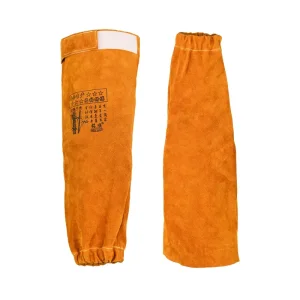
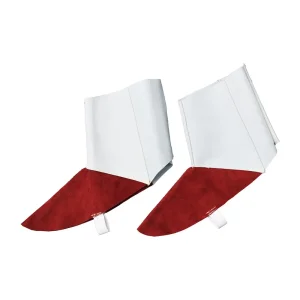
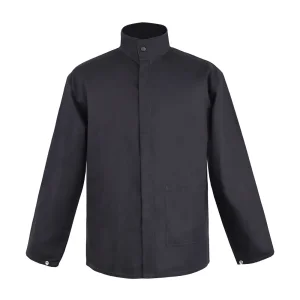
Shipyard welding involves awkward overhead positioning, continuous flux-cored arc welding (FCAW), and heavy carbon-arc gouging. Our extended split cowhide welding jackets, gauntlets, and spats protect against heavy droplet slag and multi-directional radiant thermal fields.
Complete regulatory documentation and standardized certification profiles for seamless import into the European Union, North America, APAC, and Middle Eastern markets.
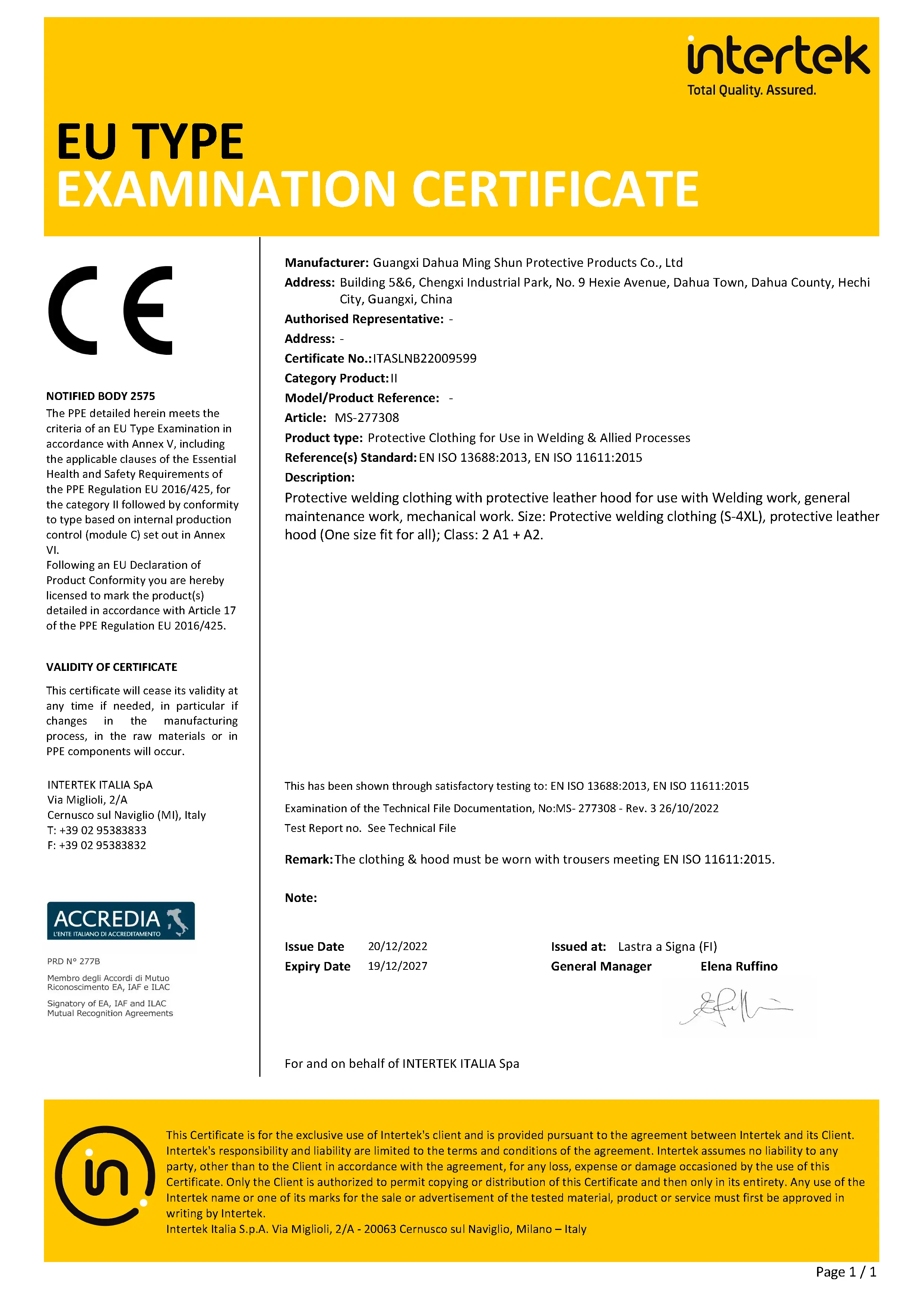
Full CE certification under PPE Regulation (EU) 2016/425. Type A designation confirms heavy-duty thermal and mechanical performance for Stick/MIG applications; Type B certifies fine dexterity for precision TIG operations.
Standardized testing across North American metrics, including ASTM F2992-15 cut levels, ASTM D3884 abrasion durability, and conductive heat transfer thresholds from Level 1 up to Level 5.
Zero hazardous azo dyes, banned aromatic amines, or harmful plasticizers. Strict analytical chemical monitoring confirms extractable Chromium VI remains below the 3.0 mg/kg limit of detection (LOD).
We provide international distributors and OEM brand owners with turnkey private labeling services. Our engineering studio translates customer tech packs into localized size charts (US sizes XS through 4XL, European sizing 7 through 12). Custom brand execution includes heat-stamped leather logos, woven silicone labels, color-coded piping, branded barcoded hangtags, multilingual packaging compliant with EU PPE user instructions (IFUs), and palletized container loading optimized for maritime transport.
Technical, logistical, and production answers to support your industrial glove procurement decisions.
Because we control the tanning and splitting processes directly in Gaozhou, hides are mechanically split and sorted into tightly calibrated thickness bands (e.g., 1.1-1.2mm for MIG gloves; 1.2-1.4mm for heavy-duty welding jackets). Each batch undergoes digital gauge calibration and tensile testing prior to cutting, preventing uneven wear patterns or weak spots in the finished PPE.
Our standard OEM order threshold is 1,200 pairs per custom glove style, or 500 units for heavy leather garments. Prototyping against your CAD spec sheets, tech packs, or physical reference samples takes 7 to 10 business days. Full physical sample suites with custom embossed branding are dispatched via DHL/FedEx for technical approval before bulk cutting begins.
Type A gloves are engineered for high heat, heavier spatter, and severe mechanical wear (such as Stick and heavy-deposition MIG welding), prioritizing thermal resistance and cut strength over fingertip control. Type B gloves (typically manufactured from thin top-grain goatskin) prioritize high tactile flexibility and dexterity (EN 420 Class 4 or 5) for feeding fine filler wire in TIG welding, with moderate thermal shielding.
Yes. Our in-house dye house formulates custom leather colors matched to Pantone standards (e.g., goldenrod yellow, russet red, royal blue, charcoal black). We apply brand graphics using precision die debossing, multi-color silk screening, reflective piping, embroidered patches, and customized retail hanger packaging.
Explore our extended range of heavy-duty welding jackets, FR accessories, and reinforced work gloves ready for private-label production.