
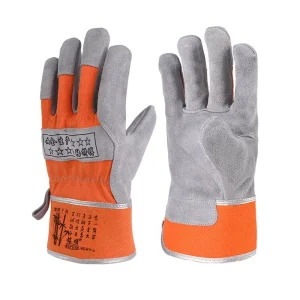
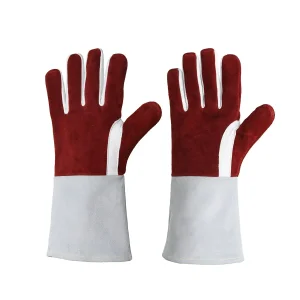
Engineered for extreme tensile resistance, heat dispersion, and high-abrasion applications across heavy metallurgical workcells.
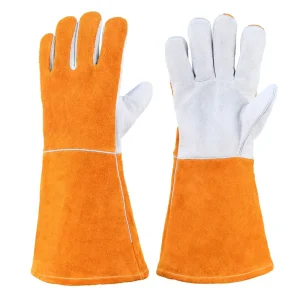
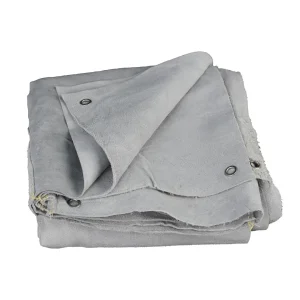
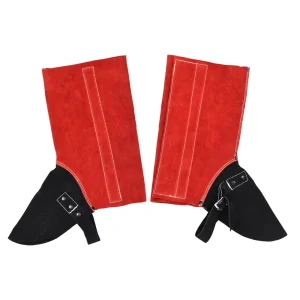
Evaluating lifecycle optimization, risk mitigation, and the total cost of ownership (TCO) across Fortune 500 procurement teams.
Multinational EPC contractors and assembly facilities avoid spot-market vulnerabilities by securing contract-level capacity with direct factories. OEM framework contracts mitigate material shortages, shipping cost surges, and inconsistencies across global distributor networks.
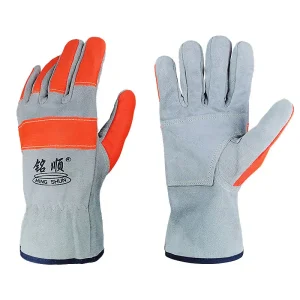
Low-tier gloves fail early, driving up annual unit consumption and injury claims. Ming Shun's dual-tanned premium split leather, reinforced palms, and high-tensile Kevlar® stitching deliver 3.4x longer cycle durability, lowering real protective spend per working shift.
Tier-1 industrial buyers require clear documentation for environmental, labor, and chemical compliance. Operating our own tanneries and manufacturing plants allows us to provide full batch traceability for raw hide provenance, non-hazardous tanning agents, and REACH-compliant chromium control.
Balancing tensile strength, thermal resistance, and finger dexterity across specialized industrial environments.
| Industrial Sector | Primary Hazard Profiles | Material Engineering Solution | Recommended Standard Compliance |
|---|---|---|---|
| Heavy Metallurgy & Smelting | Radiant heat (>500°C), molten slag spatter, high-contact thermal burns | Split Cowhide + Aluminized Backs + Para-aramid Liners | EN 407 (4 3 3 2 4 X), ISO 11611 Cl. 2 |
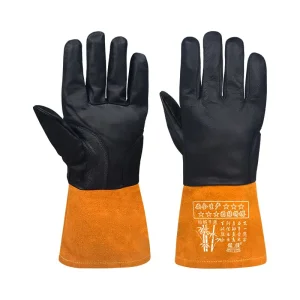
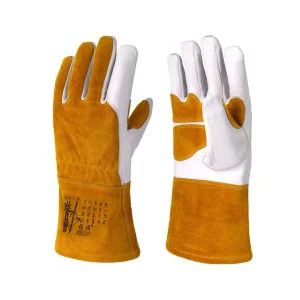
| Robotic & High-Amp MIG Welding | Continuous slag showers, grip friction, arc-flash degradation | Top-Grain Goatskin Palm + Split Cow Gauntlet + Kevlar® Thread | EN 12477 Type A, EN 388 (3 2 4 3 X) |
| Aerospace TIG Assembly | Tactile deficiency, low-intensity UV exposure, fine wire punctures | Grade-A Tanned Kidskin/Goatskin + Seamless Index Finger | EN 12477 Type B, ANSI/ISEA Level 2 Puncture |
| Structural Marine Shipyards | Dynamic shearing, corrosive salt humidity, ambient sub-zero conditions | Treated Oil-Resistant Cowhide + 3M Thinsulate™ / Fleece Liners | EN 511 (1 2 1), EN 388 (4 3 4 4 E) |
| Automotive Stamping & Press | Sheet-metal lacerations, stamping lubricants, pinch abrasions | High-Split Grain Leather + Reinforced Thumb Crotch + Breathable Back | ANSI Cut Level A4, EN 388 (4 X 4 2 D) |
Developing next-generation safety gear: combining hybrid biomaterials, smart thermal barriers, and reduced environmental impact.
Integrating ceramic nanoparticles directly into the chrome-tanning drumming phase. This increases surface abrasion endurance by 45% without reducing leather pliability or breathability in high-heat applications.
Replacing heavy multi-layer fabric builds with ultra-thin aramid air-gel composites. These reduce glove weight by 30% while meeting EN 407 Level 4 convective and contact heat benchmarks.
Introducing vegetable-aldehyde hybrid tanning techniques to produce fully compostable glove bodies. These help global buyers comply with EU CSRD corporate sustainability directives while keeping water usage in check.
How Ming Shun operates dedicated workshops, internal testing benches, and scalable cut-and-sew lines in Gaozhou, Guangdong.
Raw skins are checked for hide thickness, density, fiber uniformity, and surface defects before tanning. This ensures consistent thermal and cut performance throughout production runs.
Our in-house master pattern technicians adapt CAD files to ergonomic gunn-cut, clute-cut, or keystone-thumb layouts, reducing seam friction and improving operator comfort during long shifts.
Stitched with flame-resistant DuPont™ Kevlar® thread across high-wear stress points. Full welted seams protect internal thread fibers from molten spark erosion and seam splitting.
Finished pairs undergo AQL 1.5/2.5 inspection for dimensional accuracy, seam integrity, pH neutrality, and cosmetic appearance before being packed into moisture-barrier export cartons.
Navigating complex international certifications to ensure compliant customs clearance across global markets.
Full Category II and III test documentation with Notified Bodies (such as SATRA and CTC). Products meet EN 388:2016+A1:2018, EN 407:2020, and EN 12477:2001+A1:2005 standards, complete with authorized Declarations of Conformity (DoC).
Batch testing for ANSI/ISEA 105 cut levels (A1 to A9), puncture resistance, and conductive heat transfer. Our factory provides third-party accredited lab certificates for US and Canadian regulatory filings.
Our experienced export documentation desk handles Certificate of Origin filings (Form A, Form E, RCEP), HS-code classification (Chapter 4203), and provides full manifest declarations to avoid customs delays at entry ports.
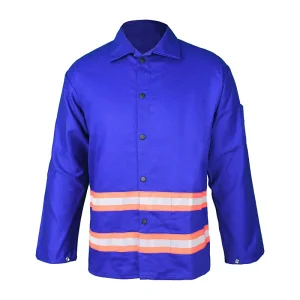
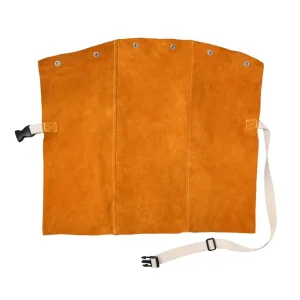
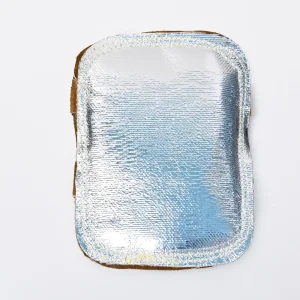
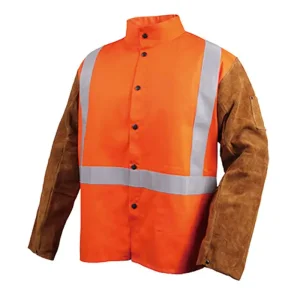
Reinforced ergonomics, flame-resistant workwear, and heat-reflective leather accessories built for high-duty cycles.
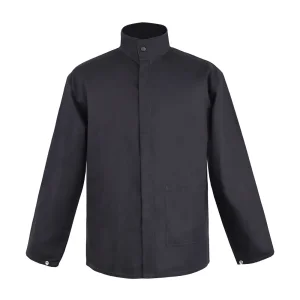
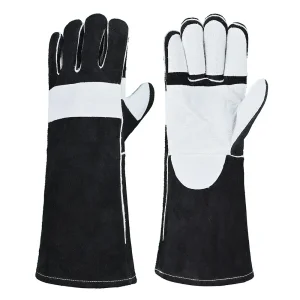
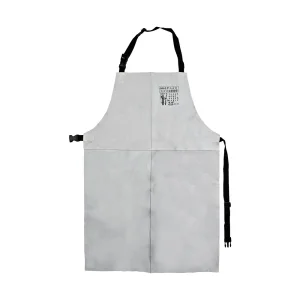
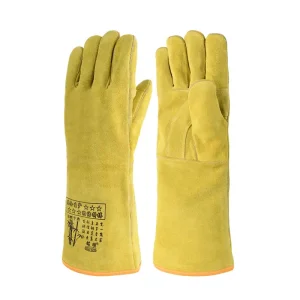
Answers to common technical, manufacturing, and shipping questions asked by corporate purchasing managers and safety distributors.
For custom private-label programs (including custom leather shades, embossed logos, and tailored sizing), our baseline MOQ starts at 1,200 to 2,400 pairs per style depending on raw material customization. Standard factory-specification items from existing stock can be ordered with lower entry minimums to support initial market trials.
Because we operate our own leather tanning and processing facilities in Gaozhou, hides are mechanically sorted and precision-split using digital calibration machines. Thickness tolerances are controlled to ±0.05 mm across Grade A, AB, and B cowhides, avoiding the unexpected quality variations often found with trading companies.
Yes. We tailor our construction to your performance target. Type A gloves emphasize heavy-duty heat and abrasion protection for high-amperage MIG and stick welding, while Type B uses flexible, high-tensile goatskin or sheepskin to provide the finger dexterity required for fine TIG welding.
We provide hot-foil leather stamping, laser-etched branding, silicone thermal transfer labels, woven seam tags, and custom full-color retail backing cards. Polybags can be individually labeled with your company's UPC barcodes, and shipping cartons can be pre-printed to your logistics standards.
Tech-pack and pattern-adjusted prototype samples take 7 to 10 working days. Upon final counter-sample sign-off and PO confirmation, bulk manufacturing cycles typically run 35 to 45 days. Expedited production can be scheduled for recurring OEM framework orders.
Partner directly with a certified manufacturer. Request technical product sheets, material swatches, or initiate counter-sample production with our engineering team.
