Explore specialized protective equipment engineered with proprietary heat deflection, flame-resistant barriers, and certified sub-zero industrial warmth.
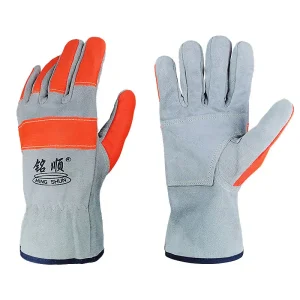
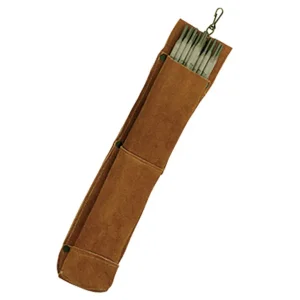
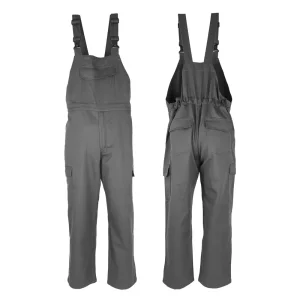
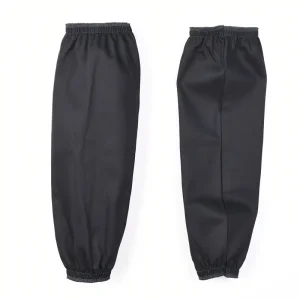
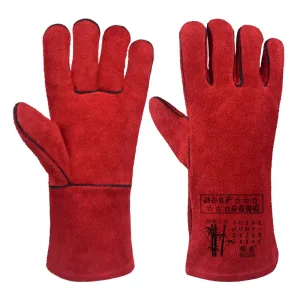
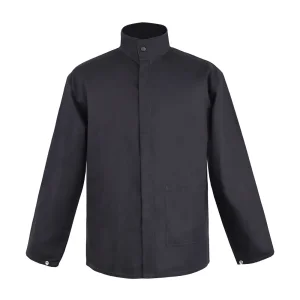
A comprehensive technical perspective on managing thermodynamic heat retention alongside multi-standard arc flash and flash fire protection.
Modern petrochemical, midstream shale, and offshore LNG assets operating in Arctic and sub-Arctic latitudes demand garments capable of neutralizing wind chill down to -40°C while maintaining unimpeded compliance with NFPA 2112 and EN ISO 11612 standards.
Utility linemen and high-voltage grid contractors face simultaneous risks of catastrophic arc flashes (NFPA 70E / ASTM F1506) and hypothermia. Our OEM jackets integrate stratified multi-layer assemblies yielding Arc Thermal Performance Values (ATPV) exceeding 45 cal/cm² (CAT 4).
Industrial procurement is shifting from disposable winter gear to industrial laundered high-durability FR shells. Ming Shun’s proprietary stitching, welted seams, and aramid-reinforced stress points minimize garment replacement cycles by over 40% across continuous 36-month cycles.
With fully integrated tannery processing and dedicated automated garment fabrication in Guangdong, Ming Shun eliminates intermediary markups and fabric bottlenecks, delivering reliable lead times and consistent batch colorways for multinational distributors.
Balancing non-combustible external barrier defense, vapor micro-porosity, and lofted non-conductive thermal batting.
| Functional Tier | Material Engineering | Protective Functionality | Global Standard Alignment |
|---|---|---|---|
| External Shell | 88/12 FR Cotton-Nylon (9 oz - 11 oz) or Inherent Nomex® / Modacrylic ripstop with Teflon™ DWR finish. | Blocks molten metal spatter, hydrocarbon splashes, intense wind, and structural abrasion. Flame resistant for garment life. | NFPA 2112, ASTM F1506, EN ISO 11611 Cl. 2, EN ISO 11612 (A1+A2, B1, C1). |
| Thermal Barrier | 150 - 250 gsm Aramid FR non-woven needle-punched batting or 3M™ Thinsulate™ FR synthetic microfibers. | Traps still-air micro-pockets to suppress radiative and conductive thermal transfer down to -50°C without melting or dripping. | EN 342 (Thermal Insulation Icler > 0.310 m²·K/W, Air Permeability Class 3). |
| Vapor & Static Lining | FR anti-static cotton twill (5.5 oz) laminated with breathable microporous FR PU / PTFE moisture membrane. | Evacuates body sweat to preserve insulative loft while preventing electrostatic spark accumulation in volatile atmospheres. | EN 1149-5 (Electrostatic Dissipation), EN 343 Class 4:4 (Waterproof & Breathable). |
| Hardware & Trim | FR aramid sewing thread, heavy-duty brass or oxidized FR resin zips with double-storm storm flaps, FR reflective trim. | Guarantees complete seam integrity under flash fire temperatures up to 800°C without conductive burn transfer to skin. | ANSI/ISEA 107 Class 3 / EN ISO 20471 (High-Visibility Cold Climate Compliance). |
Under intense arc blast or radiant convective flare exposure, synthetic materials must not liquefy or fuse to dermal tissue. Ming Shun's winter shells and insulation composites use non-charring components that expand into an inert carbonaceous crust, halting thermal transmission.
Industrial heavy fabrication in sub-zero climates demands unrestricted shoulder articulation. Our CAD-patterning rooms integrate bi-swing action backs, articulated gusseted sleeves, and dropped kidney-tail hems that protect workers during complex structural overhead welding.
A protective garment is only as strong as its weakest joint. Every seam utilizes triple-needle Kevlar® / Nomex® stitch patterns with minimum 9-11 stitches per inch, preventing flash separation and thermal barrier blowout during prolonged explosive exposure.
Custom-manufactured to conquer localized environmental extremes, regulatory mandates, and hazard profiles.
Environment: -45°C ambient temperatures, heavy bitumen deposits, high-velocity blizzards.
Hazard: Hydrocarbon flash fire, thermal hypothermia.
Garment Spec: 10 oz Westex UltraSoft® or proprietary treated cotton-poly FR duck, 200 gsm aramid batting, removable hard-hat compatible insulated hood, CSA Z96 Class 1/2 reflective geometry.
Environment: Freezing saline spray, corrosive mist, heavy offshore gale conditions.
Hazard: Marine vessel maintenance, diesel spark flash, low visibility.
Garment Spec: Antistatic modacrylic/cotton laminated shells, taped waterproof seams meeting EN 343 4:4, salt-resistant oxidized brass heavy-gauge zippers, EN ISO 20471 hi-vis yellow/navy blocking.
Environment: Ice-storm line restoration, sub-freezing bucket truck operations.
Hazard: Extreme electrical arc blast (NFPA 70E Category 4), snag hazards.
Garment Spec: ATPV > 40 cal/cm², non-conductive storm snaps, flame-resistant polar fleece storm collar, glove-friendly magnetic pocket flaps for rapid tactile tool access in sub-zero gusts.
Environment: Extreme UV radiation, dry freezing winds down to -35°C, high rock abrasion.
Hazard: Heavy equipment repair, hydraulic burst, oxy-acetylene torch work.
Garment Spec: Split cowhide leather overlays on chest, forearms, and shoulders combined with 300 gsm FR fleece quilted lining, double-reinforced knees, and dirt-resistant dark navy shells.
Inside Guangdong Ming Shun: How 25 years of leather processing and heavy garment assembly delivers uncompromised specification repeatability.
We maintain proprietary tannery and textile dye facilities in Gaozhou, ensuring that critical safety colors—including high-visibility fluorescent orange, safety yellow, and custom enterprise corporate colorways—remain consistent across tens of thousands of yards.
Precision multi-ply CNC cutters minimize fabric fraying while adhering strictly to millimeter-level pattern tolerances. Laser edge-sealing prevents delamination of high-tech microporous waterproof/breathable membranes during multi-needle stitching.
Every batch of thermal welding outerwear undergoes rigorous internal QA: vertical flammability testing (ASTM D6413), seam strength analysis, and hydrostatic pressure testing exceeding 10,000 mm H₂O to guarantee zero water seepage in blizzard conditions.
From fireproof woven silicone labels, metallic snap embossing, custom hangtags with compliance certificates, to barcode scanning and palletized sea/air freight configurations, we deliver turn-key private-label solutions ready for immediate distributor fulfillment.
Strategic advancements shaping the next frontier of extreme cold personal protective equipment.
Transitioning from conventional synthetic down to ultra-thin silica aerogel composites. This reduces overall winter jacket bulk and weight by 35% while providing identical Clo ratings, significantly reducing worker fatigue during 12-hour welding shifts.
Integrating ultra-flexible, non-metallic carbon nanotube heating grids powered by ATEX/IECEx Zone 1 certified intrinsically safe battery modules, ensuring zero spark risk in explosive volatile petrochemical zones while sustaining core torso heat at -50°C.
Engineering eco-compliant, non-halogenated flame retardants cross-linked with circular recycled modacrylic and bio-based high-tenacity polyamides, satisfying aggressive European corporate ESG and CSRD emissions mandates without degrading NFPA flammability performance.
Maximizing capital efficiency, inventory agility, and multi-jurisdictional compliance across large industrial workforces.
By engineering dual-certified garments compliant with both North American (NFPA 2112 / NFPA 70E) and European/International (EN ISO 11612 / EN 342) protocols, global safety distributors reduce overall SKU complexity by 45%, liberating working capital and simplifying multi-site logistics.
Every bolt of FR fabric utilized in Ming Shun OEM jackets comes with comprehensive mill test reports, thermal shrinkage certifications, and optical tracking numbers. In the event of enterprise audits, our partners access unbroken historical validation files within 24 hours.
Commercial laundering is the leading cause of premature thermal PPE failure. Our specialized reactive dye bonding and aramid thread construction resist up to 100 industrial wash cycles at 60°C without loss of flame retardant efficacy, color bleeding, or membrane delamination.
Authoritative guidance addressing the critical specifications evaluated by industrial safety engineers, quality assurance managers, and global sourcing directors.
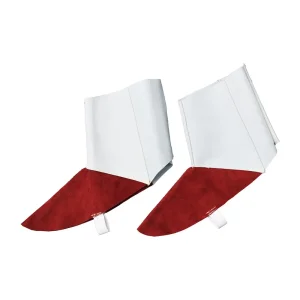
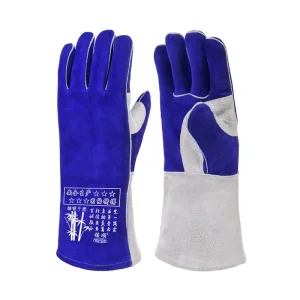
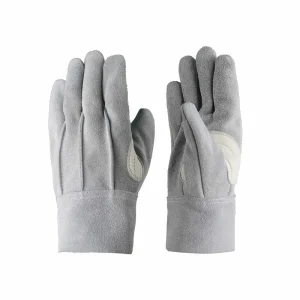
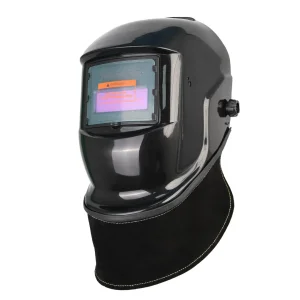
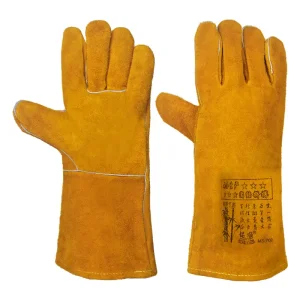
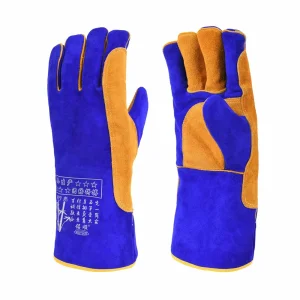
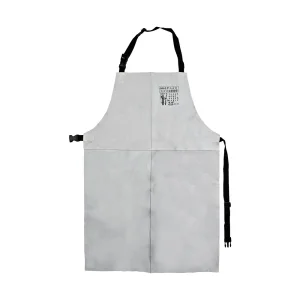
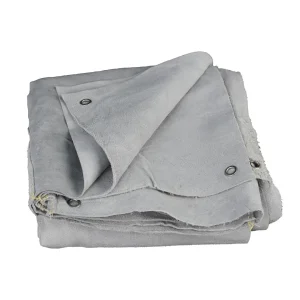
Complete your worker safety portfolio with heavy-duty leather armor, spat guards, and high-temp welding accessories.