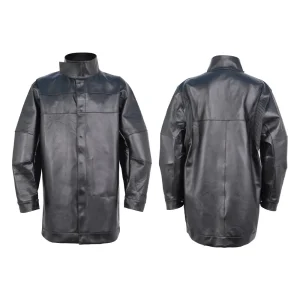
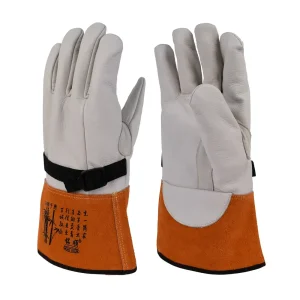
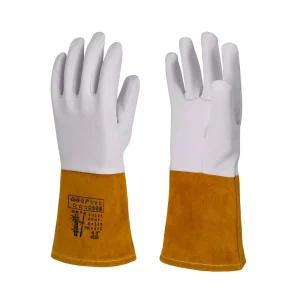
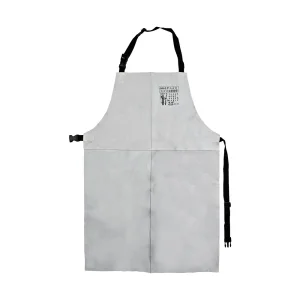
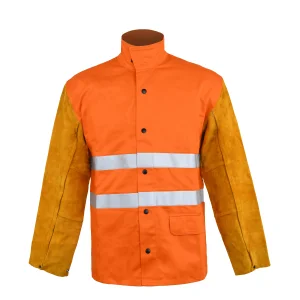
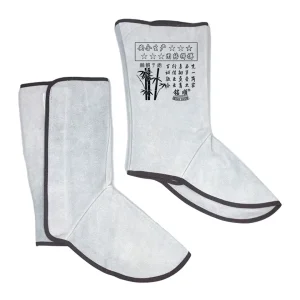
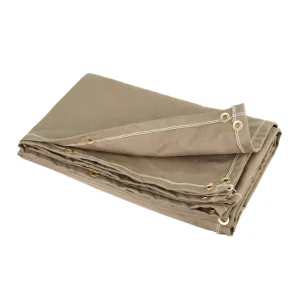
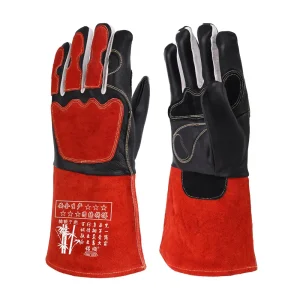
Direct manufacturing execution across top-tier split cowhide, high-count flame resistant textiles, and integrated multi-hazard PPE apparel.
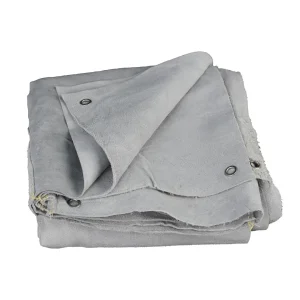
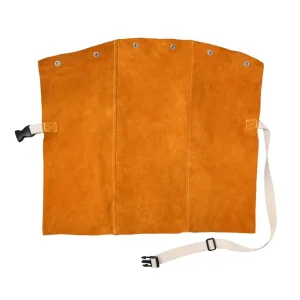
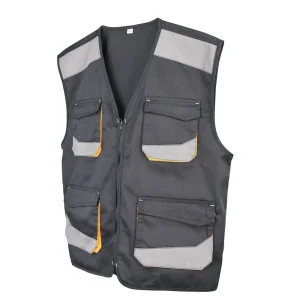
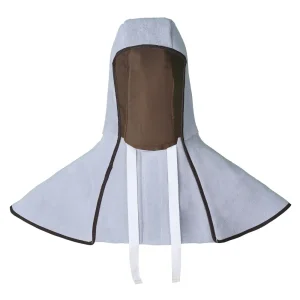
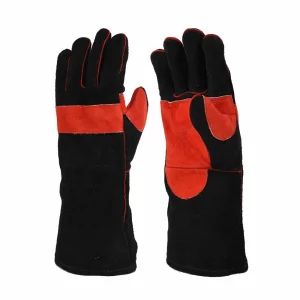
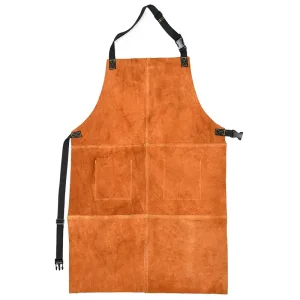
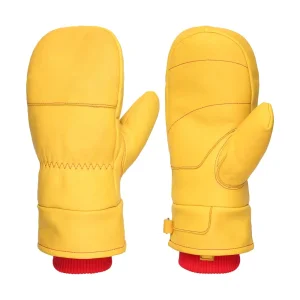
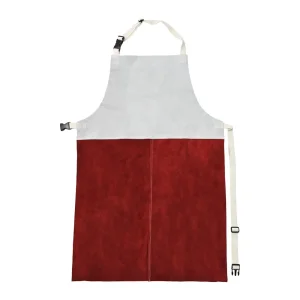
Decoupling safety from thermal fatigue: Advanced polymer cross-linking, aramid blending, and multi-hazard compliance engineered specifically for harsh industrial field conditions.
Moving beyond conventional chemical dip topical finishes that wash out over industrial laundry cycles. Our factory deploys intrinsically modacrylic, meta-aramid, and polybenzimidazole (PBI) fibers engineered into the yarn matrix, guaranteeing permanent flame-retardant performance under NFPA 2112 and EN ISO 11612 standard lifetime tests.
Traditional rigid heavy-canvas work trousers introduce worker fatigue and seam blowout during low-posture structural welding. By interweaving dual-core elastane shrouded with 9 oz / 7 oz flame resistant long-staple cotton, our technical patterns deliver over 18% mechanical stretch without degrading tensile burn integrity or heat-transfer resistance.
Industrial procurement demands multi-risk protection. Our advanced work trousers feature strategically localized split-cowhide barrier panels across the thighs and shin aprons combined with CAT 2 (8.4 to 12 cal/cm²) ATPV arc-rated cotton-rich core textiles, preventing molten metal adhesion while dissipating intense electric arc thermal blooms.
| Performance Parameter | Legacy Treated FR Pants | Ming Shun Inherent Hybrid Pants | Global Compliance Standard |
|---|---|---|---|
| Flame Retardancy Durability | Degrades after 30-50 commercial washes | Guaranteed Lifetime (100+ Washes) | NFPA 2112 / ASTM D6413 |
| Arc Rating Protection (ATPV) | 4.5 - 6.8 cal/cm² (CAT 1) | 9.8 - 14.2 cal/cm² (CAT 2 / CAT 3) | ASTM F1959 / NFPA 70E |
| Molten Metal Splatter Shedding | Surface charring & pinholing occurs | Complete drop shedding (Class 2) | EN ISO 11611 (Class 1 & 2) |
| Seam Breaking Strength | Polyester thread fails at 220°C | Para-Aramid (DuPont Kevlar®) Seams | ISO 13935-2 (>450N Integrity) |
Custom-engineered OEM patterns optimized for specific operational threats across global energy, manufacturing, and structural infrastructure sectors.
Continuous positional flux-cored wire welding and gouging creates extensive slag drop and hot metal exposure. Reinforced leather knee-pad envelopes and ballistic Kevlar seam stitching prevent premature structural trouser failure in dry docks.
Environments with flash-fire potentials demand full NFPA 2112 certified garments. Ming Shun's antistatic-yarn integrated work pants eliminate electrostatic discharge risks in explosive Class 1, Division 1 atmospheres while offering chemical splash repellence.
Technicians working on utility switchgear face violent arc-blast energy. Ming Shun arc-rated workwear trousers integrate non-conductive, dielectric FR melamine buttons, concealed brass zippers backed with protective storm flaps, and CAT 2 thermal safety.
Aluminum, steel, and zinc processing plants operate under excessive ambient radiant heat. Our aluminized and hybrid leather-shield work bottoms reflect thermal radiation up to 1000°C while preventing cryolite and slag adhesion to base fabrics.
Overcoming global logistics bottlenecks through rawhide processing, digital laser cutting, and automated assembly in Gaozhou, Guangdong.
Unlike standard apparel trading houses, Ming Shun controls hide processing from the raw stage. Our proprietary chromium tanning, chrome-free options, and automated drum-dyeing assure zero dye lot variation, uniform hide thickness (1.2mm - 1.4mm), and consistent flame penetration resistance across multi-year reorders.
Thermal protective performance demands tight tolerance assembly. We utilize multi-layer computerized pattern cutting systems and automated high-tension sewing bays that deliver precise stitch-per-inch (SPI) consistency, reducing seam stress concentrations and guaranteeing exact technical pack fit tolerances.
Housing 1,000+ skilled workers across specialized protective manufacturing lines in Gaozhou's Pukang Industrial Park. Our continuous manufacturing pipelines generate over 500,000 pairs of gloves monthly and tens of thousands of certified protective garments, mitigating lead time spikes during global supply chain disruptions.
Full transparency and traceability from batch-tested fabric certificates to destination customs clearing documentation.
Fully compliant with ASTM F1506, NFPA 70E (Arc Flash Standard), NFPA 2112 (Industrial Flash Fire), and OSHA 1910.269 guidelines. Each production lot comes accompanied by third-party verified test reports (SGS, UL, Intertek) confirming ATPV values and char length limits.
Meeting Regulation (EU) 2016/425 for Category III complex PPE. Certified against EN ISO 11611 (Welding & Allied Processes) Class 1 & 2, EN ISO 11612 (Flame & Heat Protection), and EN 1149-5 (Antistatic Properties), including notified body documentation and EU Declarations of Conformity.
We empower regional PPE distributor brands through full-spectrum customization: custom pant dye formulations matched to corporate Pantone palettes, fire-retardant embroidery threads, silicone-printed anti-slip interior waistbands, custom hangtags, and barcoded retail packaging.
Key risk-auditing factors procurement managers must scrutinize to ensure total cost of ownership (TCO) optimization and zero compliance liabilities.
Topically treated low-cost cotton workwear often degrades after 30 commercial washings, triggering frequent replacements and employee burn claims. Sourcing inherent or high-tenacity treated blends provides a 300% extended service lifecycle, drastically driving down annual protective uniform procurement expenses.
During an arc flash exposure or sudden flash fire event, fabric shrinkage acts as a critical injury multiplier. Premium work trousers must demonstrate less than 3% thermal shrinkage at 260°C (500°F) per NFPA 2112, preserving the insulating air gap between garment fabric and operator skin.
Global regulatory bodies require verifiable paper trails for Tier 1 PPE. Ming Shun provides complete lot traceability extending back to raw hide sourcing, yarn spinning origin, and flame-retardant molecular testing, shielding importers from customs detentions and liability non-compliance.
Essential technical clarifications for international safety directors, procurement teams, and protective apparel distributors.
Treated FR fabrics (e.g., FR cotton) start as combustible base fibers that undergo chemical finishing to gain self-extinguishing capabilities. Inherent FR fabrics (e.g., aramids, modacrylics) are flame resistant at the molecular level, meaning their protective properties cannot be degraded by laundering, industrial wear, or surface abrasion.
We partner with accredited test bodies such as Intertek and SGS to conduct ASTM F1959/F1959M arc flash testing. By determining the exact incident energy required to cause a 50% probability of 2nd-degree burns through the fabric, we certify our workwear systematically into NFPA 70E Category 1, 2, or 3 ratings.
Yes. As a direct OEM/ODM manufacturer, we engineer garments directly from your technical specification sheets. We integrate ergonomic gusseted crotches, dual-entry utility cargo pockets, heavy-duty Kevlar knee reinforcements, and hidden knee-pad access slots according to your regional trade requirements.
For standard production runs using warehouse-stocked flame resistant materials, our baseline order quantity begins at 500-1,000 units per colorway. Custom textile weaves or bespoke yarn-level dye matching starts at 2,000 units. Bulk turnaround averages 35-45 days following prototype spec confirmation.
Complete certified thermal protection: Explore high-dexterity MIG/TIG gloves, hybrid cowhide apparel, and heavy spatter accessories.